Electrochemical Approach for Hydrogen Technology: Fundamental Concepts and Materials, in Advances in Catalysts Research, Adv in Material Research and Technology https://t.co/JGHdtjmS2c Hot out of the press, check it out @v1marquez@ngleoneva@ron_evb@TorresDaniel_@LoreanMadriz
This couldn't happen without this app and that's why it's so sad that is basically dead now!
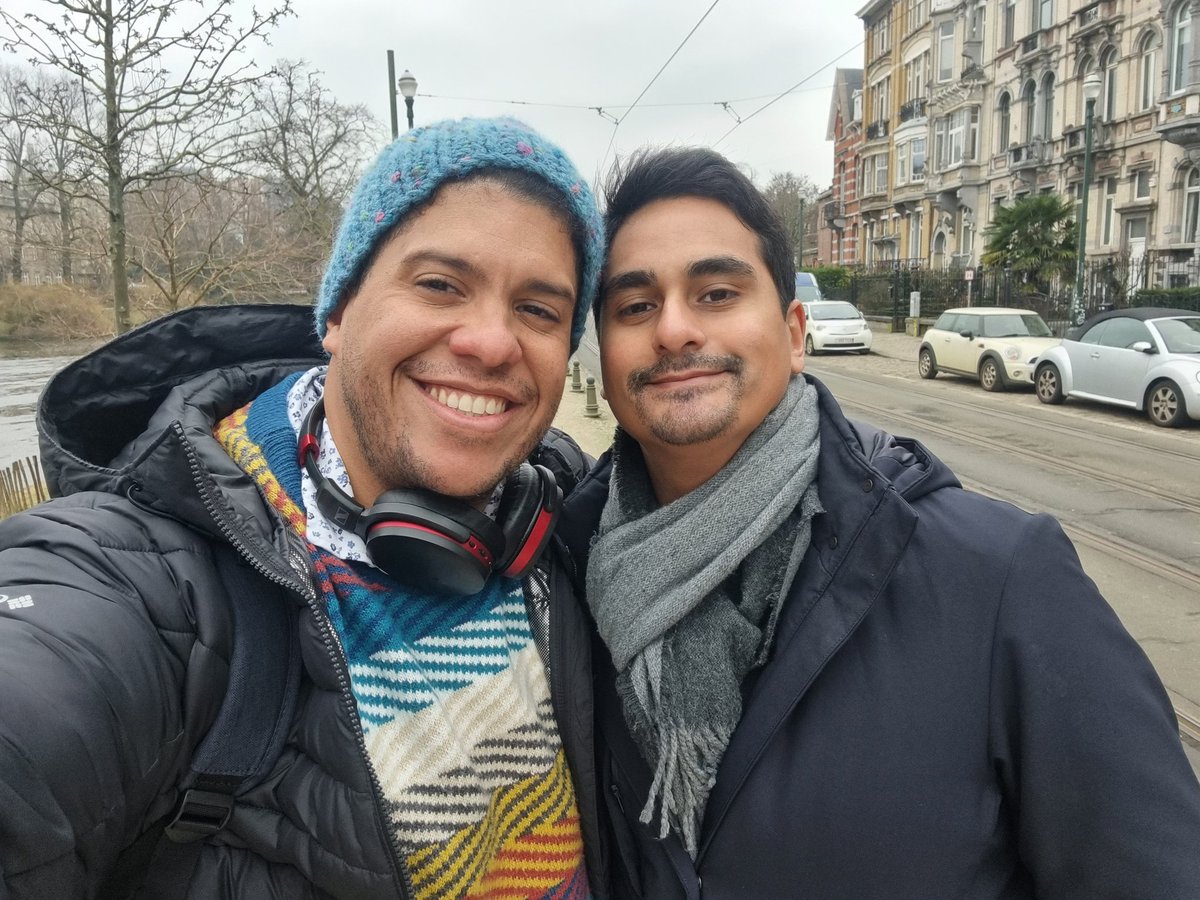
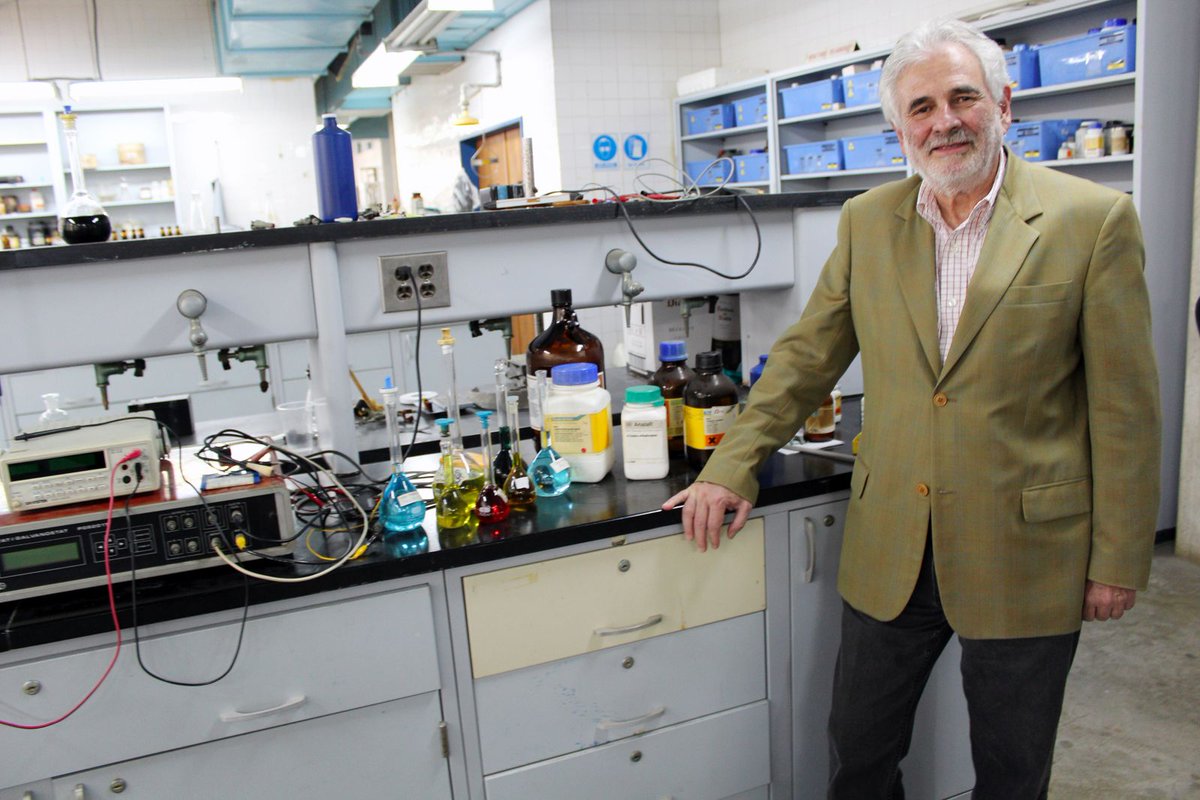
Anyway here a pic of @TorresDaniel_ and I today! It was enchanting to meet you!
#ElUniversitarioDeLaSemana | El científico venezolano Benjamín Scharifker, reconocido como uno de los científicos más influyentes en el mundo, nos recuerda la importancia de formar más científicos para el bienestar de la humanidad. Te invitamos a oírlo: ➡️https://t.co/pTJEboEeQX
Felicitaciones a la Dra. Rosalba Rincón @rosalbadri egresada de @campusb en Ingeniería Química, designada Editora en Jefe de ChemElectroChem y Batteries & Supercaps, prestigiosas revistas del área de la Electroquímica.
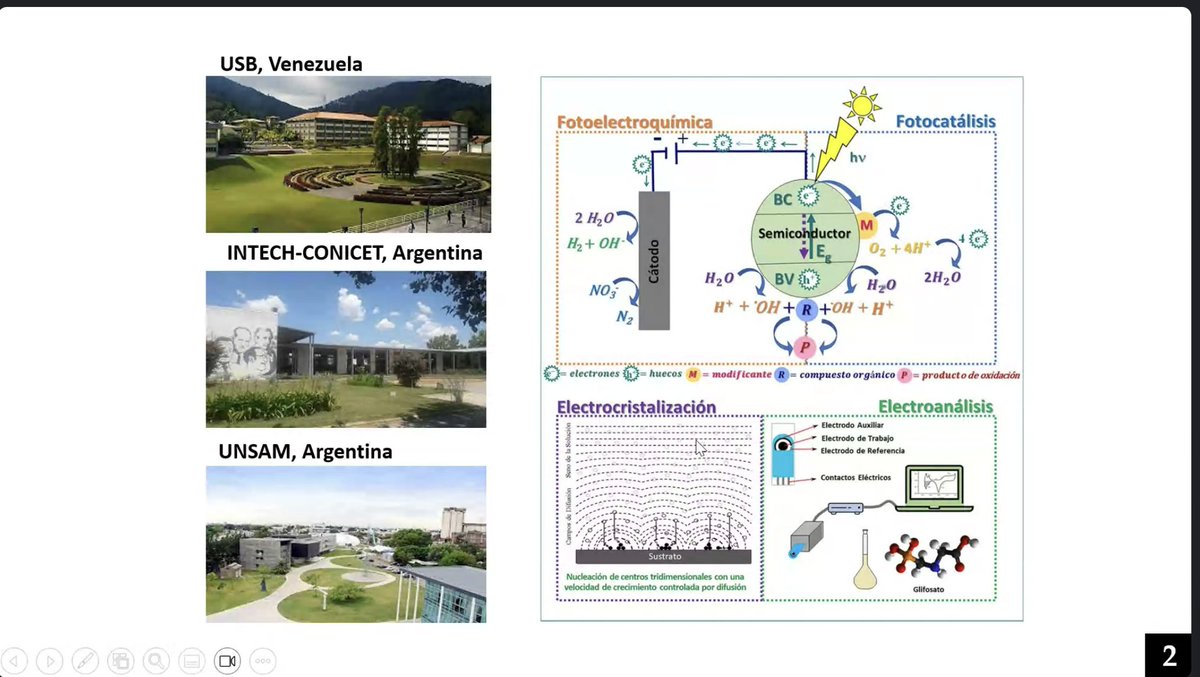
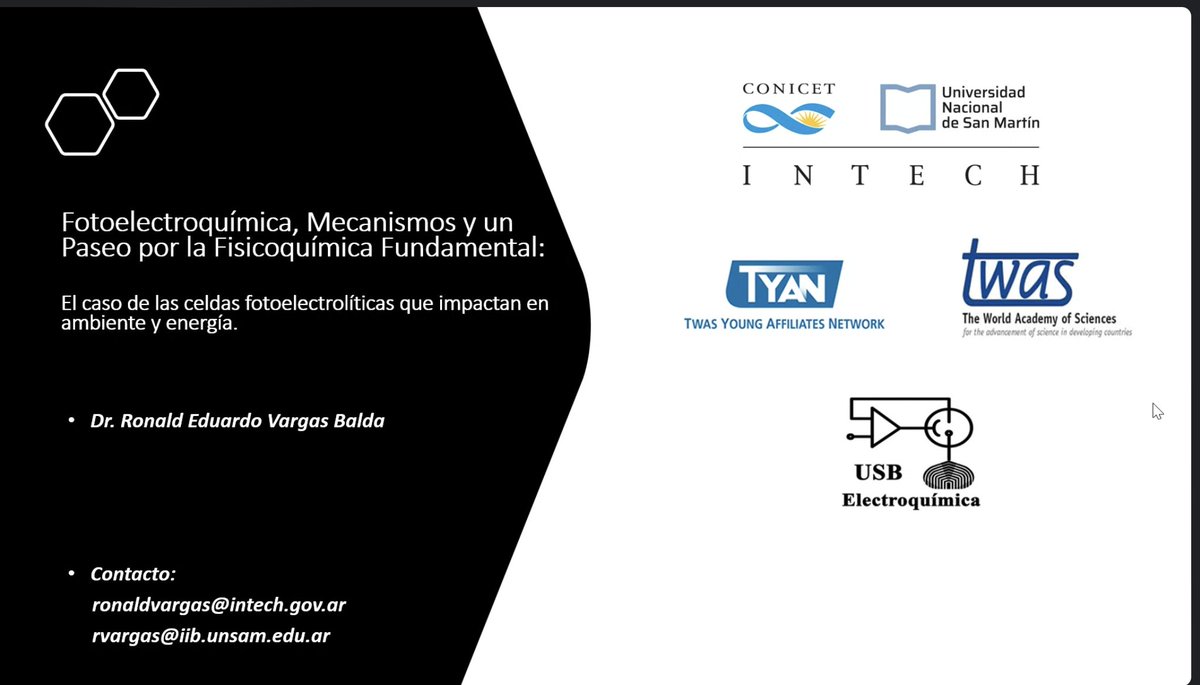
Hoy @ron_evb ofreció una interesante charla a los estudiantes de Química de @campusb sobre "Fotoelectroquímica, Mecanismos y un Paseo por la Fisicoquímica Fundamental: el caso de las celdas fotoelectrolíticas que impactan en ambiente y energía" ¡Felicitaciones Ronald!
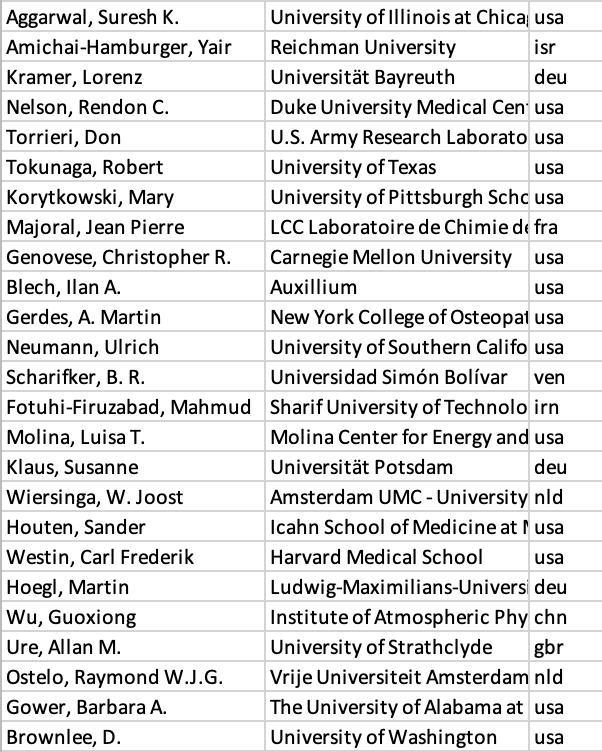
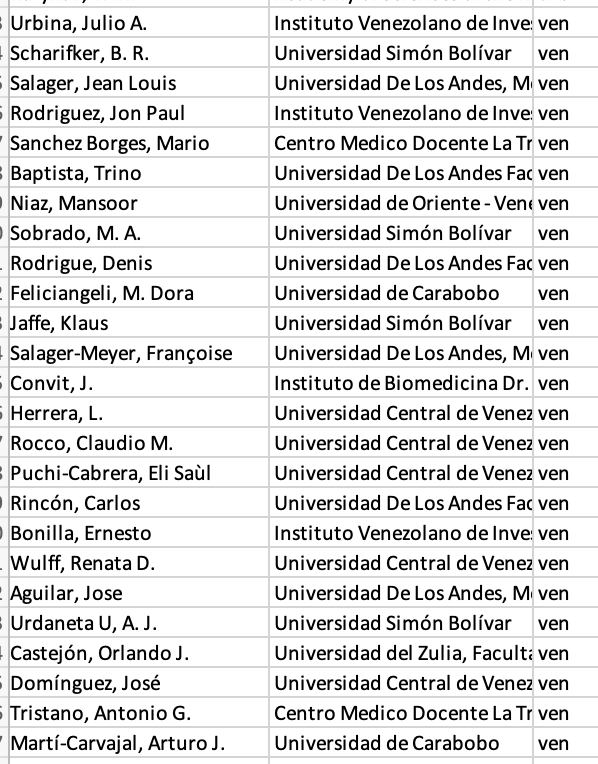
La Academia de Ciencias Físicas, Matemáticas y Naturales felicita al académico Benjamín Scharifker por figurar entre el 2 por ciento de los científicos más influyentes del mundo, de acuerdo con la base de datos de la Universidad de Stanford. @bscharifker https://t.co/54SDHrOyFo
Honrado de aparecer, junto a otros investigadores venezolanos, entre el 2% de los científicos más influyentes en el mundo https://t.co/pmFR1ngBv3 gracias a la excelente labor de decenas de estudiantes y colegas con los que hemos colaborado desde nuestro laboratorio en @campusb.
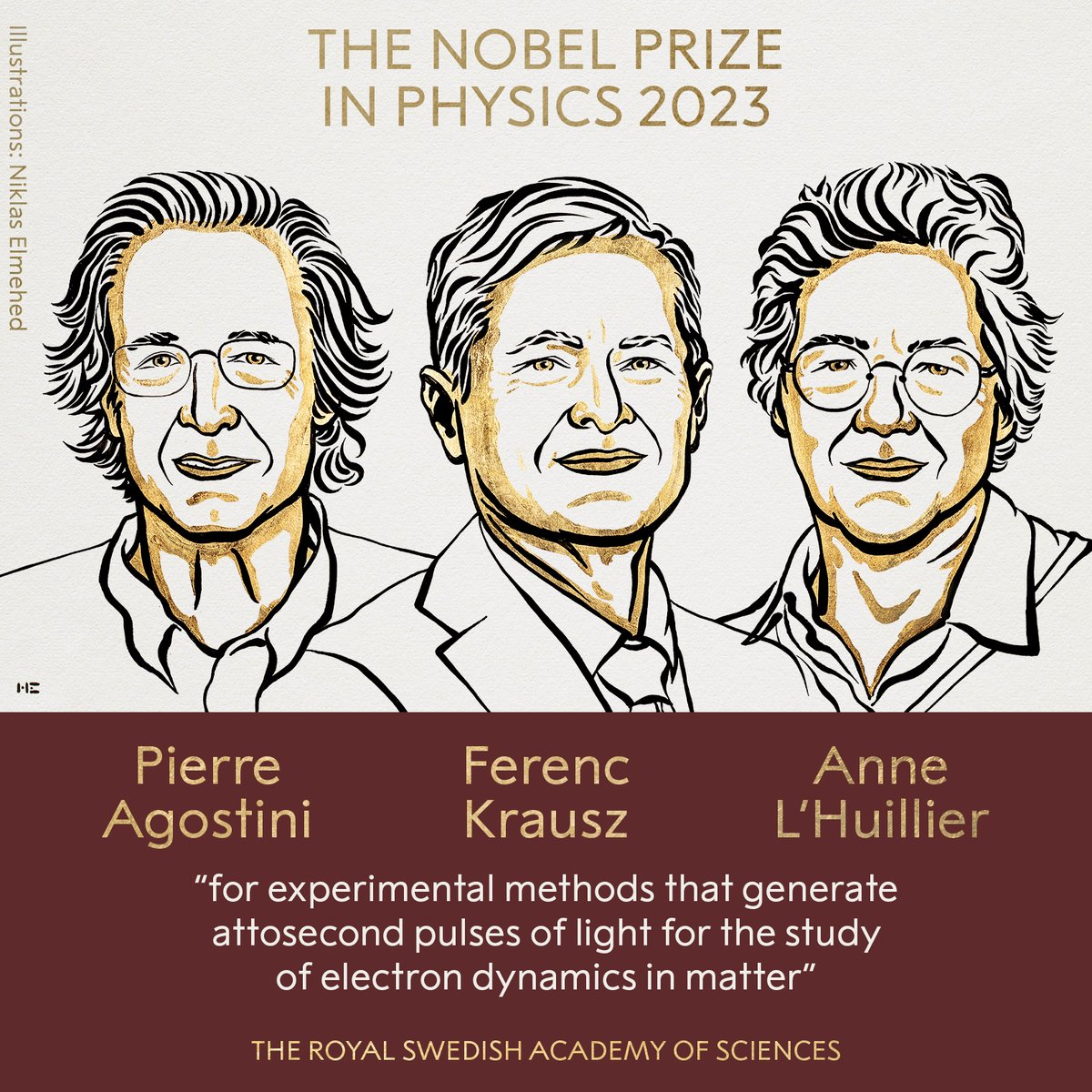
Los experimentos con pulsos ultracortos de luz de Pierre Agostini, Ferenc Krausz y Anne L’Huillier, ganadores del Premio Nobel de Física 2023, abrieron el camino para el estudio del comportamiento íntimo de los electrones https://t.co/F4pUaTQt6g asegura la revista
@Nature
BREAKING NEWS
The Royal Swedish Academy of Sciences has decided to award the 2023 #NobelPrize in Physics to Pierre Agostini, Ferenc Krausz and Anne L’Huillier “for experimental methods that generate attosecond pulses of light for the study of electron dynamics in matter.”
Very enjoyable collaboration with Marcelo Lozado-Hidalgo, Andre Geim @UoMPhysics, @UoMGraphene & team. Brilliant experimental work and analysis by @OluwasegunWahab & Enrico Daviddi @uniofwarwick State of the art electronics from Alex Colburn #OpenAccess https://t.co/F5u8M1QVcR
Fosfuro de níquel y molibdeno dopado con nitrógeno, un catalizador para la descomposición del agua de mar en H2 y O2 con alta eficiencia faradaica y bajo sobrepotencial a alta densidad de corriente, usado como material electródico tanto en el cátodo como en el ánodo.
Our collaborative (Mexico-Venezuela) work on the transition from 2D → 3D nucleation & growth during Zn electrodeposition from a deep eutectic solvent https://t.co/oR1HXeGhQd Just published in J Solid State Electrochem, dedicated to the memory of Alexander Milchev (1943-2022).
Stephen Hawking on black holes 🌌
Black holes ain't as black as they are painted. They are not the eternal prisons they were once thought. Things can get out of a black hole, both to the outside, and possibly to another universe.
So if you feel you are in a black hole, don't give up. There's a way out.
- as stated in The Reith Lectures, 2015
📷 black hole by NASA’s Goddard Space Flight Center/Jeremy Schnittman
Karl Popper on The Growth of Scientific Knowledge (1963)
The more we learn about the world, and the deeper our learning, the more conscious, specific, and articulate will be our knowledge of what we do not know, our knowledge of our ignorance. For this, indeed, is the main source of our ignorance — the fact that our knowledge can be only finite, while our ignorance must necessarily be infinite.
-- as mentioned in ch. 1, Science: Conjectures and Refutations
The authors of a Comment article in @NatureChemistry describe their first-hand experience with a laboratory fire, highlighting the detrimental effects that it had on the research group and the lessons learned. https://t.co/ygcHYc5lFS
“Un diálogo cristalino”, pequeño homenaje a Alexander Milchev, científico brillante y, definitivamente, estructurado y profundo. 'Conversaciones memorables' https://t.co/GHslRyw628 Edición 80° aniversario del @papeliterario de @ElNacionalWeb
Muchas gracias a Luis Lauriño y Gema González por esta muy agradable conversación https://t.co/gMPIvuKkqf y por la oportunidad de participar en los valiosos proyectos que lleva adelante Trama University