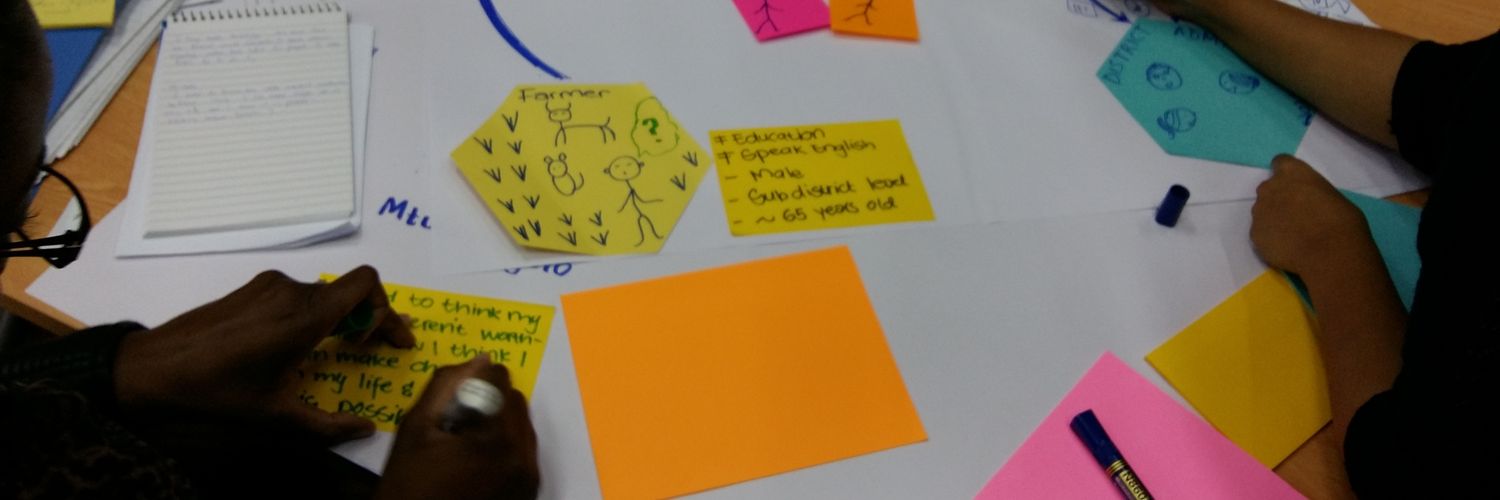
(3) Our findings suggest that adaptation programs are more likely to have sustainable outcomes when they embrace local agency and see resistance not as “failure” but as part of a dynamic adaptation process. Read the full article at https://t.co/nLE3NYX4MT
(1) What if what’s often labelled “failure” in adaptation is actually something more complex - and sometimes essential? In this article, we examine cases from agriculture in Africa to show how communities don’t simply accept or reject externally imposed adaptation.
Although #indigenousknowledge offers many benefits for #climateadaptation in #Africa, its implementation faces various challenges. See more in our freshly published paper: https://t.co/55CSAJK1uB
Funding for Climate Change Research Teams!
Please Share & Apply📷https://t.co/l2Bs73GuF0
Supporting teams of researchers, policymakers & practitioners to dive into synthesis research, convening multiple times over 2 years in Cape Town, to reduce climate change risks in Africa.
(3) Findings suggest that vegetable consumption practices are not culturally neutral, and socio-institutional perspective - centered on understanding systemic influences, cultural norms, social identity ... - must be integrated into programs aimed at promoting healthy diets.
(2)We found that education has positive effects on vegetable consumption, but mixed results are found on the role of economic status. Social norms are mentioned as shaping consumption more often for traditional vegetables than exotic ones.
(2)We found that education has positive effects on vegetable consumption, but mixed results are found on the role of economic status. Social norms are mentioned as shaping consumption more often for traditional vegetables than exotic ones.
Happy to share our newly published paper in @Journal_GFS. It explores the role of social institutions in shaping vegetable consumption practices in Africa by analyzing 62 academic papers covering fifteen African countries. https://t.co/6yF00ckGEV
Happy to share our newly published paper in @Journal_GFS. It explores the role of social institutions in shaping vegetable consumption practices in Africa by analyzing 62 academic papers covering fifteen African countries. https://t.co/6yF00ckGEV
Happy to share our newly published paper in @Journal_GFS. It explores the role of social institutions in shaping vegetable consumption practices in Africa by analyzing 62 academic papers covering fifteen African countries. https://t.co/6yF00ckGEV
My "awesome" face after a great meeting with @schipper_lisa. Thanks @schipper_lisa for your time and for giving me the chance to interact with your PhD students.
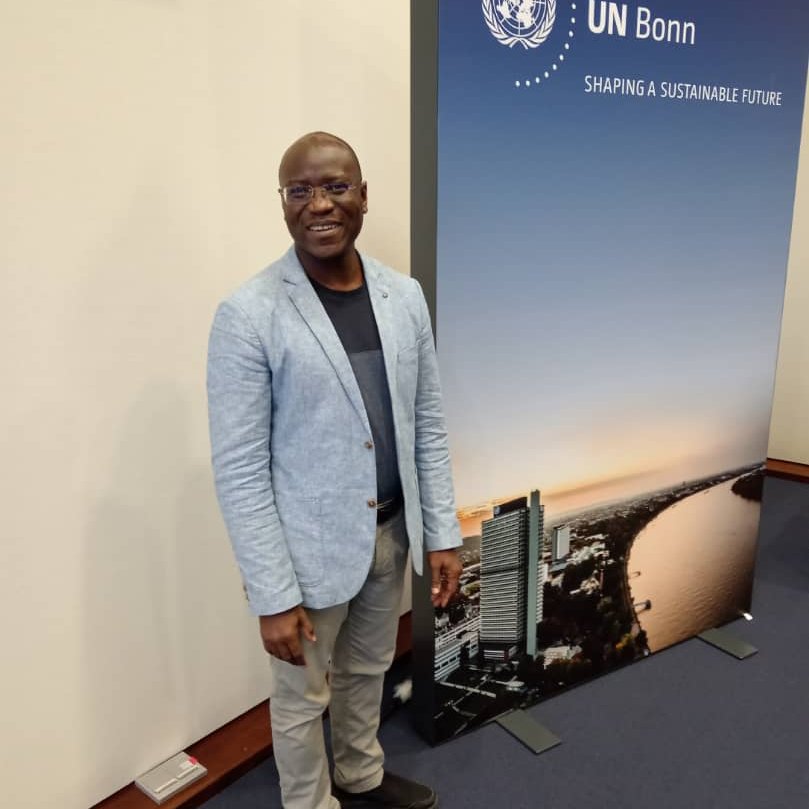
Great pleasure attending my first @ICATclimate Advisory Committee meeting in Bonn, which provided an opportunity for knowledge and experience sharing on climate action transparency.
To sustain the momentum from the #COP28 decision to operationalise the Loss and Damage fund, we need further research on the costs of loss and damage as well as links to adaptation and climate-resilient development, @adelle_SIDS writes in @ScienceMagazine.
https://t.co/iteRnnKt66
To sustain the momentum from the #COP28 decision to operationalise the Loss and Damage fund, we need further research on the costs of loss and damage as well as links to adaptation and climate-resilient development, @adelle_SIDS writes in @ScienceMagazine.
https://t.co/iteRnnKt66
@aditimukherji This will surely be good progress in Adaptation Science, but metrics or indicators alone would not be enough to tell what a good or effective adaptation is. We can't ignore local conditions and aspirations. These two parameters will go hand in hand.
(2) It also has no binding measures for countries to contribute. These may come at the implementation stage. If other conventional finance mechanisms to support adaptation in developing countries are far less than expected, how will this special one be a game changer? 🤨
(1) I hope this decision will result in rapid delivery and easy access to communities on the frontlines of the climate crisis – floods and droughts. For me, it fails to establish a clear scale of contributions from developed countries.
(1) I hope this decision will result in rapid delivery and easy access to communities on the frontlines of the climate crisis – floods and droughts. For me, it fails to establish a clear scale of contributions from developed countries.
The Dubai Climate Change Conference #COP28 established the funding arrangements for loss and damage—a major win on day one.
The first pledges made to the fund exceed USD 430 million, with more expected.
Read ➡️ https://t.co/AmZHr7yZ1Q
#climate#climatefinance