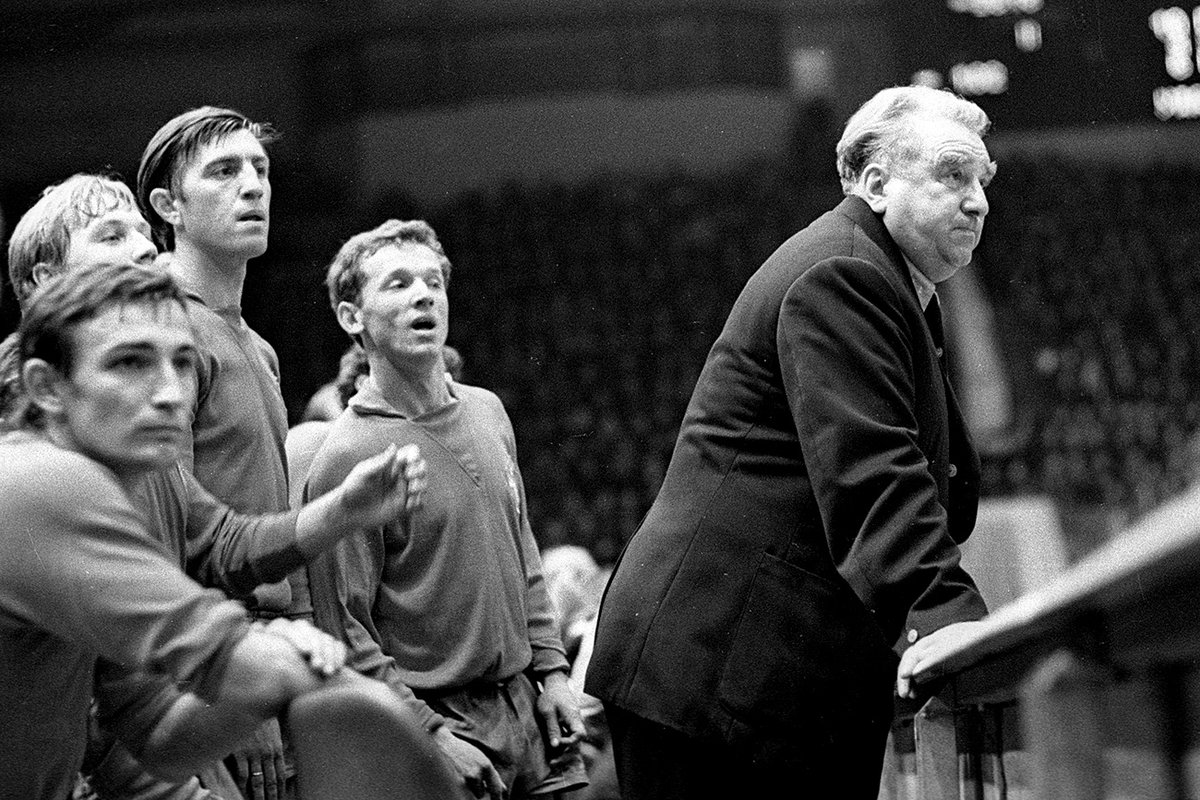
In 1946, the Soviet Union aspired to become a world hockey power.
The problem was no Soviet had even played hockey before.
What followed was the greatest coaching masterclass ever:
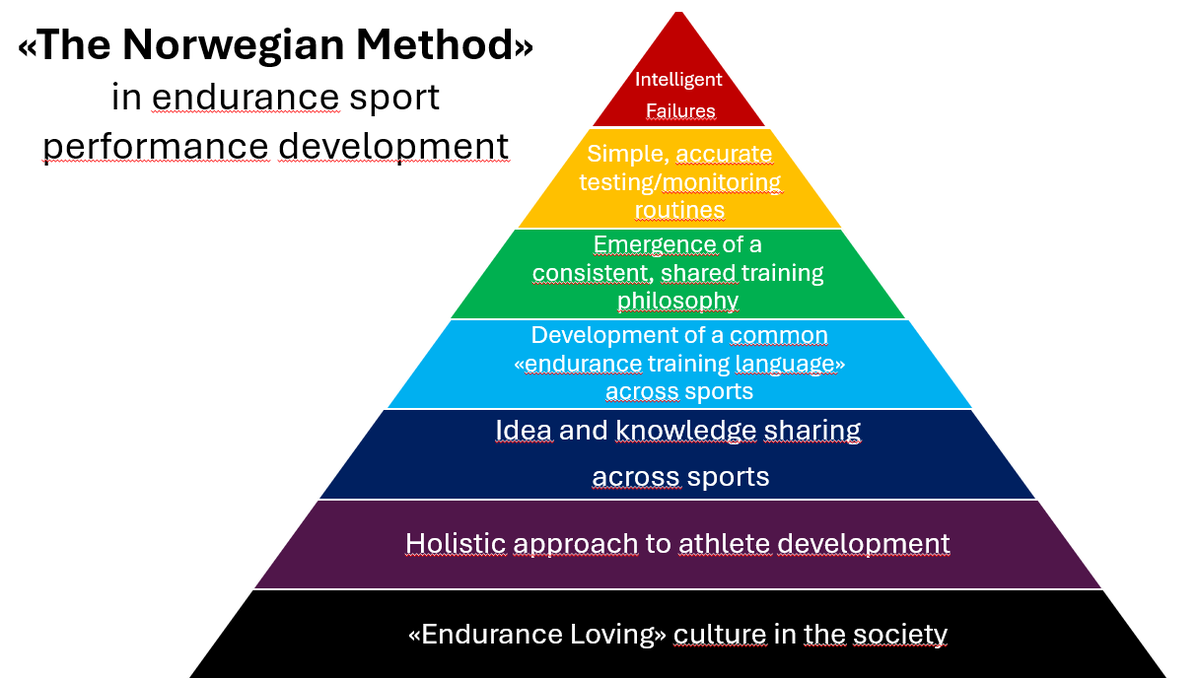
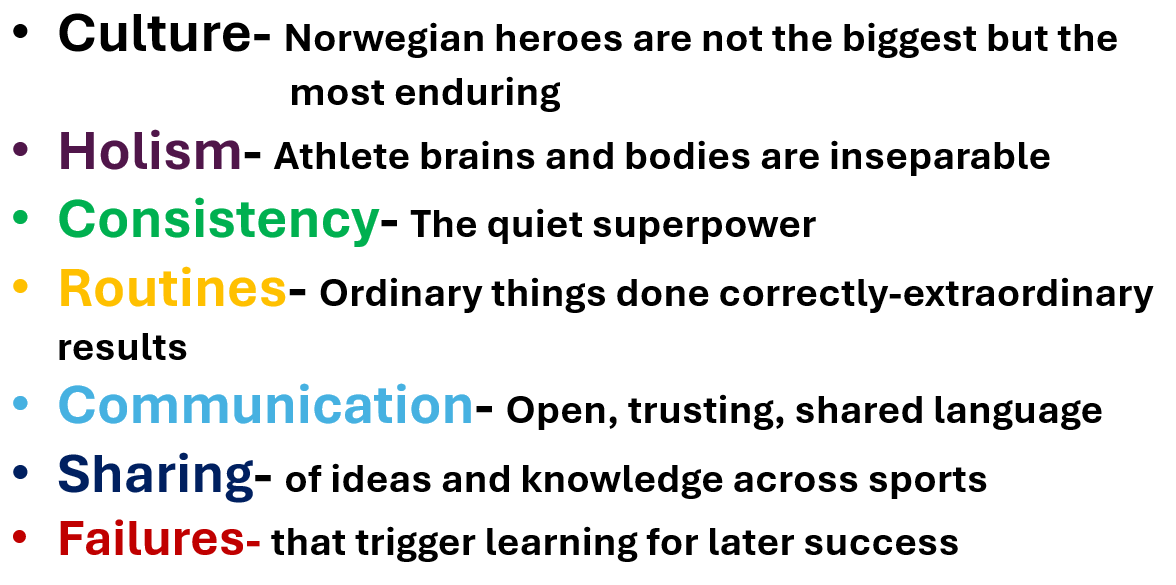
I see various tweets and articles about "The Norwegian Method" in endurance sport and training. Some of my colleagues and I here in Norway tried to agree on what that was. This is what we came up with. One thing for sure; it is a process, not a particular workout.
"What do you mean by the 'first sign of fatigue'"?
Story time...
30 years ago, I was fortunate to work with somebody I consider to be one of the greatest swim coaches of all time, Gennadi Touretski.
Gennadi was coach of the Olympic Champion and World Record Holder, and, somebody I consider to this day to be the greatest sprint swimmer (and one of the greatest swimmers) in history, Aleksandr Popov.
It wasn't long into my time at the A.I.S., when I witnessed something that struck me as very strange...
Mid-way through a practice , Gennadi walked over to Alex, said something in Russian and, soon after, Alex got out of the pool and walked off.
I asked him what was going on. His response... "Alex is tired."
Alex didn't look tired. His stroke looked as beautiful, as textbook perfect as ever to me. He showed no visible signs of fatigue. But Gennadi knew better. He went on to explain what stroke count Alex should have been holding for that set and how he was consistently dropping a stroke...
One single stroke. That was what amounted to an unacceptable level of fatigue to Gennadi.
This is because, in Gennadi's mind.. technical perfection always came first...
It does no good racking up miles if you're just drilling in sub-optimal technique.
When you consider these standards, the volume that Alex was able to build to - ~100km swim weeks, with Every. Single. Stroke. perfect is remarkable. It's one thing to do big volume, it's another to do big volume with perfect control and technical perfection. But that was the standard. Anything else was unacceptable.
Despite the fact that Alex never went anything close to the "stroke falling apart" level of fatigue that I often went to as a swimmer, he became a far better, far fitter, swimmer than me. In fact, he became one of the greatest swimmers that the world has ever seen.
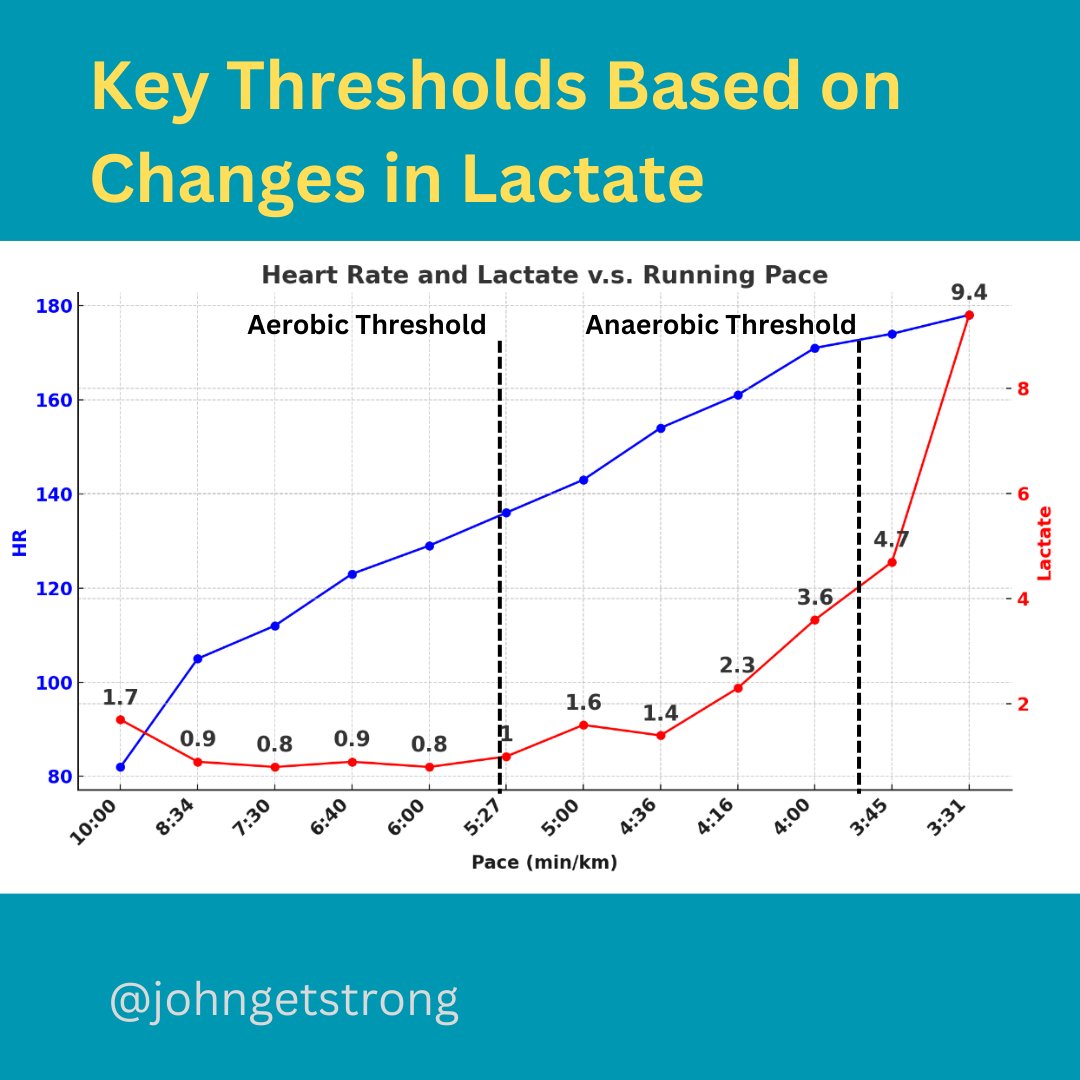
Using Lactate to Find Your Training Zones
Testing Protocol:
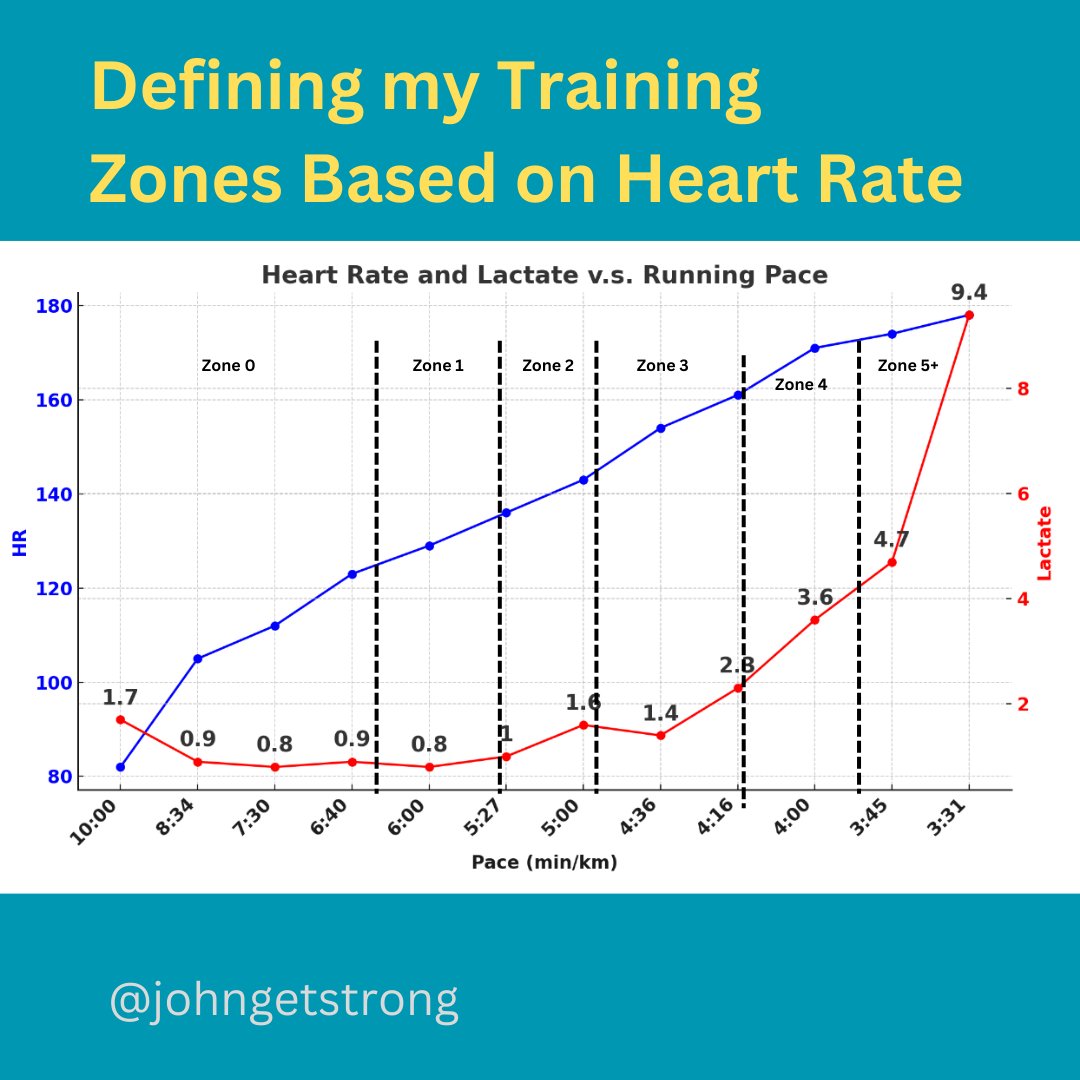
Ramp protocol. I started at walking pace (6km/hour), then increased pace by 1km/hour every three minutes until reaching an "extremely hard" level of intensity. Lactate was measured at each steps.
Definitions:
I was looking to find key heart rate thresholds using the lactate values.
Aerobic (AeT):
- The point below the first rise of lactate of > 0.3mmol/L
- Represents a the beginning of increased usage of a glycolytic (IIa) fibers over slow-twitch (I) fibers.
- My heart rate was 136bpm at this point
Anaerobic (Ant):
- Point farthest from the line connecting AeT and AnT
- Represents a shift away from Fast Oxidative Glycolytic (IIa) (Fibers), to Non-Oxidate (IIx) Fibers.
- My heart rate was 171bpm at this point
Calculating Zones:
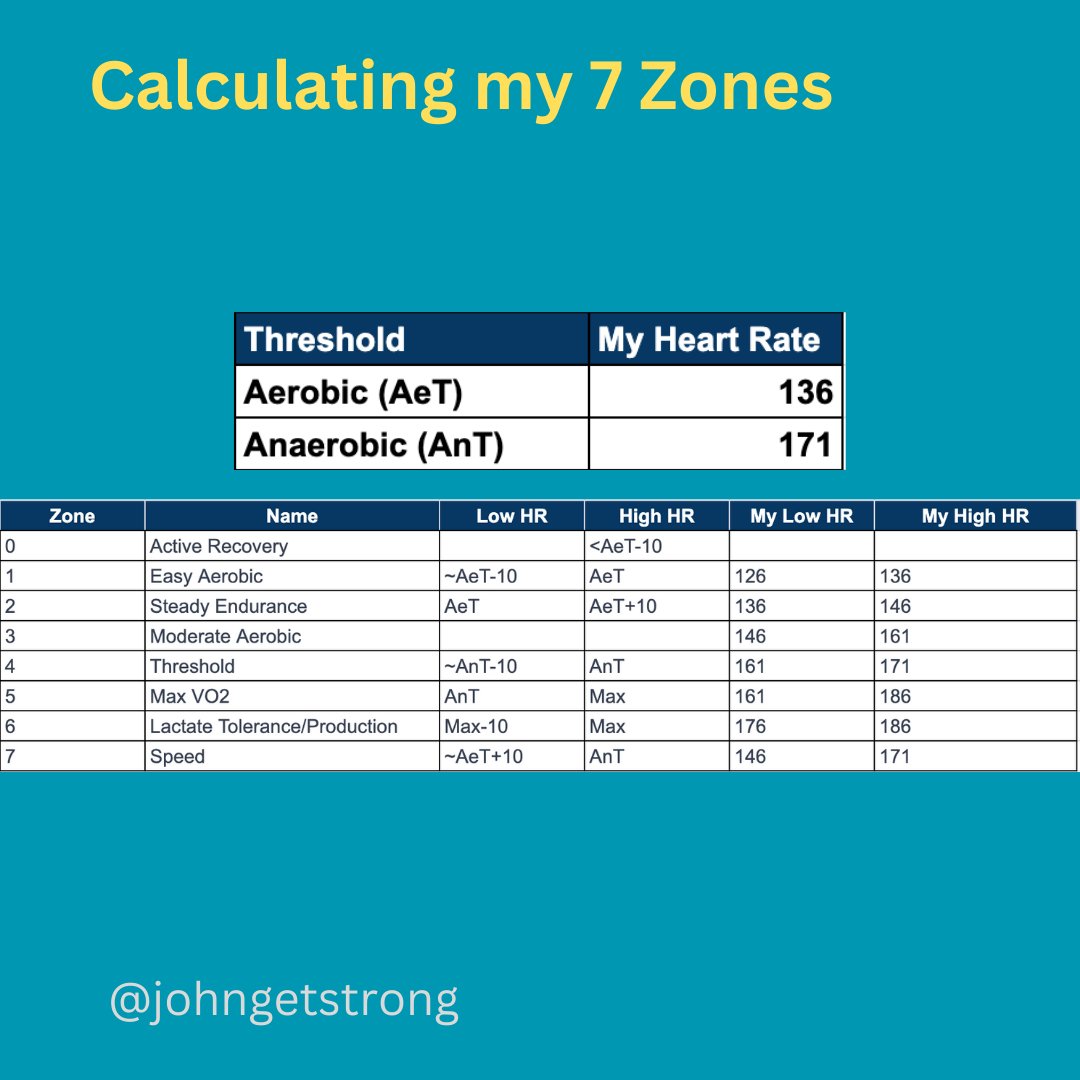
From these two thresholds we can now calculate 7 training zones. These are the 7 training zones that @Alan_Couzens recommends in chapter 6 of his book (high recommended).
Zone 0: Active Recovery
High HR: AeT minus 10 beats per minute (bpm).
Zone 1: Easy Aerobic
Low HR: Approximately AeT minus 10 bpm.
High HR: Aerobic Threshold (AeT).
Zone 2: Steady Endurance
Low HR: Aerobic Threshold (AeT).
High HR: AeT plus 10 bpm.
Zone 3: Moderate Aerobic
From Alan: "“no man’s land” of training zones.... (unless the athlete’s target event takes place in this zone), minimal time should be spent here"
Zone 4: Threshold
Low HR: Approximately Anaerobic Threshold (AnT) minus 10 bpm.
High HR: Anaerobic Threshold (AnT).
Zone 5: Max VO2
Low HR: Anaerobic Threshold (AnT).
High HR: Maximum Heart Rate (Max).
Zone 6: Lactate Tolerance/Production
Low HR: Maximum Heart Rate minus 10 bpm (Max-10).
High HR: Maximum Heart Rate (Max).
Zone 7: Speed
Low HR: Approximately AeT plus 10 bpm.
High HR: Anaerobic Threshold (AnT).
Now I have my training zones, I can focus on the task at hand. Lots of mileage at zone 2 and below, with some training at zone 5 and above. I want to be highly polarized -- building a stronger base, then working on improving my top end as the season progresses.
This is my 10 year son.
Its football season so I'm going to call him a quarterback.
In November he'll be a point guard
And in March he'll be a catcher.
There is no place for early specialization at his age.
When the season is over we move on.
He loves sports and coming to the gym.
Im past 6 months He's expressed to me the desire to do some training.
My goals for him in the gym are to:
1. Have fun so he keeps coming back
2. Expand movement
skill set
3. Develop structural resiliency and robustness
4. Establish Bodyweight control with eye towards the future.
5. Improve Reactive ability
6. Have fun
His sessions are:
Minimally coached
Semi-structured
Highly engaging
This is what we came up with...
#LTAD
Everyone is in a rush to teach and 'influence' and show others "the way" before they have found "the way" themselves.
Take the time (lots of time) to figure your stuff out first.
Then teach it.
@scottcarlinpt That will build aerobic fitness but not much more.
If you want to be fit and fast,
3-6s efforts of hills/or sprinting/ weight room required.
Energy systems alone do not cover all elements when it comes to performance.
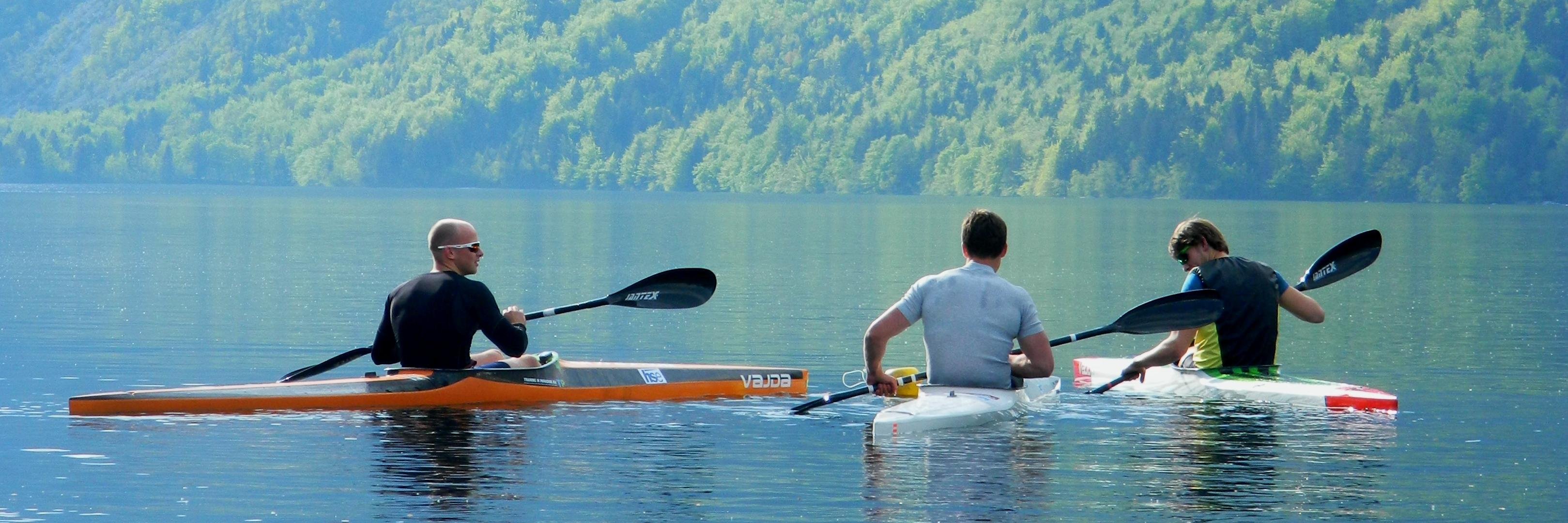
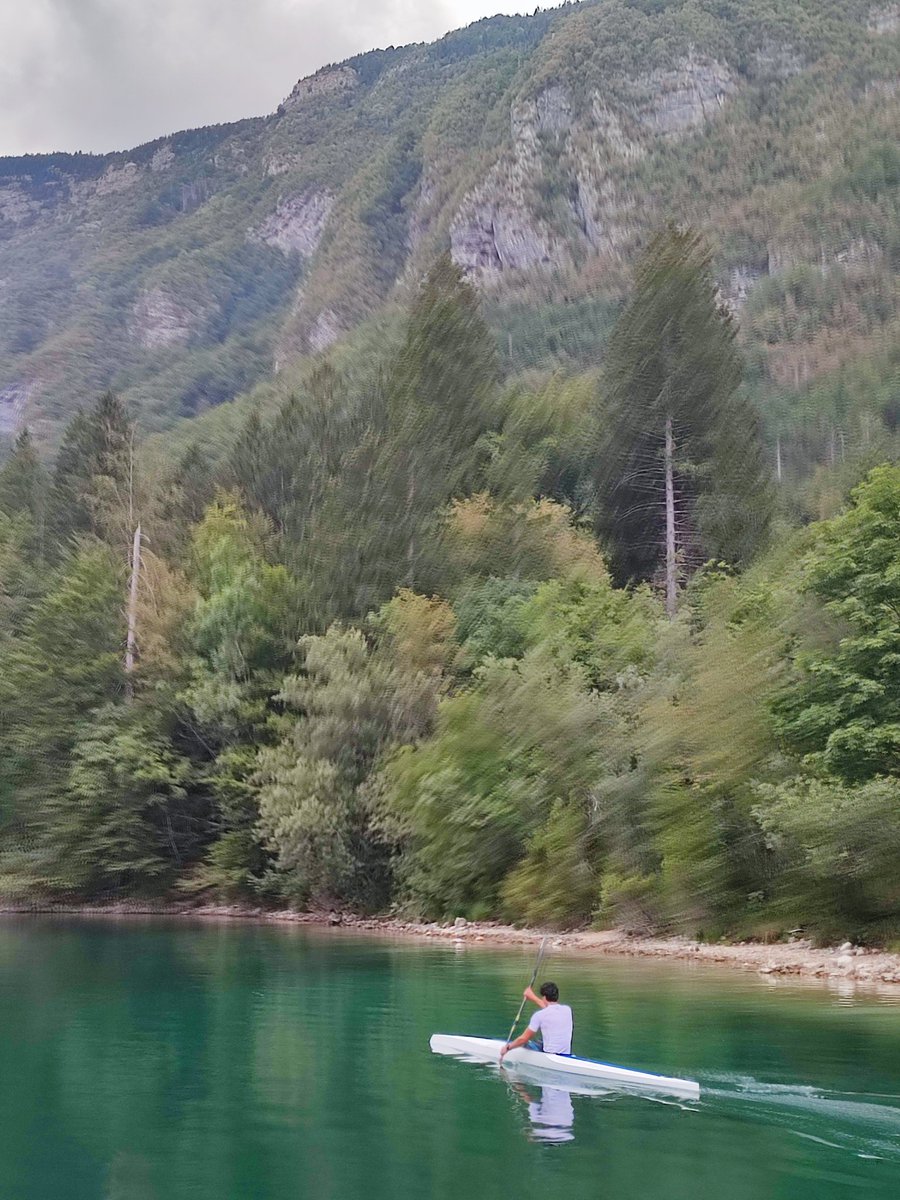
Happy spring is back and we can have lots of athletes visiting for perfect sessions on the water again. Last week it was time to meet again with Petr Synek from Prague 🇨🇿
We've experimented with boat setup and worked on basic technique issues to set him up for a great season 👌
Don't we all paddle for days like this? 🌞
But when they come, you better be ready. Use every dark and cold winter training day preparing to shine on a day like this!🏋️🏃🏊🔍
https://t.co/XNP83Fr4aG
#TiP#Traininginparadise#TiPcoaching#TiPclinic#TiPtechnique
We romanticize the grind.
Which upholds the idea that if you aren’t successful it’s because you haven’t worked hard enough.
That prevents finding the real reason we haven't achieved our goals.
The Paradox of Effort
You have to put in more effort to make something appear effortless.
Effortless, elegant performances are simply the result of a large volume of consistent, effortful practice.
Small things become big things.
Simple is not simple.
(cit.: @SahilBloom )
Elite performers are masters at manipulating their physiology.
They know when to turn the volume up, get hyped & excited.
They know how to turn the volume down, let go, & refocus on the next task.
They are masters at getting into their zone of optimal performance.
Here's how: