AI is eating the world, and we are investing in the next generation AI & infrastructure transforming the world. Disruptors, news and insights on all things #AI
Disruptive photonic (super)computing innovator @LightmatterCo introduces the AI infrastructure industry’s first bidirectional Open CPX Optical Engine that unblocks the critical AI cabling bottleneck https://t.co/ghudavA3vM #AI#Photonics | @TrajectoryVC
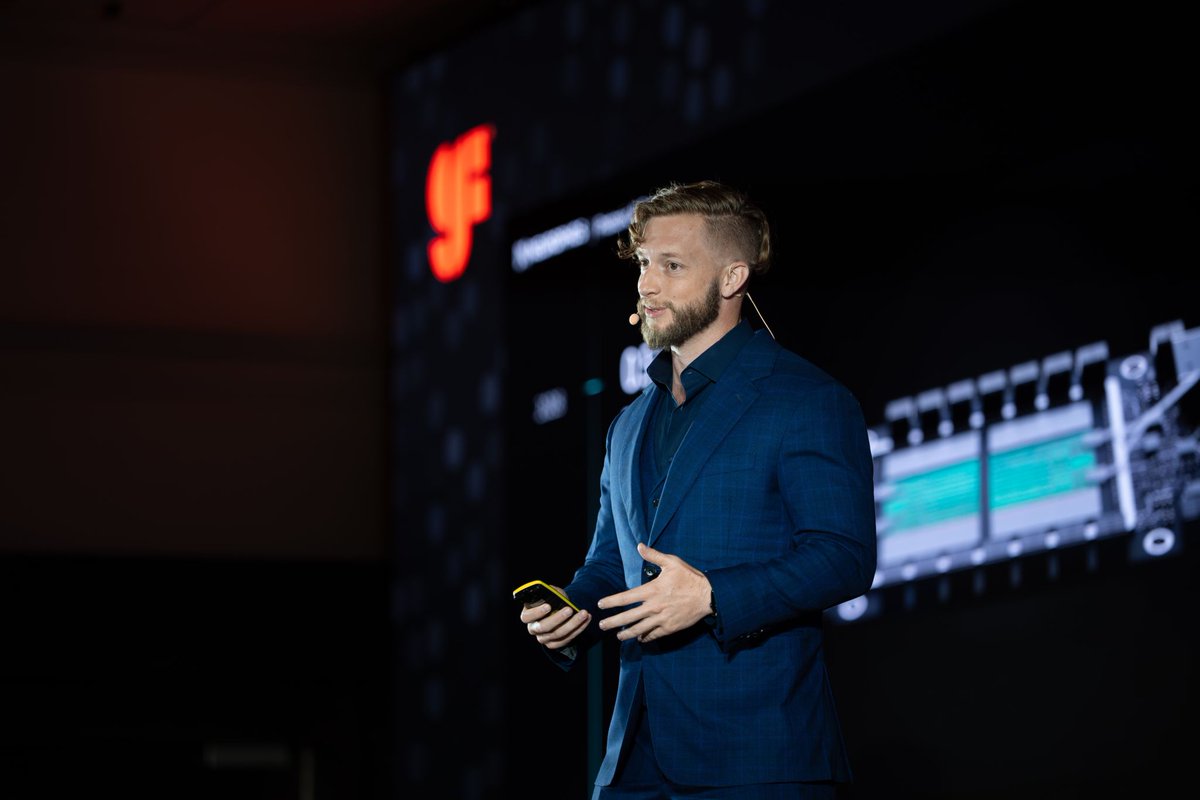
Great to spend time with the @GlobalFoundries team at their event and connect with leaders across the semiconductor and photonics ecosystem.
As we continue working with GF as a partner for our photonic chips, we’re excited about what’s ahead and the opportunity to advance photonics at scale.
Thanks to the team for hosting us and for bringing together so many leaders shaping the future of semiconductor technology.
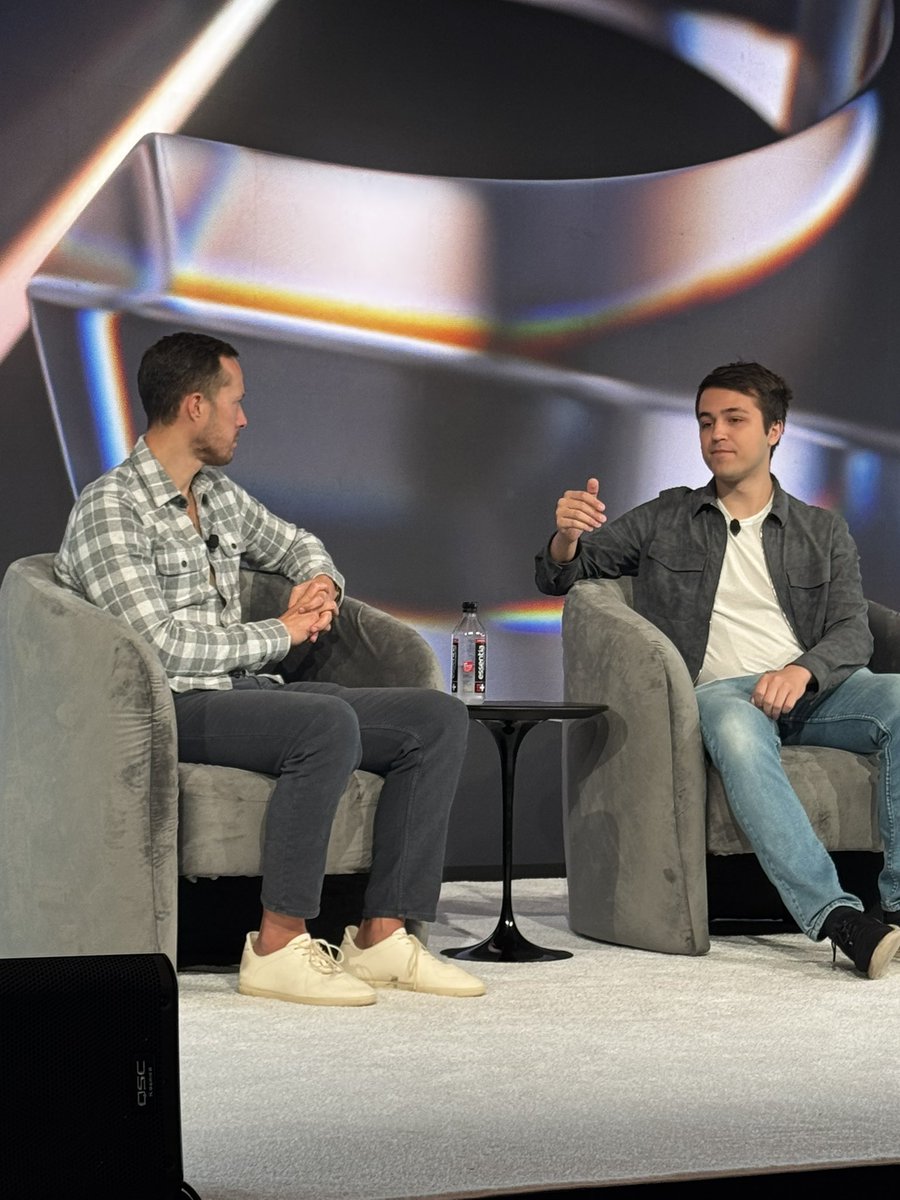
Fantastic @PrimaryVC Tech Summit talk w/ @UbertiGavin, CEO of @Etched. Deep dive into the next generation of chips & compute AI infrastructure. The problem they set out to solve 4 years ago, and next phase as @Etched begins shipping. “The future is about owning the full stack”.
Satya Nadella talks about how in Quincy, Washington, a 400/500 MW data center has contributed to a rural town over many years.
the tax revenues have gone up 12X, continued economic growth, new infrastructure, and public infra such as a school, hospital, town center, and aquatic center.
----
From "All-In Podcast" YouTube channel, (full video link in comment)
Every $DVLT shareholder should listen to the presentation @NateX112756 gave yesterday.
200M guidance for 2026 reiterated, half of which they got yesterday, to be recognized THIS quarter.
"If you don't believe me, just wait for the Q's & K's." -Nate 🔥
https://t.co/wsEgkZILS6
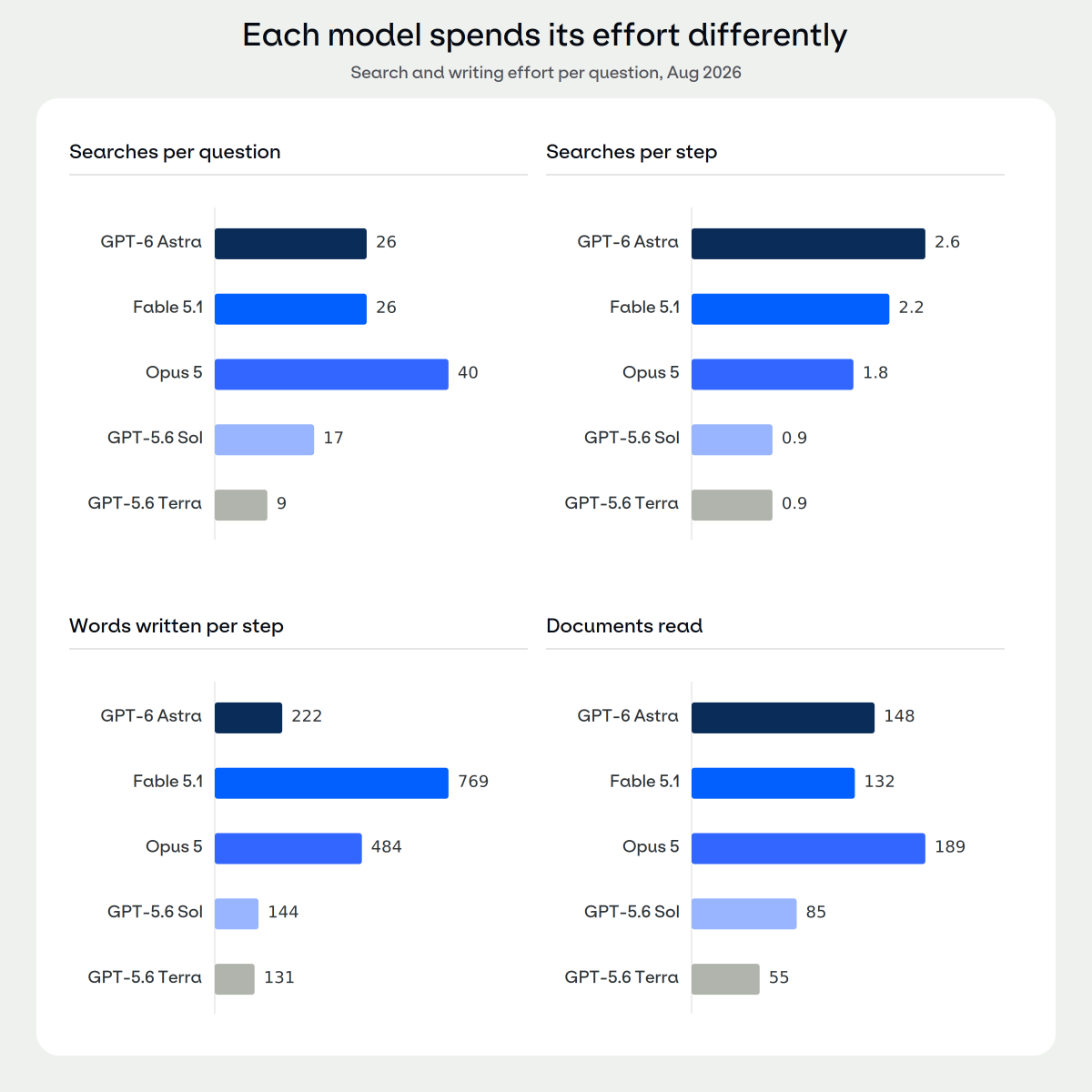
Anthropic's Fable 5.1 and OpenAI's GPT-6 Astra both push the frontier, but benchmarking on 198 analyst-level queries shows the biggest gains come from the harness around the model, not the model itself.
Swap in plain vector search and a simple MCP tool and you get stale, non-primary sources. Swap in AlphaSense's decision-grade harness and cost drops 1.9x with better answers grounded in fresh, high-quality sources.
Daniel Campos breaks down what this head-to-head benchmarking reveals about GPT-6 Astra and Fable 5.1, why newer isn't automatically better, and why frontier models need frontier context.
Read the full article: https://t.co/IUYGICwWbx
@PatrickTBowen sees an opening the rest of the industry has missed: prefill, not decode, as the place optical compute wins first. That's the bet behind @neurophos . New episode of The Compute 100.
Big shout out thanks to the @PrimaryVC@BSchech@thecompute100 team for hosting a fantastic, and insightful event this morning on AI compute. Great talks on where infrastructure is heading, and financing the future of AI infrastructure 👏👏👏 Great NYC community gathering.
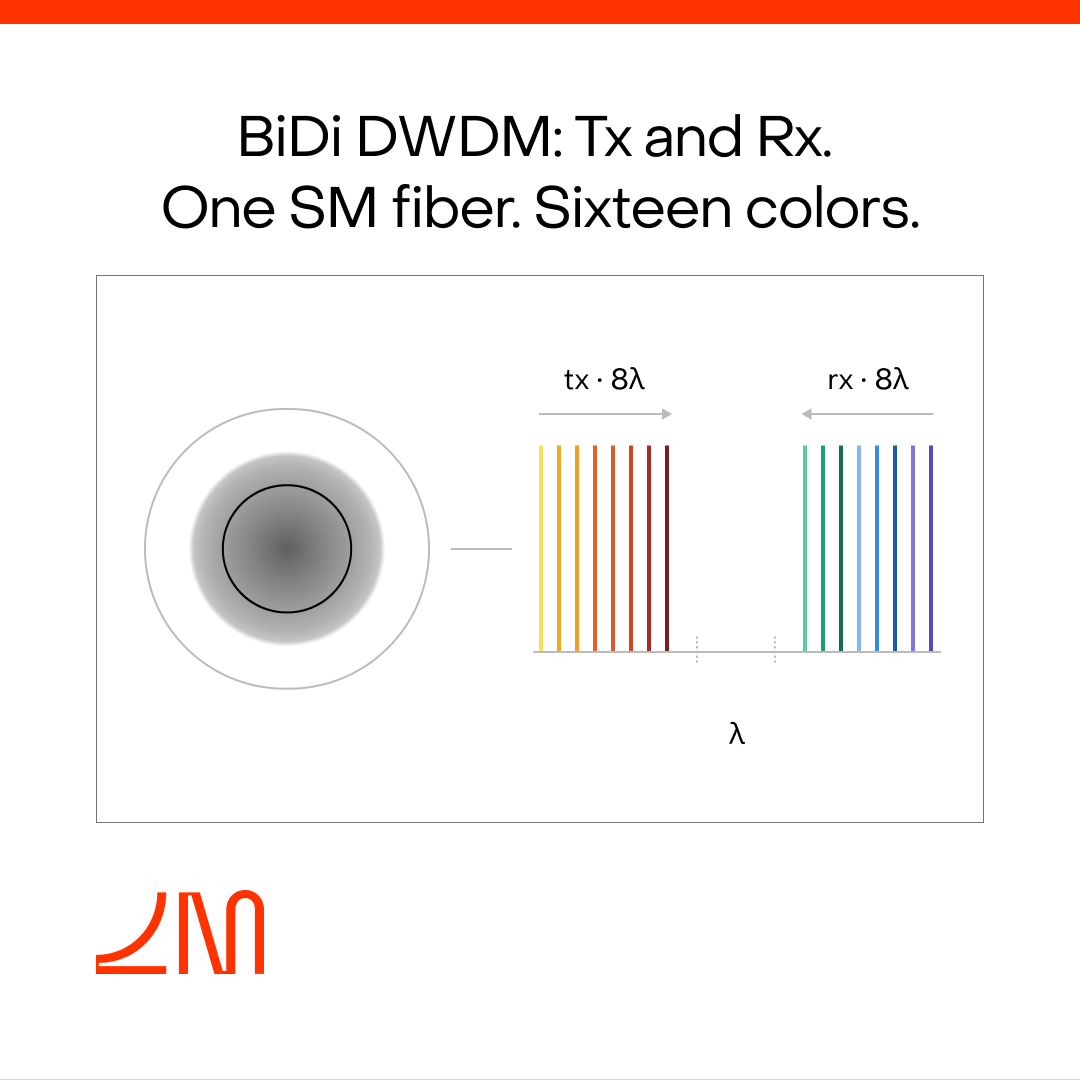
Frontier MoE models need massive scale-up clusters, but copper maxes out around 144 GPUs. Expanding to 512+ GPU pods usually requires 130K+ optical fibers, a challenge for costs, supply chains, and reliability.
Bidirectional (BiDi) optics change the game by combining transmit and receive on a single fiber using two wavelengths:
⚡ 50% fewer cables & connectors
⚡ ~15% lower network spend
⚡ 50% fewer passive optical failure points
⚡ Zero compromise on bandwidth or reach
As AI demands larger scale-up domains, BiDi is the path forward and Lightmatter has built it directly into its interconnect portfolio. Read our full analysis: https://t.co/js2wumNujC
#BiDi #Photonics
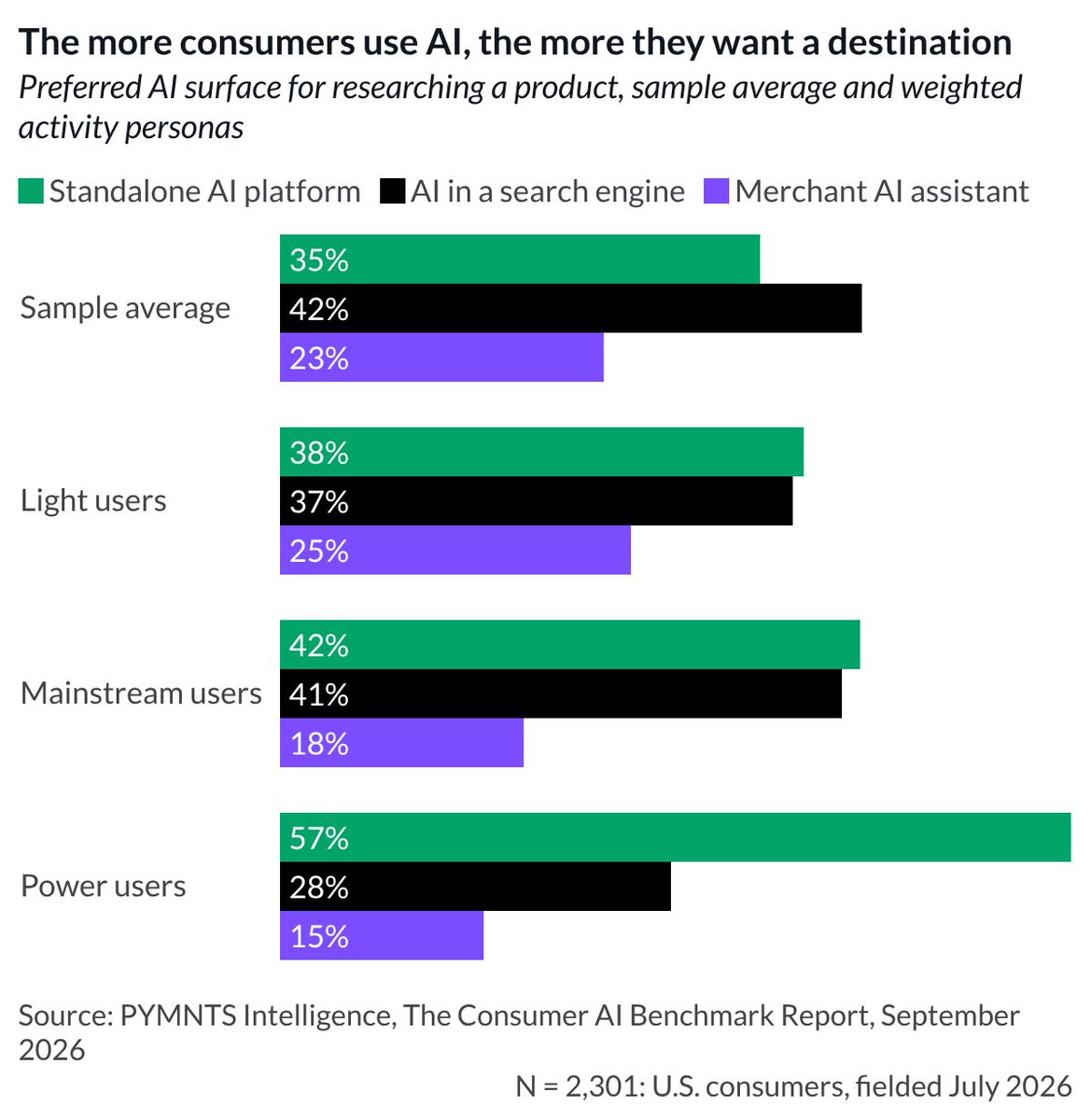
23% of Consumers Tap AI to Discover What to Buy
As AI users get pickier, shopping research earns a spot in their routines. Consumers are getting choosier about #AI tools, and that selectivity is revealing where the technology has staying power https://t.co/ghTuM5b0Qi #ecommerce
JPMorgan upgrades $IREN to Overweight with a $65 price target calling it an emerging “top tier neocloud provider” as AI demand and customer momentum accelerate.
That momentum is showing up in the deals with pricing moving toward $15 to $20 plus per watt as customer prepayments help fund IREN’s push toward $4B of ARR.
The bigger opportunity comes in 2027 where JPMorgan believes IREN’s planned 0.5 GW expansion could command materially higher pricing and drive a ton of upside to current estimates.
Why The Harness Matters More Than The Model. They get dismissed as just scaffolding, just prompt engineering & not real research. But that couldn't be farther from the truth. The same model weights that score 30% on ARC-AGI score 95% with a better harness.https://t.co/2nJvmrPihZ
Y Combinator's @garrytan wants US open-weight AI labs to 'distill' frontier models. Tan wants smaller, U.S. open-weight AI labs to use the same kind of training techniques on frontier AI labs, giving the U.S. a more robust set of open-weight options. https://t.co/JztffAY396 #AI
A few people asked over the weekend what the calls to slow the pace of frontier AI mean for the buildout. Some thoughts:
Even if models never improved from here, just rolling out what they can already do would take more compute than the world can build for years. The debate about how fast AI should be allowed to improve is a fair one to have. It's about future generations of models.
Existing demand is the part I think people are misreading. Anthropic CEO Dario Amodei said in May they'd planned for 10x growth and were running at an 80x pace in the first quarter, and that's why they've had trouble supplying compute. OpenAI president Greg Brockman said in July they'll be in a compute shortage no matter what, and are choosing which products to scale. Google says it's processing 7x the tokens it did a year ago. Hundreds of millions of people use these models today, and most of them use a small part of what the models can already do. And every time more compute comes online, usage steps up again: limits come off for people already using it, customers who were turned away get on, and new use cases show up that weren't in anyone's plan.
Now supply. The constraint is HBM, the memory that sits inside every major AI chip. Three companies make it and all three are sold out this year. A new memory plant takes years to build. TrendForce has HBM shipments growing 50-60% next year. NVIDIA, the biggest buyer of it, expects its revenue to grow about 70% next year and calls that outlook 'supply-constrained', noting its customers' forecasts point closer to 100%. On our own bottom-up work, the memory constraint lands in about the same place as NVIDIA's growth number.
Then the chips need a building with power connected, which takes longer again. Goldmans reckons only about half the US capacity scheduled over the next two years will actually be built on time.
The risk to demand continues to seem heavily weighted to the upside. The risk to supply continues to seem weighted toward less capacity getting built, not more.