Youth unemployment has emerged as one of the most pressing socio-economic challenges affecting young people in Kericho County. Despite the increasing number of graduates from universities, colleges, and technical institutions, many young people continue to face limited access to decent work, sustainable livelihoods, and meaningful economic opportunities.
While education levels among the youth continue to rise, opportunities for stable employment and entrepreneurship have not expanded at the same pace, leaving many young people economically vulnerable and socially excluded.
Kericho County remains one of Kenya’s key agricultural and economic regions, with major economic activities centered around tea production, agriculture, trade, transport, and small-scale enterprises. However, despite the county’s economic potential, a significant number of young people continue to struggle with unemployment, underemployment, unstable income, and limited access to productive opportunities. Many youth are forced into informal and low-paying work with little security, while others remain unemployed for prolonged periods after completing their education and training.
The challenge is further compounded by a growing mismatch between education and labour market demands. Many young people possess academic qualifications but lack the practical, technical, digital, and entrepreneurial skills increasingly required in today’s job market. Limited linkage between training institutions and industry needs has contributed to a situation where many graduates are inadequately prepared for available opportunities, making the transition from education to employment increasingly difficult.
At the same time, youth-owned businesses continue to face major barriers in accessing financing, markets, mentorship, and government procurement opportunities. Although the Access to Government Procurement Opportunities (AGPO) framework was introduced to enhance economic inclusion for youth, women, and persons with disabilities, many young entrepreneurs in Kericho County continue to experience challenges such as limited awareness of procurement procedures, lack of business capacity, delayed payments, bureaucratic processes, and limited access to tender information. As a result, many youth-led enterprises struggle to grow, compete, or sustain their operations.
Concerns also persist around inadequate implementation of youth-focused economic empowerment initiatives, limited investment in youth development programmes, and insufficient inclusion of young people in governance and decision-making processes. Many youth feel excluded from conversations and policies that directly affect their social and economic wellbeing. This has weakened trust in governance systems and reduced meaningful youth participation in county development processes.
At the same time, the proposed Kericho County Youth Act presents an important opportunity to strengthen youth representation, institutionalise youth participation, and create frameworks that support economic inclusion, skills development, and access to opportunities. However, there remains limited public awareness and engagement around the Act, highlighting the need for increased civic education, public participation, and youth involvement to ensure the legislation reflects the realities, priorities, and aspirations of young people across the county.
For many young people in Kericho County, unemployment is not simply an economic issue; it is a lived reality that affects dignity, mental wellbeing, independence, and future opportunities. Rising unemployment and economic exclusion continue to contribute to frustration, dependency, hopelessness, and reduced social mobility among young people, particularly those living in rural and peri-urban communities.
The “Youth Voices, Decent Jobs, and Inclusive Opportunities in Kericho County” campaign is a youth-centered initiative aimed at creating public awareness, amplifying youth voices and lived experiences, and promoting inclusive dialogue on youth unemployment, economic empowerment, and governance accountability in Kericho County. The campaign seeks to provide a platform where young people, policymakers, county leaders, civil society actors, and other stakeholders can engage on practical and sustainable solutions that address the barriers facing young people.
The campaign encourages citizens and stakeholders to engage with critical questions:
1. Why do many young people remain unemployed despite growing education levels?
2. What barriers prevent youth from accessing AGPO opportunities and enterprise funding?
3. How can the county strengthen skills development and align training with labour market needs?
4. What measures are needed to support youth entrepreneurship and decent work opportunities?
5. How can the Kericho County Youth Act strengthen youth participation and accountability?
6. What role should county leaders, institutions, and stakeholders play in expanding inclusive opportunities for young people?
This campaign is not only about unemployment; it is about dignity, inclusion, accountability, and creating a future where young people can actively participate in and benefit from the county’s economic growth and development.
Join us as we amplify youth voices, promote civic engagement, and advocate for responsive policies and sustainable opportunities for young people across Kericho County. Together, let us push for decent jobs, inclusive opportunities, and meaningful youth participation in shaping the future of Kericho County. ✊🏾#ChangeNiSisi #MaskaniKericho
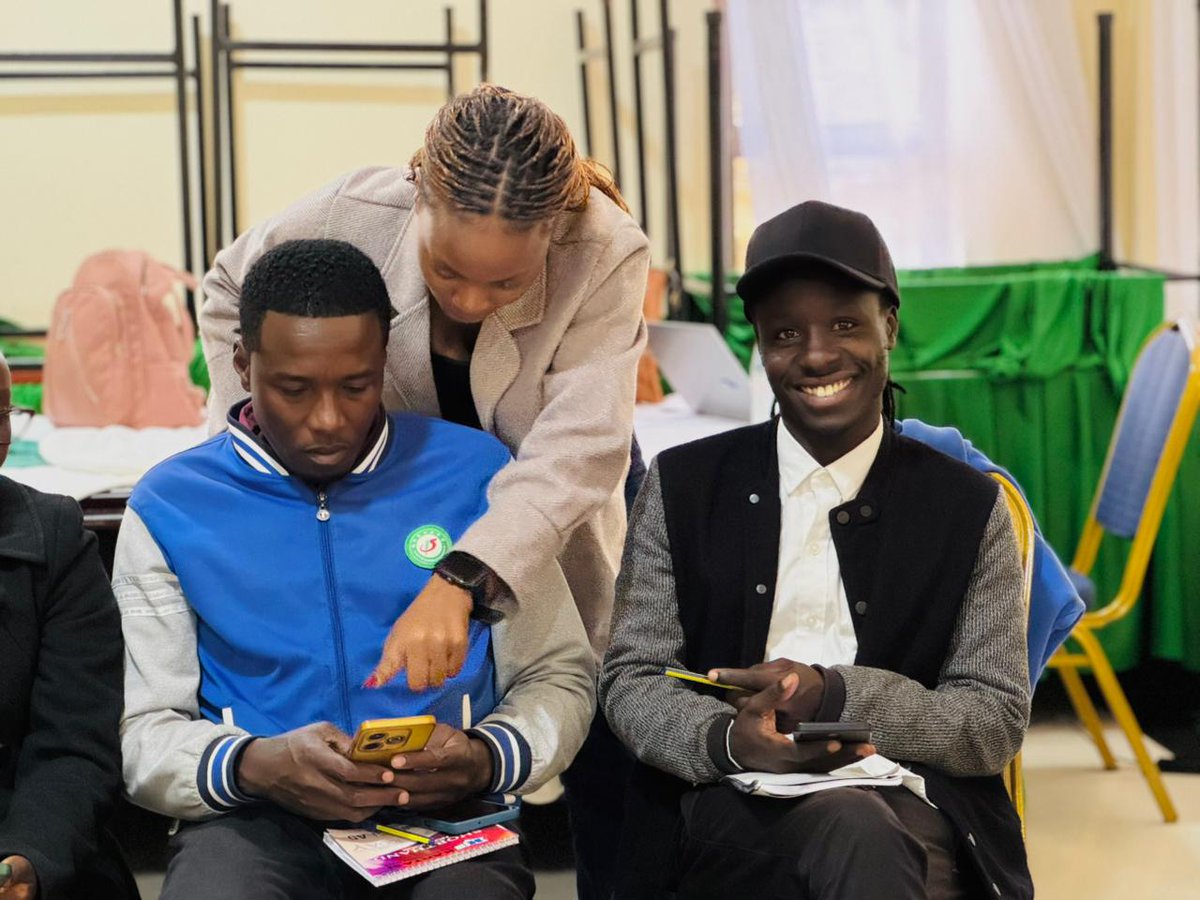
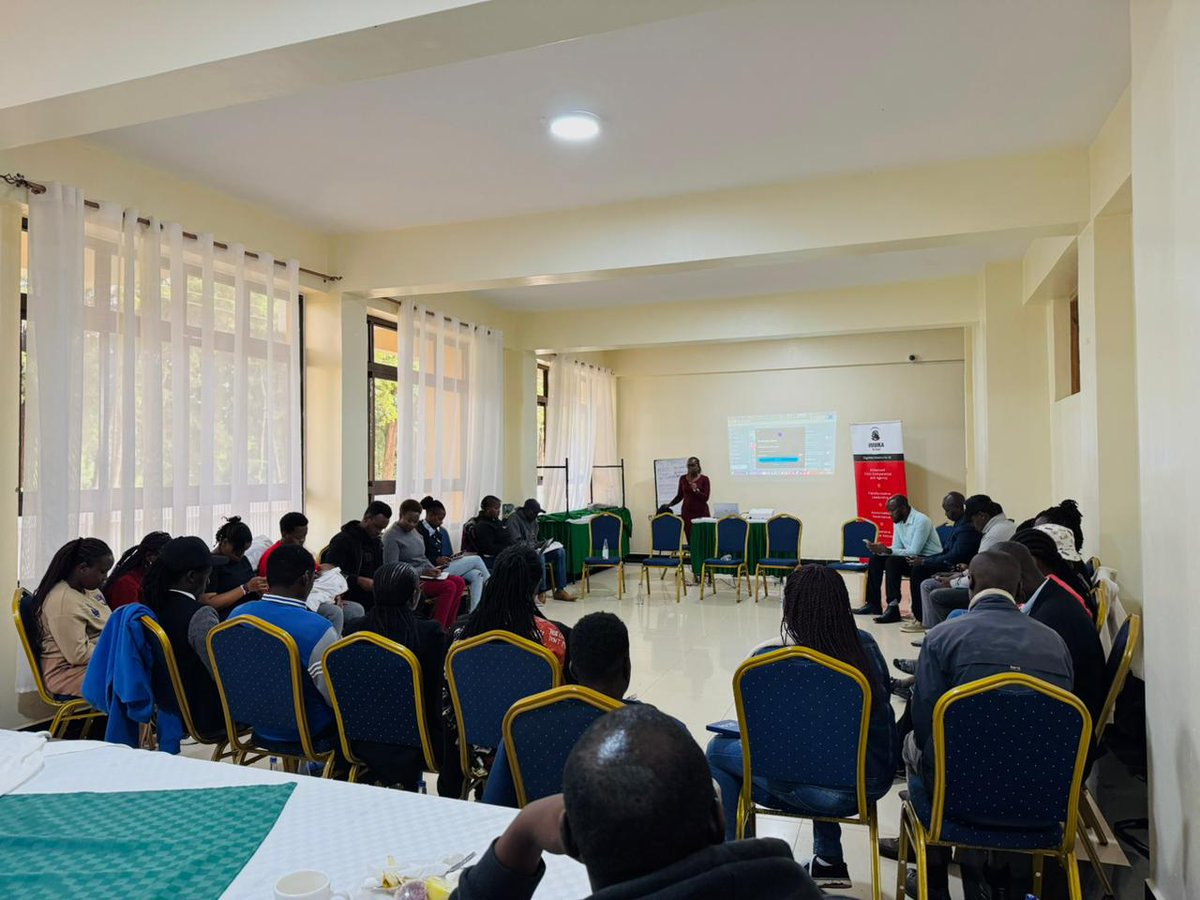
Today marks the final day of the transformative #MaskaniKericho training by Maskani ya Taifa, where young people have been equipped with practical skills in digital advocacy, narrative framing, digital security, and civic engagement to strengthen youth-led activism in Kericho County.
Day Three is kicking off with engaging conversations that are giving the youth of Kericho an opportunity to openly discuss issues affecting young people and communities across the county, including unemployment, governance, social justice, accountability, and community development. These discussions are creating a space for young people to share experiences, frame solutions, and build collective action for positive change.
Stay tuned for more insights and impactful conversations from #MaskaniKericho .
#ChangeNiSisi
Why are many educated and skilled youth in Kericho County still unemployed despite the county’s strong agricultural and business sectors? #MaskaniKericho#ChangeNiSisi
Are current county budgets and youth empowerment programs adequately addressing unemployment and enterprise development among young people? #MaskaniKericho#ChangeNiSisi
What role should the private sector, tea companies, and local businesses play in supporting youth employment and innovation opportunities in Kericho County? #MaskaniKericho#ChangeNiSisi
What practical steps can be taken to ensure youth have access to technical, digital, and entrepreneurial skills needed in today’s job market? #MaskaniKericho#ChangeNiSisi
What should be included in the Kericho County Youth Act to guarantee meaningful youth participation, economic inclusion, and accountability? #MaskaniKericho#ChangeNiSisi
The Lesonet and Koru Farm ECDE centres in Kunyak Ward, Kipkelion West Sub-County, Kericho County, highlight the long-term impact of poor planning and weak accountability in early childhood education infrastructure.
The projects were funded under the first county budget of devolution in FY 2014/2015. As some of the earliest county projects to be implemented, they were undertaken without proper structural plans, classroom specifications, or approved designs. Each classroom reportedly cost KSh 1 million at the time.
Substandard construction was widespread across similar projects in the county. While some facilities were later completed or rehabilitated, others were demolished entirely due to poor workmanship.
The Lesonet and Koru Farm classrooms were eventually condemned by the Ministry of Education and public health officials after being found to pose serious safety risks to learners. Following this, the facilities were abandoned, forcing children to continue learning in temporary timber-constructed classrooms.
Several efforts by the Kericho CSO Network to advocate for a safer and more suitable learning environment have reportedly received little response, with the county government remaining reluctant to act.
Although another allocation was made in FY 2018/2019, the county government later opted to relocate the project to other accessible areas within the ward, citing poor road access and the uphill location of the original site.
This case raises concerns about wasteful spending, inequitable development, and the continued neglect of vulnerable learners who remain without safe and dignified classrooms.
#StalledProjectsKE
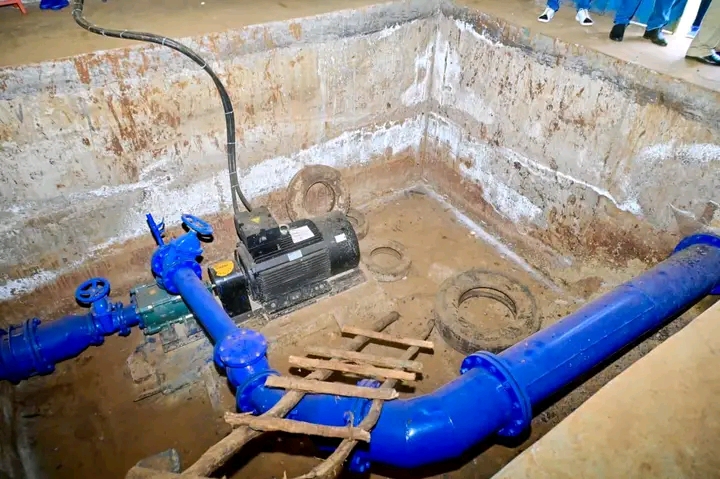
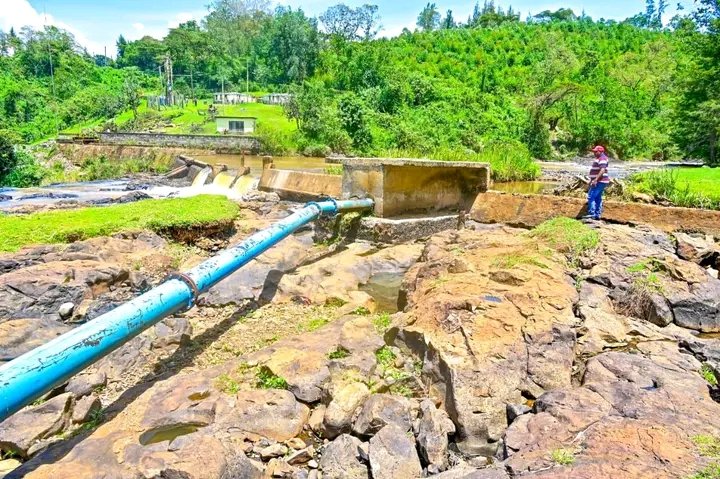
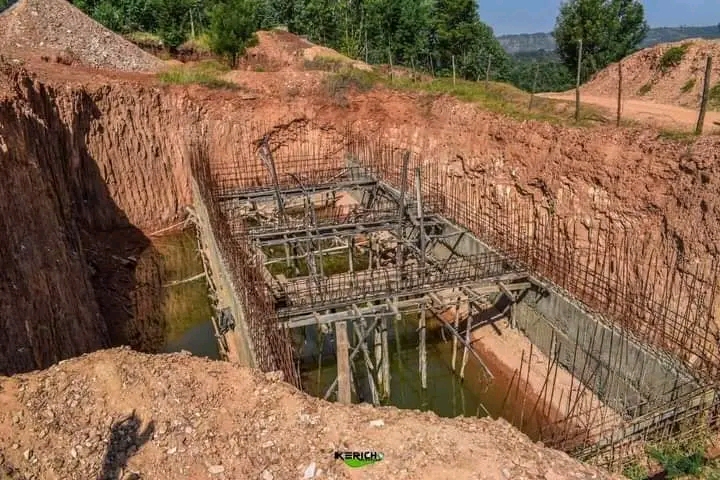
The Kipkobob Water Project in Chemosot Ward, Bureti Sub-County, Kericho County, was implemented with the intention of improving access to clean and reliable water for local residents. The project was funded to the tune of approximately KSh 123 million, a significant public investment aimed at addressing long-standing water challenges in the area.
However, despite the substantial allocation, the project has never delivered its intended benefit to the residents of Bureti. Communities continue to live without access to the water services that were promised, raising concerns about implementation, oversight, and project completion.
For residents, this means continued reliance on unsafe or inadequate water sources, despite millions already spent on a project meant to transform their daily lives. The gap between the investment made and the actual service delivered continues to widen, leaving communities questioning the effectiveness of public resource management.
When millions are allocated but communities see no impact on the ground, what explains the disconnect between funding and delivery of essential services?
#StalledProjectsKE
The Nyagacho–Satellite road in Kericho County remains in a deplorable condition for years, despite repeated complaints from residents who continue to rely on it daily.
Instead of visible construction or rehabilitation on the ground, communities say they are often presented with paperwork, assurances, and promises of action, while the actual road remains neglected and impassable in many sections.
According to local updates shared by area leadership, only a small portion of intervention has been proposed or secured, while key sections of the road network connecting Satellite, Matobo Primary, and Nyagacho Stage continue to deteriorate. For residents, this means ongoing transport challenges, unsafe travel conditions, and disruption of daily economic and social activities.
As frustration grows, the gap between promises on paper and reality on the ground continues to widen. Communities are left asking how long essential infrastructure can remain stuck in planning and paperwork while daily life is affected.
When citizens report, but nothing changes on the ground, what exactly is being delivered, development or documentation?
#StalledProjectsKE
The Roret Pineapple Plant in Kisiara Ward, Bureti Sub-County, Kericho County, was initiated during the tenure of Hon. Franklin Bett as Member of Parliament for Bureti between 2007 and 2013, through Constituency Development Funds.
Over time, additional allocations from both the National Government and Kericho County Government brought the total investment to approximately KSh 80 million, with the project intended to support value addition for pineapple farmers in the region.
However, nearly two decades (19 Years)since its inception, the facility has never processed a single pineapple. This has left farmers without the value addition support they were promised, despite significant public investment aimed at strengthening agricultural incomes and improving market returns.
The impact of this stalled project became even more evident during the COVID-19 period in 2020, when pineapple farmers in Bureti suffered severe losses, with prices dropping to as low as KSh 10 for a large pineapple. The absence of a functioning processing plant further deepened their economic vulnerability and highlighted the urgency of operationalising the facility.
Despite multiple interventions, including a visit by former Agriculture Principal Secretary Betty Maina and the formation of an eight-member task force to assess and report on the project’s status, little tangible progress has been achieved. The most recent reports indicate structural limitations, with concerns that the existing buildings may not support the required machinery for processing.
As years pass and millions remain tied up in an inactive facility, farmers continue to bear the cost of delayed implementation and unmet promises. How does a multimillion-shilling agricultural project remain non-operational for nearly two decades while farmers continue to suffer losses? #StalledProjectKE
The Kapkures Water Project in Kericho County’s Kipkelion West Sub-County (Chilchila Ward) was initiated as part of the Strategic Intervention Programme, with an allocated budget of KSh 87 million. It was intended to improve access to clean and reliable water for local communities, addressing a critical need in the area.
However, since its launch in 2017 under the first county administration, the project has faced persistent delays, slow implementation, and periods of abandonment. Despite the allocation of public funds, progress on the ground has remained inconsistent, leaving communities without the essential water services the project was meant to deliver.
Civil society actors have repeatedly raised concerns, including submitting petitions to push for accountability and completion of the project. Yet, these efforts have yielded minimal progress, highlighting gaps in responsiveness, oversight, and commitment to service delivery at the county level.
As years pass with little to show, the Kapkures Water Project reflects a broader challenge facing many locally funded initiatives: how can communities ensure that allocated resources translate into completed projects and tangible public benefit?
#StalledProjectsKE
Over the past three decades, Kenya has witnessed a growing pattern of stalled, delayed, and abandoned public projects, ranging from roads and hospitals to water systems, housing developments, and critical infrastructure. Despite significant public spending and repeated government commitments, many of these projects remain incomplete, non-functional, or in some cases, never took off at all.
While public investment is intended to drive development and improve livelihoods, the increasing number of stalled projects is raising serious concerns about accountability, value for money, and the effectiveness of public finance management systems.
The national conversation around stalled projects is steadily growing, particularly as audit reports, parliamentary findings, and investigative reports continue to reveal billions of shillings spent on projects that have failed to deliver. From dam projects like Arror and Kimwarer, to transport initiatives such as the SGR extension, and critical social infrastructure including hospitals and courts, the scale of incomplete projects reflects deeper systemic challenges.
For many Kenyans, stalled projects are not just statistics; they are lived realities. Communities continue to lack access to essential services such as healthcare, clean water, reliable transport, and economic opportunities. At the same time, public resources that could have transformed livelihoods remain tied up in incomplete or non-performing investments.
Yet citizens often have limited access to clear, timely, and transparent information on how these projects were approved, funded, and implemented. This lack of transparency makes it difficult to track responsibility, demand accountability, or ensure corrective action.
At the same time, concerns persist around weak procurement systems, poor contractor selection, budget constraints, political interference, and limited oversight. These gaps create an environment where projects can stall with minimal consequences, raising critical questions about governance, enforcement, and institutional responsibility.
The #StalledProjectsKE campaign is a citizen-driven initiative aimed at sparking informed public dialogue on stalled public projects, public finance accountability, and the responsible use of public resources. It seeks to empower citizens to question, engage, and demand answers on how development commitments are being implemented.
The campaign encourages Kenyans to interrogate the systems behind stalled projects and to ask critical questions:
1. Where did the money go?
2.Who approved these projects, and who is accountable for them?
3. Why are these projects still incomplete?
4. What mechanisms exist to recover lost funds or complete these projects?
5. How can citizens enforce accountability?
This campaign is not just about stalled projects; it is about restoring public trust, strengthening accountability systems, and ensuring that development is not only promised, but delivered.
Join us from 28th to 29th April, 2 PM to 4 PM, as we engage citizens across the country in the national campaign #StalledProjectsKE.
Together, let’s demand answers, amplify citizen voices, and push for accountability in the use of public funds. ✊🏾
#StalledProjectsKE
@ForCbo91876 (Voices for Justice CBO) showed up for Kaplelartet ward in Sigowet-Soin in Kericho County.
The Kiplelgutik Tea Buying Center had stalled but the community, led by young people, refused to stay silent.
They spoke and the area MCA Hon. Eric Bii (Maji) listened.
This is the power of citizen action.
When people speak, change happens.
#AmplifyingYouthVoices
Kudos!!
@DrErickMutai@Tweet_Kericho@kerichocountygv@kemei_justice@AssemblyKericho