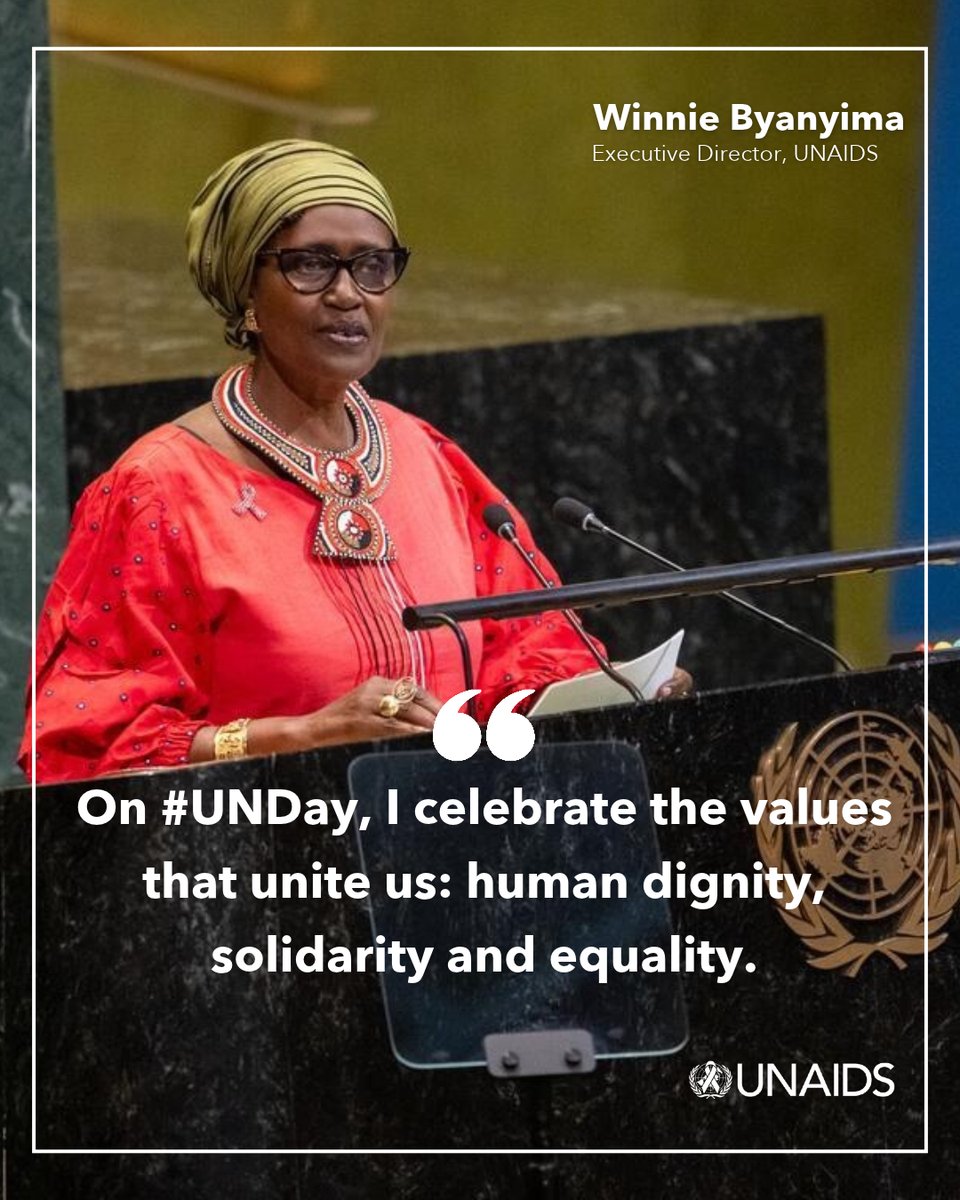
On #UNDay, I celebrate the values that unite us: human dignity, solidarity and equality.
Faced with extreme and widening inequality, the climate crisis and the dangers of unregulated AI, we need the @UN and international cooperation more than ever.
Our shared future depends on it!
The Pacific has the knowledge, the tools and more than 40 years of hard-won lessons from the global AIDS response.
What matters now is acting early.
Five UN regional leaders on what the Pacific can do to turn today’s warning signs into a turning point.
Read the joint op-ed in @ib_magazine_: https://t.co/DVIp3hkoav
#HIV #Pacific #EndAIDS
As UNAIDS prepares for the upcoming Special Session of the Programme Coordinating Board (PCB), the question is not simply how to make the Joint Programme more efficient, but how to ensure that its transformation strengthens the global HIV response.
At #WHS2026, Christine Stegling, Director of Management and Partnerships at UNAIDS, highlighted that UNAIDS accounts for just 0.5% of global HIV resources in low- and middle-income countries. Discussions about efficiencies and savings must be considered in this wider context.
Reform must address duplication while preserving the essential functions that UNAIDS provides: coordination, accountability and political advocacy for people living with HIV and those most at risk.
As PCB members consider the way forward, we must be clear about what needs to be protected, who will be responsible for delivering it, and how we will ensure that the transition strengthens support for countries and communities.
The measure of success must be a stronger, more accountable global HIV response — one that keeps us on track to end AIDS as a public health threat.
#PCBSpecial
Thank you @EGPAF for setting the record straight about pediatric HIV!
UNAIDS latest data shows that only 55% of all children living with HIV are receiving lifesaving treatment, far below the treatment coverage among adults living with HIV (79%). This is unacceptable. We must close the gap so that no child is left behind.
For more data on HIV: https://t.co/T25T7MOaay
Get the facts about pediatric HIV! EGPAF's Director of U.S. Public Policy and Advocacy, Kara Saleeby, is busting some common myths about pediatric HIV.
When we have the facts, we have the power to end AIDS.
Sources: @UNAIDS@unicef_aids
📢 #MediosDeComunicación | ¿Qué oportunidades tiene América Latina para ampliar la prevención del VIH?
🎙️ “Tenemos una brecha de inversión en prevención, y en prevención dirigida a las poblaciones que más lo necesitan”, advirtió Luisa Cabal a @CNNEE
https://t.co/iC0I22p3hp
UNAIDS plays a critical role in defending human rights and coordinating the HIV response, helping ensure that the rights of women living with HIV remain protected.
Mariana Iacono of ICW Latina explains why preserving UNAIDS’ mandate is essential for women living with HIV in Latin America and the Caribbean.
A strong HIV response depends on coordination, accountability and community leadership.
UNAIDS continues to bring communities, governments and partners together to influence policies, strengthen programmes.
HIV response must reach the people who need it most.
#SpecialPCB
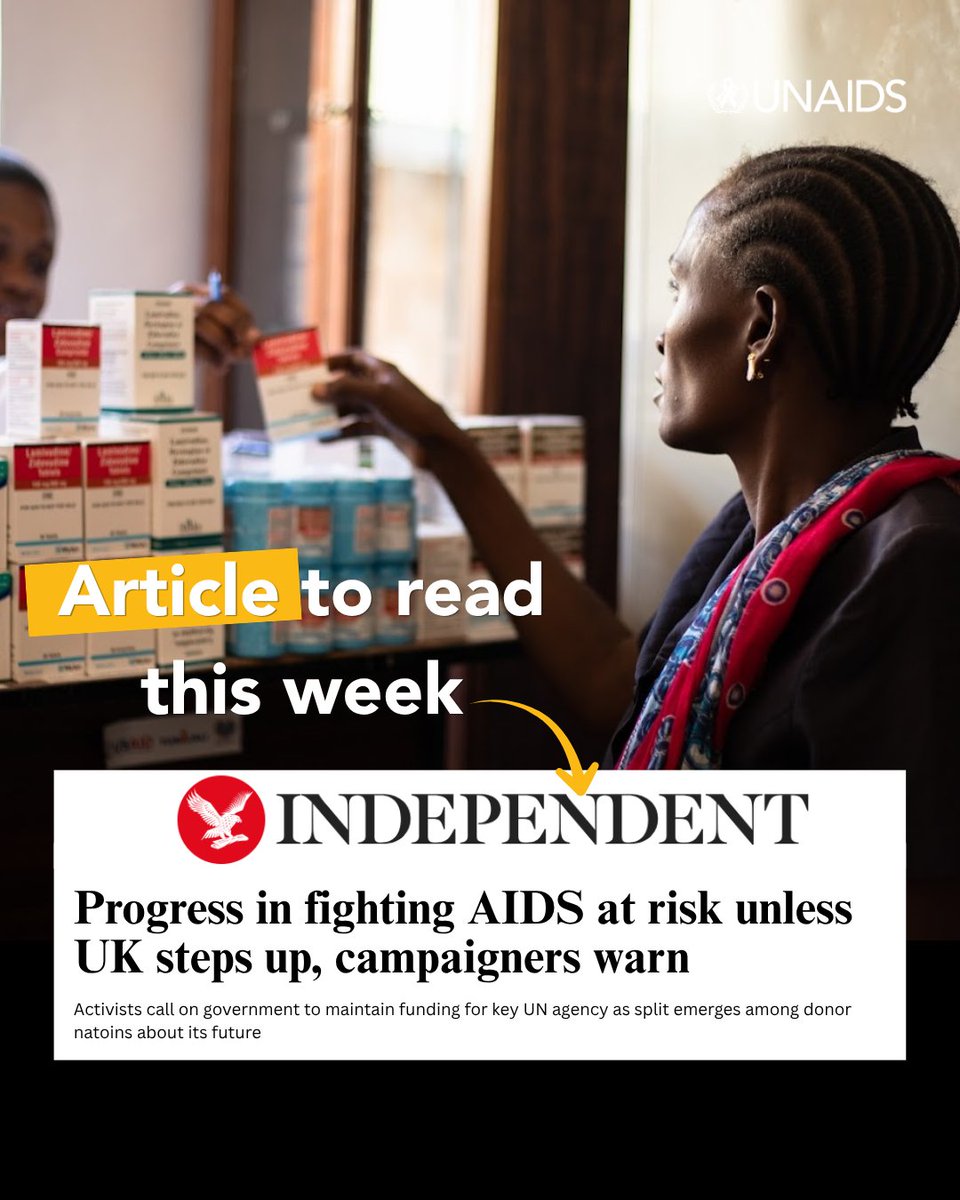
📰Article to read this week:
Activists are calling on continued funding for UNAIDS to protect hard-won progress against HIV.
In 2025, 41 million people were living with HIV, 1.2 million people acquired HIV and 570,000 people died from AIDS-related illnesses. Meanwhile, funding for HIV responses is at the lowest level in nearly two decades.
As UNAIDS transforms, sustained support is vital to protect progress, uphold human rights and keep communities at the heart of the response.
Read the full article: https://t.co/vpPE4C3wMv @Independent
Putting Communities First: Transforming HIV and SRHR Through Partnership in Rwanda
Rwanda’s HIV response is a global reference point, having reached remarkable milestones with adult targets now standing at 96-98-98. However, national averages can sometimes hide the people the system still misses.
In this compelling article, we highlight the impactful power of collaboration and partnership between the @RwandaNGOForum and @UNAIDSRwanda in putting key and priority populations, including FSW, MSM, transgender people, PWID/PWUD, people with disabilities, and AGYW, at the center of the HIV and SRHR response through Community-Led Monitoring (CLM), data-driven advocacy, and policy transformation.
Read the full article here: https://t.co/Lx4IsHu3ot
How can we better leverage community-led monitoring (CLM) and SRHR initiatives to reach the last mile and ensure no one is left behind in our health responses? Share your thoughts in the comments below and keep the conversation going.
#LetCommunityLead #EndAIDS2030 #KeyPopulations #HealthyAdolescentRw #HealthEquity
@RwandaHealth@RBCRwanda@nsanzimanasabin@JNdayizigiye@UNAIDS@WHORwanda@BrianChirombo@CMuvunyi@UNAIDS_ESA@RichardAmenyah@AndrewGasoziNtw@Knooliet@J_Umuhire@HDIRwanda@ImroRwanda@Sfrwanda1@FXBRwanda@TuyishimeAlbert@Rwanda_CCM@mwanaimable@DMbituyumuremyi@aflodiskagaba
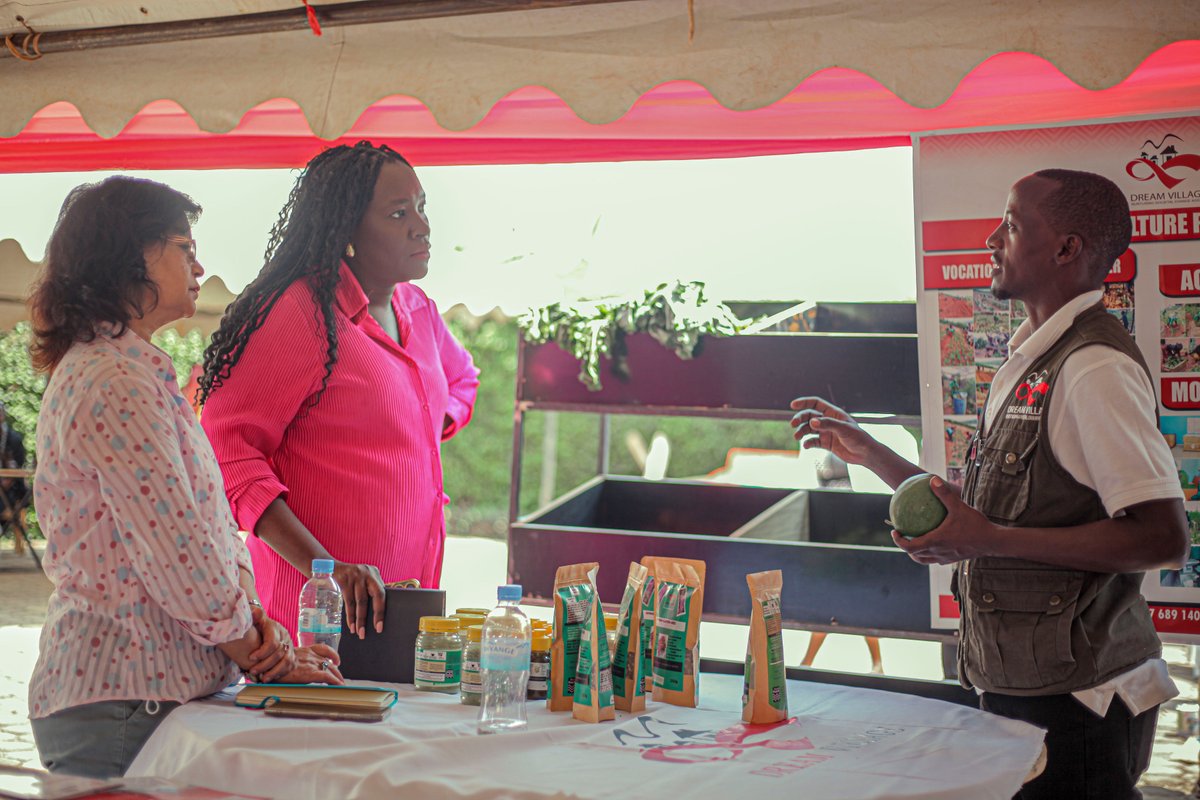
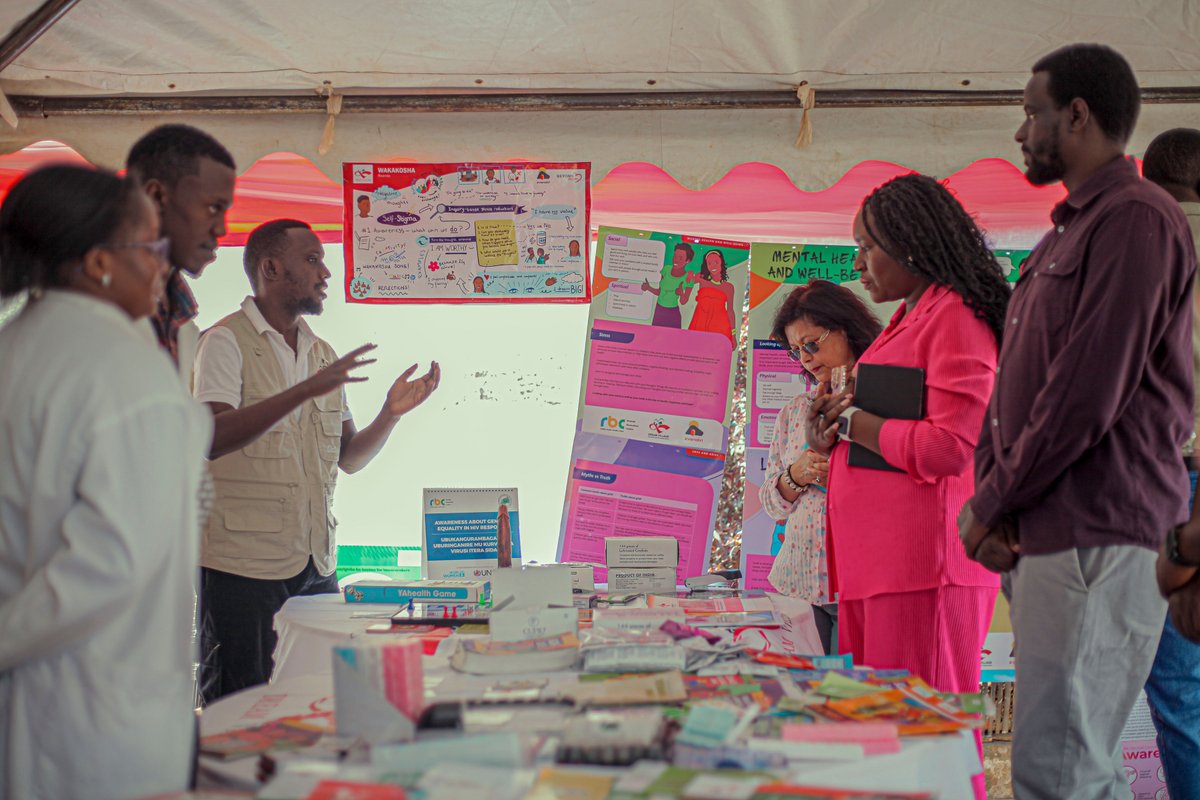
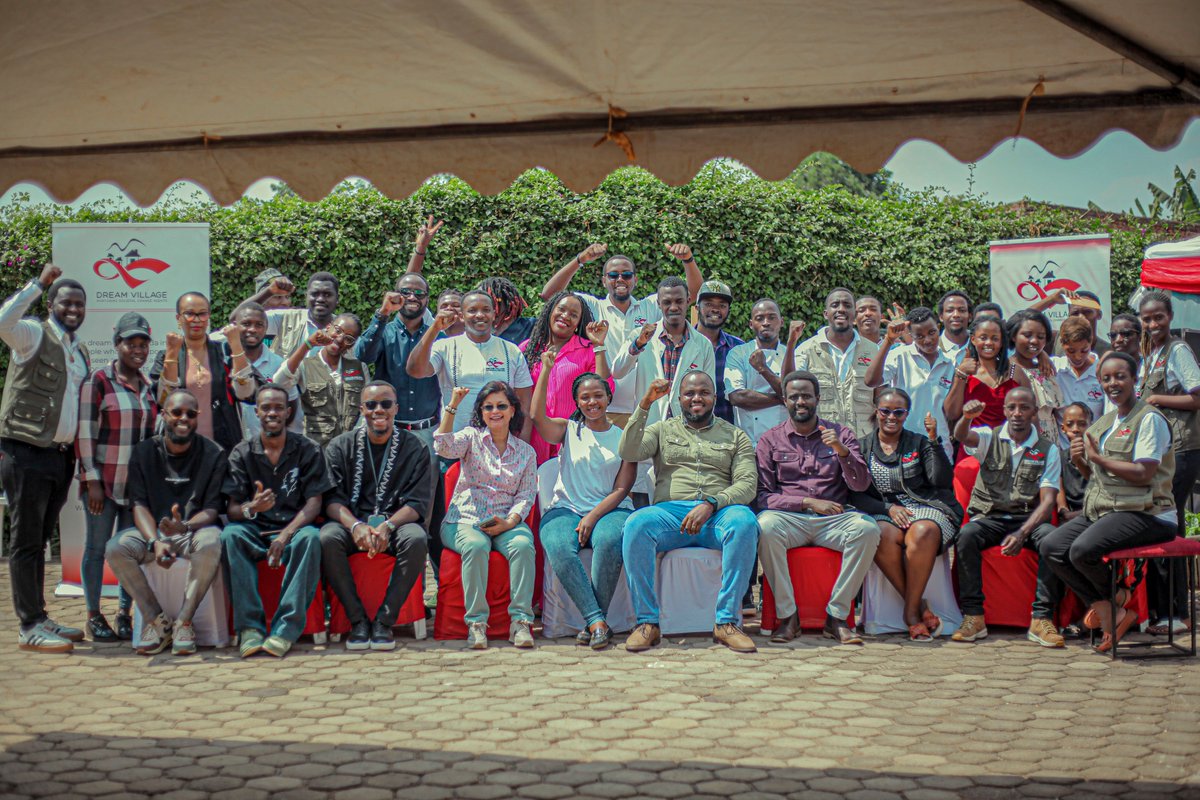
📍Today, Dream Village proudly welcomed @UNAIDS_ESA, @UNAIDSRwanda & @RwandaNGOsForum for a collaborative site visit in Kigali!
This marks a key milestone as we gear up for the Integrated SRHR & HIV Policy Review & Implementation project in Rwanda.
#2gether4SRHR#HIV#SRHR
Highlights from Mokhotlong. 🎥
A moment of unity as partners unveiled the sign for the China-Lesotho CIDCA Triple Threat Elimination Project, a collaboration for girls and young women in Lesotho.
#TripleThreatLesotho#AGYW
I welcome the UNGA's political declaration on pandemic prevention, preparedness & response. Now it's time to redefine preparedness: tackle the inequality fueling pandemics, and ensure that the benefits of science reach everyone. #PABS#InequalityEmergency
https://t.co/F2yVbno1sI
What people have constructed, people can change. So I leave Berlin 🇩🇪 hopeful. A healthier, fairer world is possible. But it will not happen by accident.
Here is what I brought and what I take home from this year's @WorldHealthSmt#WHS2026:
🔗 https://t.co/ZnwnuvieXu
📢We cannot end AIDS as a public health threat without making HIV prevention accessible to all.
Removing barriers and expanding access are essential to an effective HIV response. HIV prevention must meet people where they are.
UNAIDS helps keep the HIV response accountable: tracking progress against global targets, reporting annually on the data, and supporting countries to turn commitments to the 2026 Political Declaration into action.
Douglas Bosire, CEO of @nsdcc_kenya, reflects on how UNAIDS brings data, communities and political leadership together to sustain progress.
At #WHS2026, I spoke about the importance of global solidarity in an unequal world.
As some donors step back, my deep thanks go to 🇩🇪 Germany for stepping up its support for @UNAIDS and helping sustain the HIV response at a critical moment.
Today our largest office in the world is in Germany. 🙏🏾
We need more of this shared commitment if we want to end AIDS as a public health threat.
From crisis to resilience: the lessons we take from #WHS2026
Over the past days in Berlin, UNAIDS has joined global health leaders, governments, civil society and communities to reflect on what it will take to build more equitable and resilient health systems.
Our discussions reinforced three essential lessons.
🔹 Innovation must come with access. Scientific breakthroughs alone will not deliver health for all. We must change the rules that determine who benefits from medicines, technologies and scientific progress.
🔹 Equity is essential to resilience. Inequality drives pandemics, and pandemics deepen inequality. Human rights, community leadership and access to services must be at the centre of our response.
🔹 Reform must deliver for people. As the UN system evolves, success must be measured by whether countries receive better support and communities remain meaningfully involved in decisions. Human rights, accountability and community leadership must be deliberately protected and properly resourced.
The HIV response has shown that progress is possible when political commitment, community action and scientific innovation come together. It has also shown that progress cannot be sustained without confronting the inequalities and barriers that leave people behind.
As we leave Berlin, the challenge is clear: turn these lessons into action — so that innovation reaches everyone who needs it, countries can strengthen their health systems, and no one is excluded from the right to health.
30 years of the @UNBonn and a reminder of why being close to people matters!
#HIV remains a global challenge, but for millions it is also deeply personal.
At Bonn’s #UNDay Fair with @bundesstadtbonn, we heard firsthand why awareness, access to prevention and treatment, equality and the right to health still matter.
Together with partners worldwide, we continue working to #EndAIDS. #UnitedToEndAIDS
Matt Kavanagh, Director and Associate Professor at Georgetown University’s Center for Global Health Policy and Politics, and a member of the Global Council on Inequality, AIDS and Pandemics, highlights the opportunity presented by innovations such as lenacapavir and the importance of African leadership in turning scientific progress into accessible medicines.
Governments across Africa are working to strengthen pharmaceutical manufacturing capacity, harmonise regulatory pathways and mobilise the political leadership needed to accelerate access.
Building the capacity to fight the pandemics we face today is also how we prepare for the pandemics of tomorrow.