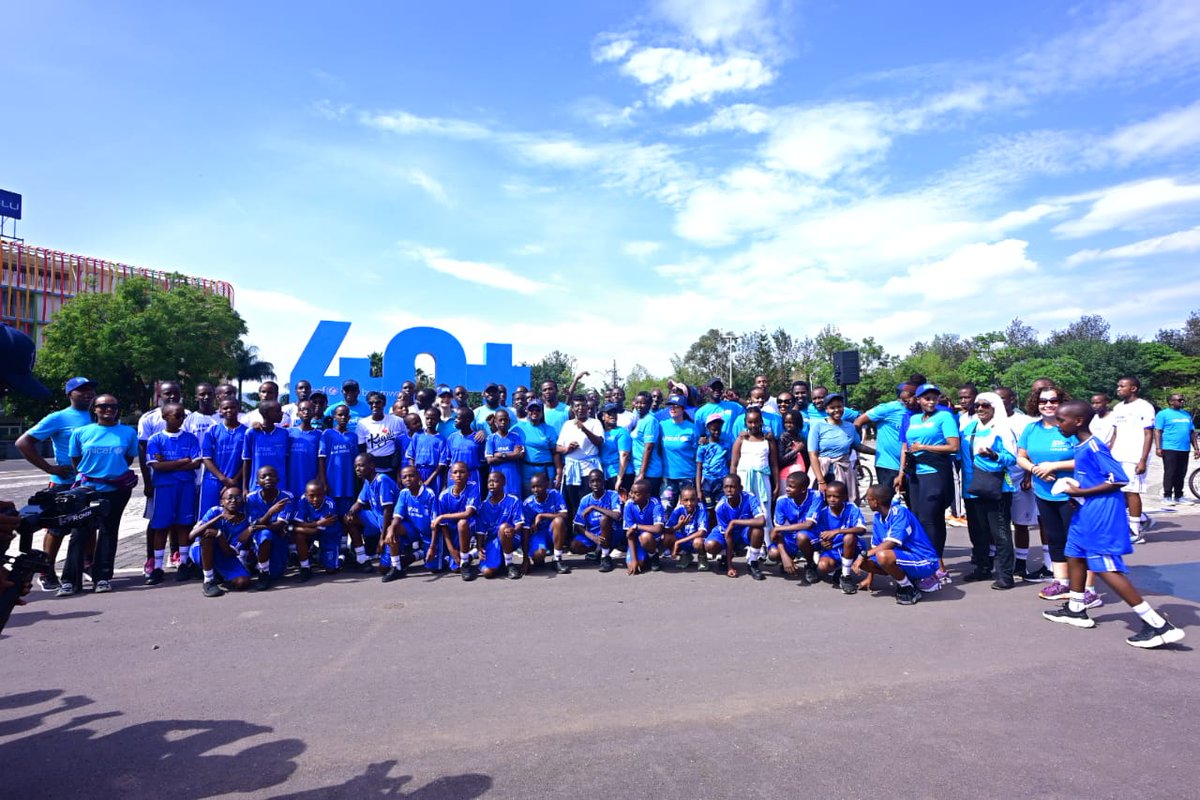
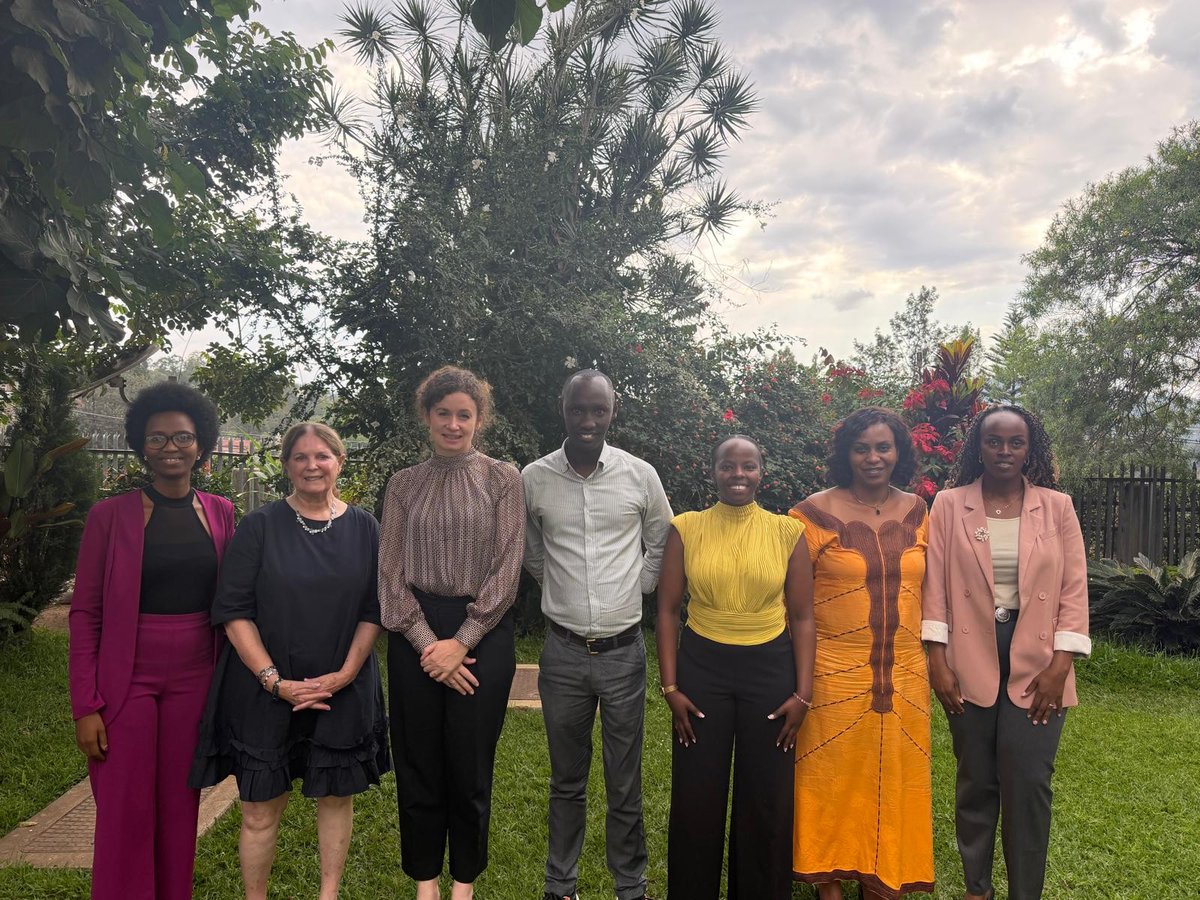
Two wheels, one shared purpose: celebrating 40 years of UNICEF Rwanda 💙
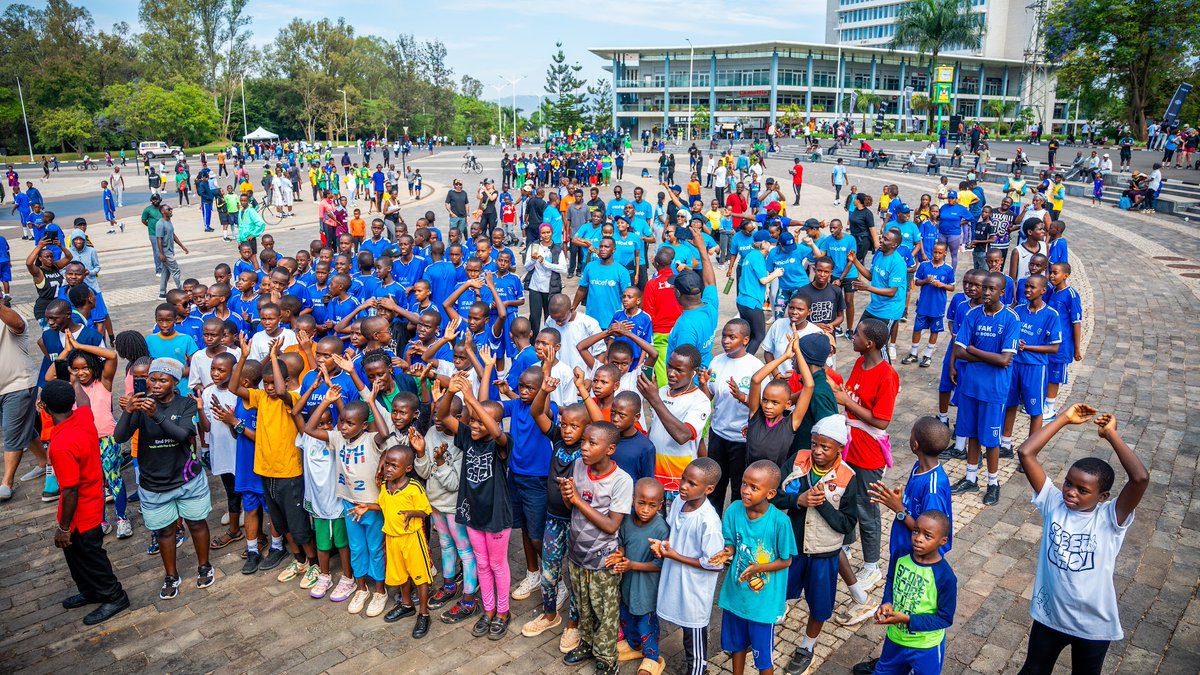
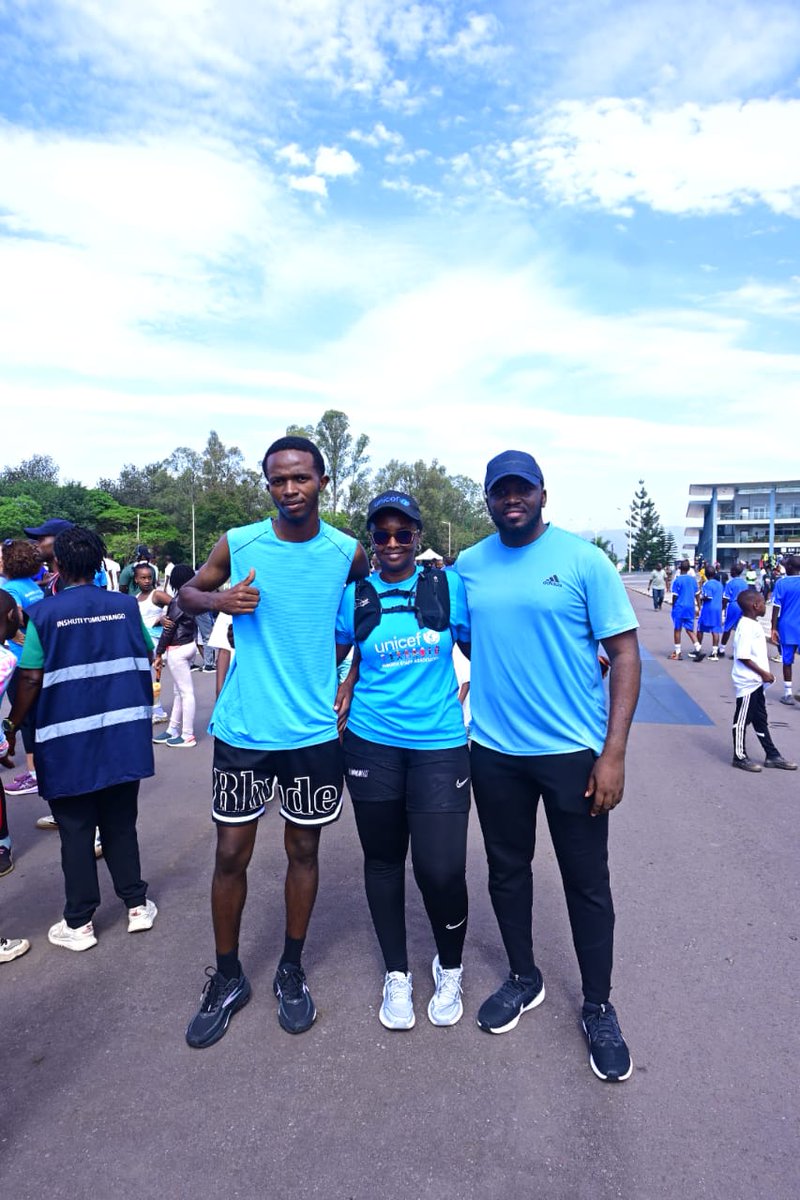
Yesterday, @RwandaNGOForum joined #KigaliResidents and @unicefrw for #CarFreeDay. The streets were full of people running, walking, cycling and moving together. This time, the reason was special: four decades of @unicefrw work for children and communities in Rwanda.
Forty years is a milestone worth celebrating. That is forty years of helping children grow up healthy, learn, eat well, stay safe and build resilience and of helping their families and communities thrive.
For @RwandaNGOForum , this partnership is real and current. Together with @unicefrw , we work on:
🔹 Promoting health for key populations
🔹 Outbreak prevention and preparedness
🔹 Risk Communication and Community Engagement (RCCE), working with Frontline Functionaries across the country.
Yesterday was a reminder that progress depends on collaboration. As we celebrate 40 years, we are building on the partnerships we’ve created and the results we’ve achieved together. We also want to use what we’ve learned to shape the next generation of community-led interventions.
Happy 40th, @unicefrw ! Here’s to the next 40 years of putting every child and every community first. 🎉
#ForEveryChild #KuriBuriMwana #Partnership
Dr Sabin Nsanzimana (@nsanzimanasabin), Minister of Health of Rwanda, will speak at #CPHIA2026.
Rwanda’s work to improve healthcare and prepare for health emergencies is part of the wider effort to protect communities and build a healthier Africa.
Join us in Addis Ababa, Ethiopia, from 23–27 November 2026.
🔗 Register: https://t.co/C2850qoxL5
#AfricaReady #AfricaCDC
Vidéo: S.E. la Première Dame, Mme Jeannette Kagame, a accueilli SAR la Princesse Lalla ASMAA du Maroc dans le cadre d’une visite consacrée au partenariat en faveur de la santé auditive et de l’inclusion | Kigali, 26 octobre 2026
🧠Mental health matters.
To mark Mental Health Month, yesterday, our team took time yesterday to pause, reflect and learn with specialists from @kfaisalhospital.
An insightful session, with real tips on managing stress, recognising depression and staying mentally well.
In 2026, following a May 2025 assessment, Rwanda’s National Tuberculosis (TB) Reference Laboratory in Kigali was designated a @WHO Supranational Reference Laboratory (SRL), making it #Africa's 5th fully operational SRL and the 33rd globally.
This recognition strengthens Rwanda’s role in advancing high-quality TB diagnosis and improving the region’s response to the disease.
As part of the WHO SRL network, #Rwanda will expand its technical support to countries across the region, building on its work with #Comoros and #Madagascar.
The designation also opens doors to stronger scientific collaboration, research, and access to new technologies, helping build laboratory capacity and improve #TB diagnosis and care across Africa.
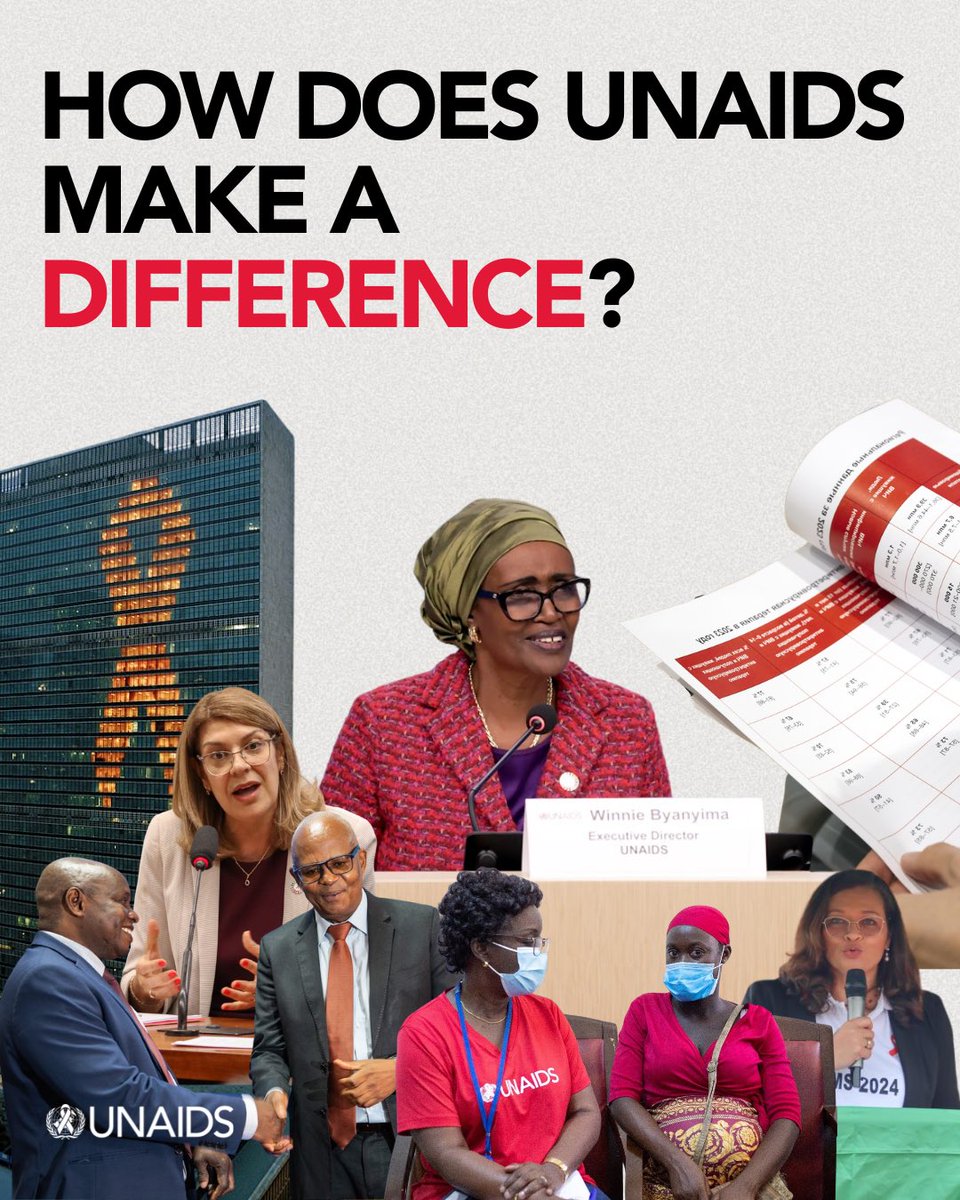
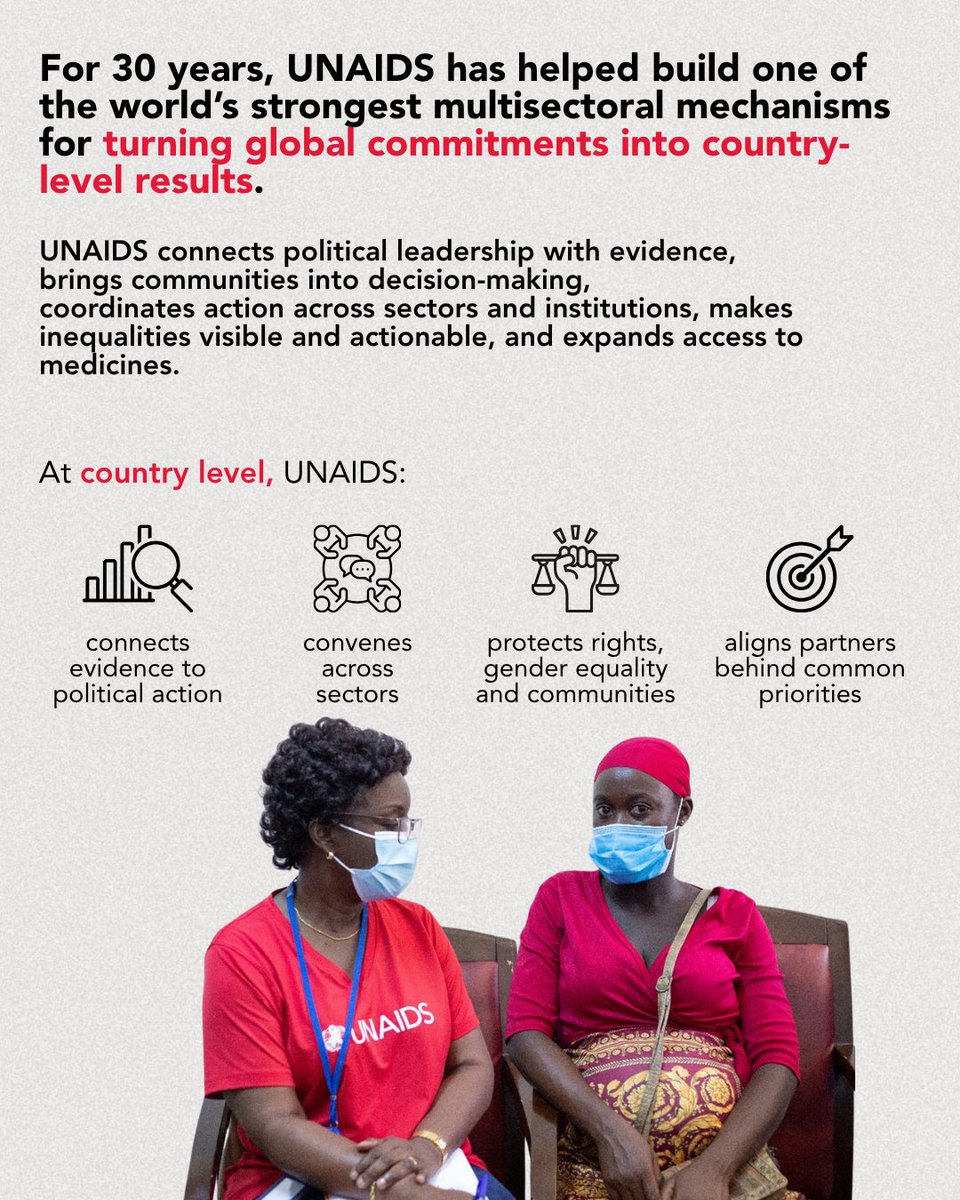
For 30 years, UNAIDS has helped turn global commitments into action and bring communities to the heart of the HIV response.
What has UNAIDS meant to you or your community?
#UNAIDS#SpecialPCB
Putting Communities First: Transforming HIV and SRHR Through Partnership in Rwanda
Rwanda’s HIV response is a global reference point, having reached remarkable milestones with adult targets now standing at 96-98-98. However, national averages can sometimes hide the people the system still misses.
In this compelling article, we highlight the impactful power of collaboration and partnership between the @RwandaNGOForum and @UNAIDSRwanda in putting key and priority populations, including FSW, MSM, transgender people, PWID/PWUD, people with disabilities, and AGYW, at the center of the HIV and SRHR response through Community-Led Monitoring (CLM), data-driven advocacy, and policy transformation.
Read the full article here: https://t.co/Lx4IsHu3ot
How can we better leverage community-led monitoring (CLM) and SRHR initiatives to reach the last mile and ensure no one is left behind in our health responses? Share your thoughts in the comments below and keep the conversation going.
#LetCommunityLead #EndAIDS2030 #KeyPopulations #HealthyAdolescentRw #HealthEquity
@RwandaHealth@RBCRwanda@nsanzimanasabin@JNdayizigiye@UNAIDS@WHORwanda@BrianChirombo@CMuvunyi@UNAIDS_ESA@RichardAmenyah@AndrewGasoziNtw@Knooliet@J_Umuhire@HDIRwanda@ImroRwanda@Sfrwanda1@FXBRwanda@TuyishimeAlbert@Rwanda_CCM@mwanaimable@DMbituyumuremyi@aflodiskagaba
🇷🇼’s progress towards the 96-98-98 HIV targets is a powerful demonstration of what can be achieved through strong political leadership, community engagement, science, partnership, and coordinated national actions. This progress would not have been possible without sustained investment in the national HIV response and the meaningful engagement of communities and community-led organizations.
Community-led organizations have been and remain the backbone of 🇷🇼’s #HIV, #TB and #Malaria response. They bring services closer to people, particularly vulnerable and high risk populations; strengthen linkages to prevention, testing, treatment and care; advocate for human rights, fight stigma and discrimination; and generate community-level evidence that helps decision-makers identify gaps and improve the quality and responsiveness of the HIV, TB and Malaria response.
Importantly, 🇷🇼's communities have demonstrated strong resilience despite a rapidly changing and increasingly constrained international funding landscape. However, resilience should not be interpreted as an alternative to sustainable financing.
⏩⏩ If we are serious about ending AIDS as a public health threat by 2030, we must sustain the systems that enable communities to remain active, informed and connected to the health response.
This is where Community-Led Monitoring (CLM), particularly 🇷🇼’s integrated CLM model and System (#iCLM), is strategically important. It provides a people-centred mechanism for communities to systematically collect, analyze and use real-time evidence on the Accessibility, Availability, Acceptance, Quality, and Responsiveness of health services.
⏩⏩ By connecting community experiences with facility level performance and national decision-making, #iCLM strengthens accountability and enables evidence-based course correction.
So, it is high time to build on this opportunity for iCLM platform by integrating HIV, TB and Malaria with other health priorities, including #NTDs #SRHR #NCDs, #MentalHealth, #Climate related health risks and Pandemic Preparedness, Prevention and Response (#PPPR).
⏩⏩ Such integration will reduce fragmentation, strengthen community surveillance and feedback mechanisms, improve the use of resources and establish a more resilient community health information architecture.
Key Note:
The science and the tools are available. What is needed now is:
✅ Sustained solidarity, predictable financing and strong community systems to translate evidence and innovation into lasting health outcomes
#LetCommunityLead #HealthForAll #EndAIDS2030 #HealthyAdolescentRw #HealthEquity
@RwandaHealth@RBCRwanda@nsanzimanasabin@JNdayizigiye@Rwanda_CCM@CMuvunyi@TuyishimeAlbert@DMbituyumuremyi@BrianChirombo@WHORwanda@AndrewGasoziNtw@RichardAmenyah@Winnie_Byanyima@UNAIDS_ESA@ITPCglobal@TheENDFund@EugeneRuberanz2@BGakire@RwandaLocalGov@GlobalFund@unicefrw@LiekevandeWiel@PMudakikwa@Sfrwanda1@FXBRwanda@ImroRwanda@medsar_rwanda@edrwagasore@ikuzo_basile@CsdiCommunity@ASOFERWA2@ABA_Rwanda@unwomenrwanda@UNFPARwanda@expertisefrance@rani_action@eannaso@AHFcares@ahfrwanda@rangira_lambert@EUinRW@UKinRwanda@SwedeninRW@Louisalejandro@WB_Rwanda@WACIHealth@Itairusike@HFFG_Ghana@CS4MEglobal@ALMA_2030
Putting Communities First: Transforming HIV and SRHR Through Partnership in Rwanda
Rwanda’s HIV response is a global reference point, having reached remarkable milestones with adult targets now standing at 96-98-98. However, national averages can sometimes hide the people the system still misses.
In this compelling article, we highlight the impactful power of collaboration and partnership between the @RwandaNGOForum and @UNAIDSRwanda in putting key and priority populations, including FSW, MSM, transgender people, PWID/PWUD, people with disabilities, and AGYW, at the center of the HIV and SRHR response through Community-Led Monitoring (CLM), data-driven advocacy, and policy transformation.
Read the full article here: https://t.co/Lx4IsHu3ot
How can we better leverage community-led monitoring (CLM) and SRHR initiatives to reach the last mile and ensure no one is left behind in our health responses? Share your thoughts in the comments below and keep the conversation going.
#LetCommunityLead #EndAIDS2030 #KeyPopulations #HealthyAdolescentRw #HealthEquity
@RwandaHealth@RBCRwanda@nsanzimanasabin@JNdayizigiye@UNAIDS@WHORwanda@BrianChirombo@CMuvunyi@UNAIDS_ESA@RichardAmenyah@AndrewGasoziNtw@Knooliet@J_Umuhire@HDIRwanda@ImroRwanda@Sfrwanda1@FXBRwanda@TuyishimeAlbert@Rwanda_CCM@mwanaimable@DMbituyumuremyi@aflodiskagaba
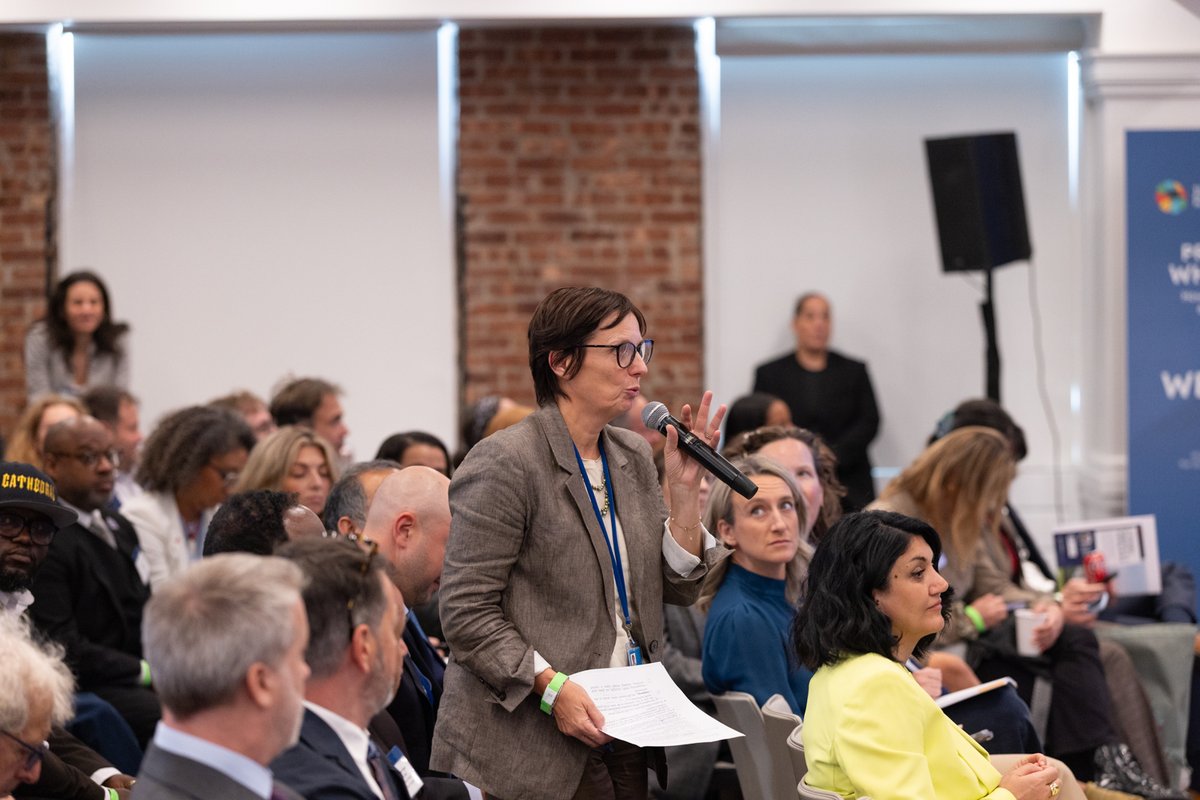
At the margins of #UNGA81, Rwanda, Armenia and @Pandemic_Fund brought together global health leaders for a conversation guided by @ForeignPolicy.
Minister of State @YvanButera shared Rwanda’s experience, highlighting coordinated responses, action guided by science and data, community-centred approaches and sustained financing to strengthen preparedness and health-system resilience.
For Rwanda, health security is everyday work — strengthening institutions, keeping teams ready and building systems that can anticipate and respond to emerging threats.
🥕🌱Harvesting season is here! Amahoro women Cooperative farmers supported by #SFR & #HHN in @HuyeDistrict are bringing thr hard work to the harvest. With promising carrots & an-estimated 3–4 tonnes/ha,the season opens exciting opportunities at RWF 600/kg the current market price
New York #UNGA81: As Member States gather this Friday, September 25, for the second UN High-Level Meeting on Pandemic Prevention, Preparedness and Response (PPPR),
⏩⏩ Friends of the PPPR HLM urge them to set the stage to adopt the Political Declaration.
Member States have spent months negotiating the declaration. As the main focus and outcome of the meeting, it lays a foundation for collective commitments and action in the years ahead. Adopting it sends a strong signal of political commitment that recognizes tackling pandemic threats requires collective action in the common interest.
In a decade in which #COVID19 caused at least 22 million excess deaths, and in a year in which the fastest-growing Ebola outbreak on record has killed some number of people (3,600) and infected 7,600, such commitment is both a public health and a moral imperative.
⏩⏩ The Friends of the PPPR HLM again call on Member States to uphold the promise of "never again." Use the opportunity of the High-Level Meeting to express full support to the Political Declaration and make measurable commitments to ensure that #COVID19 is the last devastating pandemic.
“This Political Declaration should be considered the floor, and not the ceiling of what needs to be done to make the world safer from pandemic threats, not the least of which is the conclusion, ratification and implementation of the @WHO Pandemic Agreement.” said Helen Clark, Co-Chair of The Independent Panel, Member of The Elders, and Co-convenor of Friends of the PPPR HLM.
@rani_action@aggrealuso@Pandemic_Fund@RwandaHealth@nsanzimanasabin@CMuvunyi@BrianChirombo@WHORwanda@AndrewGasoziNtw@UNAIDS@IOMRwanda@WorldBankGroup@GFAN_Africa@GlobalFund@UNAIDS@theGFF@AU_AMA_@AfricaCDC@NEPAD_Agency@DrTedros@rosemarymburu@Itairusike@TheENDFund@RockefellerFdn@edrwagasore@DrAdelakin@TuyishimeAlbert@semakulam@HindHassan_@RwandaNGOForum@Sfrwanda1@ImroRwanda@sfhRwanda@Imbuto@asdo_rwanda@mukacresce1
At #UNGA81 in New York, Dr Wessam Mankoula, Africa CDC Director of Emergency Preparedness and Response, joined global health leaders for Prepared for What’s Next: How Country Investments are Powering Global Health Resilience, hosted by the Pandemic Fund and the Governments of Armenia and Rwanda, with Foreign Policy as official media partner.
In conversation with Andrew Sollinger, CEO and Publisher of Foreign Policy, Dr Mankoula drew on lessons from COVID-19, mpox and the ongoing Ebola response to highlight what preparedness requires: stronger national capacity, effective regional coordination and financing that reaches the front line quickly.
Countries need strong surveillance, laboratories, community health workers and cross-border systems that can detect and contain threats early. During emergencies, coordination must also be built around one team, one plan, one budget and one accountability framework.
“Our job is to become jobless. Success is when countries have the capacity to manage emergencies themselves.” — Dr Wessam Mankoula, Director of Emergency Preparedness and Response, Africa CDC
Strong national systems, backed by regional coordination and global solidarity, are the foundation of lasting health security.
#AfricaCDC #UNGA81 #HealthSecurity #PandemicPreparedness #EbolaResponse
————
À New York, en marge de la #UNGA81, le Dr Wessam Mankoula, Directeur de la préparation et de la riposte aux urgences à Africa CDC, a participé à la rencontre Prepared for What’s Next: How Country Investments are Powering Global Health Resilience, organisée par le Pandemic Fund et les gouvernements de l’Arménie et du Rwanda, avec Foreign Policy comme partenaire média officiel.
Lors d’un échange avec Andrew Sollinger, CEO et Publisher de Foreign Policy, le Dr Mankoula s’est appuyé sur les enseignements de la COVID-19, du mpox et de la riposte actuelle à Ebola pour mettre en avant les priorités : renforcer les capacités nationales, consolider la coordination régionale et permettre aux financements d’atteindre rapidement le terrain.
Les pays ont besoin de systèmes solides de surveillance, de laboratoires, d’agents de santé communautaires et de capacités transfrontalières capables de détecter et contenir les menaces rapidement. En situation d’urgence, la coordination doit également reposer sur une seule équipe, un seul plan, un seul budget et un seul cadre de redevabilité.
« Notre objectif doit être de ne plus être indispensables. Le succès, c’est lorsque les pays disposent des capacités nécessaires pour gérer eux-mêmes les urgences sanitaires. » — Dr Wessam Mankoula, Directeur de la préparation et de la riposte aux urgences, Africa CDC
Des systèmes nationaux solides, soutenus par une coordination régionale efficace et une solidarité mondiale, sont au cœur d’une sécurité sanitaire durable.
WATCH:
Prime Minister Dr. Justin Nsengiyumva has told the 81st UN General Assembly that the international system must adapt to today’s challenges and deliver results that matter.
He reaffirmed Rwanda’s support for diplomatic efforts to resolve the conflict in eastern DRC and called for a political solution addressing its root causes.
#RBANews
At #UNGA81, leaders gathered for “Addressing the Global Inequality Crisis: A High-Level Event on an International Panel on Inequality”, to discuss the proposal for an International Panel on Inequality (IPI).
For UNAIDS Executive Director Winnie Byanyima, the conversation builds on years of work connecting inequality with health and pandemics. She convened the Global Council on Inequality, AIDS and Pandemics, established by UNAIDS in 2023, and is a Founding Committee member of the proposed IPI.
Summing up the discussion, Ms Byanyima said she left the meeting with “a strong sense of hope.”
Participants highlighted how inequality is shaped not only by national policies, but also by international systems — including debt, taxation and global economic governance — as well as historical inequalities.
A recurring message was the need for better science, data and evidence to understand inequality, track its drivers and consequences, and support policymakers.
The event brought together support from countries and organizations across regions for an IPI that could organize, synthesize and assess evidence on inequality and help inform policy.
As @Winnie_Byanyima concluded:
“Inequalities undermine human dignity, take away the right to health, the right to education, the right to social progress.”
The proposed IPI would build on this evidence to support action towards the promise of the UN Charter and the 2030 Agenda to leave no one behind.
At #UNGA81, UNAIDS Executive Director @Winnie_Byanyima spoke at the NUS–Lancet PRIME Commission Report launch “Transforming Pandemic Readiness for Equity” highlighting key lessons from the HIV response for future pandemics:
✅ Community-led responses are essential, with communities delivering & monitoring services.
✅ Inequalities in access to technology costs lives.
✅ Pandemic preparedness requires an approach broader than health.