Land is arguably one of the most legislated issues in Uganda, this makes Parliament important to lead resolutions aimed at ensuring harmonized land management.
🚨 TO ALL LAND OWNERS The following reported their titles either LOST, STOLEN or MISPLACED during the month of March 2026 and therefore requested SPECIAL TITLES to replace those that were lost. If you have any queries, our DM is open. Kindly Retweet!
1/4
HIGHLIGHTS | A major boost for urban development: Hon. @JudithNabakoob1, Minister of @ministry_lands, announced that Uganda has secured @WorldBankGroup approval of $540M (about UGX 2.1 trillion) for @Usmid_AF Phase II.
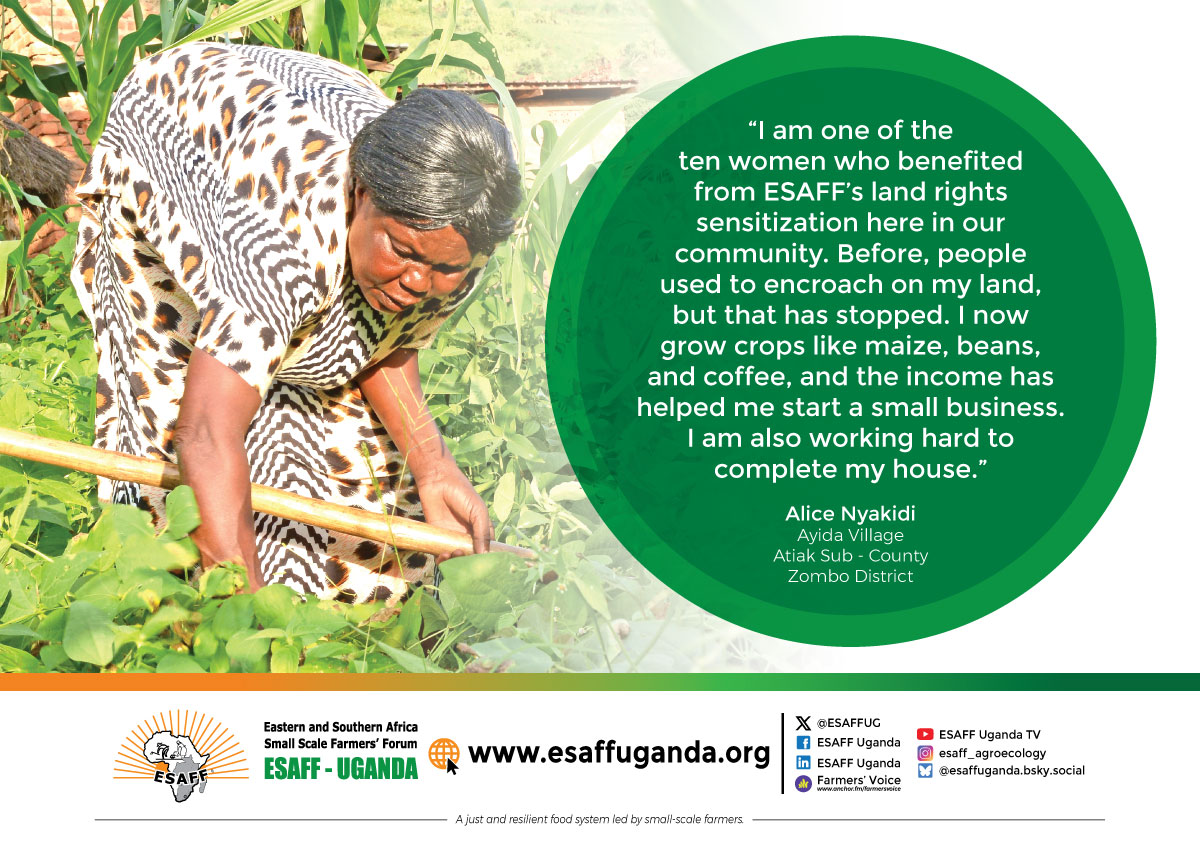
In areas under customary land tenure systems, land registration is often overlooked. However, obtaining a Certificate of Customary Ownership (CCO) strengthens tenure security and enables access to financial services, fostering economic empowerment.
Through our collaborative intervention with @ministry_lands, and with support from @OxfaminUganda, we facilitated households in the districts of Arua and Zombo to register their land and acquire CCOs, enabling them to access financing for business development.
#LandRightsSupportCenter
#SecureLandRights4All
The Chairperson of the Uganda Parliamentarians Land Management Forum, Hon. @ChristineKaaya, points out the need to amplify discussions on land governance, dispute resolution and policy.
She also urges responsible entities to counter backlog on land advocacy.
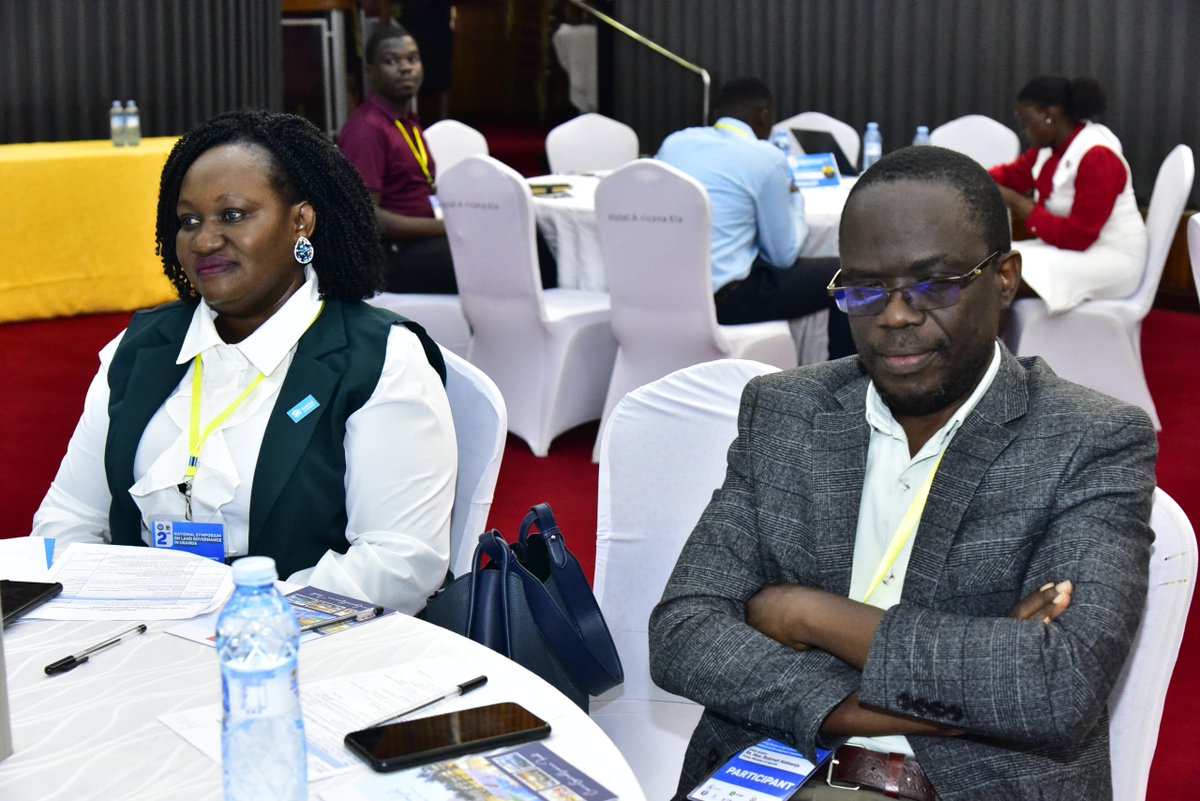
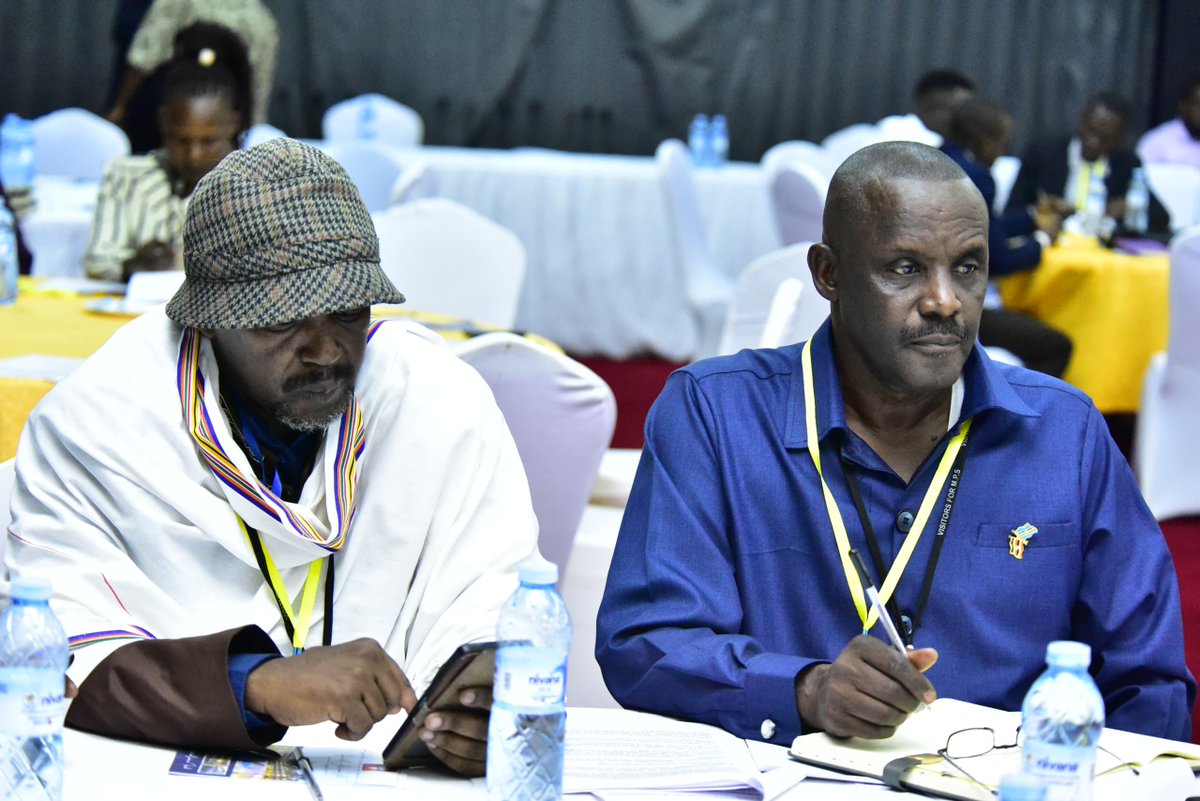
Development partners during the 2nd National Symposium on Land Governance with Minister, Judith Nabakooba at @Parliament_Ug Conference Hall organized by @UplMf
The ED @OxfaminUganda Mr. @ShantyFrancis says "Securing women's land rights is not just about property- it is about power, dignity, and the future of our communities and the food that sustains the population is produced by women".
@OxfaminUganda@Parliament_Ug
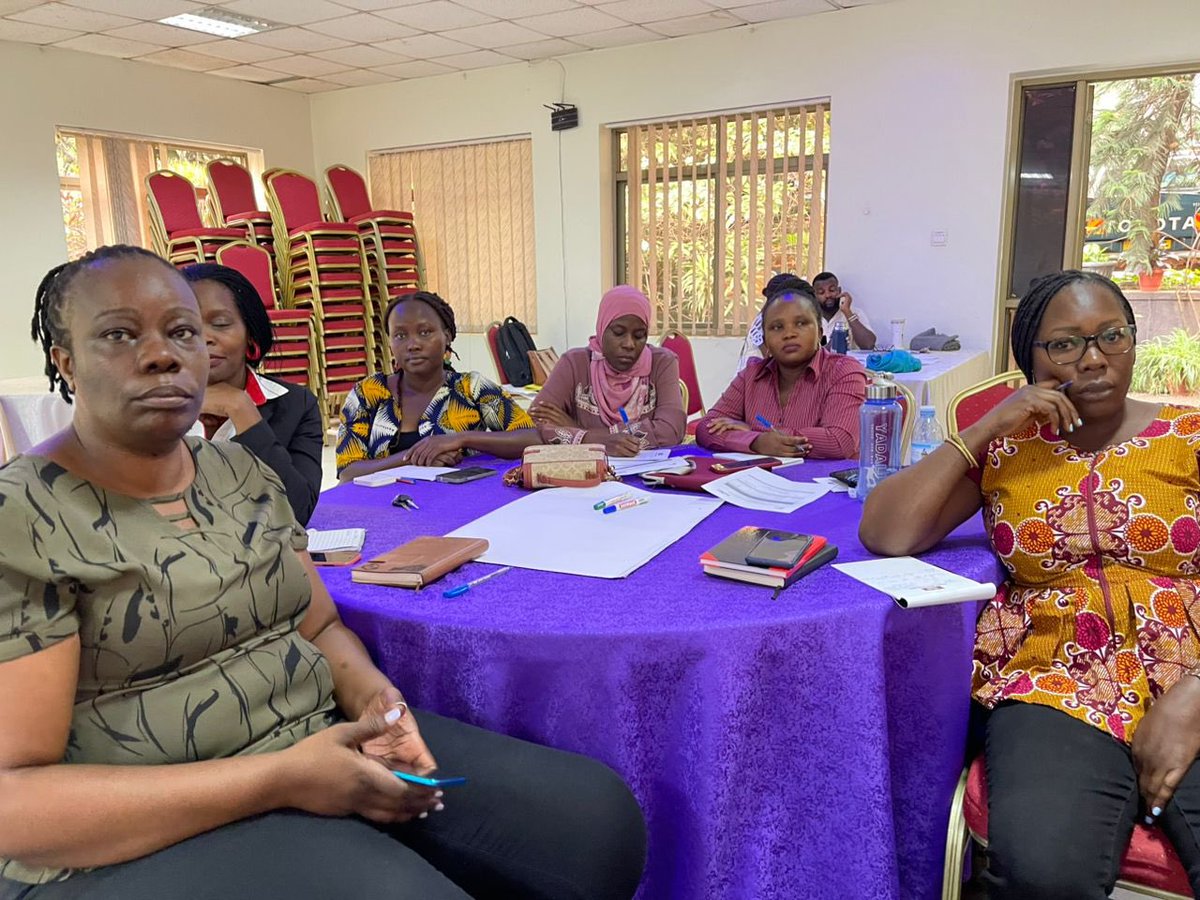
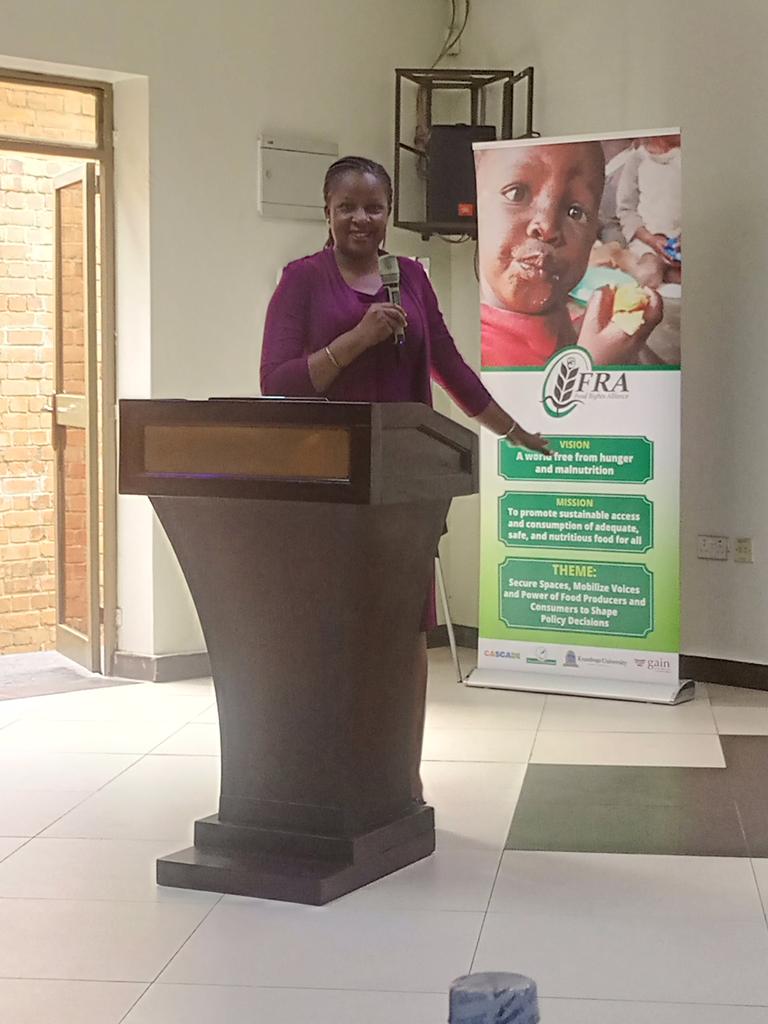
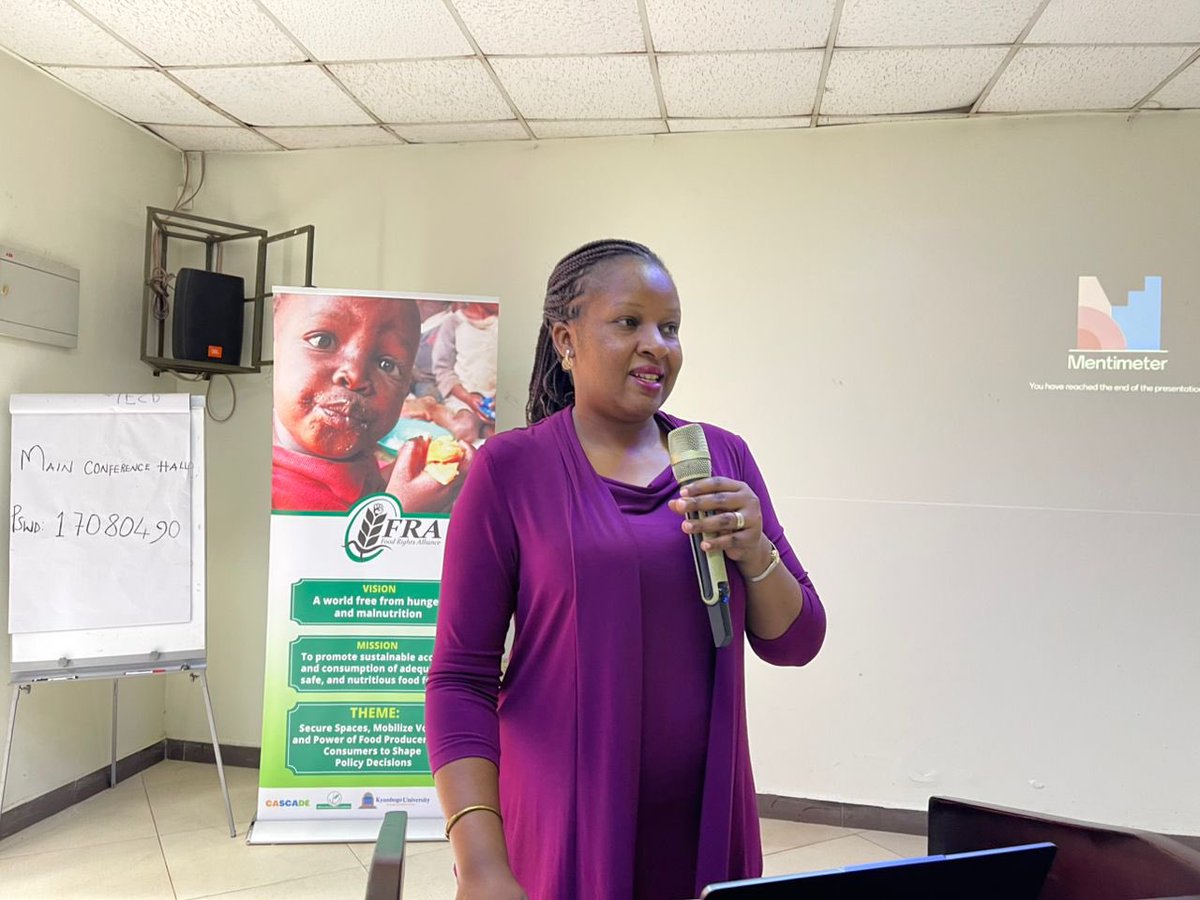
#HappeningNow: A training session for NLC members and stakeholders on the relationship between land rights and food systems is currently underway at Piato Restaurant.
#LandRights#FoodSystems
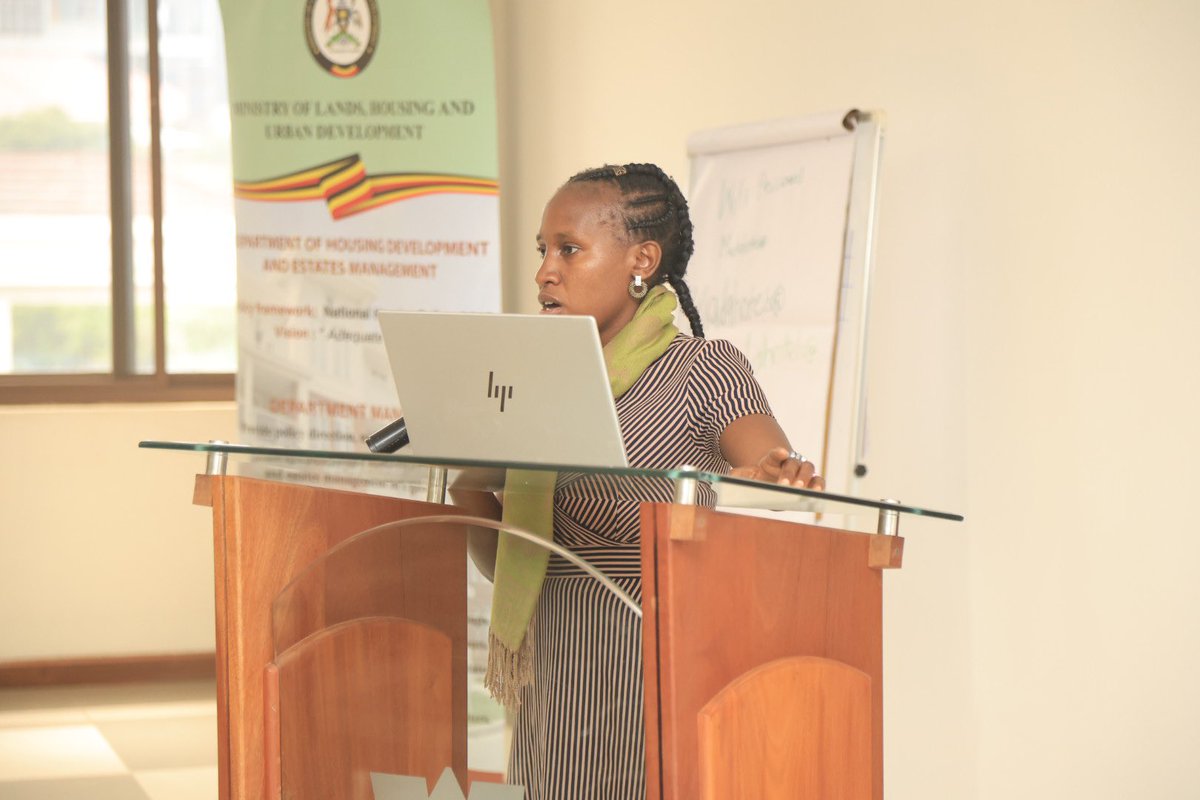
On Day two of the real estate bill consultative workshop, Ms. Peace Nabakembo, the Principal Policy Analyst at @ministry_lands , explained the background and progress of Uganda’s Real Estate Bill (REB) during her recent presentation. She highlighted that the real estate sector contributes approximately 6.3% of the country’s GDP but faces numerous challenges. These include fraudulent property sales, speculative pricing, lack of consumer protection, and unprofessional practices. She emphasized that these issues create mistrust and make the sector vulnerable to unscrupulous activities.
Ms. Nabakembo stated that a Regulatory Impact Assessment (RIA) was carried out to evaluate possible policy solutions for addressing these challenges. She revealed that introducing a new law and regulations was identified as the best option. This would establish a standardized framework, protect consumers, create a national database of agents and developers, and introduce mechanisms to detect money laundering and terrorist financing in the sector.
She further noted that Cabinet approved principles for the Real Estate Bill in February 2023. These principles provide for the regulation of real estate practices, professionalization of the sector, and the development of dispute resolution mechanisms. Additionally, the bill aims to establish a structured skills training program and outline penalties for non-compliance.
Ms. Nabakembo informed the audience that a working group comprising government agencies, private sector stakeholders, and academics was formed to draft the bill. She mentioned that the draft had undergone reviews and revisions, incorporating feedback from stakeholder consultations. International benchmarking, particularly with Kenya, South Africa, and India, provided valuable insights that have been integrated into the draft.
In conclusion, Ms. Nabakembo underscored the urgency of regulating Uganda’s real estate sector. She explained that proper regulation would ensure sustainable development, enhance professionalism, and protect the interests of all actors involved. She called for collective effort to achieve these goals and support the country’s broader development objectives.