LOSCO, a Human rights Organisation established to promote Social Justice & Advocacy give a voice and face to human rights in order to work for communities.
JustIn⏰: @CommunitiesOrg part of the annual legal, regulatory and fiscal compliance bootcamp with Development Law Group on Building a culture of compliance and resilience for civil society organizations in Kampala. @giz_uganda@DCAUganda@Papiusfidel3
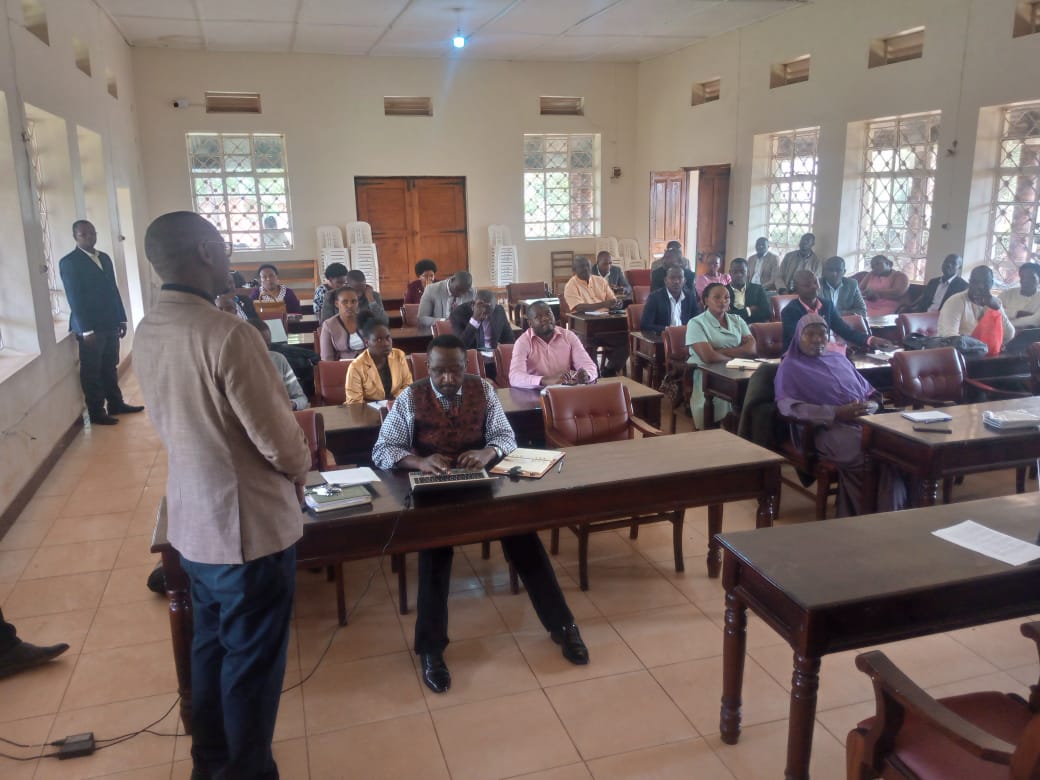
❝When you work in human rights, you become emotionally invested in the work. You listen to people’s painful experiences, witness injustice and carry these stories long after leaving the courtroom. We celebrate victories and landmark judgments, but we rarely talk about what the work costs the lawyers themselves, their families, their relationships and their peace of mind.
We cannot keep celebrating sacrifice without asking what that sacrifice is costing. Lawyers are human beings too. They need space to rest, people they can talk to and institutions that care about the people doing the work, not just the work itself.
We must also prepare the next generation to take over, transfer the knowledge we have accumulated and build institutions that can sustain the work beyond individual leaders. Eventually, we all have to step aside, and the question should not simply be what happens to us, but what happens to the work.
We must continue defending human rights, but we cannot destroy ourselves in the process. The work matters, justice matters and human rights matter, but the people doing the work matter too. Even those who fight for others need care, support and rest.❞
~ Dr. Adrian Jjuuko, Lecturer School of law giving a key note speech at the Continuing Legal Education (CLE) training on “𝐓𝐡𝐞 𝐇𝐢𝐝𝐝𝐞𝐧 𝐂𝐨𝐬𝐭 𝐨𝐟 𝐋𝐚𝐰𝐲𝐞𝐫𝐢𝐧𝐠.
#HealthAndTheLaw #ReproductiveJustice
#CLETraining
Breast cancer does not have a single cause. It develops through a complex interaction of factors, including age, family history, inherited genetic changes, hormonal influences and certain lifestyle factors.
However, many women diagnosed with breast cancer have no identifiable risk factors, making awareness and timely medical attention important for everyone.
The scale is large. In 2022, an estimated 2.3 million women were diagnosed with breast cancer worldwide, and approximately 670,000 people died from the disease.
In Uganda, an estimated 35,968 new cancer cases of all types were recorded in 2022, including 2,999 cases of breast cancer among women.
Know what is normal for your breasts, seek medical attention promptly if you notice unusual changes. Early detection saves lives. Share this message with a woman you care about.
#WorldBreastCancerDay | 19 October
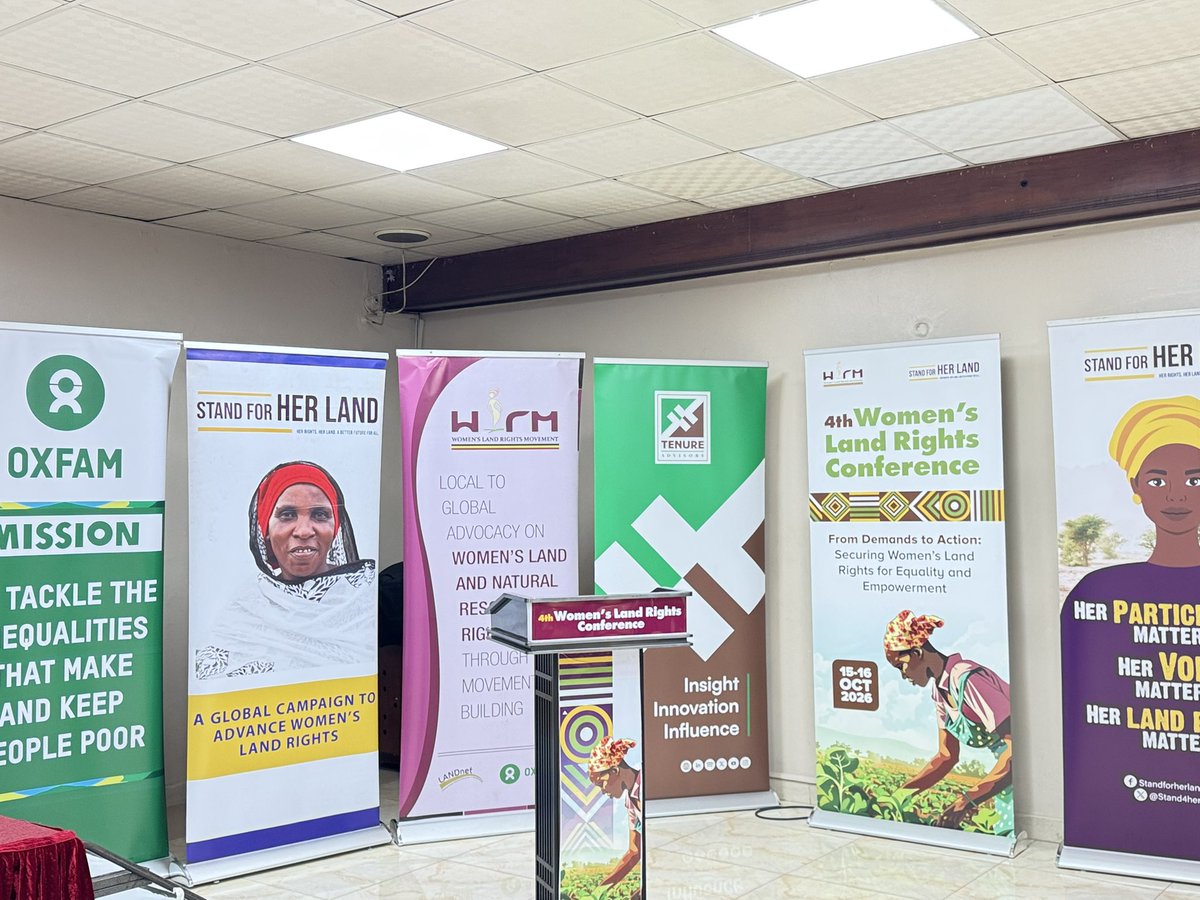
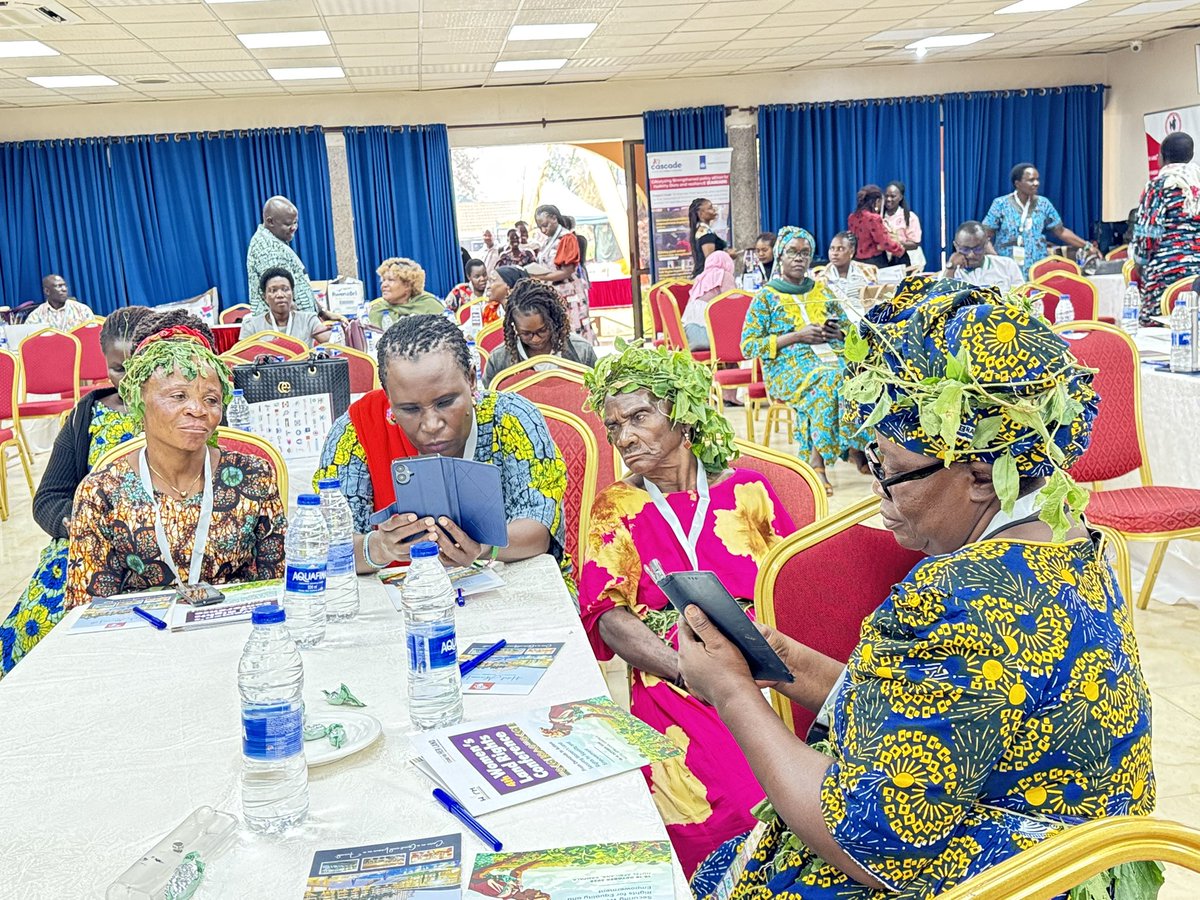
📢 The 4th Women’s Land Rights Conference is underway in Kampala!
From demands to action, stakeholders are convening to advance women’s access to, ownership and control of land.
@UCOBAC_ as Uganda’s #StandForHerLand coordinator remains committed to securing women’s land rights.
“When we stand for her land, we stand for her dignity, her livelihood, her voice and her future.”
At the #4thWLRConf26, @frances_birungi calls for stronger implementation, accountability and collective action to secure women’s land rights.
#StandForHerLand#WomensLandRights
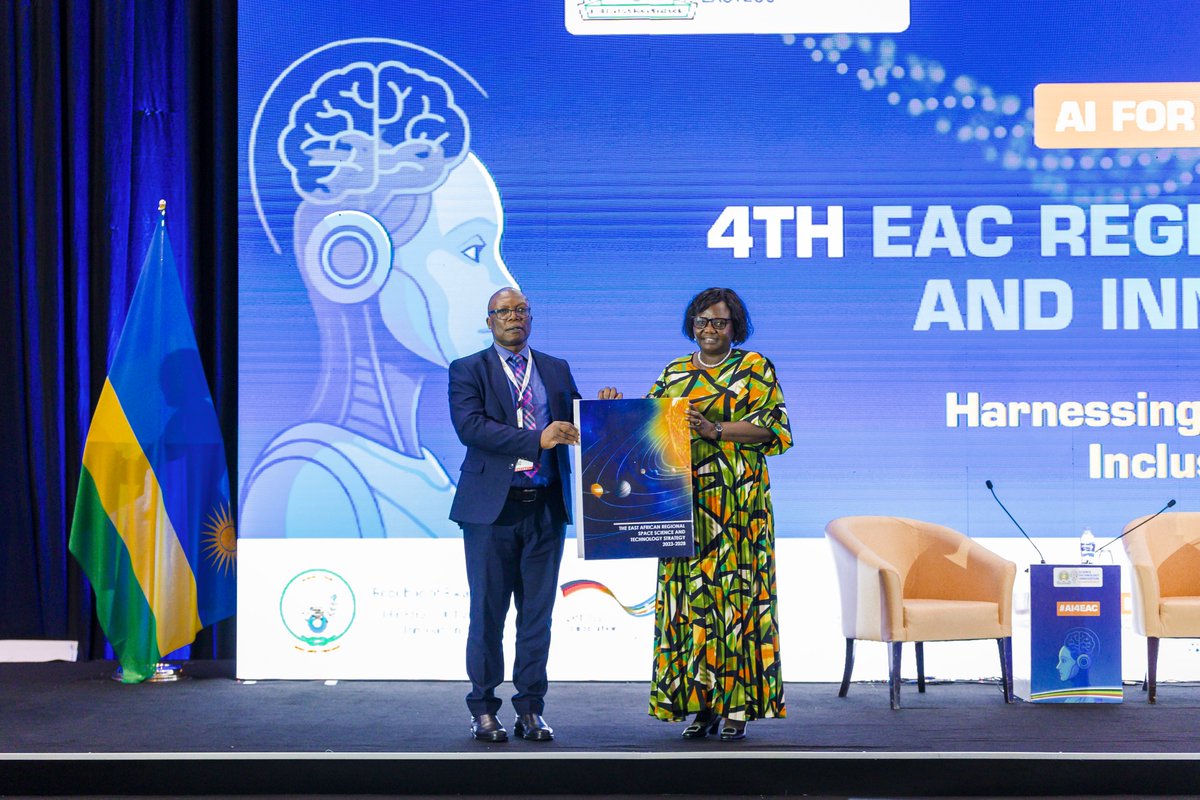
@easteco1 and EAC Ministers of EAC Affairs launched the EAC Regional Space Science and Technology Strategy during the 4th STI Conference- AI4EAC in Kigali on 1st April 2026 https://t.co/4yhQLEoTs2. The strategy visions a well-coordinated and effective utilization of space science and technology for east Africa growth and development in order to create and promote and integrated EAC outer space program for an innovative and competitive STI sector for the well being of our people.
Download the strategy: https://t.co/PwbfTi8c7I
Climate change is an SRHR issue!
A recent SRHR Alliance study found that 62% of young people had not received SRHR information in the past year due to climate change
Including SRHR into climate policies helps maintain access to essential SRHR services during climate disasters
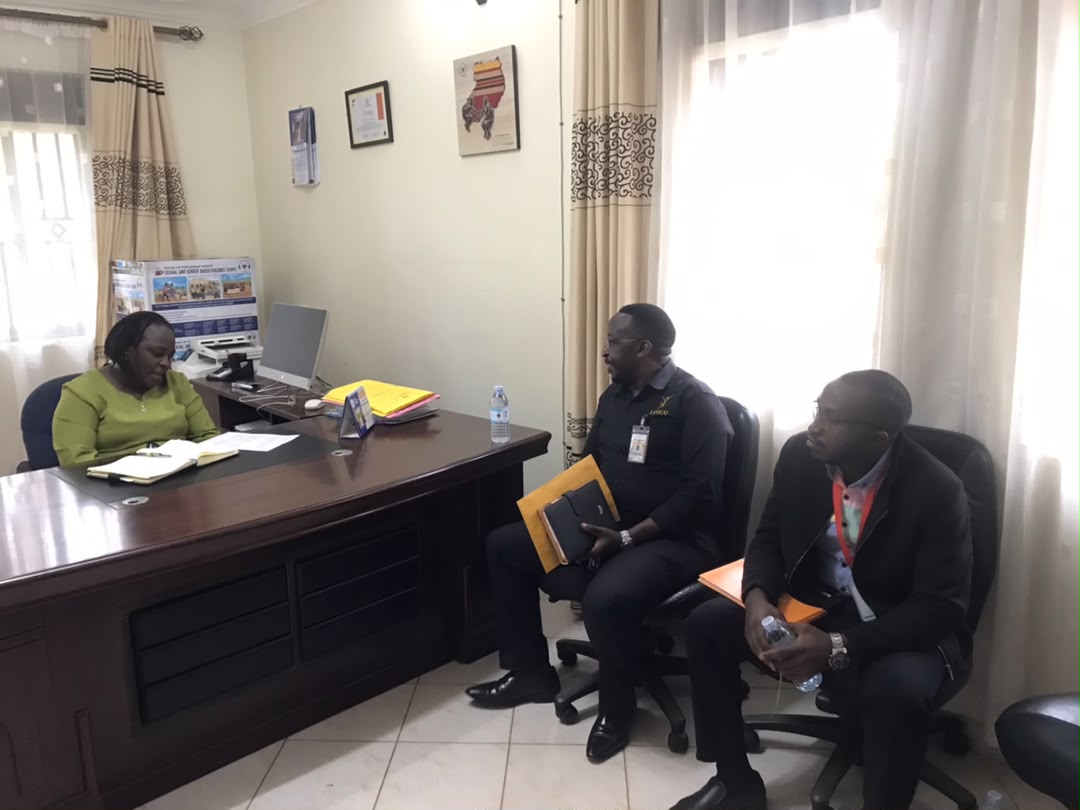
JustIn⏰: @CommunitiesOrg represented by our #ED@ConsultAlbert is a part of the Kigezi Region planning Meeting organised by @NPA_UG at @KabaleDistrict Rukiiko Hall.
Among the issues to discuss are the key challenges that must be addressed under the #NDPIV
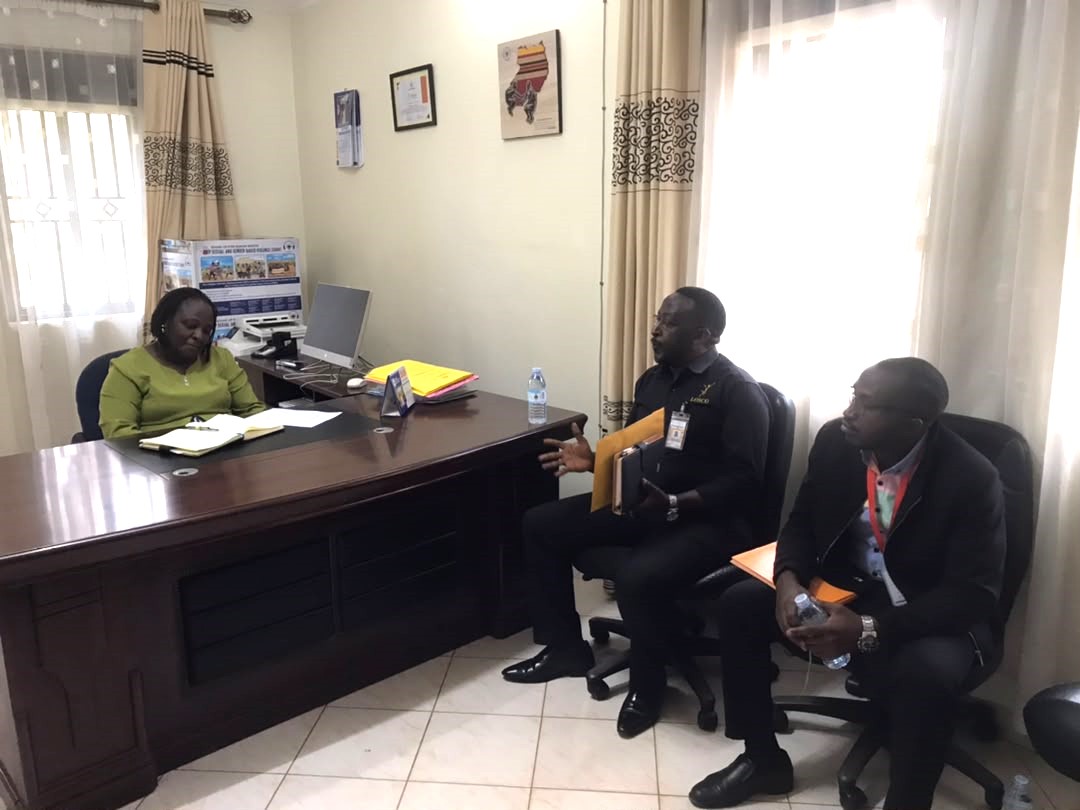
JustIn⏰: @CommunitiesOrg delivers a memorandum that presents key human rights concerns emerging from LOSCO's Quarterly #HumanRightsSituation Analysis and Key Issues in Kigezi and seeks structured engagement with the @UHRC_UGANDA and the @PoliceUg. https://t.co/2Ppc1CKxDU
The #memorandum is designed to support UHRC's constitutional mandate to monitor the human rights situation, investigate human rights violations, receive and act upon complaints, promote human rights education, monitor State compliance with human rights obligations and contribute to appropriate remedies and redress and also seeks to support constructive engagement between Police, communities, civil society and other duty bearers by identifying priority concerns requiring investigation, prevention, enforcement, communication and follow-up.
LOSCO is specifically requesting UHRC to consider the following decisions and actions:
· Identify priority human rights concerns requiring UHRC monitoring or inquiry;
· Determine which reported cases should be referred, investigated or followed up through the appropriate UHRC mechanism;
· Undertake targeted monitoring of systemic human rights concerns affecting vulnerable communities in Kigezi;
· Facilitate engagement with responsible duty bearers where systemic violations or institutional gaps are identified;
· Designate a UHRC focal person for structured engagement with LOSCO; and
· Agree on a time-bound follow-up process to assess progress and outstanding human rights concerns.
Also; #Specifically, requests the #KigeziRegionalPoliceCommand to:
* Strengthen follow-up and accountability for reported cases involving loss of life, violent crime and protection of vulnerable persons;
* Strengthen targeted road-safety enforcement and prevention along high-risk corridors;
Improve police-community access to information, reporting and justice, particularly for women, children, youth and other vulnerable groups;
* Designate a Police focal person to coordinate implementation and reporting on the agreed actions; and
* Provide a written response to the priority actions within 14 calendar days and participate in a follow-up accountability engagement with LOSCO and relevant stakeholders.
This memorandum is therefore intended to facilitate specific commitments, measurable actions and documented follow-up, rather than simply record concerns.
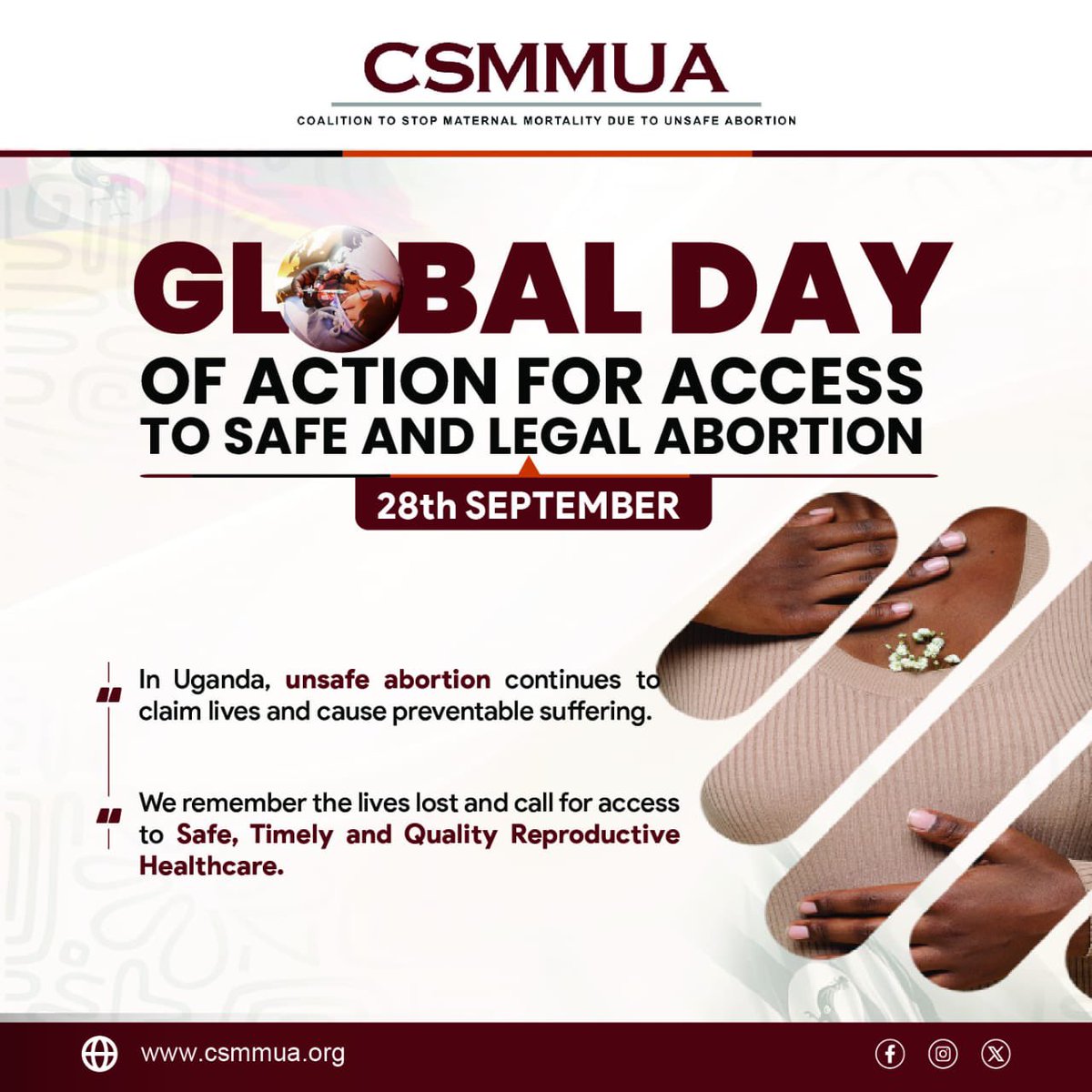
𝐆𝐋𝐎𝐁𝐀𝐋 𝐃𝐀𝐘 𝐎𝐅 𝐀𝐂𝐓𝐈𝐎𝐍 𝐅𝐎𝐑 𝐀𝐂𝐂𝐄𝐒𝐒 𝐓𝐎 𝐒𝐀𝐅𝐄 𝐀𝐍𝐃 𝐋𝐄𝐆𝐀𝐋 𝐀𝐁𝐎𝐑𝐓𝐈𝐎𝐍
𝙀𝙫𝙚𝙧𝙮 𝙡𝙞𝙛𝙚 𝙡𝙤𝙨𝙩 𝙩𝙤 𝙪𝙣𝙨𝙖𝙛𝙚 𝙖𝙗𝙤𝙧𝙩𝙞𝙤𝙣 𝙞𝙨 𝙖 𝙡𝙞𝙛𝙚 𝙩𝙝𝙖𝙩 𝙘𝙤𝙪𝙡𝙙 𝙝𝙖𝙫𝙚 𝙗𝙚𝙚𝙣 𝙨𝙖𝙫𝙚𝙙
In Uganda, unsafe abortion continues to be a serious public health concern, leaving women and girls at risk of severe bleeding, infection, injury, disability and death. Uganda’s health-sector guidelines have previously estimated hundreds of thousands of unsafe abortions annually, with a significant number resulting in severe complications.
Behind every statistic is a woman or girl - a daughter, mother, sister, friend or member of a community - whose life should not have been lost because she could not access timely, safe and appropriate reproductive healthcare.
Unsafe abortion is preventable. The @WHO notes that deaths and severe complications can be prevented through comprehensive sexuality education, access to effective contraception, safe abortion care where legally available, and timely treatment of complications.
Today, we remember the lives lost.
We stand with those living with complications.
And we call for a health system where no woman or girl is pushed into an unsafe abortion because of lack of information, services, affordability, stigma or fear.
Access to safe and legal abortion is not only a matter of healthcare - it is a matter of dignity, bodily autonomy, equality and the right to life.
The question is not whether unsafe abortion costs lives. It does.
The question is how many more lives must be lost before we act?
#SafeAndLegalCare
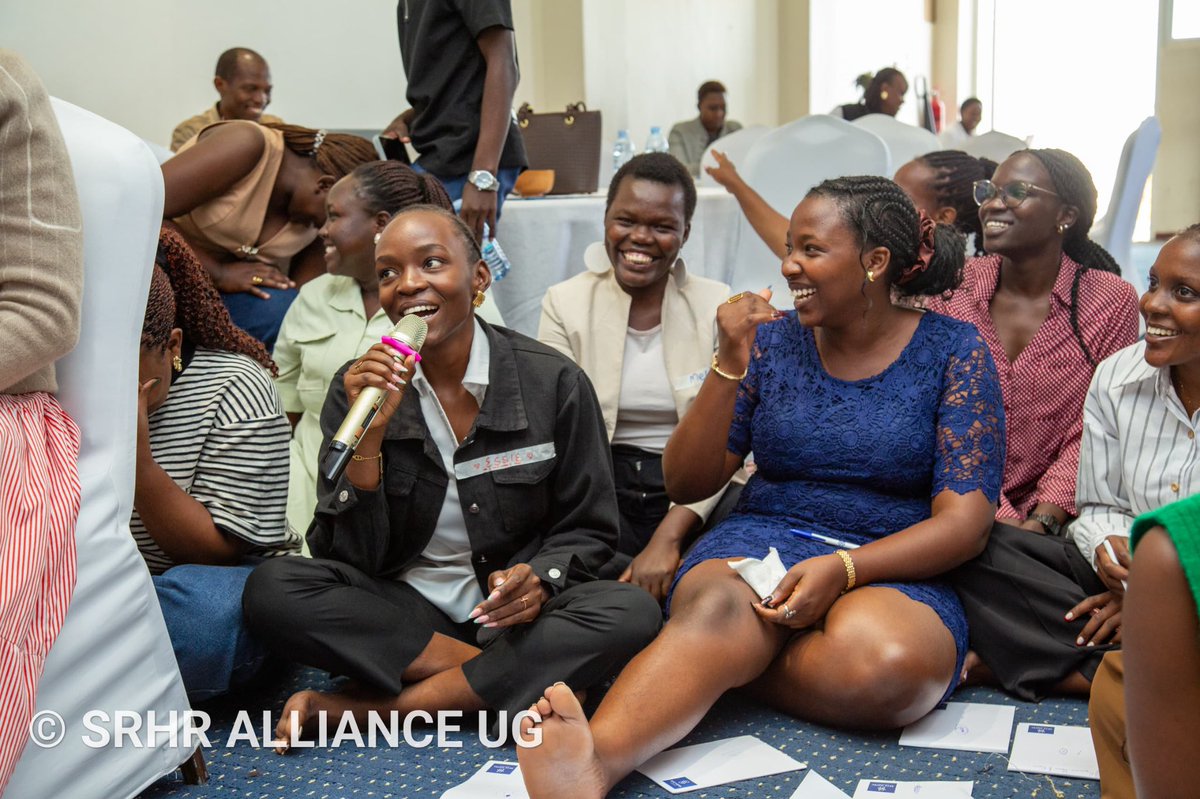
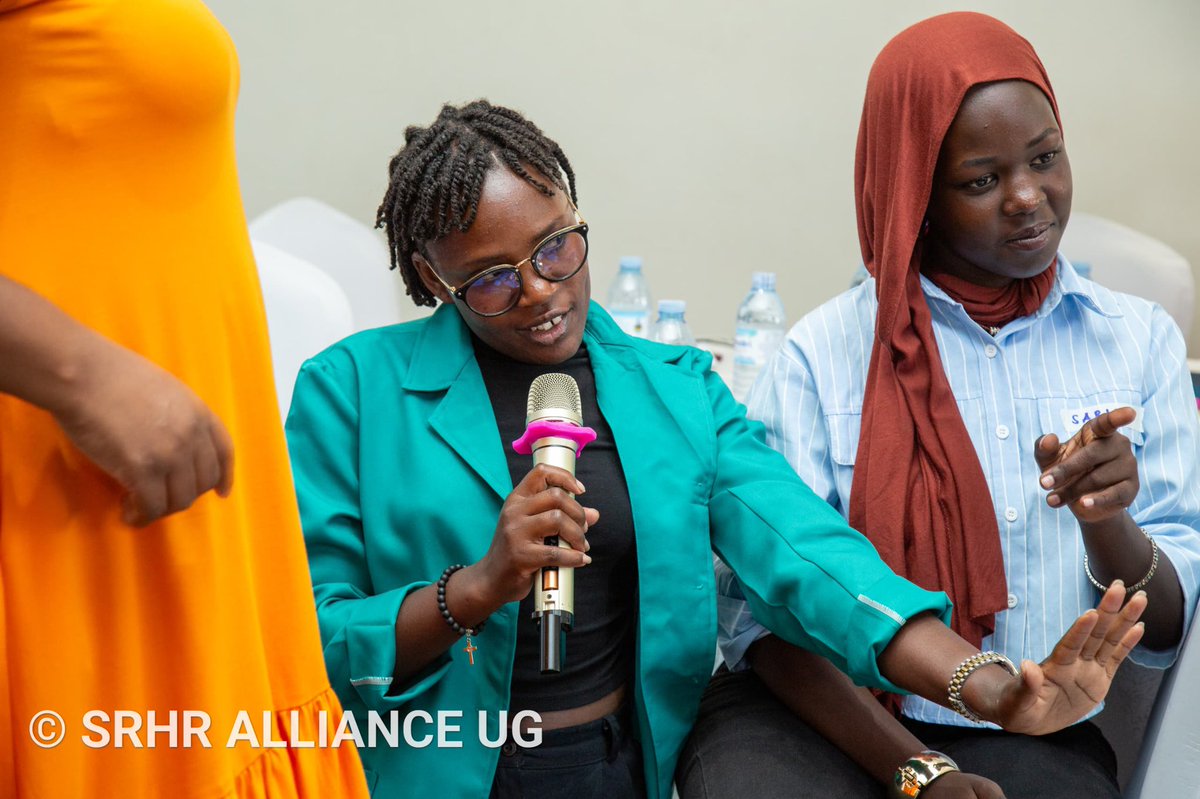
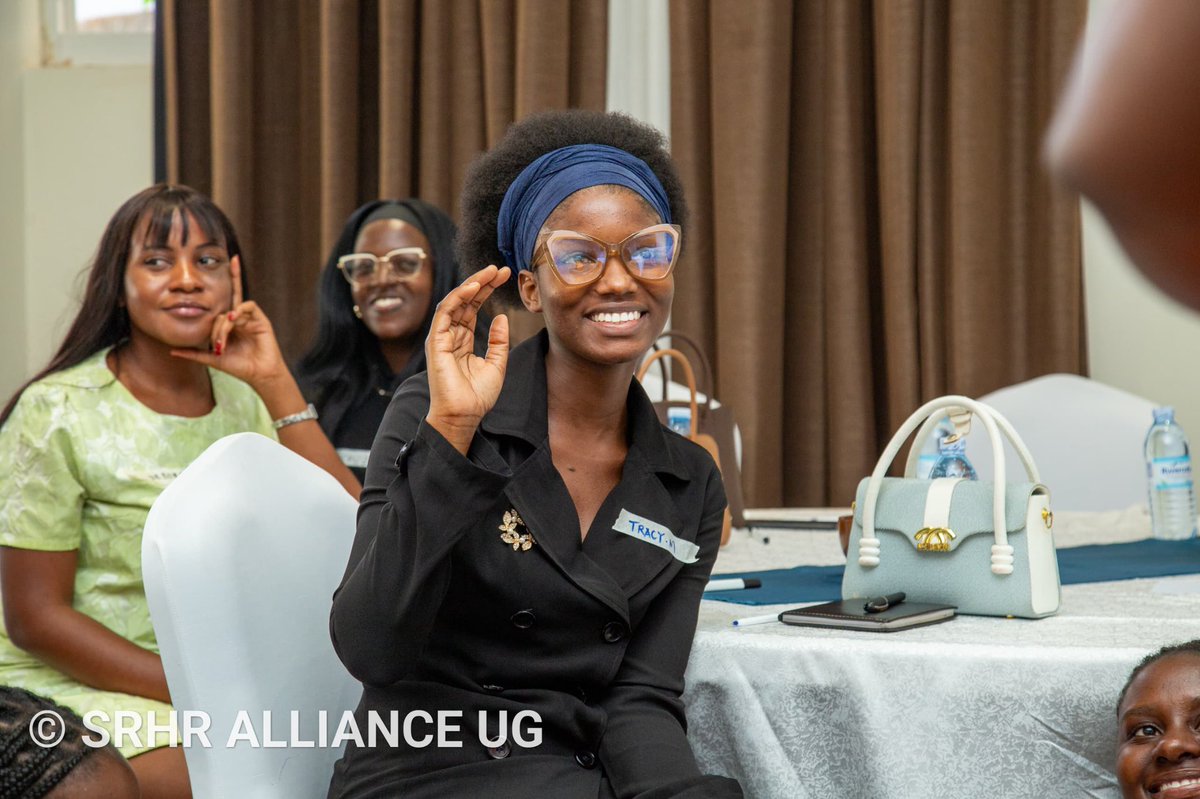
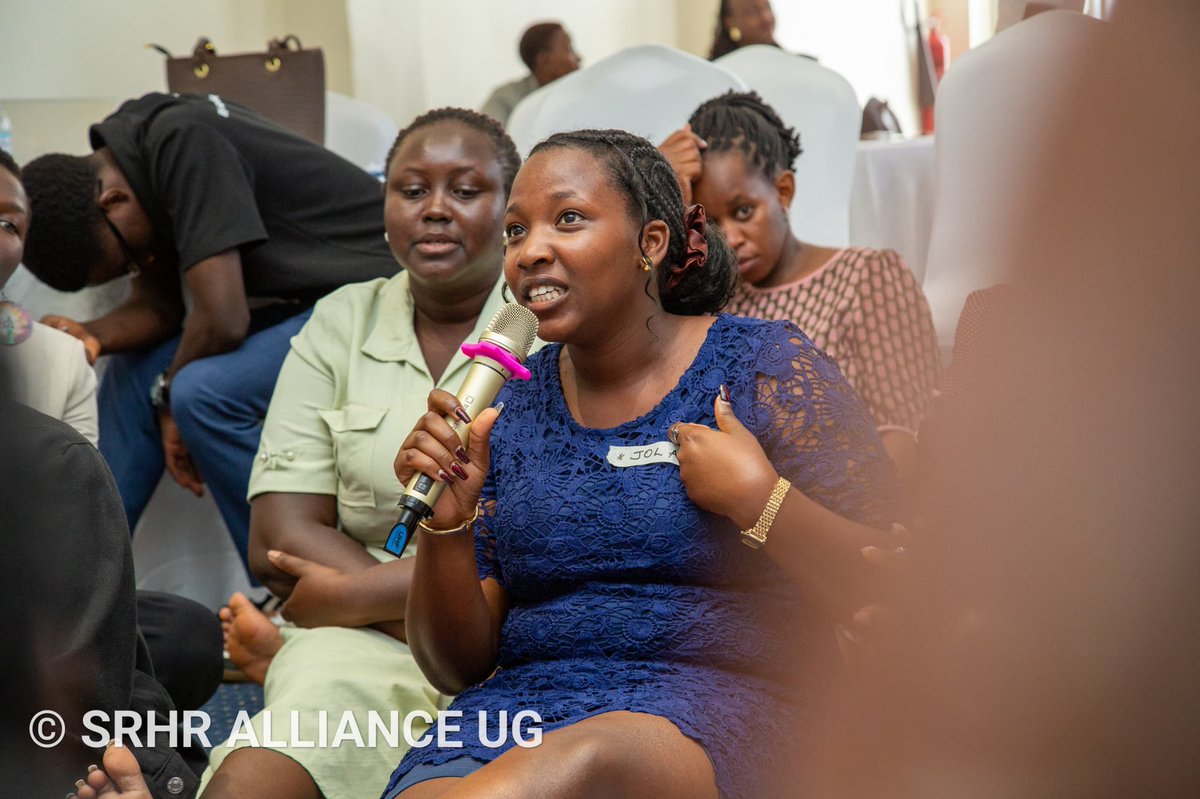
During the Safe space, young women & adolescent girls have participated in interactive discussions, peer learning , experience sharing.
Through this session, we are enabling them to openly discuss challenges affecting young women, and identify practical ways of addressing misinformation, stigma, and barriers to accessing health information services.
#SRHR4All #AccessToInformation
on the basis of their real or perceived opinion or beliefs, identify or action, including dissent, or exercise, defense, or advocacy for #HumanRighrs and fundamental freedoms, democracy and the rule of law”
Read more here: 👉🏿 https://t.co/AhuNUX2pAs
#StandUp4HumanRights
❝Every station now has an SGBV desk with a well-trained officer to handle sexual-related cases.❞ ~ SP Kiiza Julius Allan | 𝑅𝘦𝑔𝘪𝑜𝘯𝑎𝘭 𝘚𝑝𝘰𝑘𝘦𝑠𝘱𝑒𝘳𝑠𝘰𝑛, 𝘈𝑙𝘣𝑒𝘳𝑡𝘪𝑛𝘦, 𝑈𝘨𝑎𝘯𝑑𝘢 𝘗𝑜𝘭𝑖𝘤𝑒 𝐹𝘰𝑟𝘤𝑒.
#TheImpactOfPromiseII
~ @Nakibuukam Noor Musisi || 𝐷𝑒𝑝𝑢𝑡𝑦 𝐸𝑥𝑒𝑐𝑢𝑡𝑖𝑣𝑒 𝐷𝑖𝑟𝑒𝑐𝑡𝑜𝑟, 𝐶𝐸𝐻𝑈𝑅𝐷 ~ ❝We did carry out a baseline survey to help us understand key health challenges in the district. We found that several #SGBV cases were on the rise and communities didn't know where to start. The very first time we were in Hoima, we found that no case would proceed beyond the police. So we took a program and approach of #LegalEmpowerment and #SocialAccountability to empower communities to speak up for themselves and hold leaders accountable.❞
#PromiseToProgress
JustIn⏰: 𝐆𝐋𝐎𝐁𝐀𝐋 𝐃𝐀𝐘 𝐎𝐅 𝐀𝐂𝐓𝐈𝐎𝐍 𝐅𝐎𝐑 𝐀𝐂𝐂𝐄𝐒𝐒 𝐓𝐎 𝐒𝐀𝐅𝐄 𝐀𝐍𝐃 𝐋𝐄𝐆𝐀𝐋 𝐀𝐁𝐎𝐑𝐓𝐈𝐎𝐍
𝙀𝙫𝙚𝙧𝙮 𝙡𝙞𝙛𝙚 𝙡𝙤𝙨𝙩 𝙩𝙤 𝙪𝙣𝙨𝙖𝙛𝙚 𝙖𝙗𝙤𝙧𝙩𝙞𝙤𝙣 𝙞𝙨 𝙖 𝙡𝙞𝙛𝙚 𝙩𝙝𝙖𝙩 𝙘𝙤𝙪𝙡𝙙 𝙝𝙖𝙫𝙚 𝙗𝙚𝙚𝙣 𝙨𝙖𝙫𝙚𝙙
In Uganda, unsafe abortion continues to be a serious public health concern, leaving women and girls at risk of severe bleeding, infection, injury, disability and death. Uganda’s health-sector guidelines have previously estimated hundreds of thousands of unsafe abortions annually, with a significant number resulting in severe complications.
Behind every statistic is a woman or girl - a daughter, mother, sister, friend or member of a community - whose life should not have been lost because she could not access timely, safe and appropriate reproductive healthcare.
Unsafe abortion is preventable. The @WHO notes that deaths and severe complications can be prevented through comprehensive sexuality education, access to effective contraception, safe abortion care where legally available, and timely treatment of complications.
Today, we remember the lives lost.
We stand with those living with complications.
And we call for a health system where no woman or girl is pushed into an unsafe abortion because of lack of information, services, affordability, stigma or fear.
Access to safe and legal abortion is not only a matter of healthcare - it is a matter of dignity, bodily autonomy, equality and the right to life.
The question is not whether unsafe abortion costs lives. It does.
The question is how many more lives must be lost before we act?
#SafeAndLegalCare
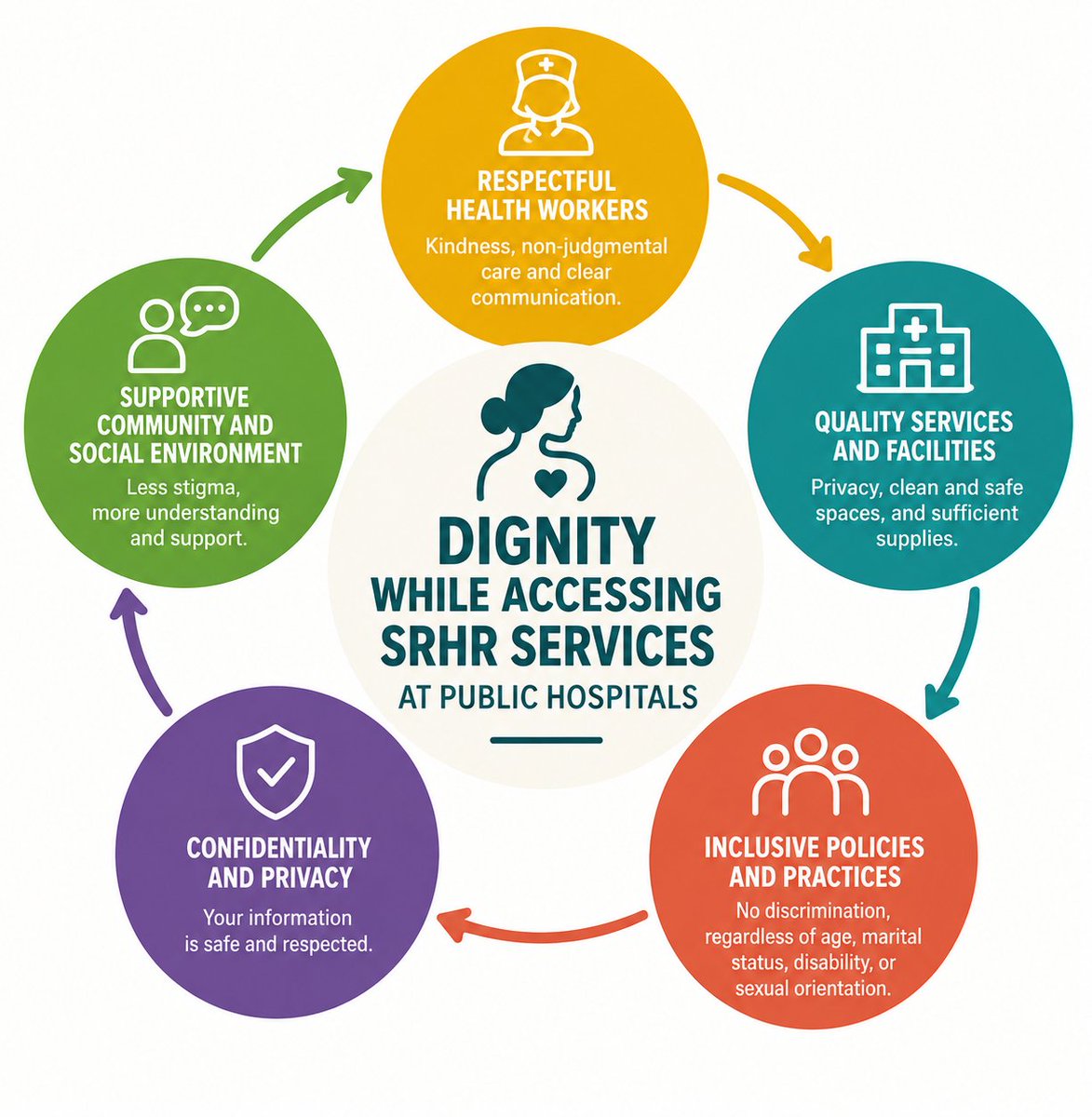
📌Seeking care should never cost a woman her dignity
A 2026 Ugandan study by SJHRA found that 43.6% of women reported experiencing disrespectful and abusive care during childbirth in public hospitals.This week, respectful treatment should be part of every maternity visit
#SRHR
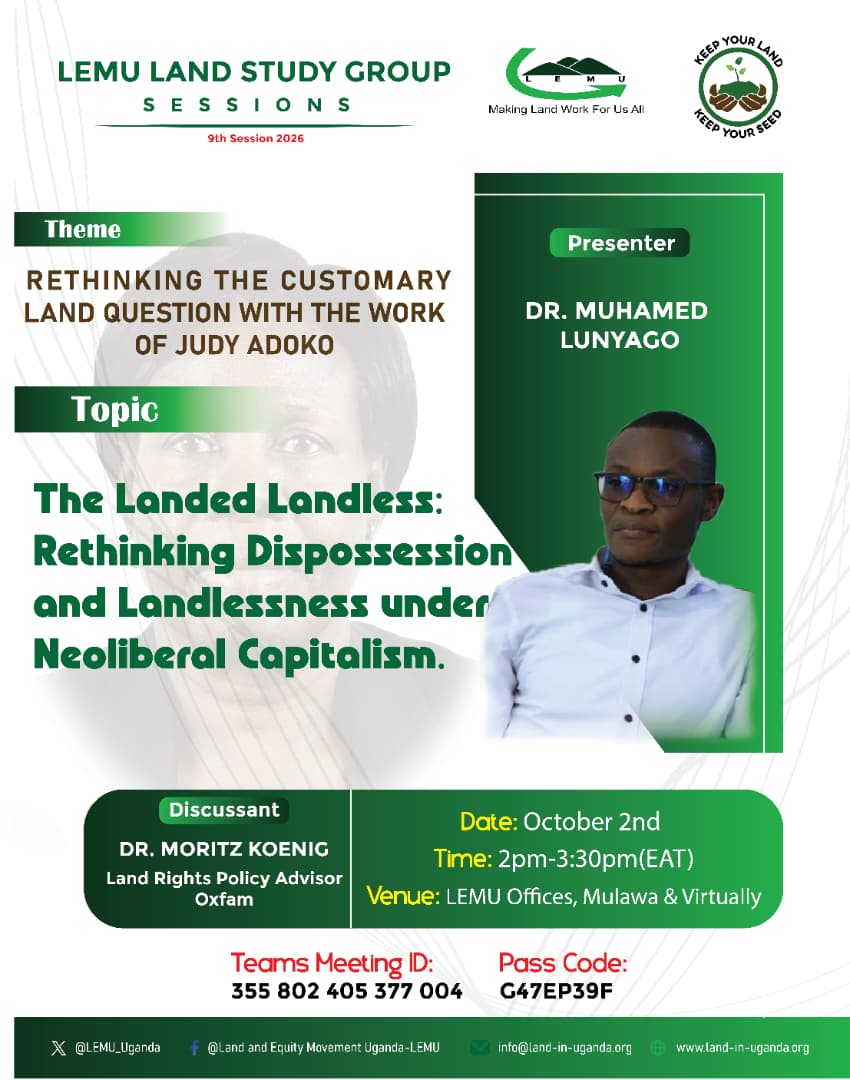
How should we understand landlessness today? What does it mean to be "landless" while "landed"? Join us for the 9th Session of the LEMU Land Study Group as we discuss landlessness with Dr. Muhamed Lunyago.
#CustomaryLandRights