Our Washington Aqueduct division stands fully ready and prepared to meet the operational demands of our region during these drought conditions.
Managing our shared water resources is a collective responsibility. For more info, click the link below.
🚨 💧 Drought Watch: COG declared a Drought Watch today for the region due to unusually dry conditions. Residents can help by taking simple, voluntary steps to reduce water use and help protect our water resources. Learn more at https://t.co/ztvS44EVi0 #WiseWaterDMV
Col. Francis Pera this week testified before the House on the federal response to the Potomac Interceptor collapse. On the ground within 24 hours, 12-point stormwater diversion system designed/built in under a week, and DC Water’s crews protected. That’s #BuildingStrong
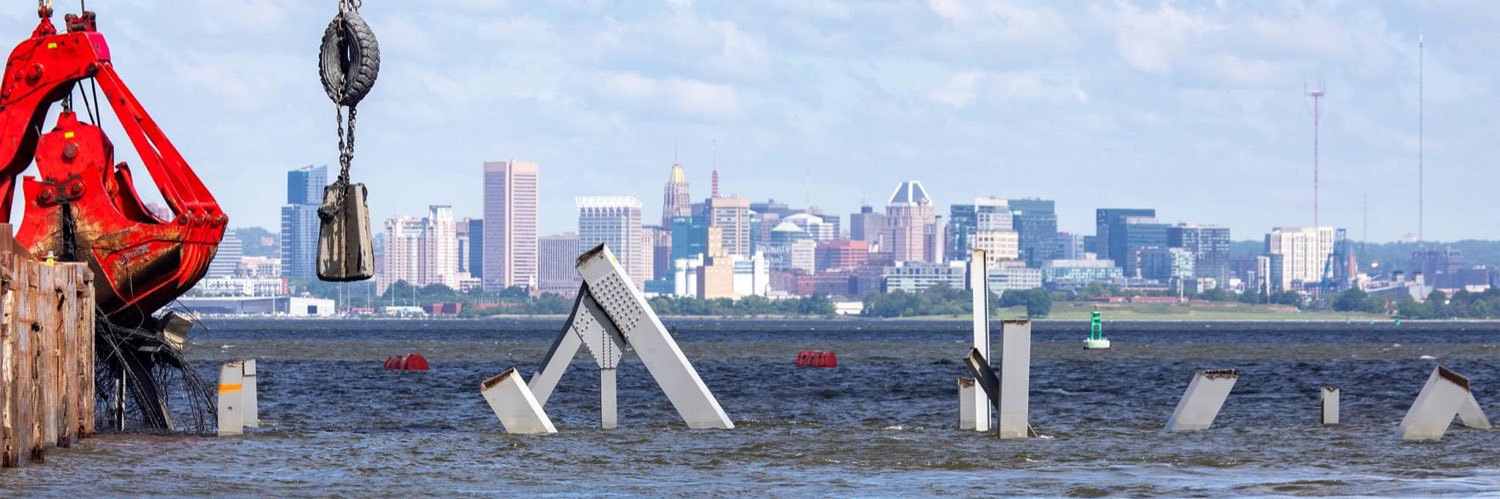
🛥 Starting May 8, Baltimore District is scheduled to remove ~15,000 cubic yards of dredged material from the Ocean City Inlet, beginning with "Priority Area 1," which includes the entrance to Sinapuxent Channel.
ℹ️ USACE is currently accepting public comments on potential future changes to the nationwide permits through May 15. Submit input via https://t.co/histoKQYWz, docket COE-2026-0001.
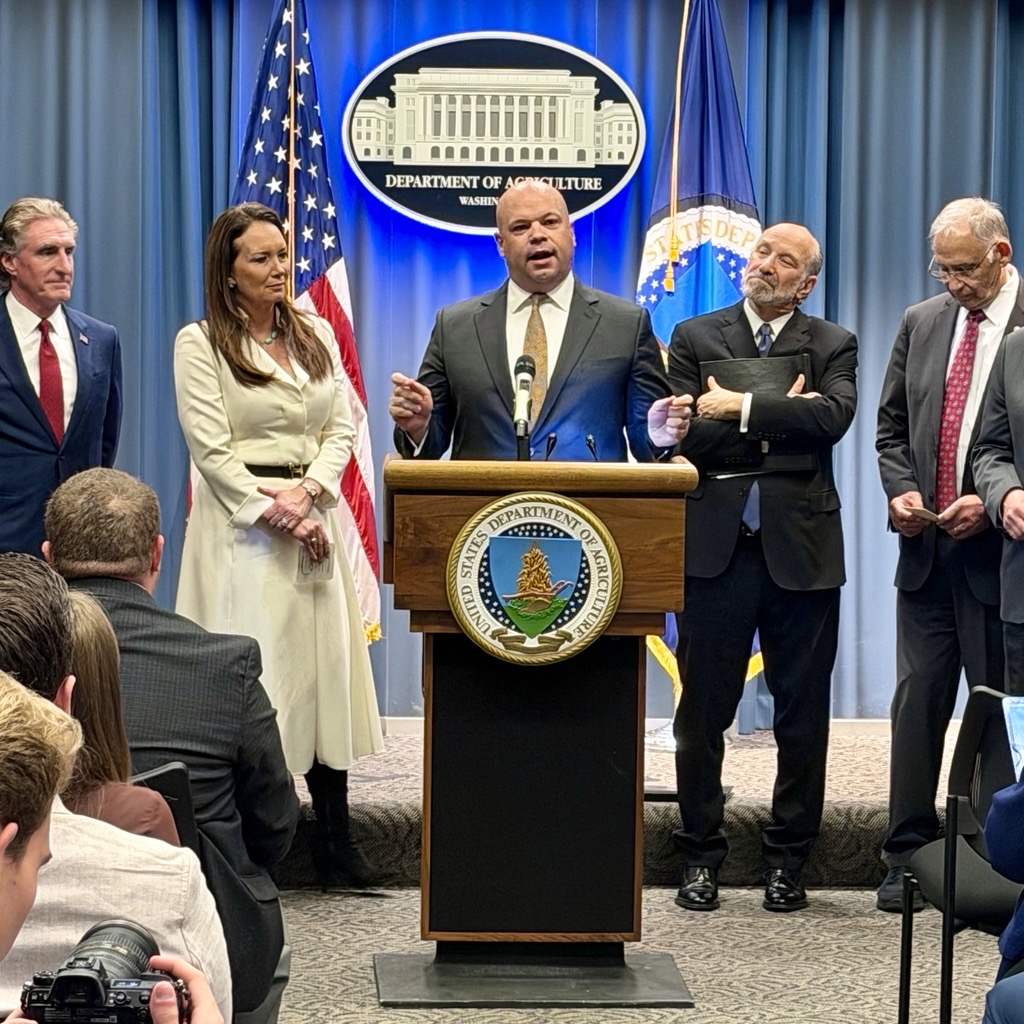
Adam Telle, @ASACivilWorks, joined @SecRollins this week to outline how USACE is cutting red tape for farmers, including accelerating Clean Water Act permits and opening nationwide permitting to drive down fertilizer costs.
The Assistant Secretary of the Army for Civil Works (@ASACivilWorks), Adam Telle, on Tuesday at @USDA discusses the critical role that @USArmy Civil Works is playing in the Trump Administration's (@POTUS) efforts to lower fertilizer prices for our farmers and ranchers.
🏰 Baltimore District has ushered in the first phase of Mid-Bay restoration work on James Island, part of a long-term project that will provide more than 30 years of capacity to place nearly 95 million cubic yards of dredged material from @portofbalt shipping channels.
ℹ️ The Mid-Bay project is a 65% federal, 35% state cost-share partnership with @MarylandDOT MPA. It restores over 2,000 acres of lost remote island habitat using materials dredged from Port of Baltimore approach channels and shallow draft federal navigation channels.
The regional drinking water supply remains safe and unaffected, as our Washington Aqueduct drinking water system is entirely separate from the regional wastewater infrastructure.
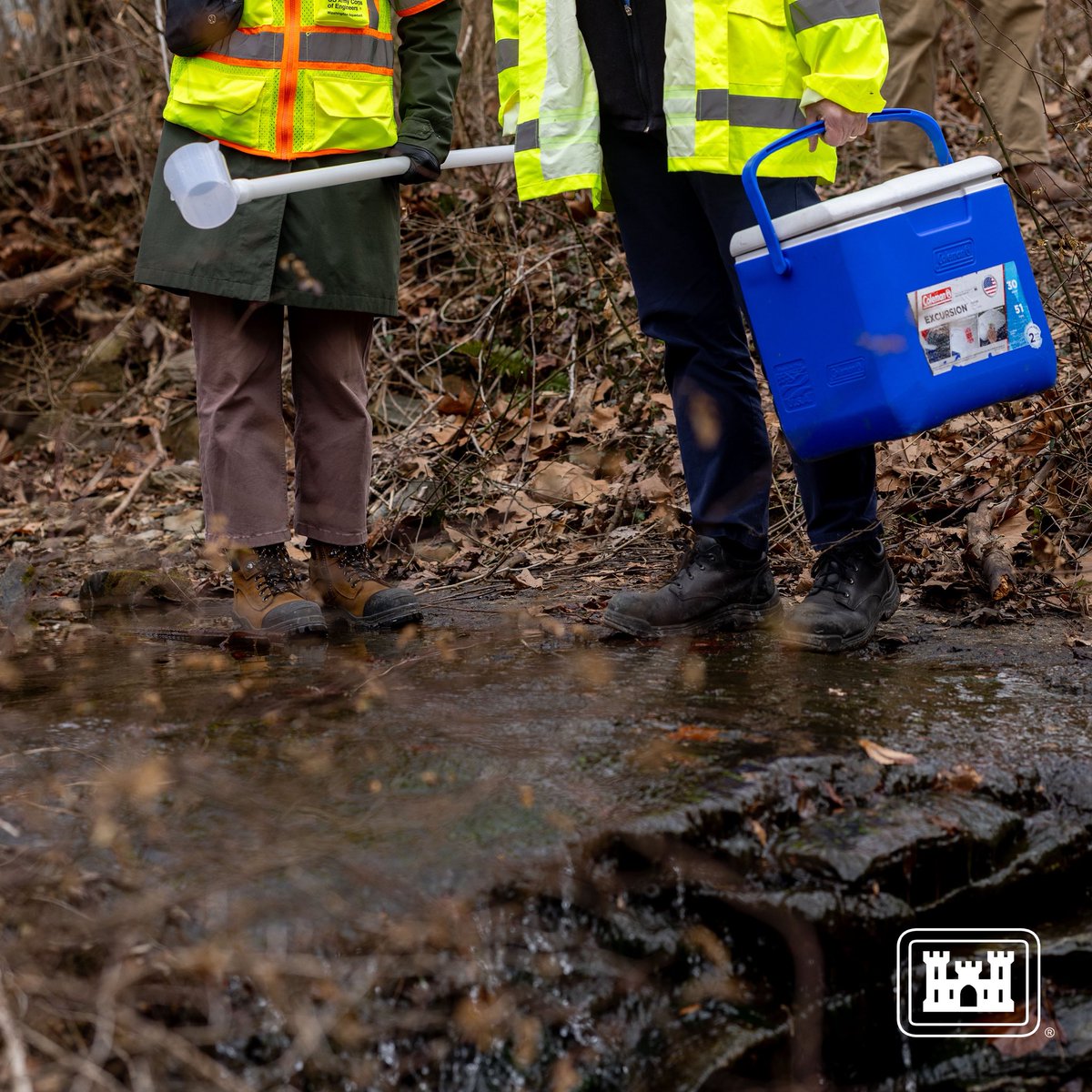
Our Washington Aqueduct laboratory teams conduct more than 65,000 individual tests on water samples every year. Now, we're bringing that expertise to the Potomac Interceptor response to evaluate stormwater runoff, the focus of USACE efforts at the site.
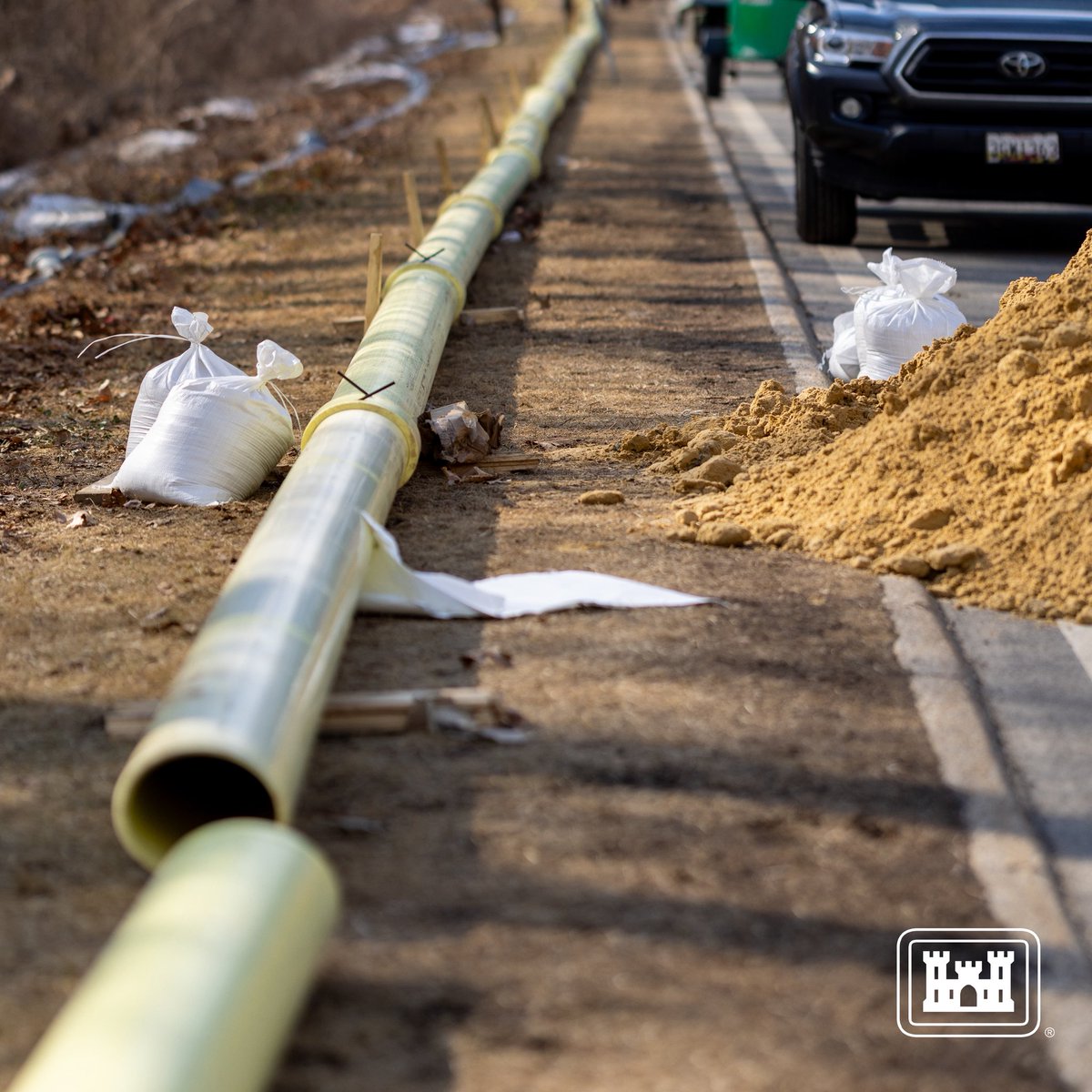
The series of pipes/stormwater diversions we’re installing allows us to prevent interruptions to DC Water pumping operations necessary to emergency repairs + mitigate additional precipitation runoff through contaminated areas (which our lab teams can evaluate for effectiveness).
This series of pipes and stormwater diversions allows USACE to prevent interruptions to @dcwater pumping operations that are necessary to critical emergency repairs, as well as mitigate additional precipitation/snow melt runoff through contaminated areas near the spill.
@EPA Administrator Lee Zeldin (left) visited the site of the Potomac Interceptor collapse response Wednesday, speaking with Baltimore District Deputy Commander Lt. Col. Mark Pollak (right) about the USACE approach to stormwater management.
After treatment, the clean water is held in large storage tanks, ready to go. From there, it’s pumped to your local water provider, who delivers it right to your tap. (6/6)
🧵 From the river to your tap: how we bring 150 million gallons of safe, clean drinking water every day to Washington, D.C., and Arlington & Fairfax counties. A thread:
Teams closely monitor this entire process from the river to our wholesale customers, and our labs conduct over 65,000 water sample tests every year. (5/6)