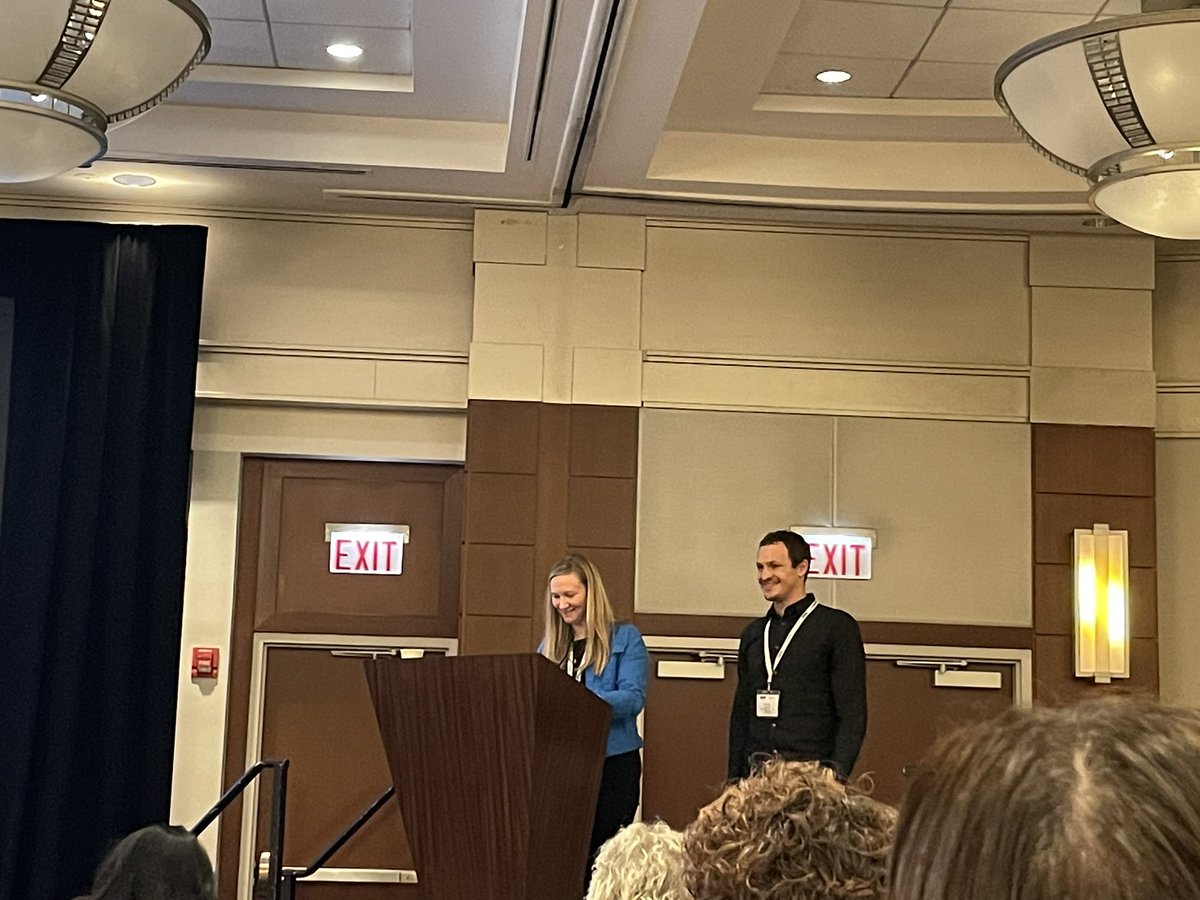
Congratulations to @SantiMoralesPhD on receiving the USC Raubenheimer Outstanding Faculty Award!
The award honors excellence in scholarship, teaching, and service to the community. Read more about the recipients here: https://t.co/kcK7AC8BKM
Social rejection hurts, but it also offers information we can learn from.
Our latest work links the brain’s ‘social rejection’ network to learning, giving a computational account of neural responses to social rejection.
https://t.co/ejHLtbKFAI
Could vulnerability to financial scams be an early sign of Alzheimer’s?
New research from @laurafenton91 and @sdukehan highlights how difficulties in spotting scams may predict cognitive decline in aging adults, offering a window for early intervention. https://t.co/B4aN6x7kS9
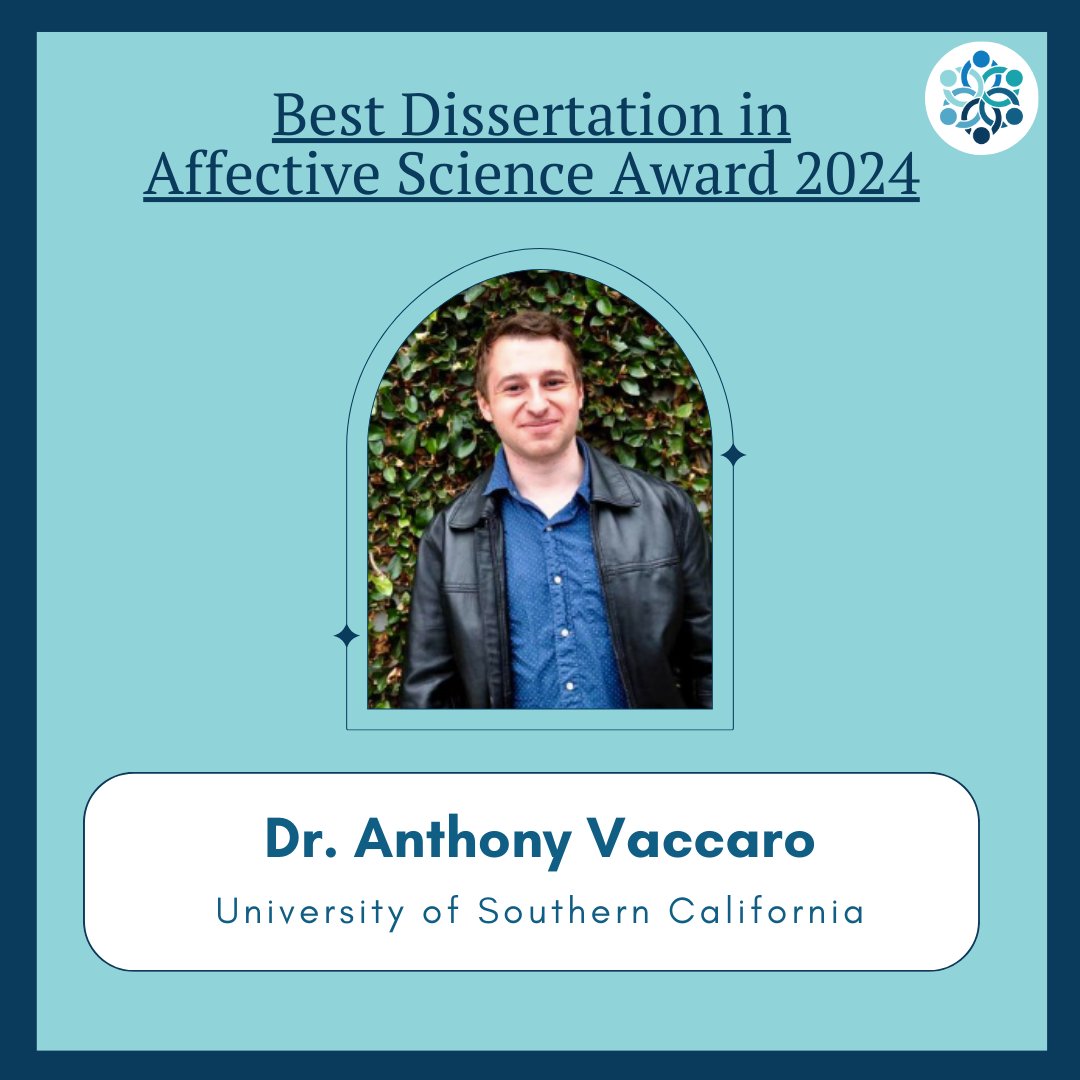
🚨New paper! "Behavioral & Neural Evidence for Difficulty Recognizing Masked Emotional Faces." Thanks to my incredible co-authors @AGVacca, @philnewsomejr, @lizzieaviv, Gabriel León, Dr. Berzenski & @darbysaxbe. Excited to share this multisite study:https://t.co/A2xLyUciKl😷[1/9]
Even at 2 years old, toddlers are social learners who know when they need help.
A new study from @USCMIDLA,
led by @aoraport, shows that toddlers are more likely to ask for help when faced with new challenges, and they know to seek knowledgeable helpers.
https://t.co/d8LYz95KDB
Excited to share tools for estimating EEG data quality metrics! We hope this will encourage the estimation and reporting of psychometrics & data quality in dev neuro. It’s fully integrated with HAPPE and compatible with other pipelines (eg, MADE).
https://t.co/OYTljveEK0
It took a while, but this paper with @nathanieldaw is now published in @NatureComms. Reviewers had many good comments, so lots of new stuff here, especially on the computational mechanisms of how people dissociate volatility from stochasticity:
https://t.co/WHMZUM7D0t
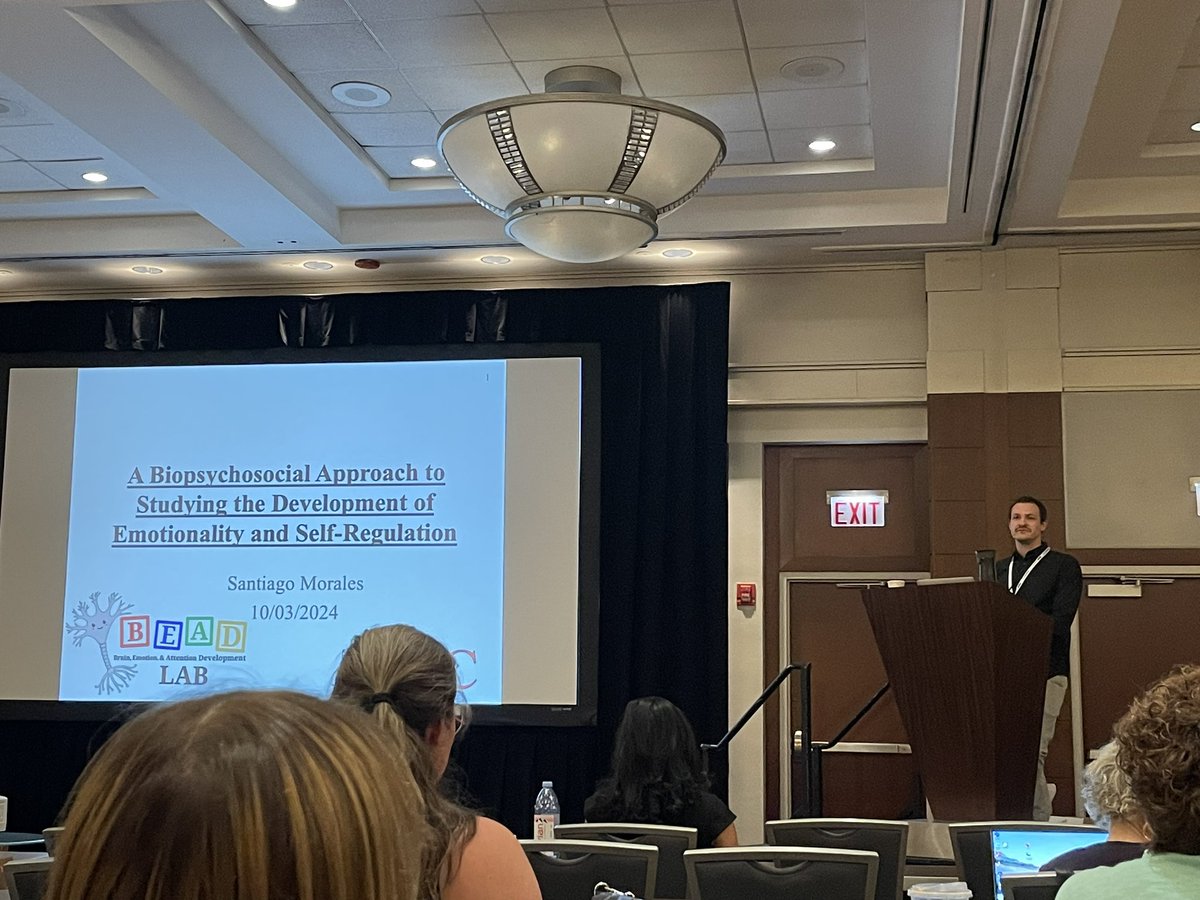
Fantastic presentation by @SantiMoralesPhD as he received the 2024 Kucharski Young Investigator Award from @devpsybio at #ISDP2024
I didn’t 🥹until the end.
Why do we feel mixed emotions? In a new opinion piece, @AGVacca explains how neuroscience is uncovering the brain processes behind our simultaneous good and bad feelings—challenging traditional views on emotions. https://t.co/52iZgyGxU5
New research for subjective NLP tasks, where diverse perspectives matter (but often completely ignored)! Our framework minimizes annotation costs while maximizing performance. Paper & dataset (Moral Foundations Subjective corpus) below
In new research from @laurafenton91 and @sdukehan, brain changes linked to Alzheimer's disease predict increased vulnerability to financial scams among older adults:
https://t.co/uyvKRba9O0
📢 Job Alert! 📢
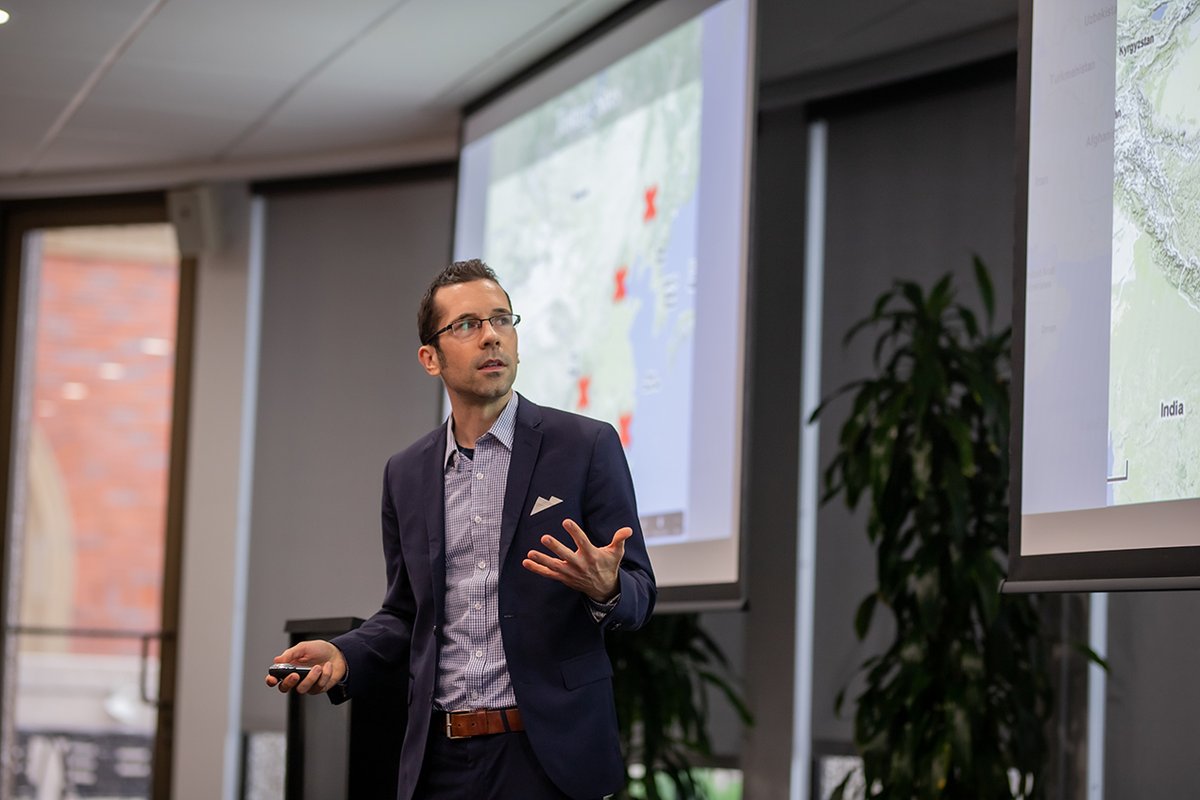
The @USCPsychology seeks a tenure-track Assistant Professor in Brain & Cognitive Sciences with a focus on computational language research. Join us at the forefront of AI-driven language & cognition research.
https://t.co/O8KUEYwoBK
AI is no laughing matter--or is it?
A new study from @DrewGorenz and @aanobs finds ChatGPT 3.5's humor competes with, or even exceeds, humans, from casual quips to satirical headlines. https://t.co/DZYEBzOCZw
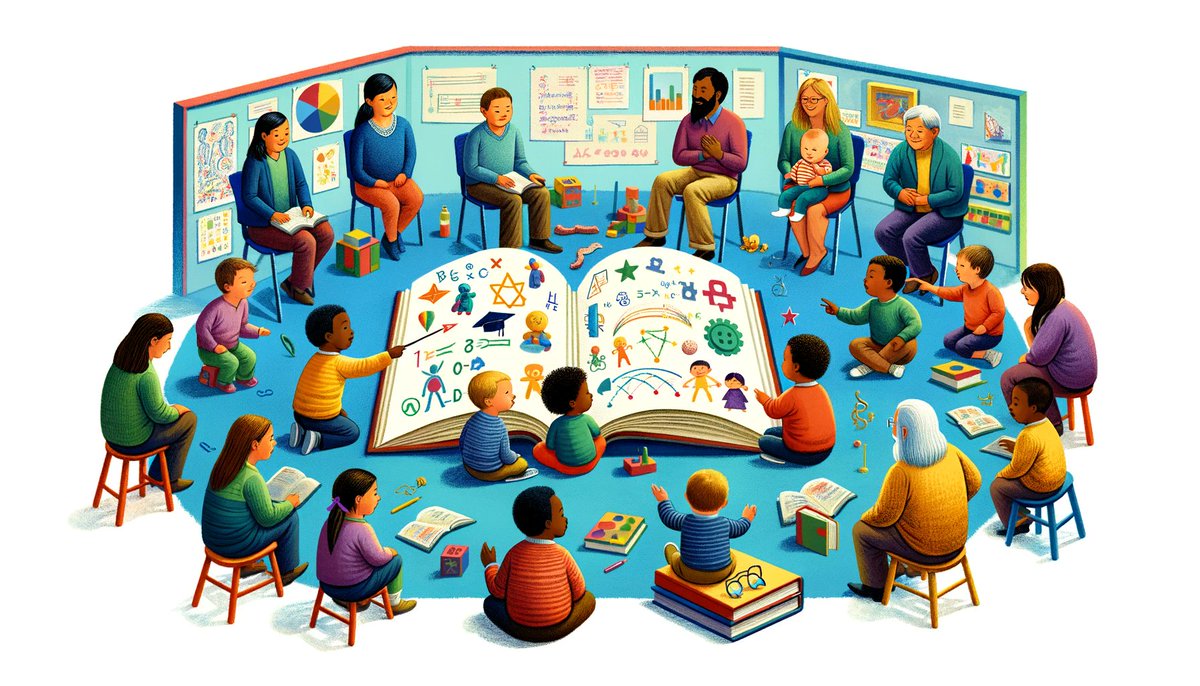
Young minds can be savvy educators. 🧒📚
New work from @USCMIDLA reveals that 7-year-olds, but not 5-year-olds, adjust their teaching based on who's learning, giving simpler info to infants and more complex info to adults. https://t.co/iQDZL8geRC