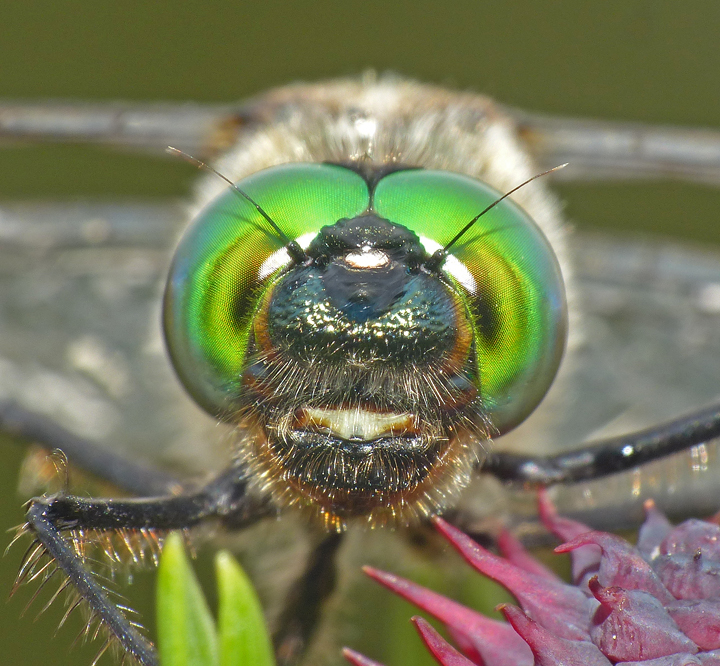
Straddling the Arctic Circle, Kanuti NWR is a hotspot for dragonflies and damselflies—26 species and counting! Most live underwater as predators before taking flight for just weeks, helping clear the skies of mosquitos.
📸 American emerald dragonfly by Bob Armstrong
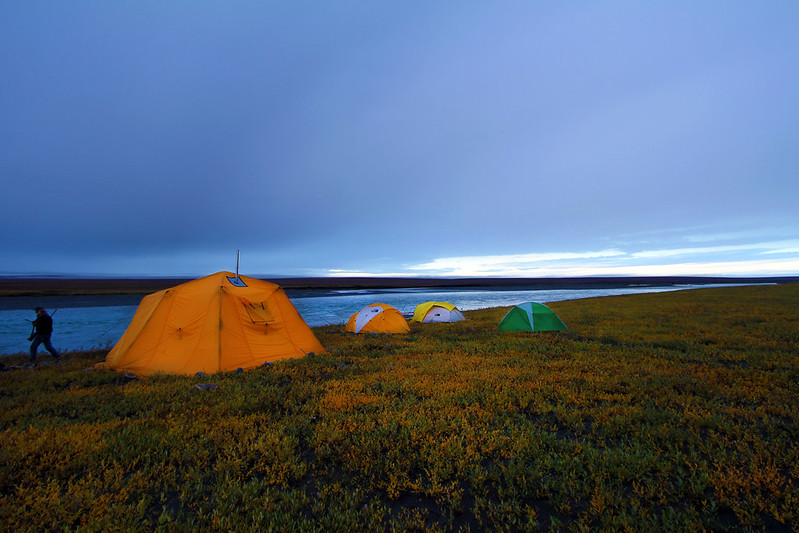
Hiking, fishing, hunting & camping are some ways to recreate on National Wildlife Refuges. No matter what you choose, make sure to take a few mins to clean your gear before heading out. This simple step helps prevent introduction of invasive species.
📷Katrina Liebich/USFWS
USFWS is accepting applications for the Tribal Wildlife Grants Program to help Tribes conserve culturally & traditionally important habitats and species. Proposals due by June 20, 2025. 🔗⬇️
📷 Ophir Creek Water Quality Collection. Courtesy of Yakutat Tlingit Tribe.
Disturbances to its breeding environment like pesticides, oil spills, and net entanglement post risks to these sensitive aquatic birds.
🔗 Tour the last large city in North America where loons nest & produce offspring https://t.co/SbnHxM8x2Y
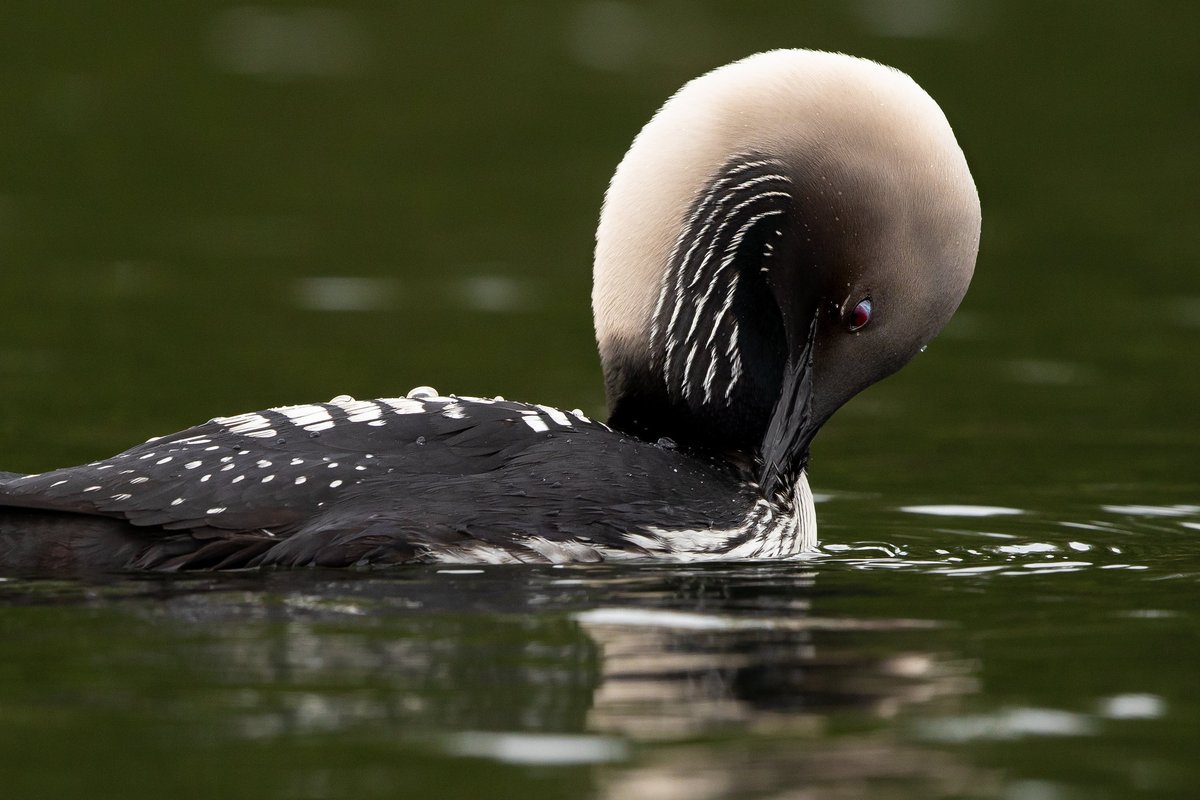
What doesn’t rhyme with loon? Lead and not properly discarding fishing line. One sinker can kill a loon. They can ingest fish attached to a broken a line or attached tackle. They might mistake lead weights for small stones that they eat to help digestion.
📷 Pacific loon, USFWS
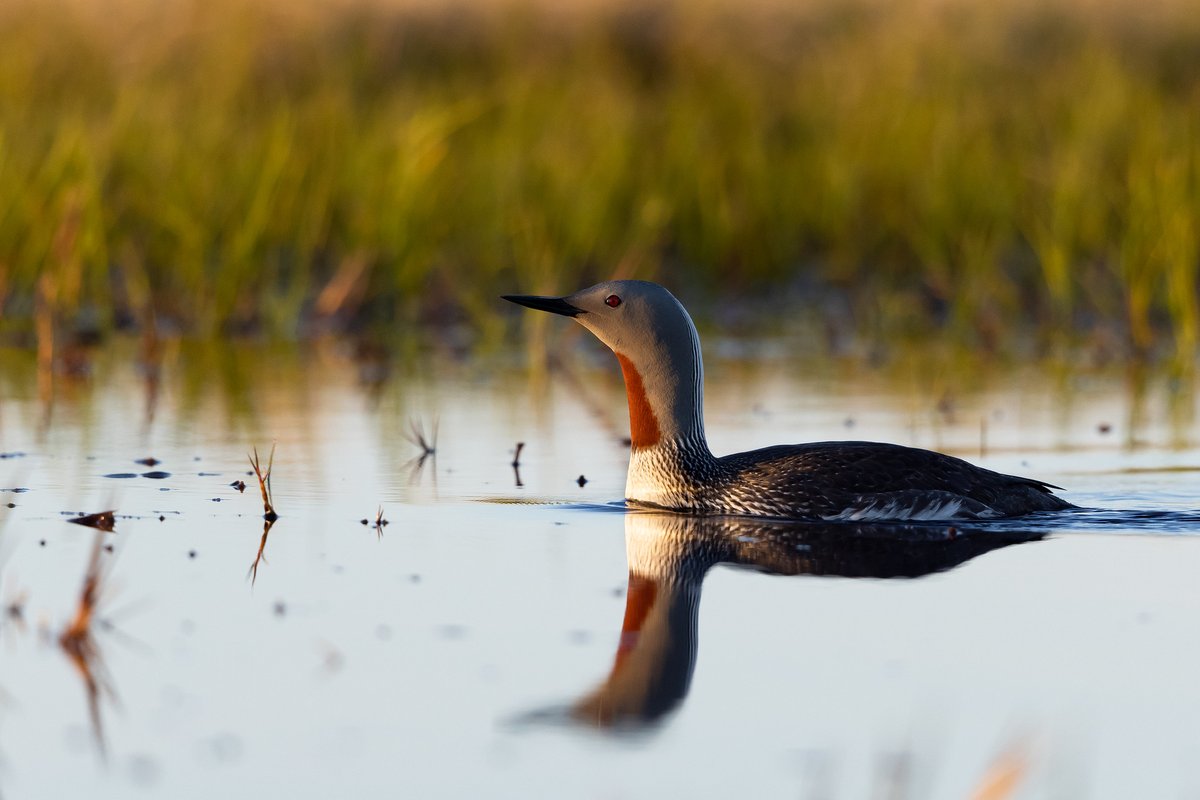
Loon rhymes with * SWOON * 😍 Meet the Red-throated loon in summer plumage! This bird breeds in Arctic lakes. They can be spotted along ocean coastlines in late fall to early spring. Unlike other loons, they can take off from land.
📷 USFWS
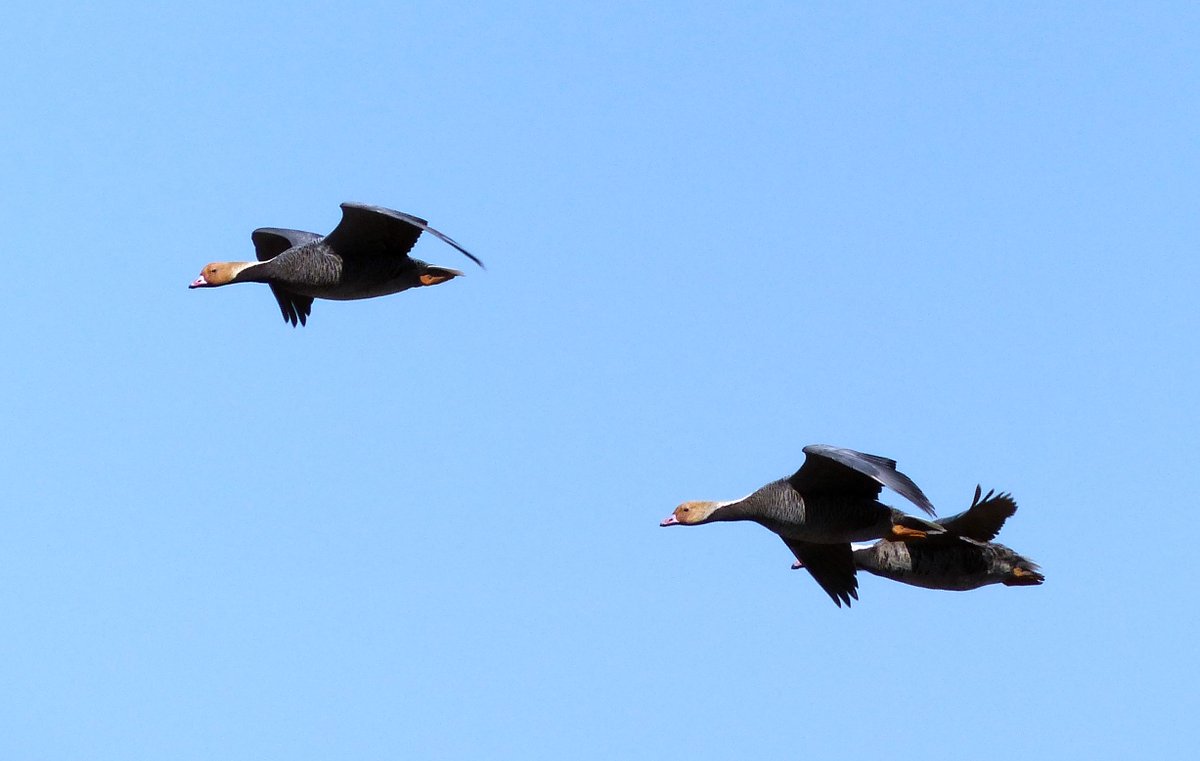
Regulations for the 2025 Alaska migratory bird harvest took effect April 2. At the Alaska Migratory Bird Co-Management Council's recommendation, harvest of emperor geese is closed until their population increases to a level where harvest may resume. https://t.co/qHJuH7c8QJ
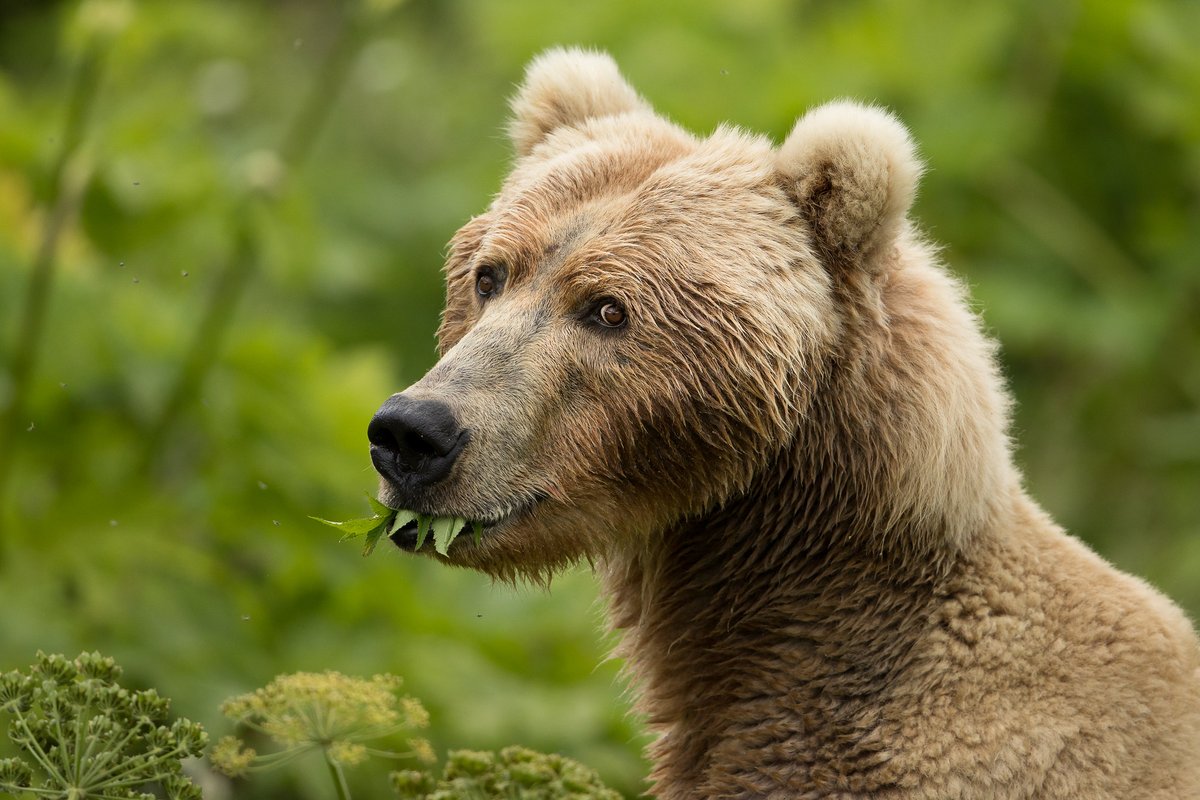
Um, you have something in your teeth… 🐻😁
To understand bears and their behavior, a great place to start is their chompers! Here's a safe view into a bear's mouth. https://t.co/9MO9gFtDwm
📸 USFWS
Kanuti Refuge in Alaska is a 1.6 M-acre wetland haven for 26 documented dragonfly species! More in store at Virtual Youth Fish & Wildlife Club on April 9: Dragons & Damsels Take Flight!
➡️🔗https://t.co/tHJAfg5YFc
Video Description: A damselfly eats a mosquito.
Not your average songbird. Northern shrikes are feathered assassins, turning treetops into hunting perches. They use their bill to hunt other birds and small mammals, sometimes capturing their prey and grounding them with their strong feet to finish the kill.
📷 USFWS
Home tweet home 💕 In spring and summer, this Savannah sparrow lives among southwestern Alaska's Yukon Delta Refuge. Despite 50% annual mortality, these birds return to their birthplaces year after year. 🔗Help migrating birds like these lil' guys: https://t.co/LvB9c9zqzg
📸USFWS
Get that bread-er.. *ahem*- get that fish because today is the official first day of spring in the Northern Hemisphere! Make a splash! Aries season starts tomorrow! Be brave! Sink your claws into the flesh of oceans!
📸 USFWS
Are we there yet? Arctic terns can migrate 55k mi.+ yearly— the longest migration of any bird. Join 🌎 🪶Join the @usfws Virtual Youth Fish & Wildlife Club on Weds., 3/19 for "Marvelous Migrations." Perfect for nature-loving kiddos. Every week until 4/30! 🔗⬇️
📸 USFWS
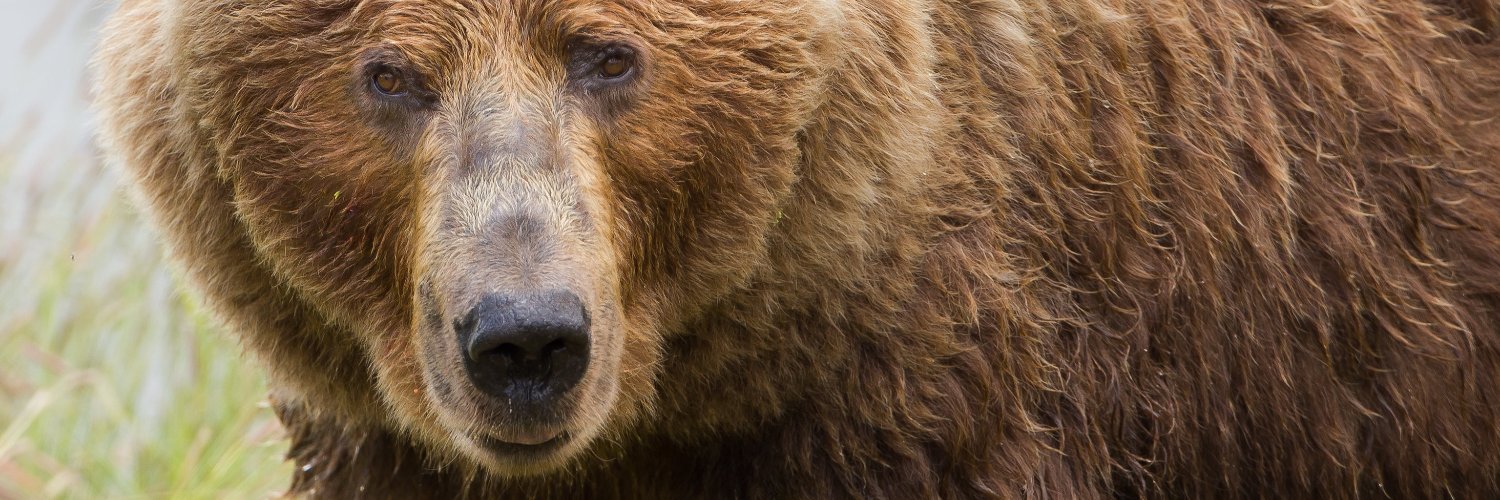
🍀Feeling lucky? Spot the brown bear in Arctic National Wildlife Refuge. Across Alaska, bears are emerging, so check your bear spray's safety features and carry it. Travel in groups and make noise in bear country. 📸 USFWS
Bull moose grow a new set of antlers every year after their 1st year of life. Growth begins in spring, and continues into late summer. The "velvet" covering the antler is very sensitive, and will help cool a moose down. A moose in his prime can grow up to a lb. of antler per day!
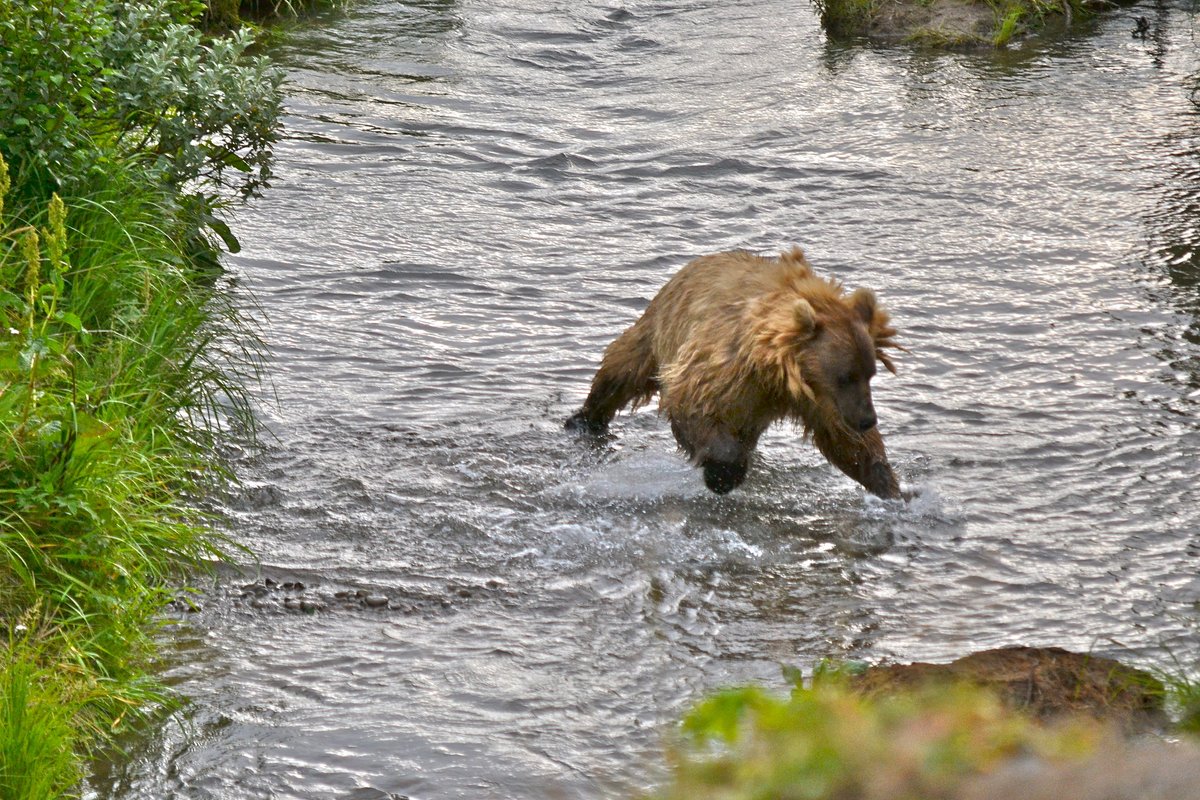
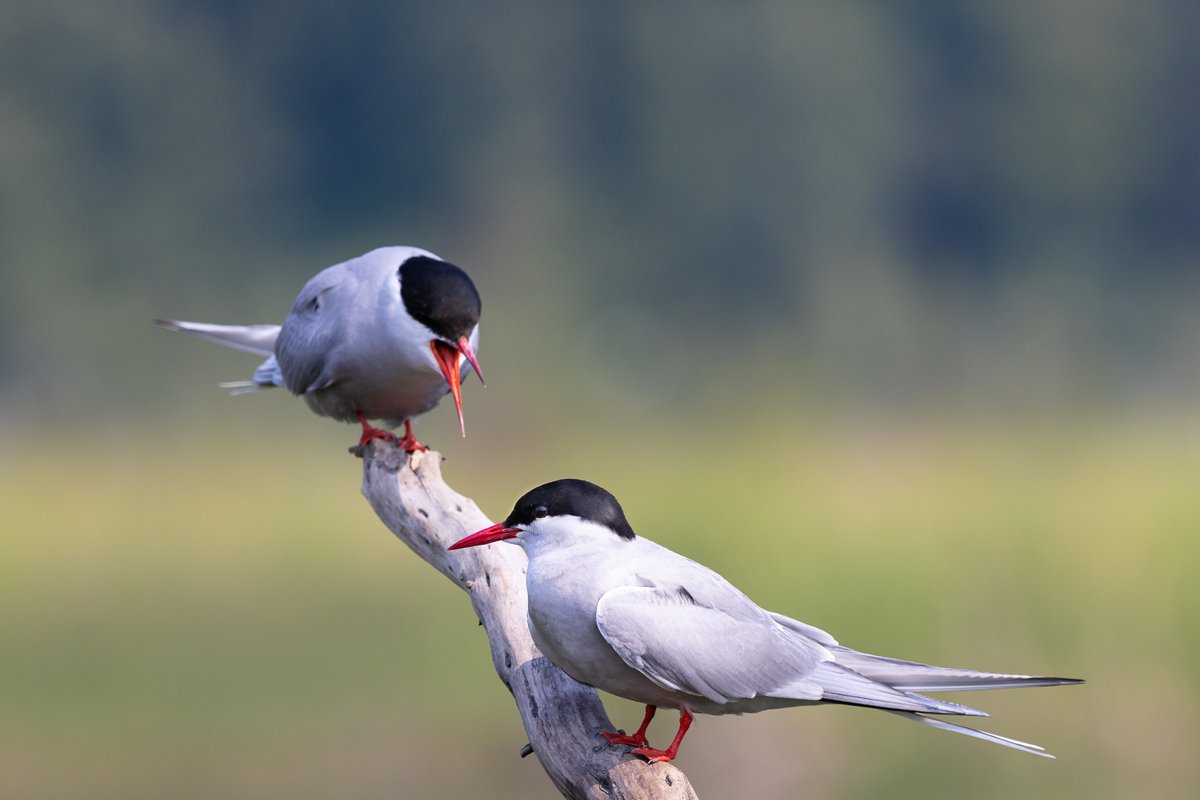
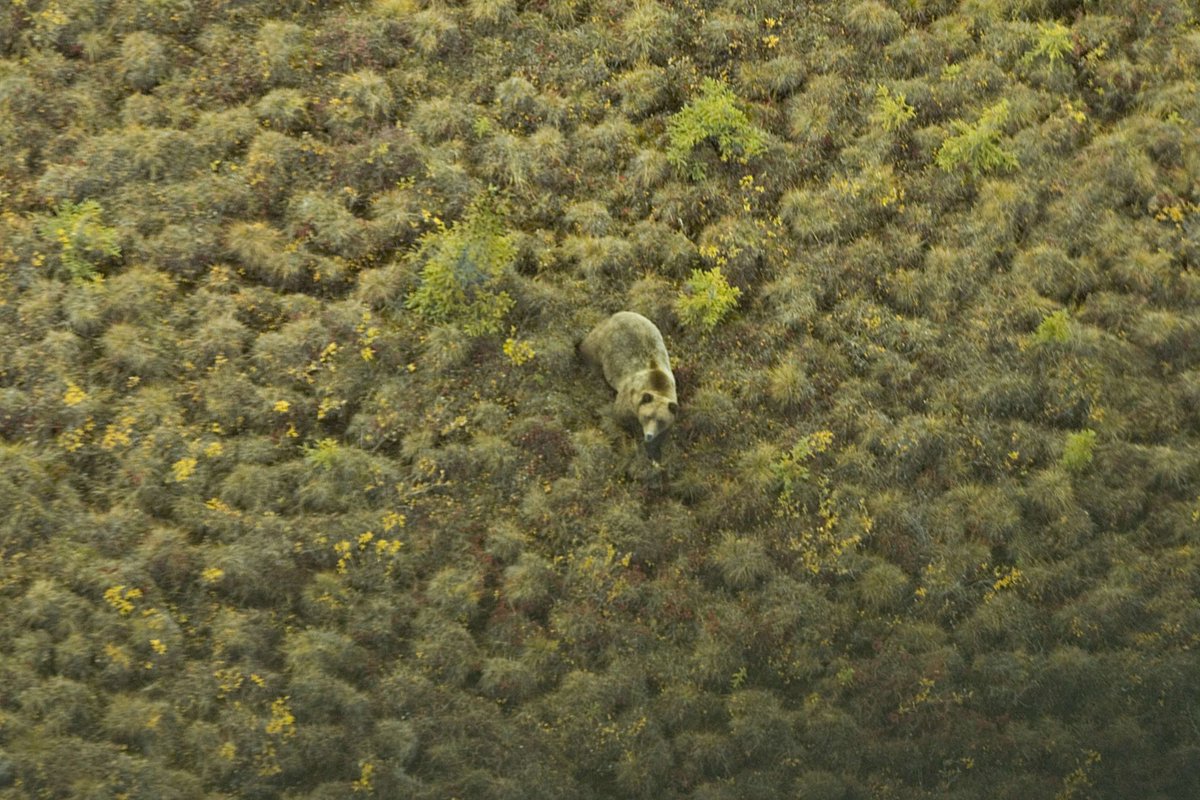
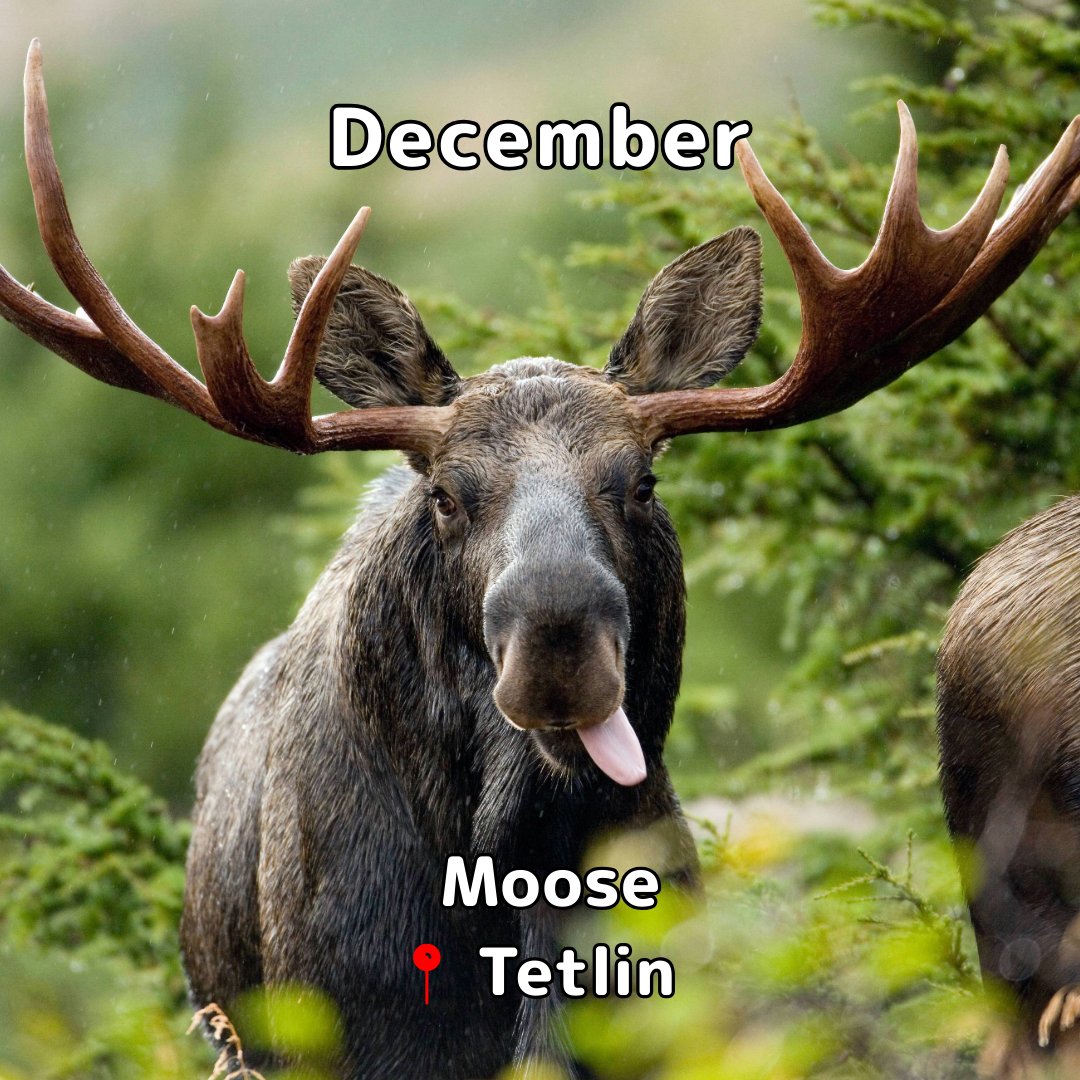
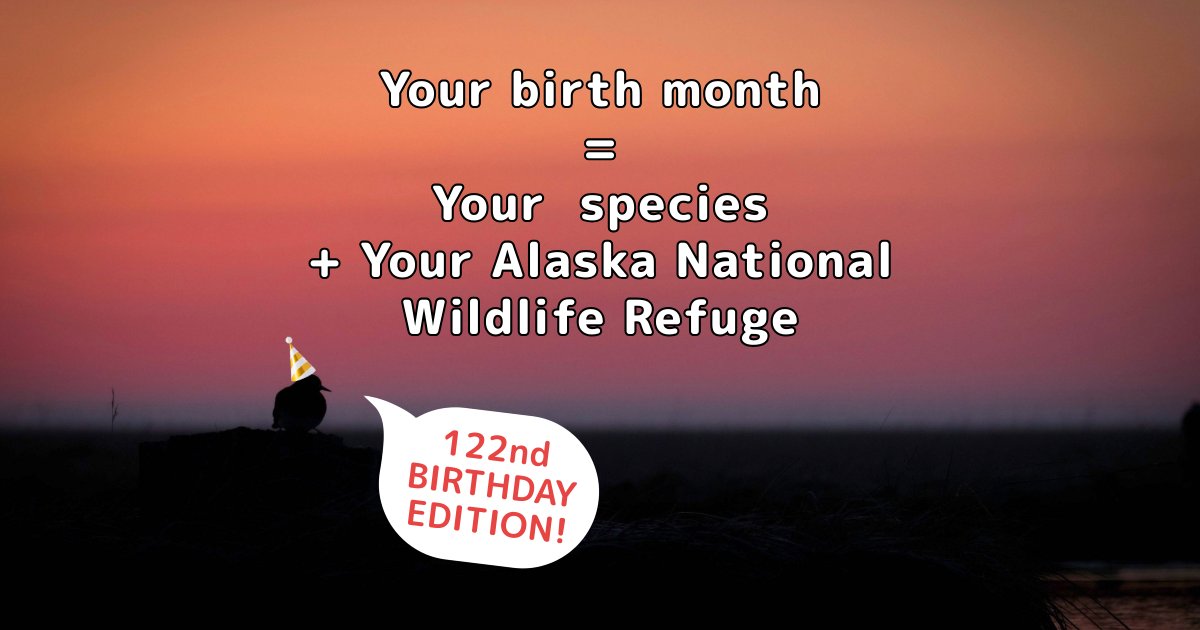
🎂🥳 Today we celebrate 122 years of the National Wildlife Refuge System! Match your birth month with an Alaska refuge. Which one did you get? ⬇️🧵
📸 USFWS
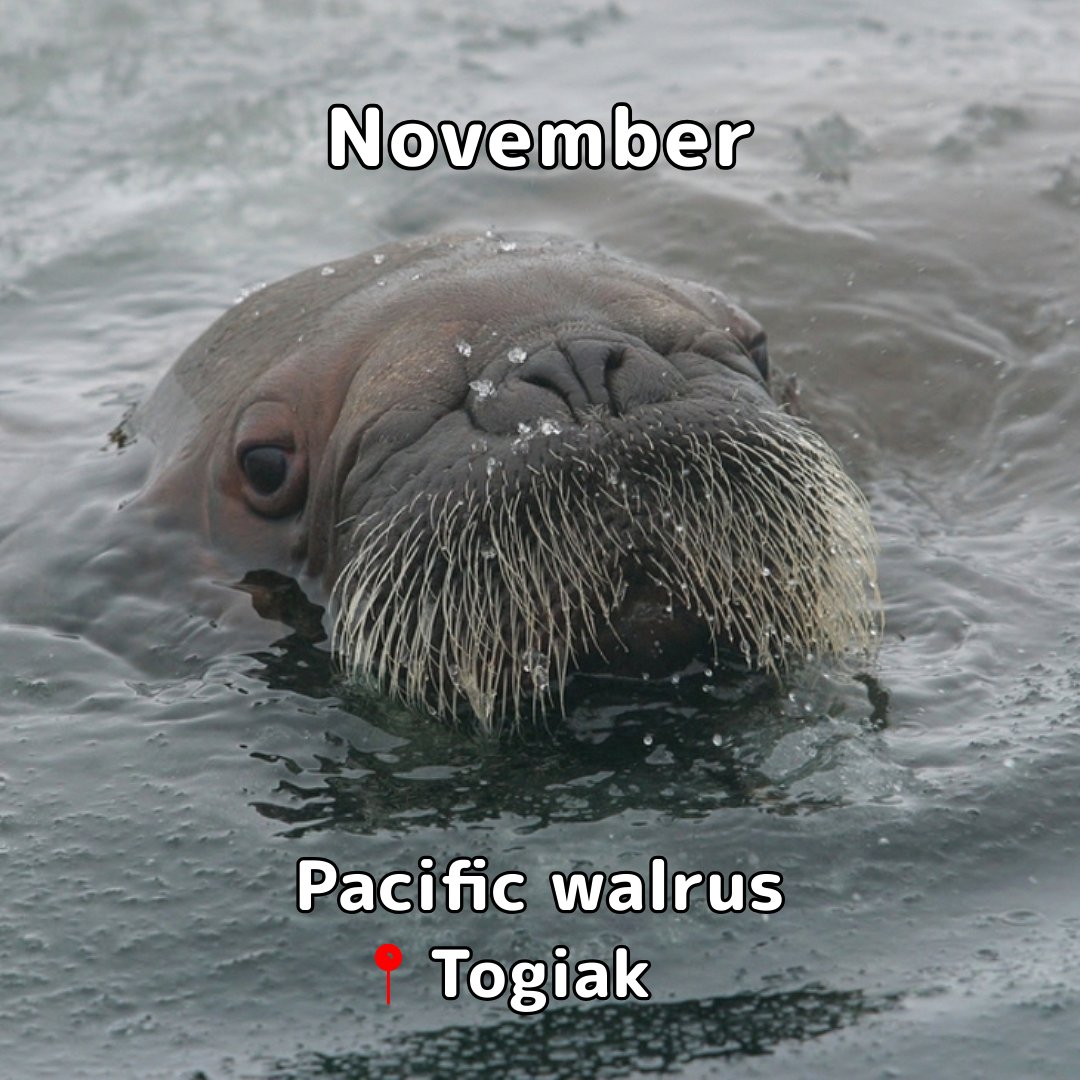
Food and fam. Pacific walruses have 100s of strong, sensitive whiskers that they use to search the seafloor for food. From the Bering Sea to the Chukchi Sea, they stick together through thick and thin with their several inches of body fat to help them survive sub-freezing temps.
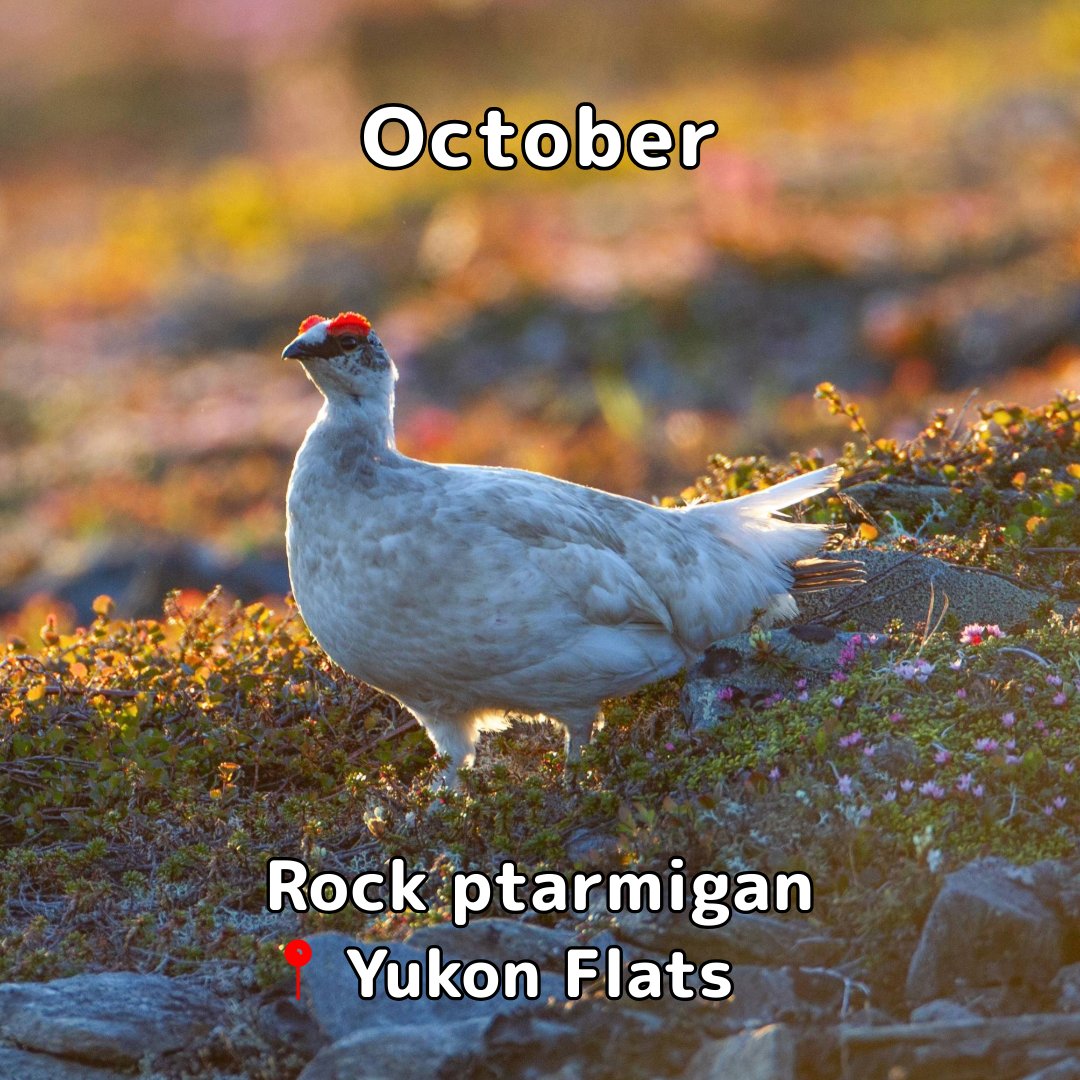
Down to Earth! Rock ptarmigan are the sole bird species that spend their entire life on the windy, chilly tundra. Birds in Central & Northern AK sport white plumage from Oct. to mid-June. In addition to their striking black masks, breeding males sport fleshy & flashy red "combs."