The Communities Delegation to the Unitaid Board represents people living with and affected by HIV, TB and Malaria and those co-infected with HIV and HCV.
Know the trigger. Act early. Stay alive.
Advanced HIV Disease (AHD) can occur even when on treatment. Unexplained weight loss, frequent fevers, recurrent infections, persistent tiredness, and other warning signs should not be ignored.
Seek care early. Early care saves life.
#WorldMentalHealthDay For PLHIV means mental health care belongs inside HIV care.
A 2025 review of 59 studies in 17 African countries: about 1 in 3 PLHIV had depressive symptoms.
PLHIV who felt stigmatised had about 3.6x odds of those symptoms.
@floriako@SboNkosiZA
Every girl deserves the opportunity to live a healthy, empowered, and fulfilling life. Yet for millions of girls living with HIV, this promise remains out of reach.
https://t.co/569SlBwEuC
As the courts have now cleared the legal challenges facing the implementation of the framework, it is upon communities, including PLHIV and TB affected individuals to hold the government to account on their commitments and to deliver #HealthForAll@USEmbassyKenya@MOHMedServices
.@UNAIDS rightly observes that in the era of HIV integration—where vertical, standalone HIV programs are being merged into general primary healthcare, #UHC, and SRHR systems—the GIPA principle faces both critical threats and new opportunities. It is time to finance GIPA @WHO
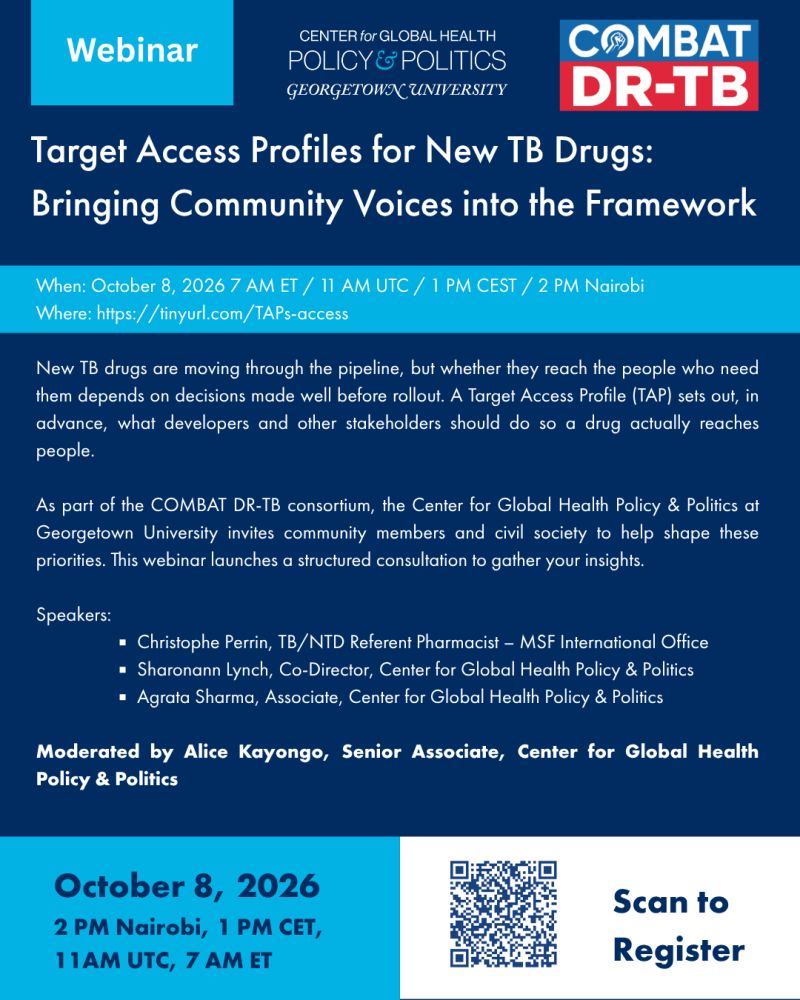
New TB medicines must reach the people who need them most.
The development of new TB medicines brings hope, but innovation alone does not guarantee access. Decisions around clinical trials, registration, pricing, licensing and integration into national treatment guidelines can determine who ultimately benefits.
COMBAT DR-TB invites communities and civil society to join a webinar exploring Target Access Profiles (TAPs) and the role of affected communities in shaping access to new TB medicines.
A TAP looks beyond the characteristics of a medicine itself to consider the conditions required for it to reach people. This includes asking: Who is included in clinical trials? Where will the medicine be registered? Will it be affordable? How will supply and licensing be structured? And how quickly will it reach national programmes?
As part of the COMBAT DR-TB Project, the Center for Global Health Policy & Politics at @Georgetown University will launch a structured consultation process through this webinar.
📅 Thursday, 8 October 2026
⏰ 2:00 PM Nairobi | 11:00 AM UTC
🔗 Register: https://t.co/cvbjdf3Twr
Have your say in shaping what equitable access to the next generation of TB medicines should look like.
#COMBATDRTB
@daktari_ibrahim@TheNyahor@MalecheAllan@TBChampions_ke@TBN_nigeria@TBECoalition@JointedHands@UTDCommunities@UNITAID
HIV cure literacy must be integrated into standard #PLHIV treatment literacy because it bridges the gap between current daily disease management and the future of HIV eradication, protecting patients from misinformation while preparing them for clinical advances @jiasociety@WHO
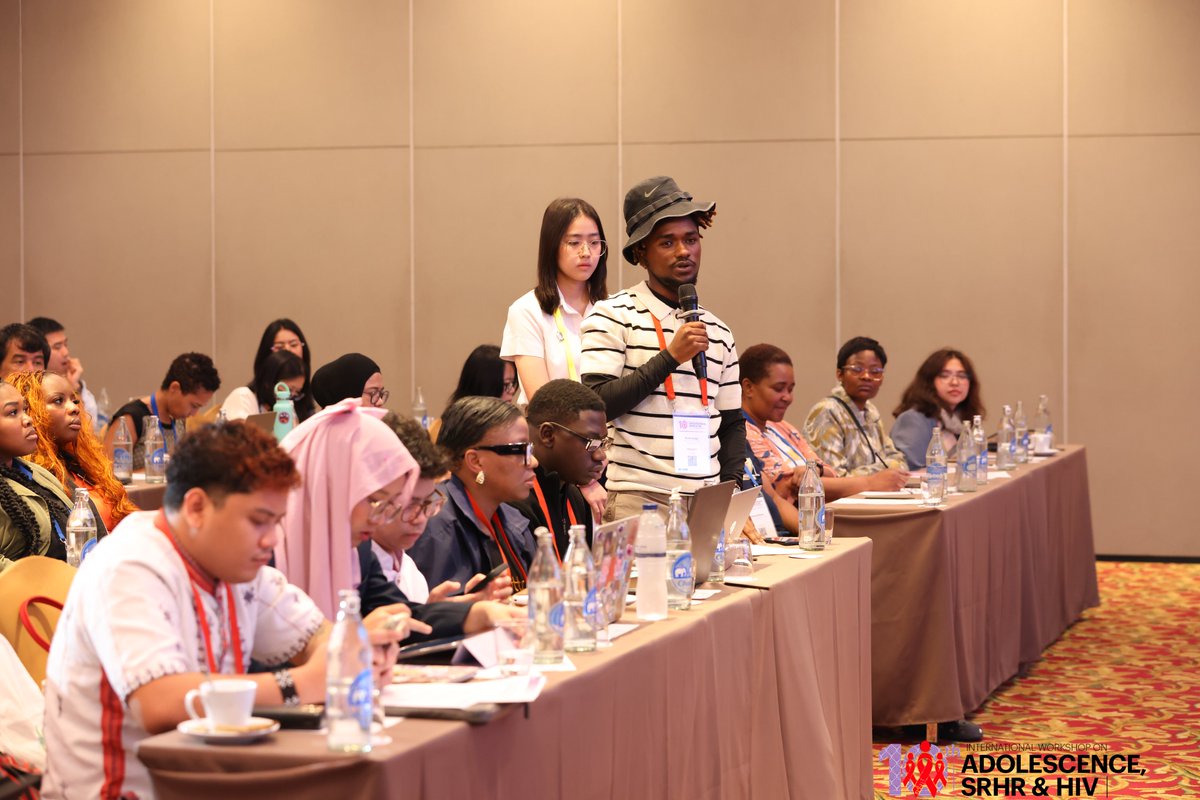
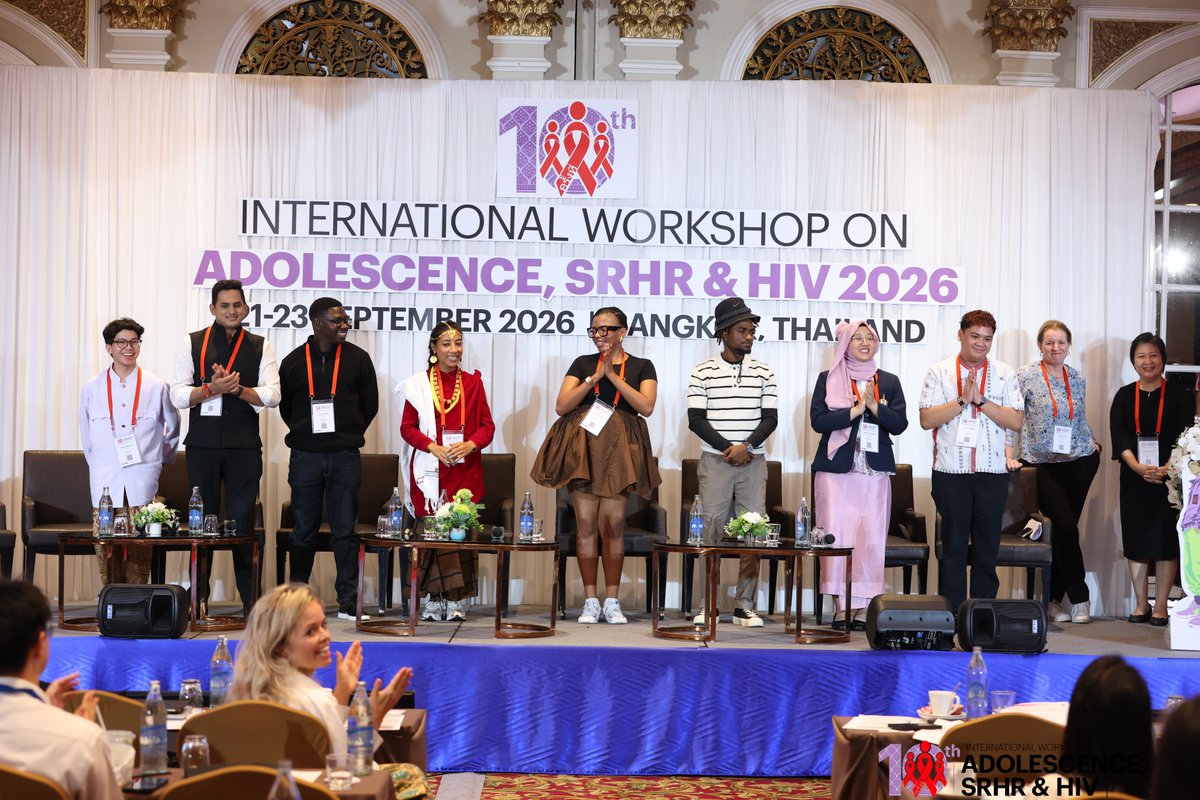
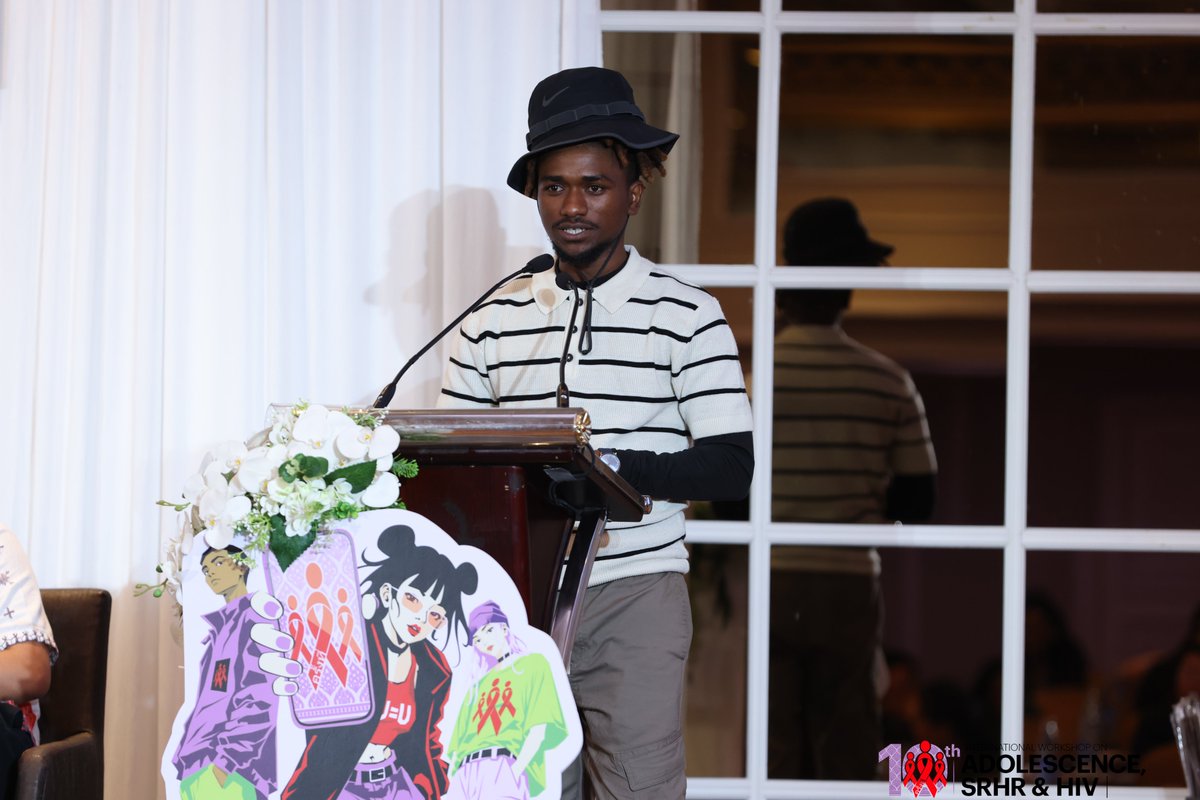
@afrocab_hiv brought African youth and community perspectives to the 10th International Workshop on Adolescence, SRHR & HIV in Bangkok, contributing to critical conversations on the policies, barriers and innovations shaping young people’s access to HIV and SRHR services.
Our message: young people must be equal partners,not just participants in shaping the research, policies, innovations and services that affect their lives.
From research design to product introduction, service delivery and accountability, meaningful youth leadership must be embedded at every stage.
Read more: https://t.co/Jobyzxa9QL
#SRHR #HIV
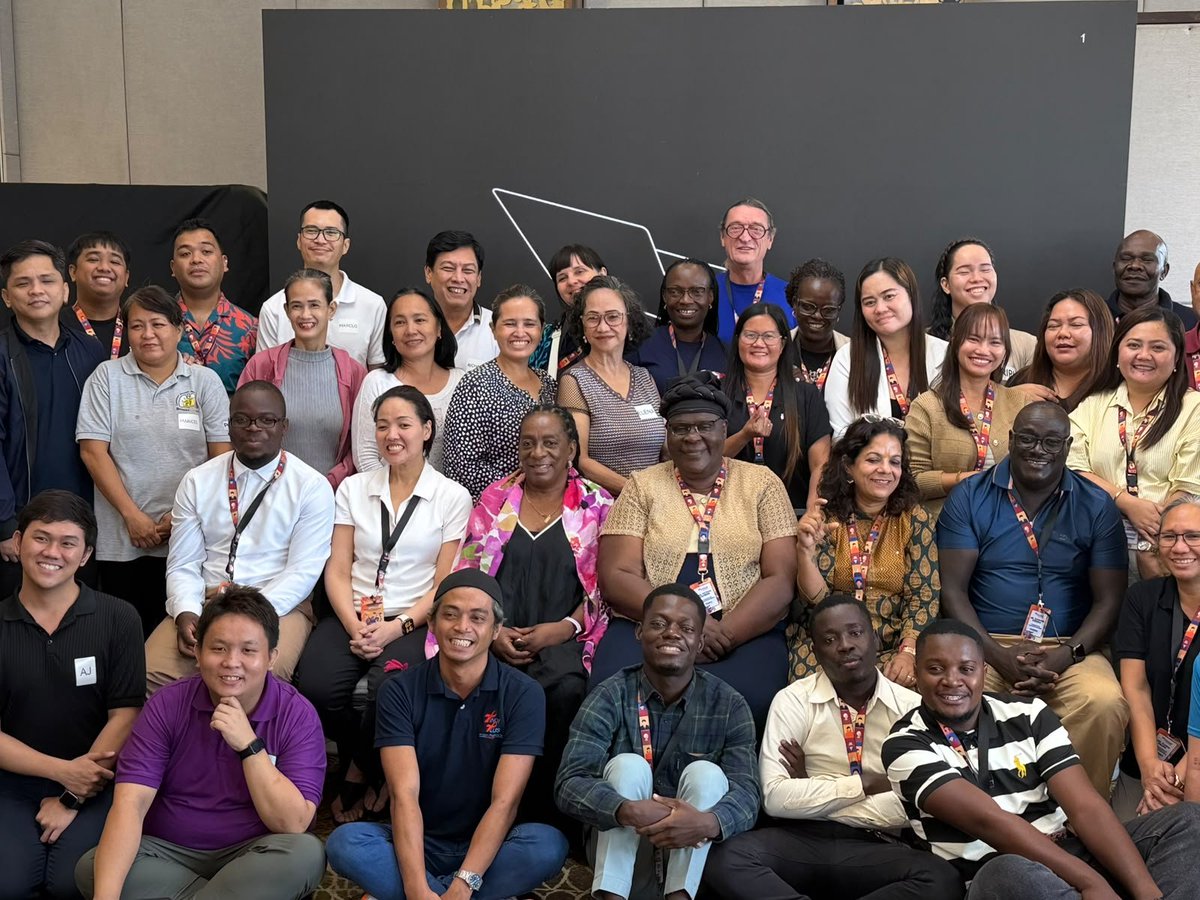
Honoured to be in Manila, Philippines, for the @UTDCommunities Retreat. Grateful to join fellow delegates to reflect, learn, strengthen collaboration, and advance community-led action in global health. Thanks, @UNITAID, for investing in community leadership.
@UTDCommunities@UNITAID Day 1 of the @UTDCommunities Retreat in Manila: Capacity building
Group discussions and hands-on team exercises kick-started the retreat. Delegation members from different countries came together to exchange perspectives and build the skills that will shape the delegation's work.
@UTDCommunities@UNITAID Day 2 of the @UTDCommunities Retreat in Manila: The main focus was on strengthening community and civil society engagement, alongside consultations to shape priority recommendations for the 2028–2032 @UNITAID Strategy to ensure equitable access.
Posters may catch attention, but stories move people. Stories inspire action, build trust, and stay with us long after we've walked away. If we want change, let's tell the stories that matter. @UTDCommunities@UNITAID@UtdAdvocates@aidscommission
@UTDCommunities@UNITAID@UtdAdvocates@aidscommission Stories don't just spread information—they spread emotion, experience, and hope. When people see themselves in a story, they listen. When they feel it, they share it. That's how movements grow, and communities lead change.
@UTDCommunities@UNITAID@UtdAdvocates@aidscommission Stories should never end with applause—they should lead to action. Let's invest in meaningful community engagement, where lived experiences inform policies, improve services, and strengthen accountability. When communities shape the conversation, they also shape the solutions.
@UTDCommunities@UNITAID Day 3: Manila site visits
The Communities Delegation visited the Lung Center to learn about DR-TB care and the Batasan PHC Facility to explore cervical cancer services.
Seeing community-centred care in action reinforced the importance of resilient, people-first health systems.
Day 4: Collaboration in action.
The Communities Delegation met with grant implementers and community stakeholders to discuss what is working, challenges that remain, and how stronger partnerships can improve access to quality services.
Communities must remain at the centre.
@UNITAID For me, meaningful global health leadership is measured by what reaches communities. Innovation must translate into equitable access, stronger systems and measurable impact while communities remain partners in shaping priorities, solutions and accountability. @UTDCommunities
At the High-Level Engagement with East African Community Civil Society Organizations on SRHR/HIV/GBV under @eannaso and @unfpa, @UNICEF, @UNAIDS and @WHO regional representatives, @afrocab_hiv added its voice to an urgent conversation on the future of community-led HIV and SRHR responses.
Sudden donor shifts and funding cuts are putting community-based interventions and models at risk, with communities increasingly pushed back towards already overburdened facility-centred care.
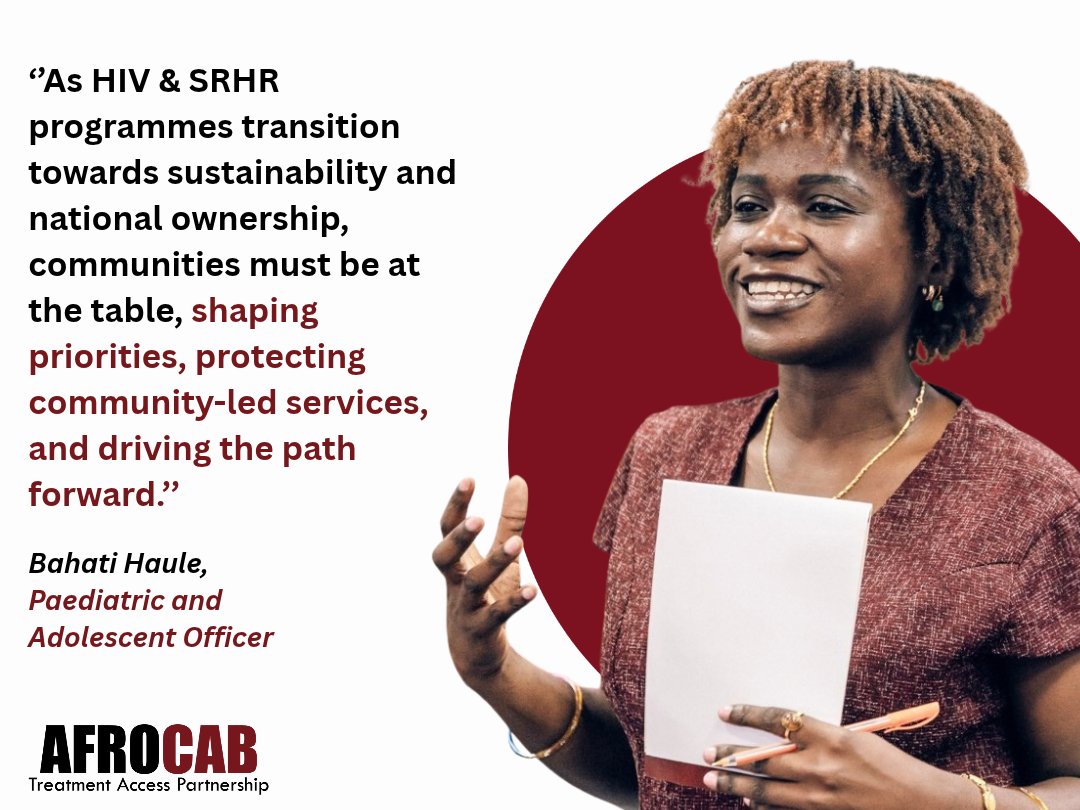
As governments and global partners plan for sustainability, transition and greater national self-sufficiency, communities must be at the table, not simply consulted after decisions are made.
Sustainable transitions must protect community-led services, invest in the systems communities have built, and ensure people most affected by HIV and SRHR challenges help shape the priorities and investments that affect their lives.
#CommunityLeadership
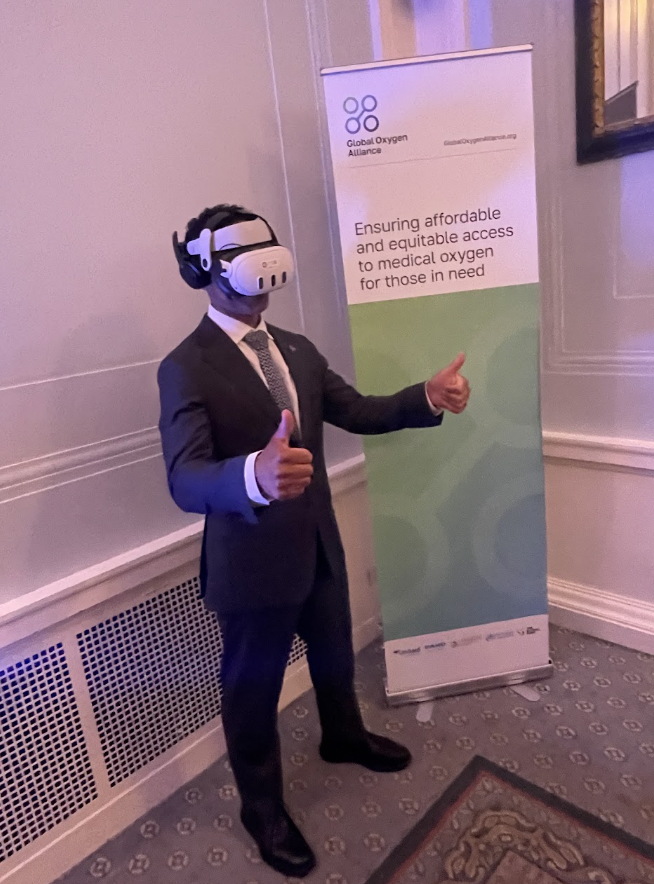
Louis and Maurine both needed oxygen during COVID-19.
In Portugal, Louis received it continuously for two weeks.
In Kenya, Maurine had to raise money to access it.
Why does access to a century-old essential therapy still depend on where you live?
https://t.co/ja4GOoKRKT