Biotech equity analyst. Experimental systems biology PhD from Karolinska Institutet, postdoc in psychotropic drug discovery. Opinions expressed are my own
"If it was good news, it would have been leaked. We'd all know about it. Donald Trump would stay around to sign and pass out pens. The fact that he is getting out of town does not bode well," @DavidJUrban says of the MOU.
Just out: presented at #EHA26 and published @NEJM
Randomized trial of 2 talquetamab combinations vs DPd in relapsed myeloma. The Monumental-3 trial.
Both Talq-Dara-Pom and Talq-Dara beat DPd in PFS and OS.
Choice of a Talq combination vs Tec or Tec-Dara in relapsed myeloma will be driven by patient and disease factors and requires significant expertise. Congrats @RobertoMinaMD@PlasmaCellPete@mbeksac56@paurotero@mvmateos@thanosdimop@RahulBanerjeeMD et al.
https://t.co/DA04B3OjgS
In 1943, Swiss chemist Albert Hofmann accidentally absorbed a tiny amount of LSD through his fingertips and spent the afternoon mildly hallucinating at his desk. Three days later he accidentally took 10 times than the standard recreational dose.
He drank what he believed was a cautiously small dose, and unknowingly took ten times a modern recreational amount with no frame of reference whatsoever.
At precisely 4:20pm on April 19, Hofmann dissolved 250 micrograms in water and drank it.
By 5:00pm his lab journal entries were deteriorating. Dizziness. Anxiety. Visual disturbance. Writing became impossible.
He asked his assistant to take him home. Wartime Basel had banned private cars, so the only option was a bicycle.
He spent the ride convinced his neighbour was a witch and that he had gone permanently insane. April 19 is now celebrated annually as Bicycle Day.
Hofmann later discovered that 20 to 30 micrograms were sufficient for noticeable effects. He had taken more than twelve times that amount.
He lived to 102, took small doses for the rest of his life, and called LSD his "problem child." He never regretted discovering it.
@john_hersc79276@adamfeuerstein No, bc in this case the crossover doesn’t count as 2L in the traditional sense, bc they never actually get a 1L, given unable to get SoC, so simply counts as equivalent to an OS event for control, and effectively increases the power for the active arm.
@john_hersc79276@adamfeuerstein You could almost certainly score a win by making sure to include patients who progress too quickly to get systemic Tx - there are a lot of them. Give them an oral, get them controlled, and then admin chemo. Cross over all pts on control arm who can’t get systemic.
As the global competition in artificial intelligence heats up, Chinese developers are sinking data centers beneath the ocean surface to dramatically reduce cooling costs.
The innovative approach already has underwater facilities operating off the coasts of Shanghai and Hainan. These subsea data centers take advantage of the ocean’s naturally cold and stable deep waters for passive cooling.
Traditional land-based data centers spend 40 to 50 percent of their energy on cooling. By submerging the servers, operators say they have cut that share to under 10 percent. This eliminates the need for massive industrial chillers, sharply lowering electricity consumption, carbon emissions, and freshwater usage.
Yet the strategy carries significant environmental risks. The intense heat discharged by densely packed servers is raising alarms among marine scientists. Rapid deployment in the race for AI supremacy could create artificial warm zones in the ocean, potentially harming sensitive marine ecosystems and forming localized dead zones.
With the long-term effects on ocean life still unknown, critics argue that this underwater expansion risks prioritizing technological speed over careful stewardship of the marine environment.
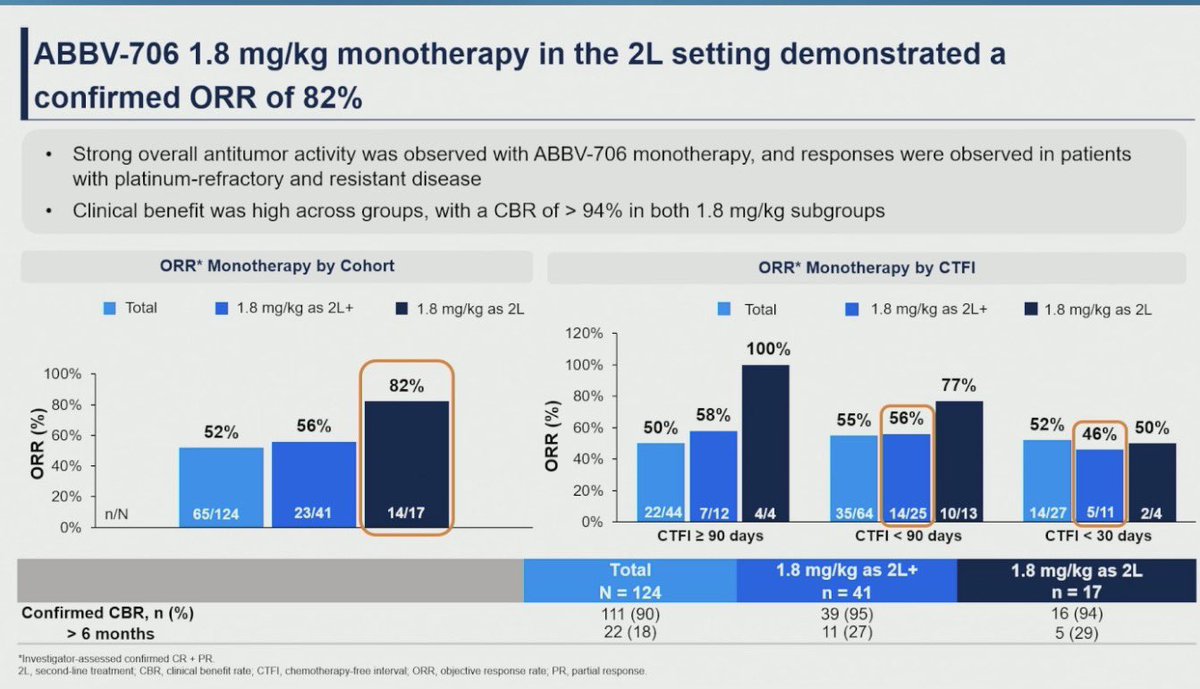
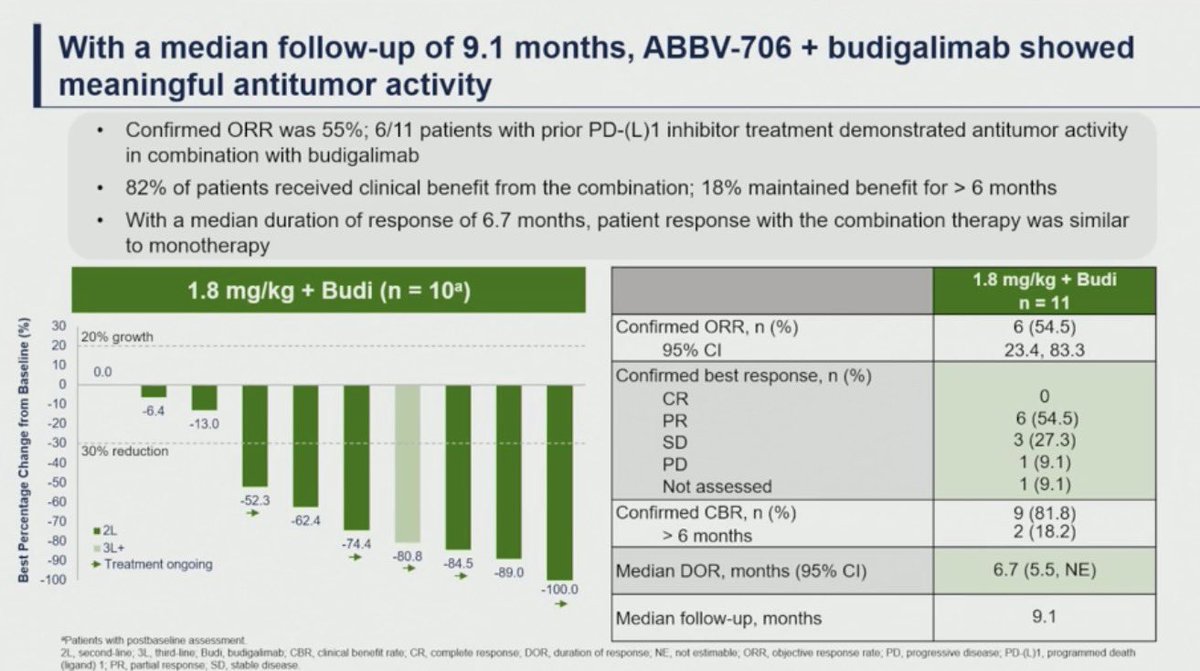
Dr. @LaurenByersMD at #ASCO26 presents data on SEZ ADC ABBV-706 in SCLC RR 52% (82% at 1.8mg/kg pure 2L, n=14) and with budigalimab (PD-1) RR 55% (6/11). Encouraging, but small numbers. G3+ TRAEs in 61% of patients with 3 deaths (thrombocytopenia, ILD, pneumonitis).