🌐 Your browser knows a lot about you. Help it protect your privacy.Take two minutes to:
🛡 Block third-party cookies
🛡 Turn on Safe Browsing
🛡 Review camera & location permissions
🛡 Use Private/Incognito mode when appropriate
#DigitalSafety
📱 Your device is your digital home. Protect it.
A locked phone or laptop is much harder for attackers to access.
✅ Enable PINs or biometrics
✅ Keep your software updated
✅ Don't share passwords
✅ Think carefully before sharing personal information online.
#DigitalSafety
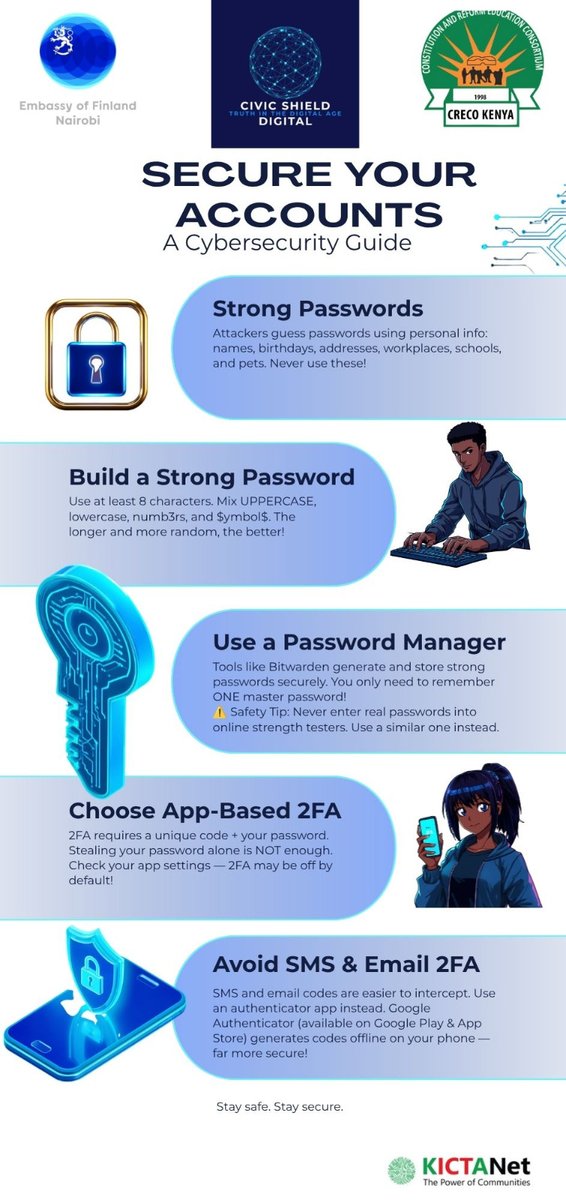
Most cyberattacks don't begin with sophisticated hacking,they begin with weak passwords.
✔ Use long, unique passwords
✔ Store them in a password manager
✔ Enable app-based 2-Factor Authentication (2FA)
❌ Avoid using birthdays, names, or common words.#DigitalSafety
On this blessed occasion of Eid al-Adha, Civic Shield Digital wishes all Muslims peace, joy, and abundant blessings as you celebrate faith, sacrifice, and unity with loved ones.
Meet Our Expert Panelists!
Our panelists will unpack the legal and ethical issues shaping today’s digital landscape, including data privacy, AI in civic spaces, cybercrime, and the protection of digital rights during elections and beyond.
Hello wazalendo, here are the active calls for public participation.
1. The Finance Bill (National Assembly Bill No. 26 of 2026)
Deadline: 25th May 2026
Link: https://t.co/M0gVoZD3ow
2. The Referendum Bill 2026 (Senate Bills No. 3 of 2026)
Deadline: 29th May 2026
Link: https://t.co/WHLHfKiIhn
3. Public Finance Management (Amendment) Bill 2026
Link: https://t.co/qM7pvhxBzc
Written submissions should be submitted by 24th May 2026.
4. Public Finance Management (National/County Governments) (Amendment) Regulations 2026
Link: https://t.co/DYwbk7zdLO
Written submissions should be submitted by 24th May 2026.
5. Draft Public Finance Management (E-Citizen System Management) Regulations 2026.
Deadline 29th May 2026
Public consultations will be held on 25th May 2026 at Kenya School of Government
Link:https://t.co/SlXs3zqIU4
6. Consideration of the Estimates of Revenue and Expenditure for the National Government for FY 2026/2027 and the Medium-term
Deadline: 25th May 2026
Look out for a breakdown of the proposals on our social media handles.
#PublicParticipationKE
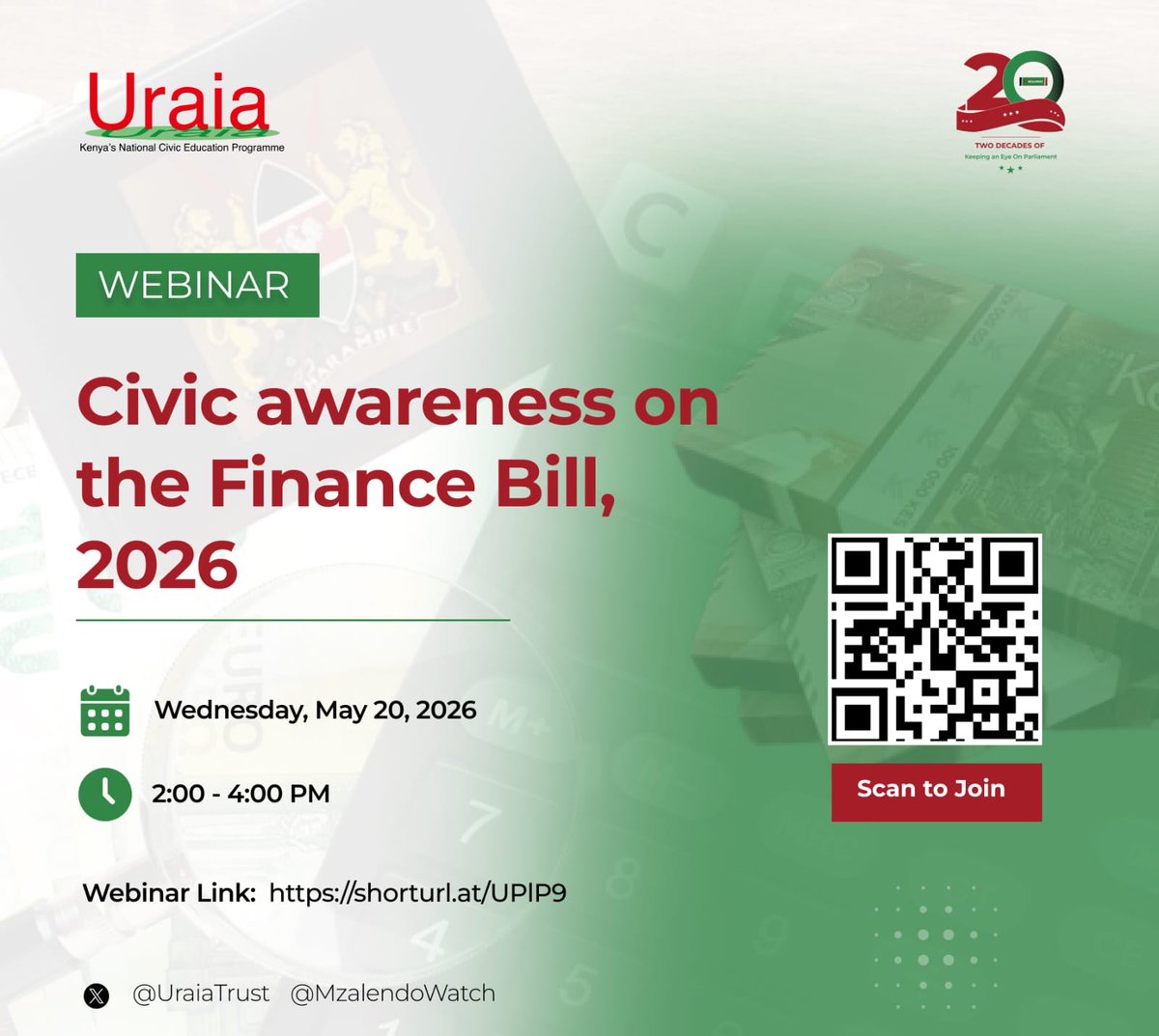
🚨 Do you know what's in Kenya's Finance Bill 2026?
Join @UraiaTrust & @MzalendoWatch TOMORROW for a free civic webinar breaking it all down.
📅 Wed, May 20 | ⏰ 2–4 PM
🔗 https://t.co/naiFmdDNXu
RT to spread the word! 🇰🇪 #FinanceBill2026#Uraiatrust
Join us this Thursday for an informative webinar on how to be on the right side of the law as you exercise your civic duties online.
Register in advance for this meeting:
https://t.co/lPLQpntQKy
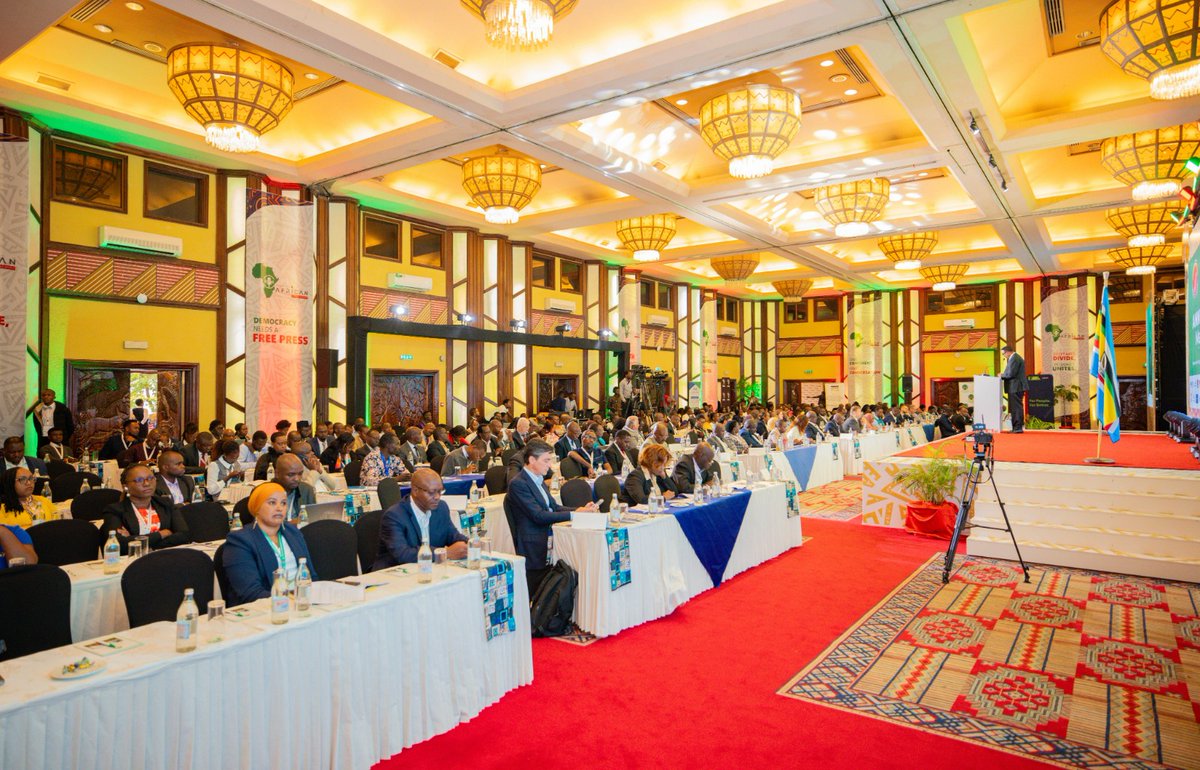
Today, we had the privilege of joining bold conversations on Information Integrity, Digital Platforms & Media in Africa. From tackling misinformation to shaping the future of digital civic spaces, the insights gained are shaping a more informed and resilient Africa.
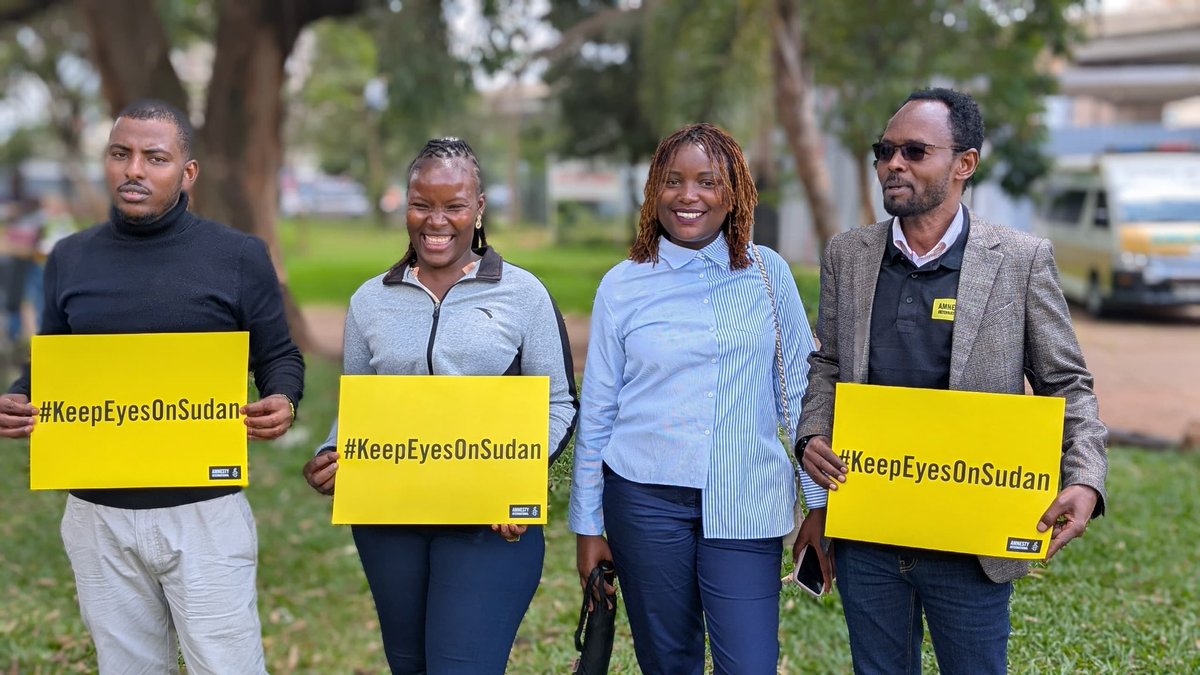
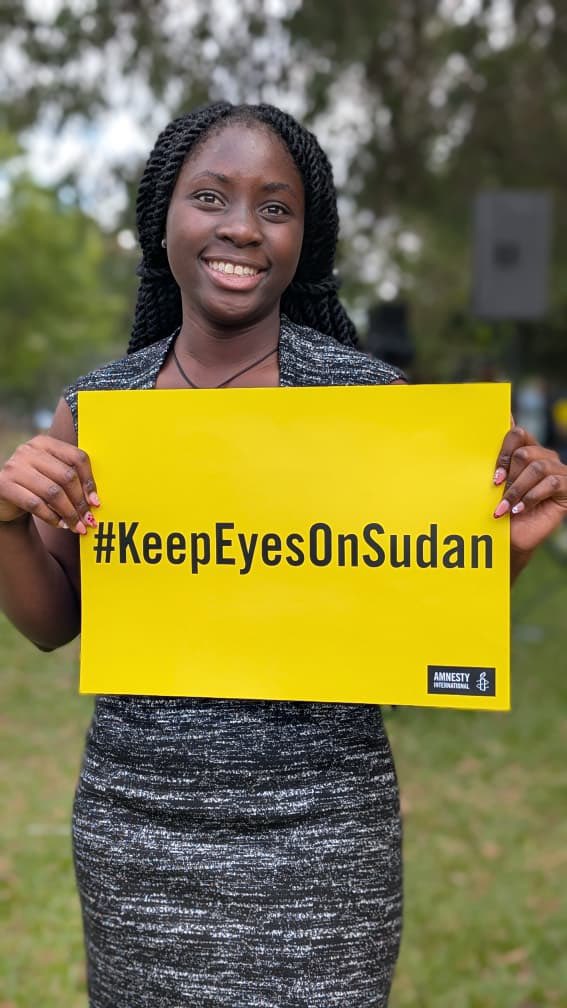
Today we joined Amnesty International and other partners at Freedom Corner to mark three years of solidarity with the people of Sudan.
The gathering was a moment to reflect and to remind ourselves that the crisis in Sudan is ongoing. Millions of people continue to face displacement, violence, and uncertainty. Even as global attention shifts, the situation on the ground remains serious and requires continued attention.
Being at Freedom Corner,a space that represents struggle, courage, and civic action,made the moment even more meaningful. It was a chance to stand together, to raise awareness, and to call for accountability and protection of civilian lives.
The message is simple: Sudan must not be forgotten.
We must continue to speak, to share, and to stand in solidarity.
#KeepEyesOnSudan
We’ve seen it happen slowly, almost quietly; encroachment into Ngong Forest, clearing of indigenous trees in Karura Forest, and now a proposal to take part of Nairobi National Park to create parking space linked to Bomas of Kenya. It may sound technical. Procedural. Even justified on paper. But for many of us, it feels like something we deeply value is being chipped away, piece by piece. These are the places where people go to breathe, to walk, to feel a sense of belonging. They are ecosystems that protect our air, regulate our climate, and hold biodiversity that cannot simply be replaced. Once lost, they are gone.
Article 42 of the Constitution guarantees every Kenyan the right to a clean and healthy environment. Article 69 goes further, it places a duty on the State to protect forests, biodiversity, and natural resources for present and future generations. This is not optional.
The Environmental Management and Coordination Act, under Section 58, requires that any project with potential environmental impact must undergo a proper Environmental Impact Assessment, not as a formality, but as a safeguard.
The Forest Conservation and Management Act 2016 also demands due process, including meaningful public participation, before any changes to protected forest areas can happen.
During the recent public participation processes around the proposed developments, many citizens and conservation groups raised concerns; about the scale, about the intent, about the long-term impact. Questions were asked. Objections were made.
Yet, from the outside looking in, it feels like those voices did not carry the weight they should have. Because public participation is not just about calling a meeting and taking attendance. Under Article 10 of the Constitution, it is a national value. It must be real. People must be informed, heard, and most importantly; taken seriously.
If decisions move forward unchanged despite clear public concern, then we have to ask ourselves: was the participation meaningful, or was it just procedural? We cannot replace indigenous forests with seedlings and call it restoration. We cannot reduce protected land and call it progress. We cannot ask people to speak, then ignore what they say.
I urge @Environment_Ke ,@KeForestService and NEMA to uphold both the letter and the spirit of the law.
Today!
IEBC is launching Enhanced Continuous Voter Registration (ECVR).
The exercise will take place for 30days upto Tuesday 28th April 2026.
Voter Registration during ECVR will take place in:
a) County Assembly Wards on a rotational basis in accordance with kit movement schedules
b) Universities and Colleges in respective Constituencies
c) Huduma Centres
d) IEBC Customer Experience Center - Anniversary Towers, Nairobi
e) IEBC Constituency offices
NB: ECVR shall NOT be undertaken in electoral areas with scheduled by-elections (Porro Ward, Endo Ward and Emurua Dikirr Constituency) and ongoing election petitions (Malava Constituency and Mbeere North Constituency)
ECVR Theme: Deepening Democracy in Kenya Through Inclusive Voter Registration
Download Gazette Notice:
https://t.co/rKpJSuEIBO
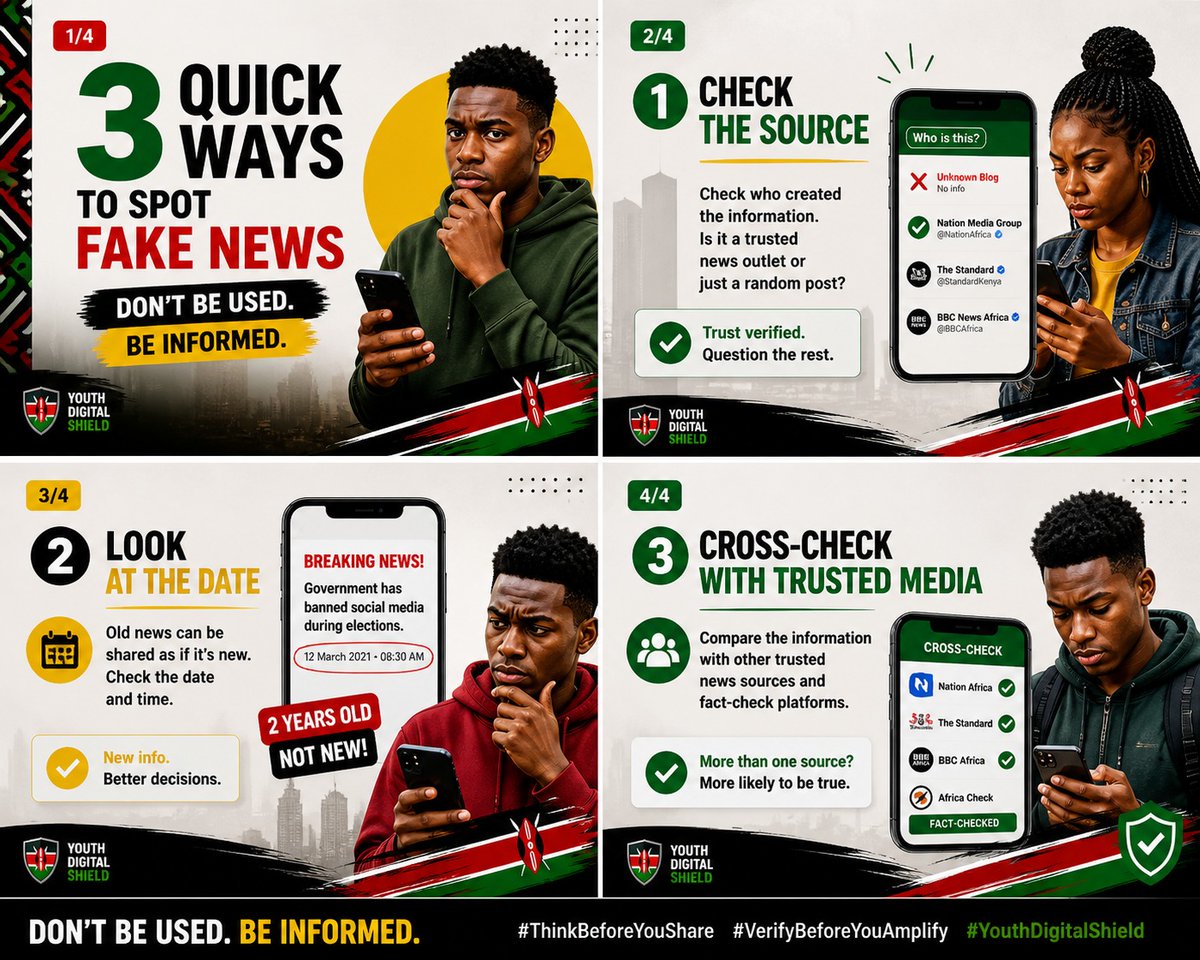
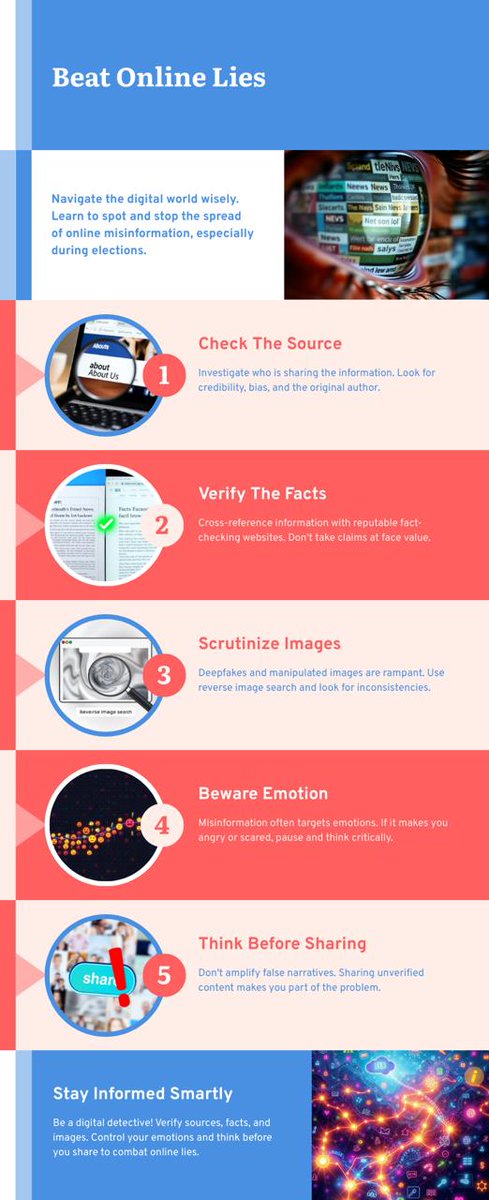
#ECVR2026 #YourVoteYourFuture #14thMayByelections #TalkWithIEBC #StopFakeNews
Nairobi National Park is under pressure.
Friends of Karura Forest stand with @FoNNaPKenya to immediately stop the destruction of 100 acres of upland forest in Nairobi National Park.
Reports confirm tree clearing linked to plans for the new Animal Orphanage and a 1,300-vehicle parking area tied to the Bomas project.
Kenya’s national parks are not parking lots!
Petition link: https://t.co/sSmtlSAmFZ
#SaveNNP #SaveKenyaForests
Public participation has become a standard feature of https://t.co/7K7DYNVZvR the village level, community members show up. They attend barazas. They sit through meetings. Names are recorded. Attendance is confirmed.On paper, participation has happened.But in reality, something critical is missing: understanding.Across many communities, people leave these forums without clarity on what was discussed, what decisions were made, or how those decisions will affect their lives. Budget discussions are presented in technical language. Processes are rushed. Opportunities to ask questions are limited or discouraged. So people listen.They nod.
And then they go home.
This is where the failure lies not in attendance, but in comprehension.Because participation without understanding does not empower communities. It excludes them, quietly, systematically, and repeatedly.When people do not understand:
•They cannot question decisions
•They cannot track how resources are allocated
•They cannot follow up on promised projects
•They cannot hold leaders accountable
And over time, this creates a dangerous cycle: Communities disengage, not because they do not care, but because the system was never made accessible to them.Inclusion in governance must go beyond simply inviting people into the room. It must ensure that people are able to meaningfully engage with what is happening.
This means:
•Using clear, accessible language instead of technical jargon
•Breaking down budgets and plans in ways communities can understand
•Creating space for questions, dialogue, and feedback
•Following up with communities after decisions are made
In Gachuba, through community trainings on rights and responsibilities, we have seen what shifts when understanding is prioritized. People begin to ask questions. They start connecting decisions to real-life outcomes. They follow up. They engage.This is what real participation looks like.Because governance is not just about being https://t.co/HpM8EFt8ed is about being informed.
And ultimately, it is about having the confidence and knowledge to demand accountability.If we are serious about inclusive governance, then we must ask ourselves:
Are people truly participating—or are they simply present?