Empowering communities through skills development, capacity building, and Biblical teachings, driven by compassion, for sustainable impact and transformation
On Sept 12, ETBF Initiative & Global Compassion Coalion held the Festival of Compassion in Kigali .
35 participants joined dialogues on living compassion.
20 hens gifted to 10 vulnerable families!
Together, we are building a stronger #Compassion community
@CompassionMvmt
I AM TAKING PART!
Proud to support JCI SUSTAINABILITY WEEK 2026 and join JCI members around the world in advancing meaningful action for a more sustainable future.
24–30 August 2026 #JCI Sustainability Week | 48 Hours Race to Sustainability | Pin Day Challenge
#jcisustain360
Why household realities must shape poverty policy
One of the main reasons poverty continues is that policies are often designed at a high level, using national figures and technical models, while ignoring what actually happens inside homes. Poverty is not experienced as a statistic. It is felt in daily choices between food, school fees, transport, health care, and rent. When these real life pressures are not taken into account, even well planned programs struggle to work as expected.
In our rural communities , many families depend on very small pieces of land and irregular income from farming. A policy may encourage farmers to use improved seeds or fertilizer, assuming they can pay for them at the start of the season. In reality, a household in places like Nyamagabe or Gakenke may first need to buy uniforms, pay health insurance, or cover basic food needs. As a result, they delay or avoid using the inputs, and the policy fails to deliver the intended results.
In towns such as Kigali or Huye, many young people survive through informal jobs like motorcycle transport, construction work, or small street businesses. These jobs provide income day by day, with little chance to save. When rent goes up or food prices rise, their situation can change overnight. A policy that looks only at employment numbers may miss how fragile these livelihoods really are.
If we want to reduce poverty in a lasting way, we must begin with how households actually live. We need to understand how money comes in, how it is spent, who depends on it, and what risks families face. When policies are built around real family life rather than averages and assumptions, they become more practical, more respectful, and more effective.
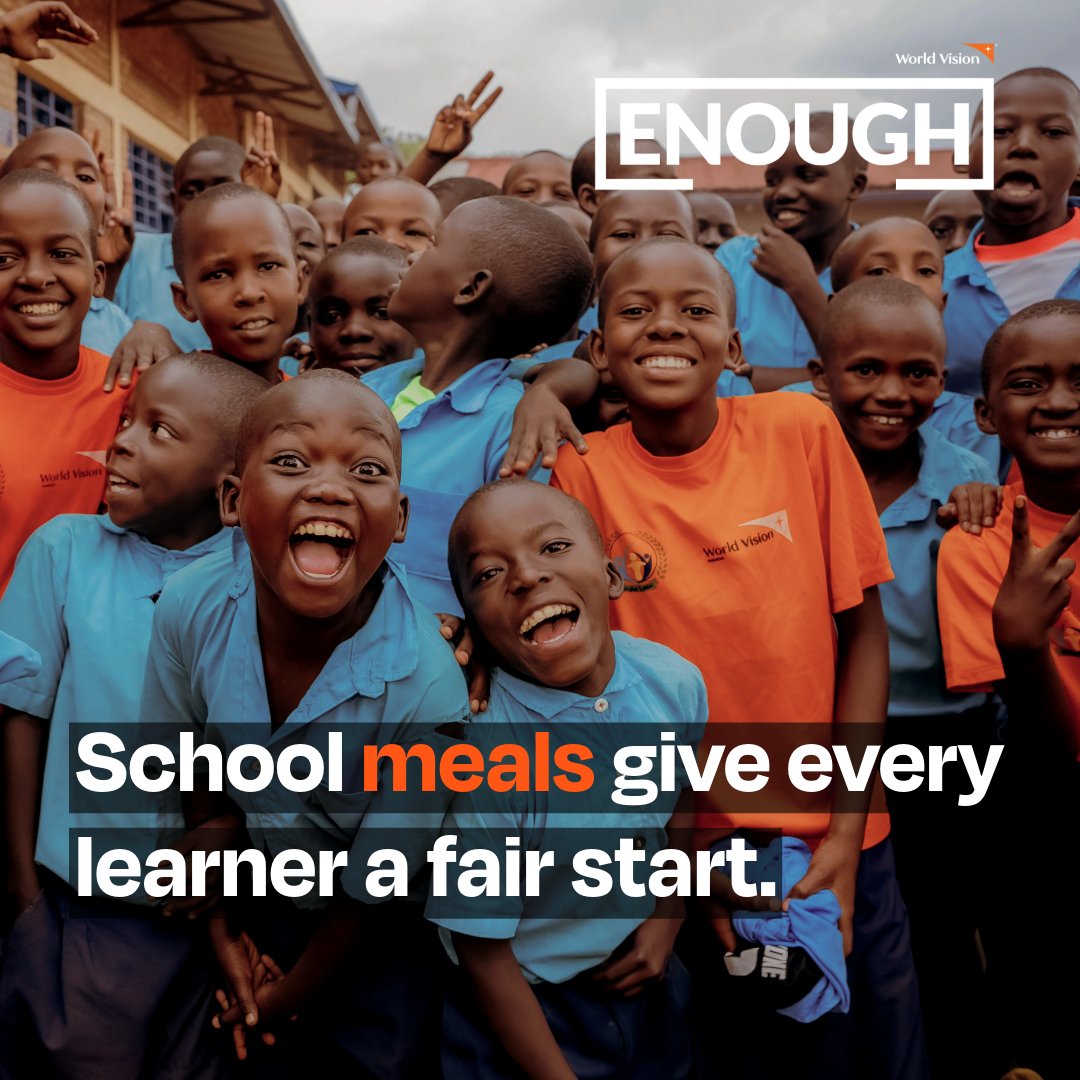
A hungry child cannot focus, cannot dream, cannot reach their potential. By providing school meals, we give every learner a chance to learn, grow & flourish.
As this school term begins, let’s support vulnerable children to access school meals through #TangaIfunguro ⏬
(1/2)
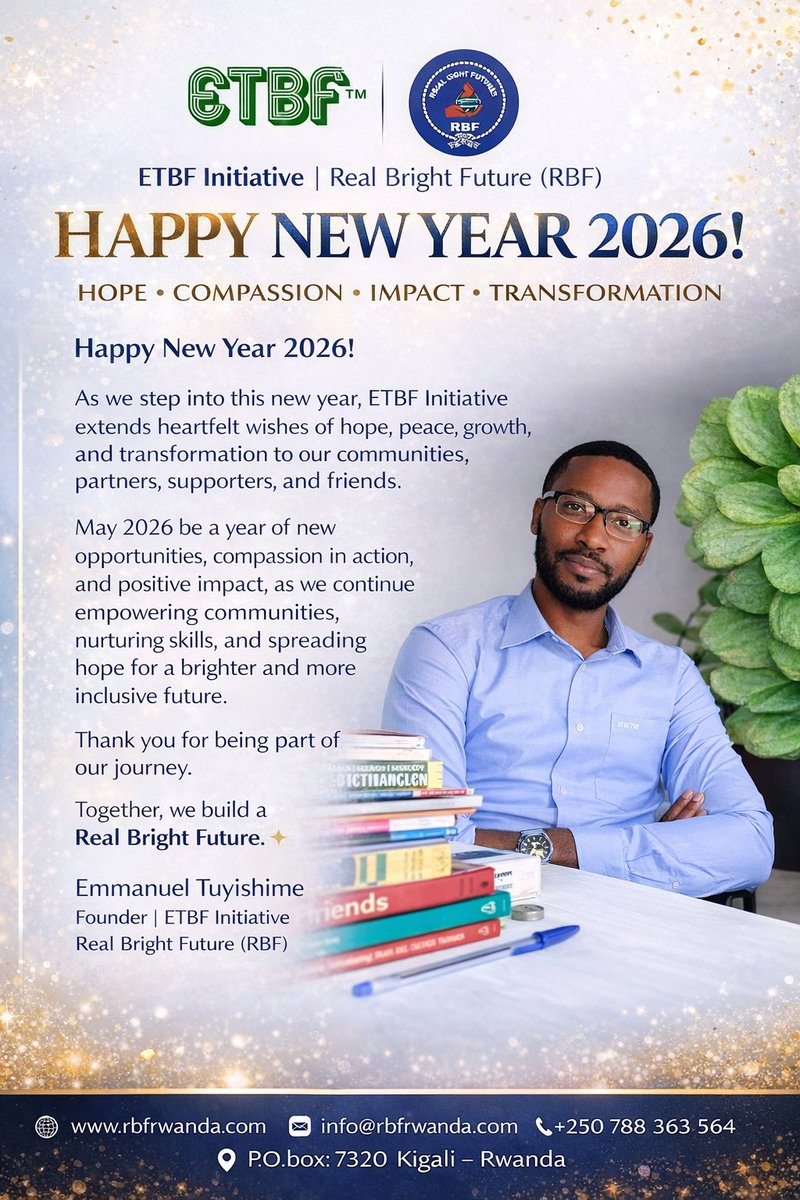
Happy New Year 2026!
A message of hope, compassion, and impact from me as we begin a new chapter together. Thank you for being part of the ETBF Initiative & RBF journey.
Let’s build a Real Bright Future in 2026.
— Emmanuel Tuyishime, Founder_
#HappyNewYear2026#FounderMessage
2 days left — here’s your final checklist.
Before submitting your develoPPP Ventures application, make sure you have:
✔ A clear business and financial plan
✔ Your latest financial statements ready
✔ Information on your matching funds
✔ A strong explanation of how you plan to scale
Small details matter — and clear applications move faster through review.
⏳ 2 days left to complete and submit.
🔗 Finish your application: https://t.co/oXGapifStn
@VC4A_Africa | @deginvest_int
#develoPPPVentures #StartupChecklist
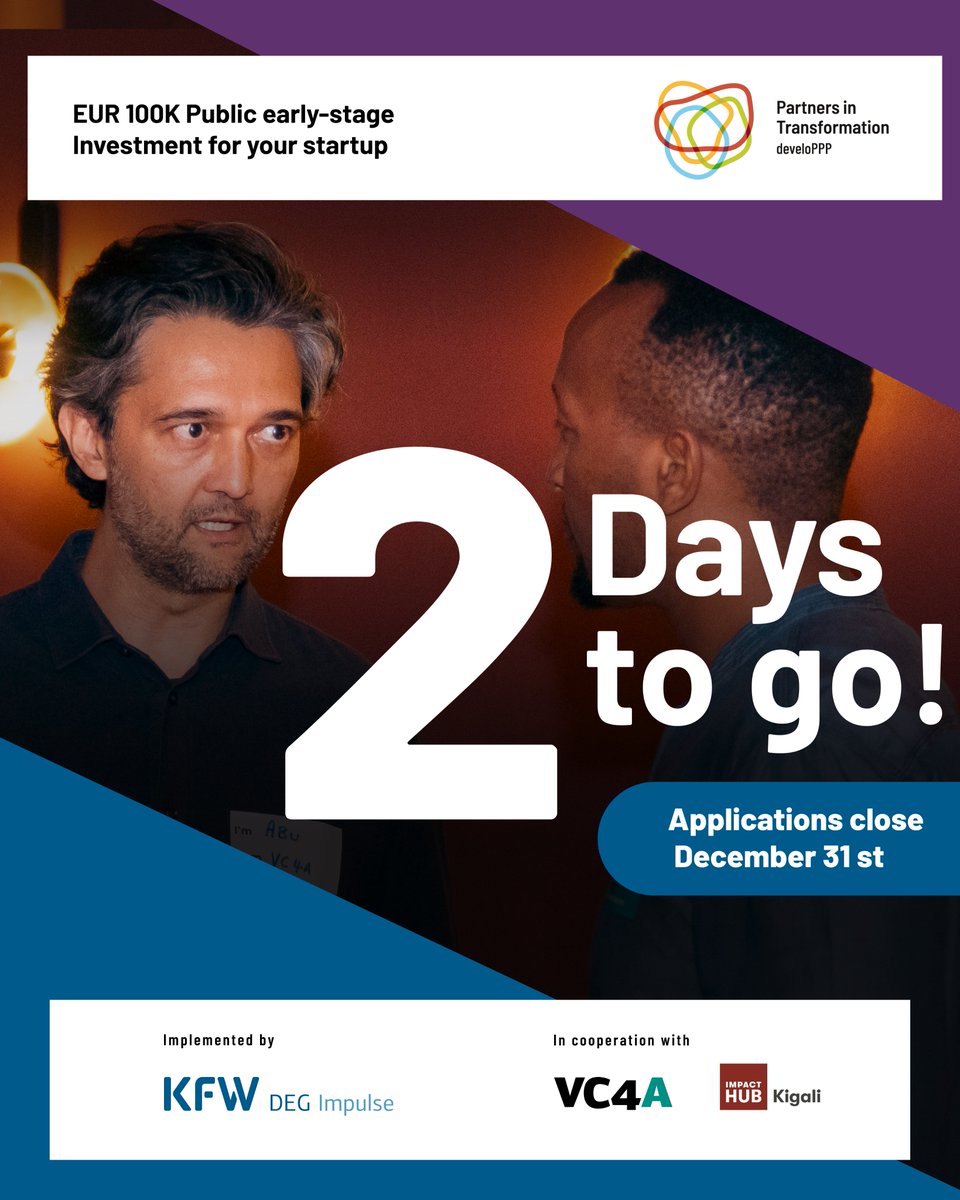
The develoPPP Ventures application window closes on Dec 31st. Don't miss the final window of 2025! Hurry now and apply: https://t.co/tnzzFpAPW5
#developppventures
Calling all social change leaders!
Elevate your work by applying to the fully-funded Atlantic Fellows for Social and Economic Equity programme!
Link: https://t.co/dRkPMVdPOj
Applications must be submitted by 5 pm GMT on 16 January 2026.
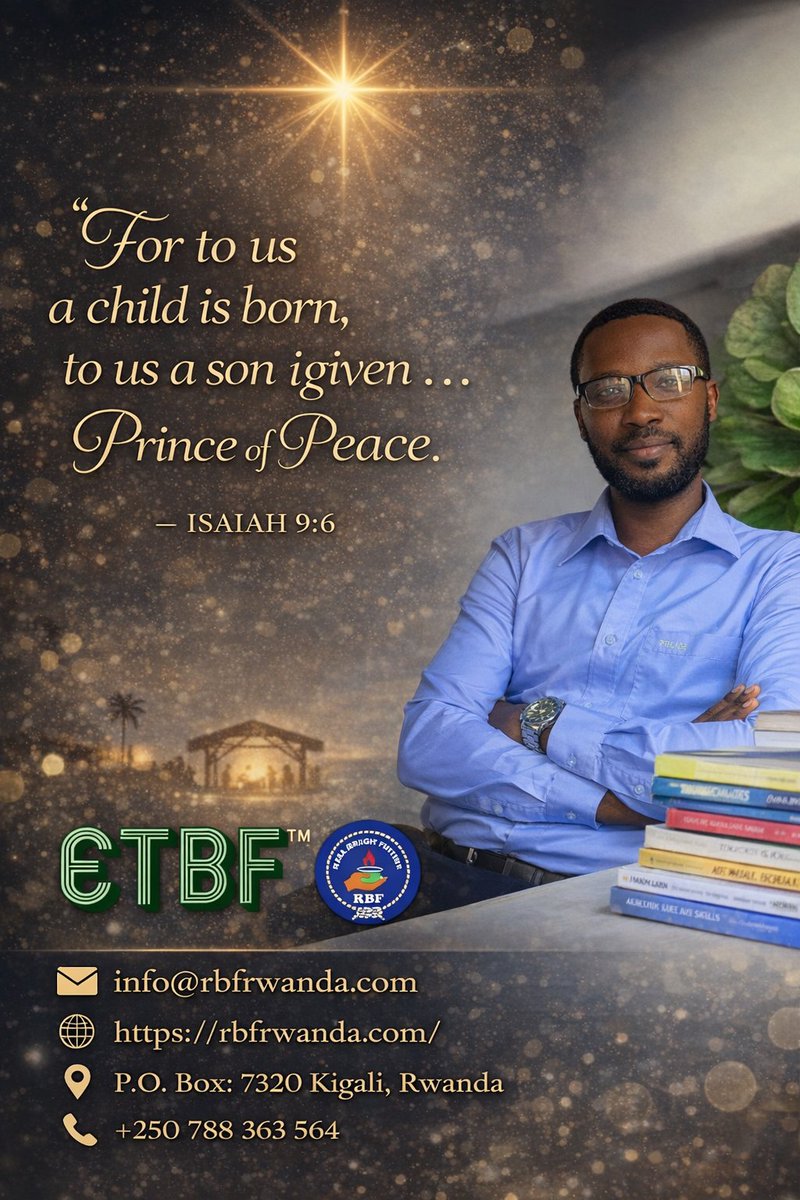
As we celebrate the birth of Jesus Christ, we are reminded of God’s gift of hope, love, and light. At ETBF Initiative, we continue to serve young people and vulnerable communities across Rwanda—sharing God’s love through action.
“For to us a child is born
Isaiah 9:6
#Christmas
I'm excited to officially become a member of Global Goals Connection (GGC)!
Joining hands with people worldwide to protect the planet, empower women, support education, and bring humanitarian aid to communities in need.
#GlobalUnity#GlobalImpact#SustainableFuture
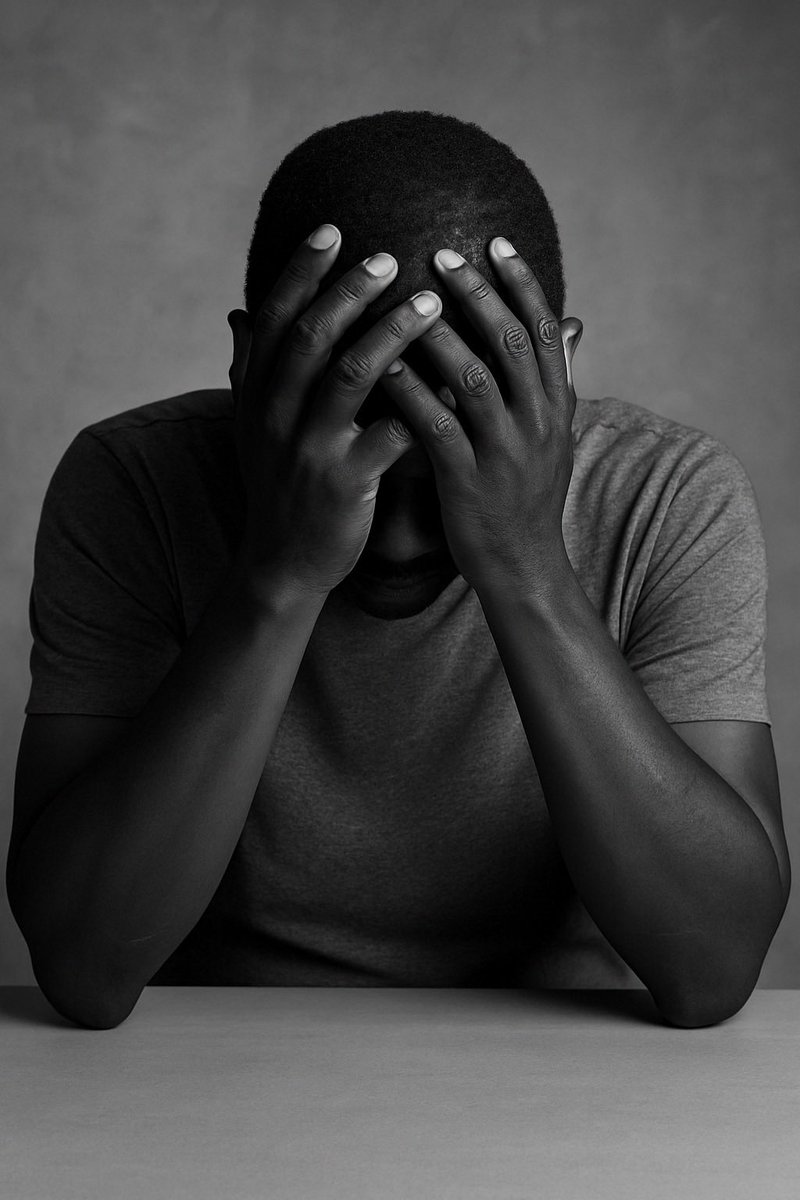
The silent killer among us. How stress is quietly taking more lives than alcohol!
Last month alone, we lost four friends, all to stroke or cardiac arrest. These are not isolated incidents, they are warnings. Even in rural areas, people are dying from stress related illnesses such as hypertension, ulcers, diabetes, and heart disease. Yet these deaths rarely make headlines. They are quiet tragedies often summarized as "yaguye gitumo" he died suddenly.
It would be extremely valuable if Rwanda Biomedical Centre (RBC) regularly released fact sheets showing the main causes of illness and death at health centers across the country. If our Health Information Systems (HIS) are robust, this data should be made public. It would help public health experts craft effective behavior change programs around lifestyle, mental health, and emotional well being.
I want to commend CARAES Ndera Psychiatric Hospital, which last month took a bold step by publishing its 2024 2025 data on the conditions most commonly presented by patients. This transparency is commendable and sets a precedent for other health institutions. Such information allows policymakers and researchers to better understand emerging mental health patterns from depression and anxiety to trauma induced stress and respond with evidence based interventions.
While alcohol is often blamed for many social and health problems, stress is proving to be a far deadlier enemy. It kills silently, slowly, and without warning. Many community members today carry immense psychological burdens, joblessness, family expectations, debt, loneliness, or unhealed trauma. Because of our cultural restraint, most never speak about it. We are taught "kwihangana" to endure but endurance without healing has become a silent epidemic.
Chronic stress weakens the immune system, increases blood pressure, and damages the heart and brain. Health professionals i have interacted with quietly confirm that many patients who present with ulcers, migraines, or hypertension are not simply suffering from poor diets but from emotional overload. What were once considered urban diseases are now reaching the hills and valleys of rural Rwanda. Even farmers worry about unpredictable weather, low yields, and the shame of failing to meet community expectations.
For young people, the situation is particularly worrying. Many graduates cannot find employment, while others are overwhelmed by the pressure to succeed or match the lifestyles they see on social media. Parents are juggling rent, school fees, and survival. Teachers, nurses, and civil servants work long hours for modest pay. These daily struggles translate into emotional exhaustion and mental distress, often ending in stress related diseases or premature death.
Rwanda has made important progress in mental health care, from CARAES Ndera Hospital to district mental health units, but coverage remains limited. Most people only seek help when stress has already caused physical harm. What we need now is prevention, awareness, and destigmatization. Stress must be treated as a national health risk, not a private weakness.
RBC and the Ministry of Health should lead a countrywide campaign on stress management, just as they have done for HIV, malaria, and COVID 19. Workplaces should integrate counselling and wellness sessions, schools should teach emotional balance, churches and inteko zabaturage should encourage open dialogue on mental wellbeing. Healing the body begins with healing the mind.
Today , stress has more deadly effects than alcohol not because it is stronger but because it is invisible. It hides behind smiles, sleepless nights, and endless pressure. If we continue to ignore it, we will keep losing valuable lives. Let us build a culture where mental health is understood, supported, and protected. After all, nation building begins not only with economic progress but with peace of mind. #MentalHealthMatters
True inclusion means removing barriers & creating opportunities for everyone to lead and contribute.
Proud of @AkadataLiliane, whose resilience & dedication inspire others, showing that everyone has a role in building a Rwanda where no one is left behind.
@UNV_Rwanda
Poverty is the result of structural, environmental, and systemic challenges that limit productivity and opportunity. However, with ongoing reforms in agriculture, TVET skills, access to finance, and industrialization, poverty gap is steadily narrowing . Achieving Vision 2050’s target of high income status will depend on how effectively these root causes are addressed through inclusive, sustainable, and people centered development. #tuesdaymotivations
I'm honored to receive a Certificate of Attendance from the Charter for Compassion Global Youth Conference 2025! It was a privilege to represent ETBF Initiative among global youth leaders working to promote compassion, empathy, and transformative leadership.
@JosephRyarasa We should learn to celebrate and appreciate people while they’re still alive. Genuine recognition in life is far more meaningful than praise after death."