Hubs to @AngelinRuth, Dad, Neuroengineer working on Cerebellum, Down syndrome, and neonatal brain injury. Tolkien-enthusiast, Christ-follower. Non-valde-boni
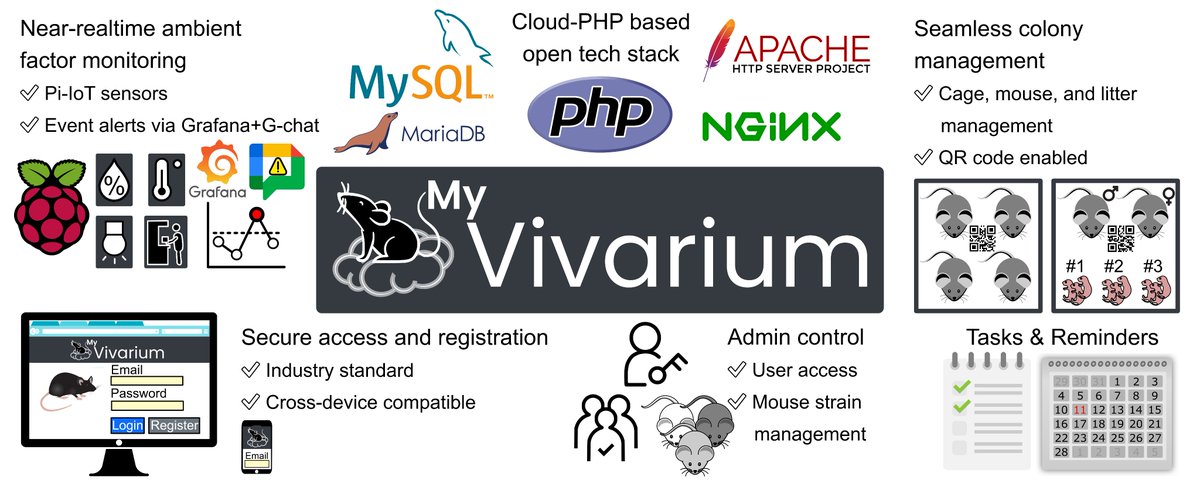
We built something! Introducing MyVivarium - a cloud-based application framework to manage mouse colonies with integrated ambient sensing. All open source! @biorxivpreprint: https://t.co/UDIG4lBMaX 🧵
Tbh the amount one would spend in tokens would be >>>>> a scientist's salary. I dont understand Nature publishing this when pretty soon they will be *paying* tokens for peer review rather than just get it done for free from human scientists 😅
Today we all lost our jobs.....
Three Nature papers showing that scientists in the conventional sense are obsolete
At least read the first one.... the AI replaced all things that the scientist does ....
https://t.co/zMsRLaaRDU
It was super exciting to share some of our work on the neural circuit basis of developmental disorders enabled by the high performance computational resources at the Ohio Supercomputer Center! @osc
Excited to share our new paper @NatureComms!🧠🔬
Placental allopregnanolone insufficiency induces male-specific autism-like behaviors via microglial dysfunction and PGE2 signaling.
Well done Dr Salzbank!
#Neuroscience#Autism#Neuroplacentology#Microglia
https://t.co/YhRKpsqYo2
@Ishwariya13 Nayagan is my fave movie as well! I had to somehow use it for my talk - I think it was you who shouted out the answer when I asked which movie that scene was from :)
Today is World Down Syndrome Day! 03-21 (Trisomy 21). Here is an excellent call-to-action for research and advocacy in Lancet Neurology by some of my peers in the @t21rs https://t.co/j4L5u1aNk5
Not to say we did something similar to @PallidusSensing, but there are certainly parallels.
MyVivarium: open-source, cloud-based, cross-device, awesome-sauce, lab animal colony management
https://t.co/7vs4CQiliX
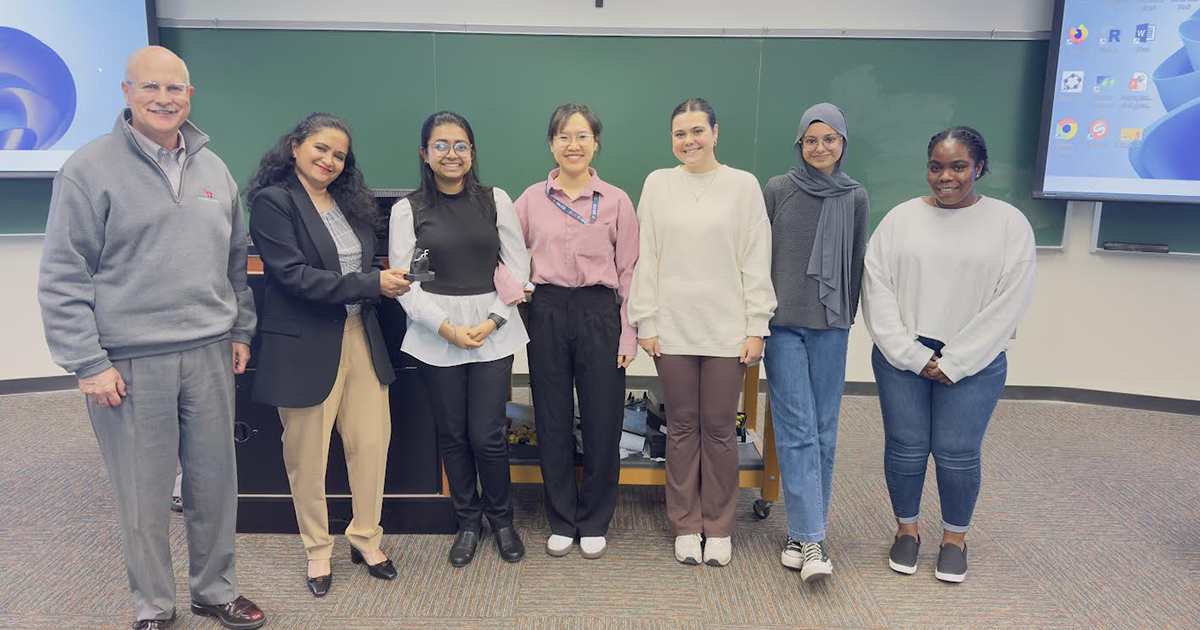
.@univofdayton students dove into an innovative learning experience with a “molecular biology shark tank,” pitching products or services that address significant societal issues using genes, genomes or genomics: https://t.co/ZepxIYIHde
Shout to the awesome Bin Gu and Margo Shen on their hard-work on this project. Also kudos to awesome premed Abbey Hahn from our lab at @univofdayton on her contribution to this project!
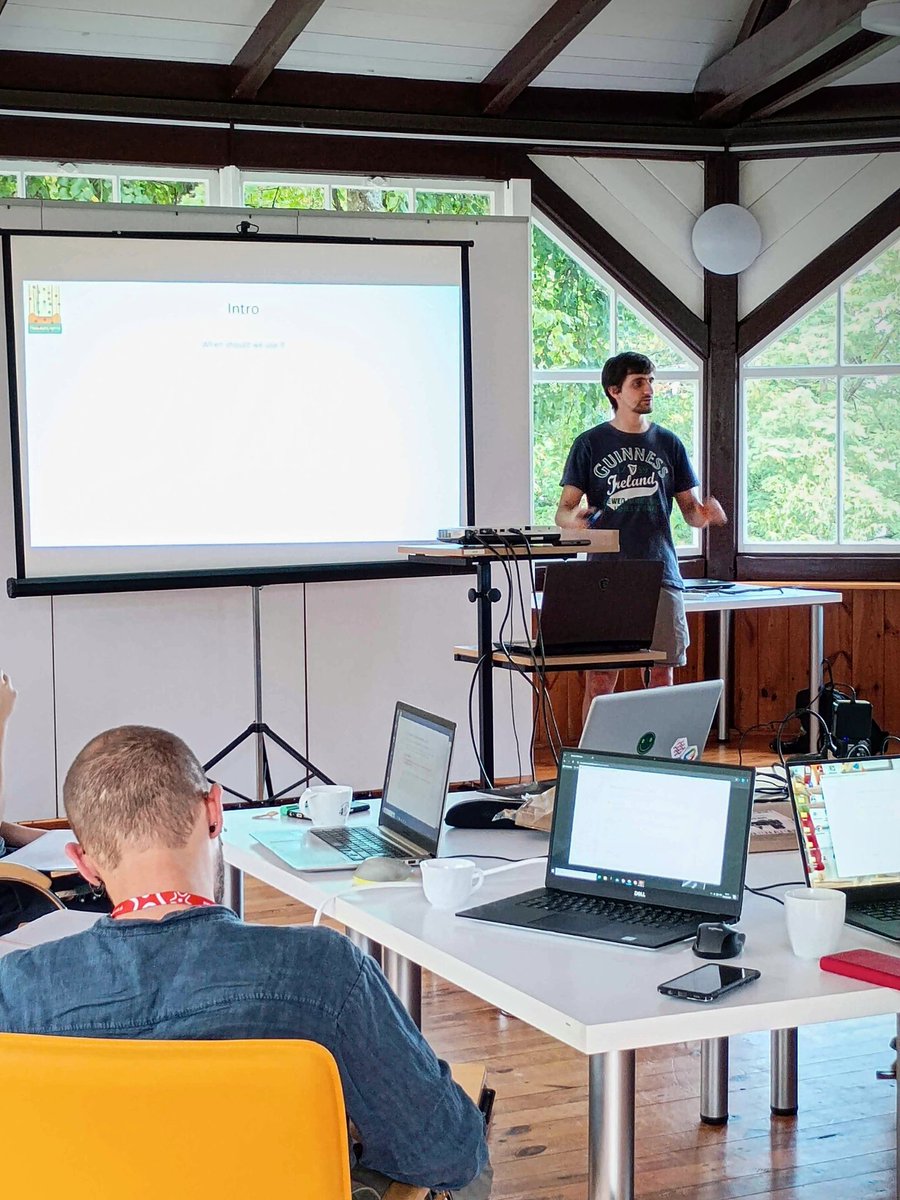
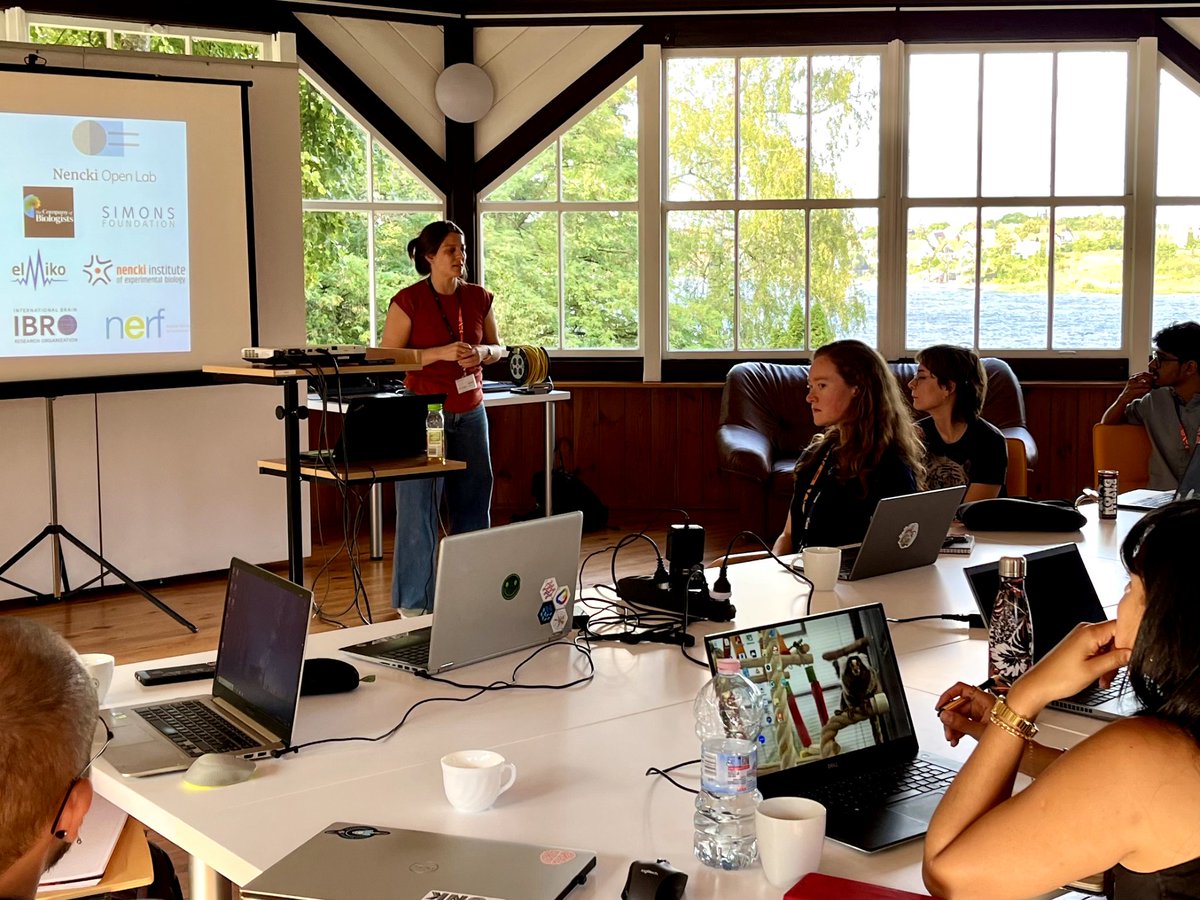
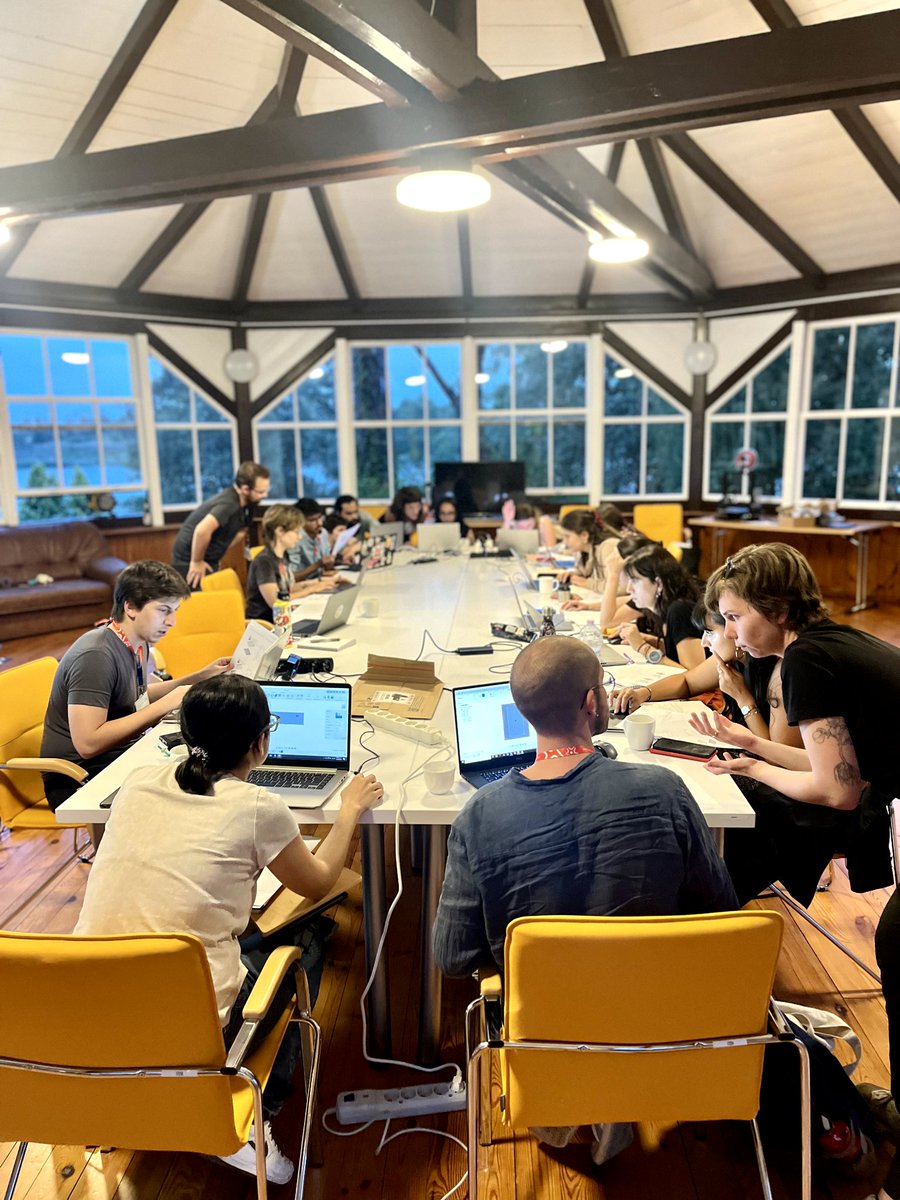
Shout out to @univofdayton BIO PhD student from our lab: Mir Abbas Raza who is currently learning and doing some cool neuroengineering at the Transatlantic Behavioral Neuroscience Summer School in Poland!
AI can be used to make convincing looking fake data.
There is no way we can distinguish real from fake anymore.
It is safe to assume that genAI has already resulted in many fake papers. Scientific publishing is not prepared for this.
I often wonder if the push in higher-ed to "teach students how to use AI tools" is wrong-headed. Honestly, it doesn't take much to use and abuse these tools. A quick YouTube vid will do a much better job than any faculty for whom deep learning is not their expertise.
AI can be used to make convincing looking fake data.
There is no way we can distinguish real from fake anymore.
It is safe to assume that genAI has already resulted in many fake papers. Scientific publishing is not prepared for this.
So fun working with my college buddy Robinson Vidva who valiantly joined us to make this tool a reality. Shout out to @univofdayton for a Dean's Summer Fellowship to a talented UD undergrad - Jaswant Prabhakaran - who initially began work on this with our collaborator Tam Nguyen.
MyVivarium helps you do this and more!
1. Labs can launch their own MyVivarium web application hosted on their selected domain. All instructions in our Github repo: https://t.co/QgbsBwyW8T
So when I started my lab, I wanted to start something small. 8 months after an undergrad started working on this and through feedback from folks in my lab actually spending taking care of our mice ended up becoming this awesome tool that is chock full of features.