Insight 9 SLAM Robustness Test 🎥
We put our AI-native spatial camera through rapid, dynamic movements. Watch the right screen: TinyNav VSLAM trajectory in RVIZ stays perfectly stable. 24G accelerometer & 188° ultra-wide FOV = zero tracking loss.#SLAM#Robotics#EmbodiedAI#VSLAM
We expected FastFoundationStereo to be close to FoundationStereo. We were wrong.
On Jetson Orin Nano:
- FoundationStereo surprised us — lidar-quality point cloud
- FastFoundationStereo is far worse (yes, it is indeed fast)
- Retinify matches FastFoundationStereo's quality but is faster
Speed: 100ms vs 15ms.
Our fork fixed the 2-stage ONNX export with custom TensorRT plugins → single ONNX/plan.
Repo: https://t.co/Im3CSWXuYV
cc @retinify@bowenwen_me
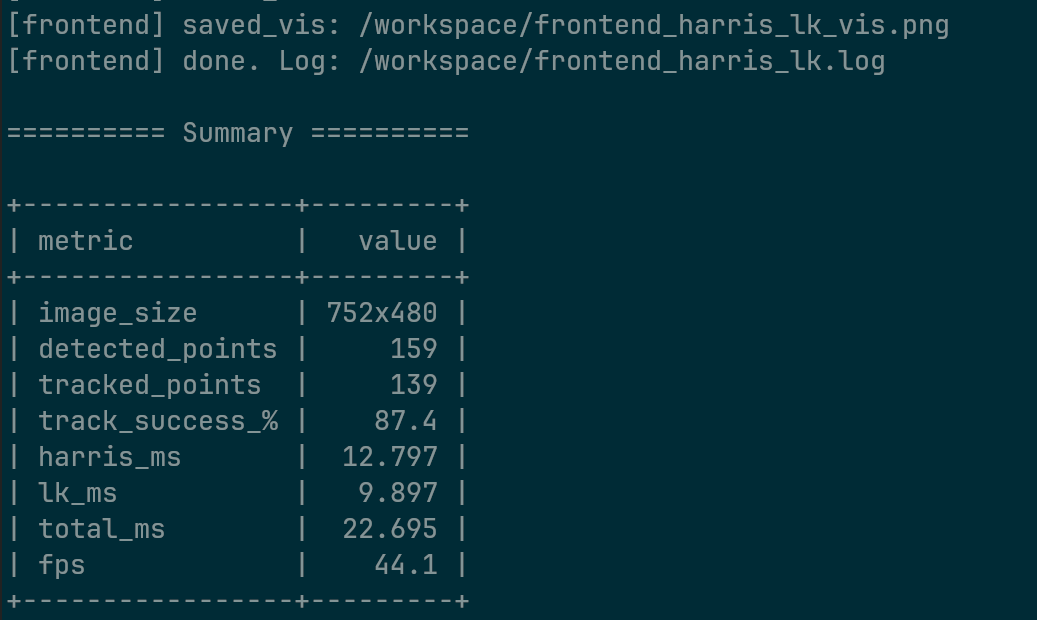
Tuned a faster Harris frontend kernel on an A55 ARM CPU @ 1.5GHz.
For 752×480 EuRoC frames:
• 59.49 ms → 21.51 ms
• 2.77x faster Harris
Same output:
• 159 detected points
• 139 tracked points
Pipeline runtime:
• 68.43 ms → 43.20 ms
We expected FastFoundationStereo to be close to FoundationStereo. We were wrong.
On Jetson Orin Nano:
- FoundationStereo surprised us — lidar-quality point cloud
- FastFoundationStereo is far worse (yes, it is indeed fast)
- Retinify matches FastFoundationStereo's quality but is faster
Speed: 100ms vs 15ms.
Our fork fixed the 2-stage ONNX export with custom TensorRT plugins → single ONNX/plan.
Repo: https://t.co/Im3CSWXuYV
cc @retinify@bowenwen_me
If you know your hardware well enough, you can still write code that's faster than today's AI. I wrote a Harris corner detector kernel that's 2× faster than OpenCV.
Just updated it to include frontend benchmarks. The first version compares Harris + Optical Flow with ORB + Hamming matching.
Keep watching: https://t.co/p9u731gs0e
You can also easily reproduce the test with:
docker run --rm --cpuset-cpus="0" uniflexai/slambench:latest
Thanks for open-sourcing such great models. In our early test, Fast Foundation Stereo reached real-time performance (>13.5 FPS) with max disparity 64 on Jetson Orin NX — honestly much better than we expected.
We’re planning to integrate it into our open-source navigation stack soon:
https://t.co/bl4FAhcC0O
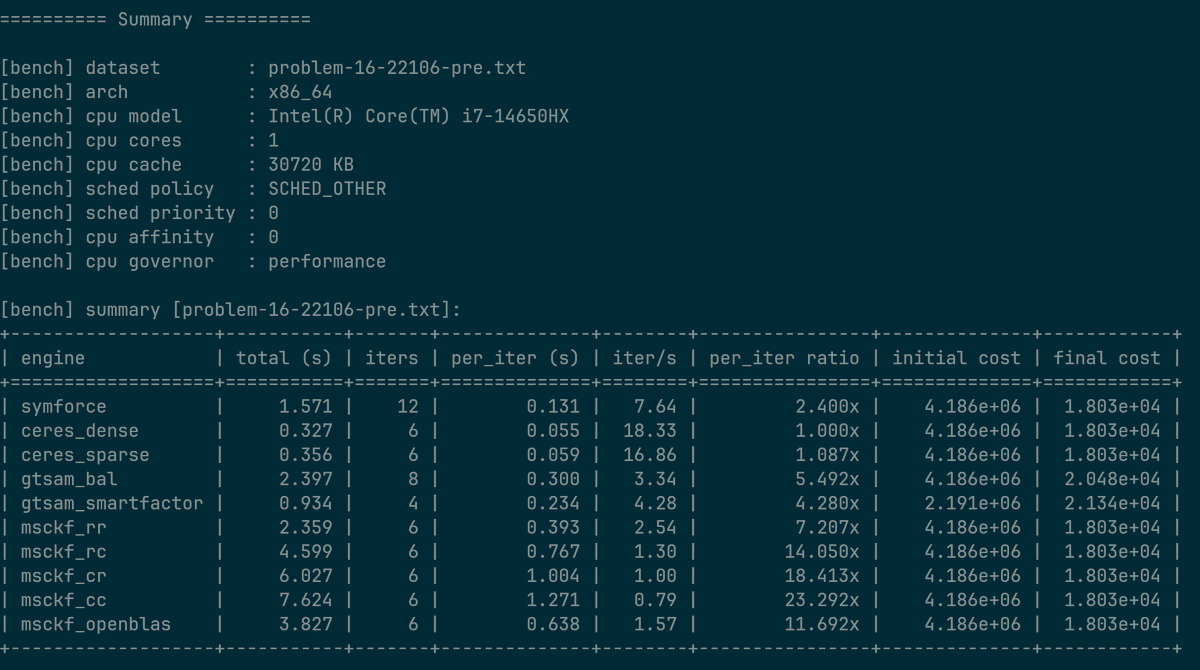
I’ve updated https://t.co/p9u731gs0e with more benchmark results, including row-major vs column-major comparisons and GTSAM SmartFactor benchmarks.
Added a summary screenshot below — check it out!
Working on SLAM for years, I’m constantly asked: which method is faster?
So I made a one-line command to benchmark solver speed with the standard dubrovnik/problem-16-22106-pre.txt input:
`docker run --rm uniflexai/slambench:latest`
Run it, share your result, and tell me if anything looks unexpected.
cc @gtsam4@SkydioHQ@sandwichmaker
🚀 Introducing the TinyNav Bounty Program
We’re rewarding the community for contributions that improve navigation, perception, and tooling in physical AI.
🧠 Bug reports
🧩 Code contributions
📝 Docs & tutorials
🎥 Demos & content
Earn rewards while shaping the future of open robotics.
🔗 Details: https://t.co/ZHIPWKV44n
#TinyNav #Robotics #OpenSource #PhysicalAI
saw completely new design of the head. @UnitreeRobotics is going to navigate the robots using stereo camera, just like our open source project tinynav https://t.co/dSOSmpr9Wv
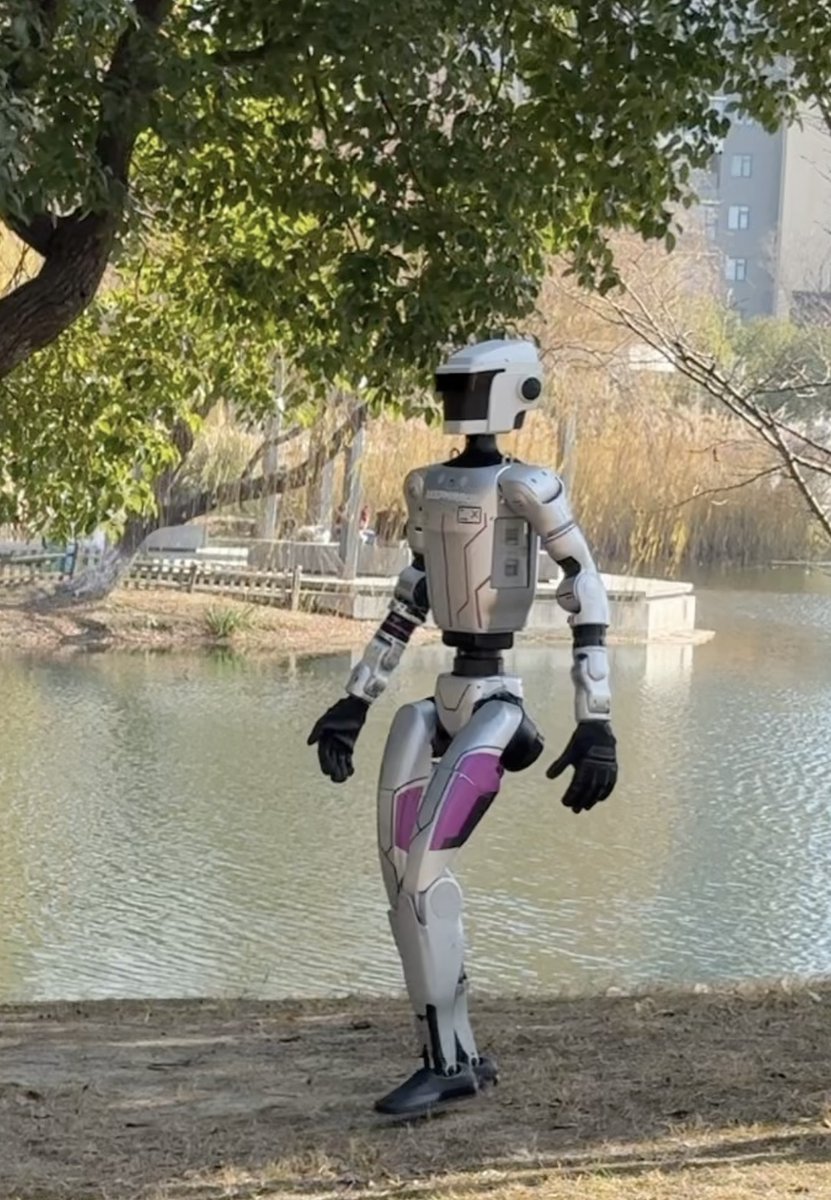
WTF is this?? Just saw this robot walking in the park lol. Is this a new Unitree model or what? I’ve never seen this head design before, like it’s wearing futuristic giant sunglasses. Probably some crazy new cameras inside? Anyone know? New leak? #Robotics#Unitree#TechLeak
Excited to share a video about the workflow of our project!
From zero to navigation with TinyNav 🗺️➡️🤖
1️⃣ Build a map
2️⃣ Add POIs in the editor
3️⃣ Let your robots navigate, correctly react to obstacles, and find feasible paths
Keep an eye on TinyNav — a ~3,000-line open-source navigation stack for multiple robot platforms 🚀
We’ve added a remote interface using @foxglove — an amazing tool. Thanks, Foxglove 🙌 #Robot #Unitree #navigation
A new milestone for real-time accurate 3D spatial computing! Introducing ⚡️Fast-FoundationStereo⚡️, a real-time zero-shot stereo depth estimation model that accelerates the original FoundationStereo by >10x with comparable quality.
Details in threads 🧵 (1/N)