The speed of darkness. Watch the Moon's shadow moving at 2400 mph (3860 km/h) over the Earth during a total solar eclipse; as seen from NASA AFRC's G-III aircraft.
ESA/Hubble #Flashback: The globular cluster NGC 1783 is one of the biggest globular clusters in the Large Magellanic Cloud.
Credit: @ESA / @Hubble_Space / @NASA
Acknowledgement: Judy Schmidt (https://t.co/LGmblRY3iE) https://t.co/Mdj9mnDUXZ
"The size and age of the Cosmos are beyond ordinary human understanding. Lost somewhere between immensity and eternity is our tiny planetary home."
— Carl Sagan
Milky Way over La Silla Observatory. Credit:
ESO/S. Brunier
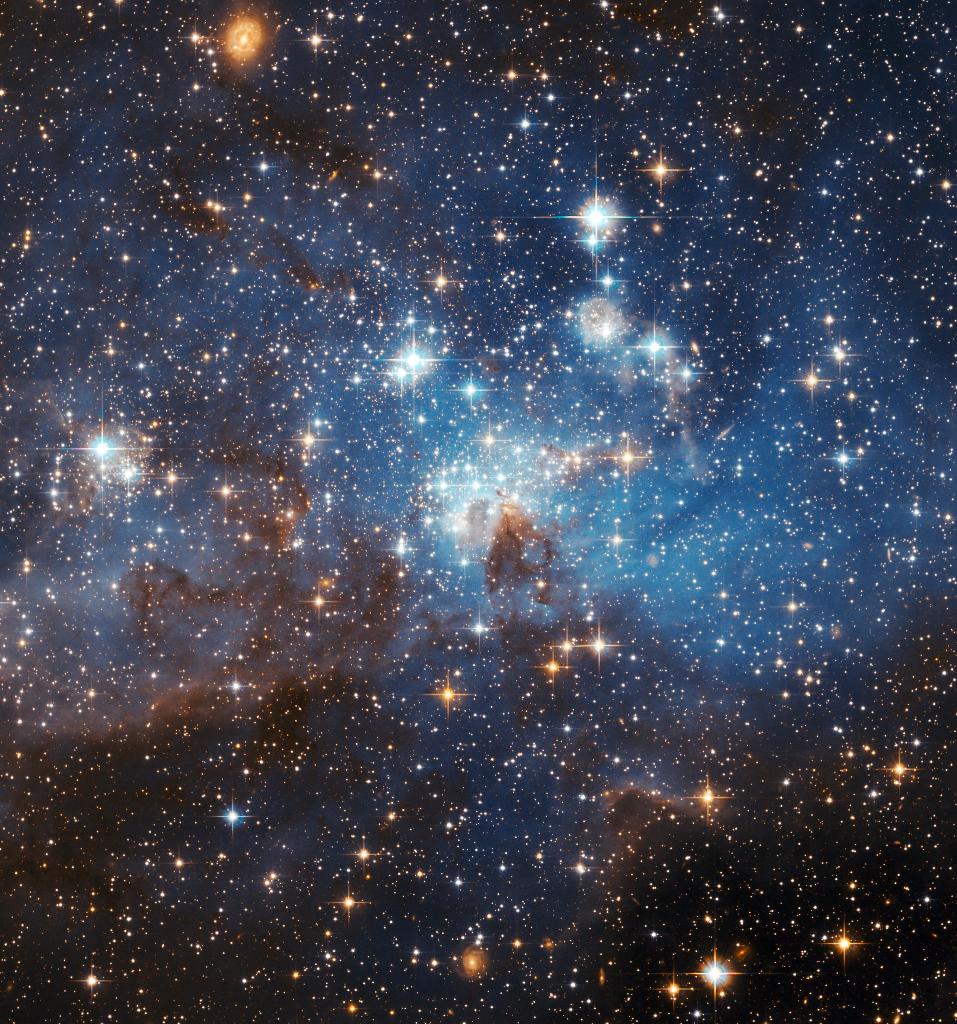
#HubbleClassic Swirls of gas and dust reside in this ethereal-looking region of star formation some 160,000 light-years from Earth. Named LH 95, it's located in a small, nearby galaxy called the Large Magellanic Cloud: https://t.co/0xoJcfi5gQ
NGC 1614, captured in this Picture of the Week, is an eccentrically-shaped galaxy ablaze with activity, about 200 million light-years from Earth.
Credit: @ESA / @Hubble_Space / @NASA , A. Adamo https://t.co/6Jlyyf52jE
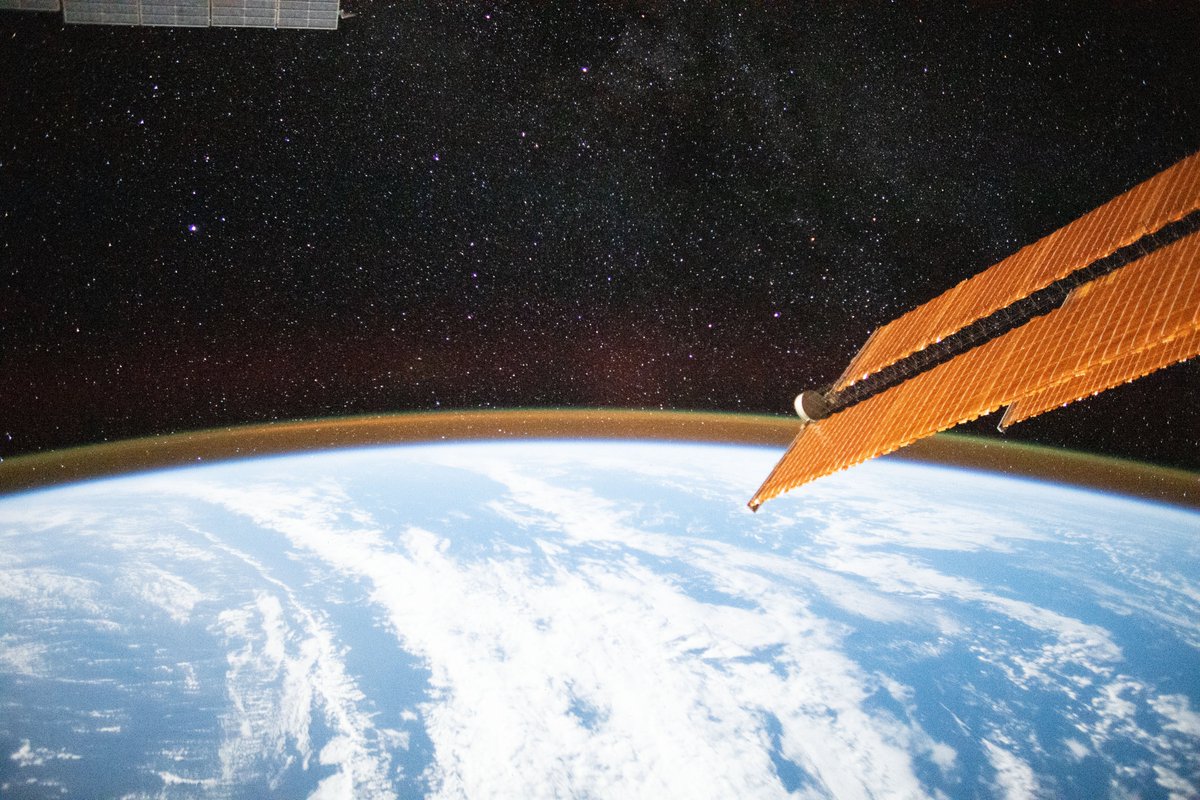
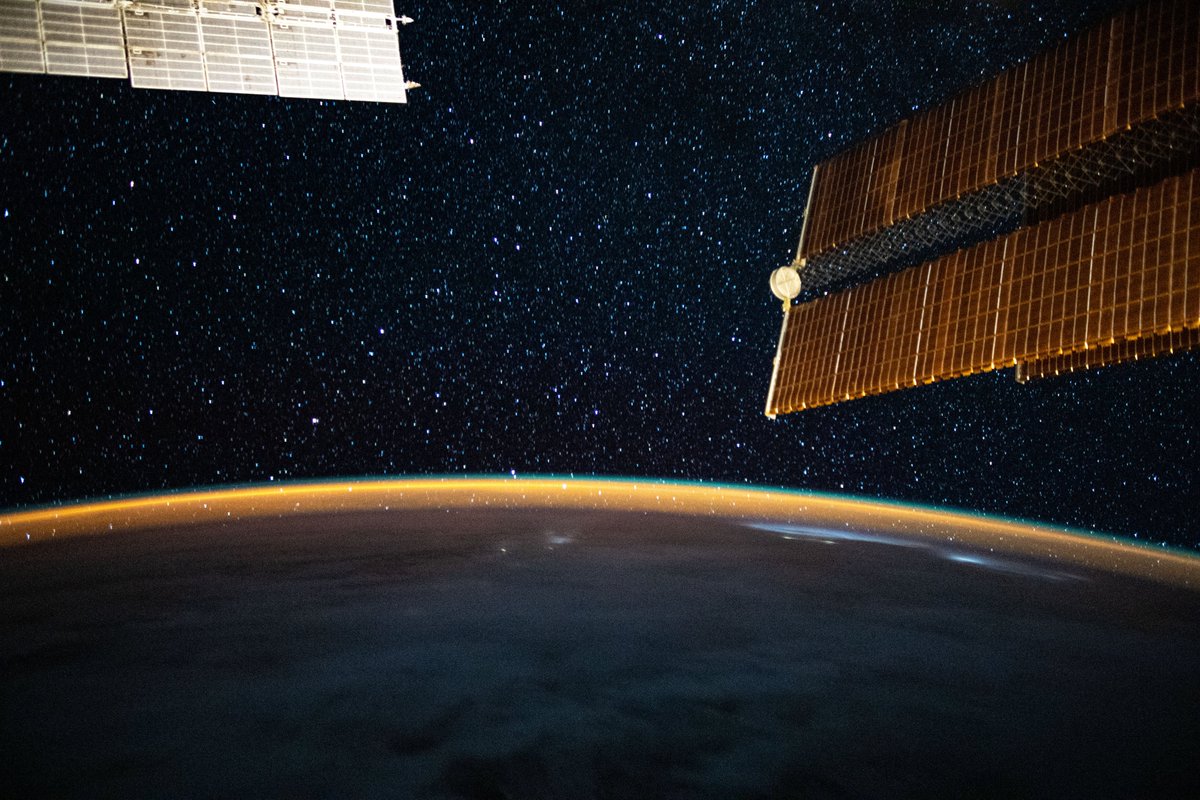
These long-exposure pics from the station show the Milky Way above the atmospheric glow blanketing Earth's horizon. More pics... https://t.co/67s4r24FkU