Tamil Nadu: Temple activist @trramesh seeks criminal action against HR&CE officials in Arunachaleswarar Temple property dispute via @eOrganiser https://t.co/x3lF2iJ7Cx
Congratulations and heartfelt gratitude to @CMOTamilnadu Shri Joseph Vijay for informing Madras High Court that the so-called “International Vallalar Centre” project mooted by DMK Govt at an estimated cost of ₹100 Crores has been “dropped”.
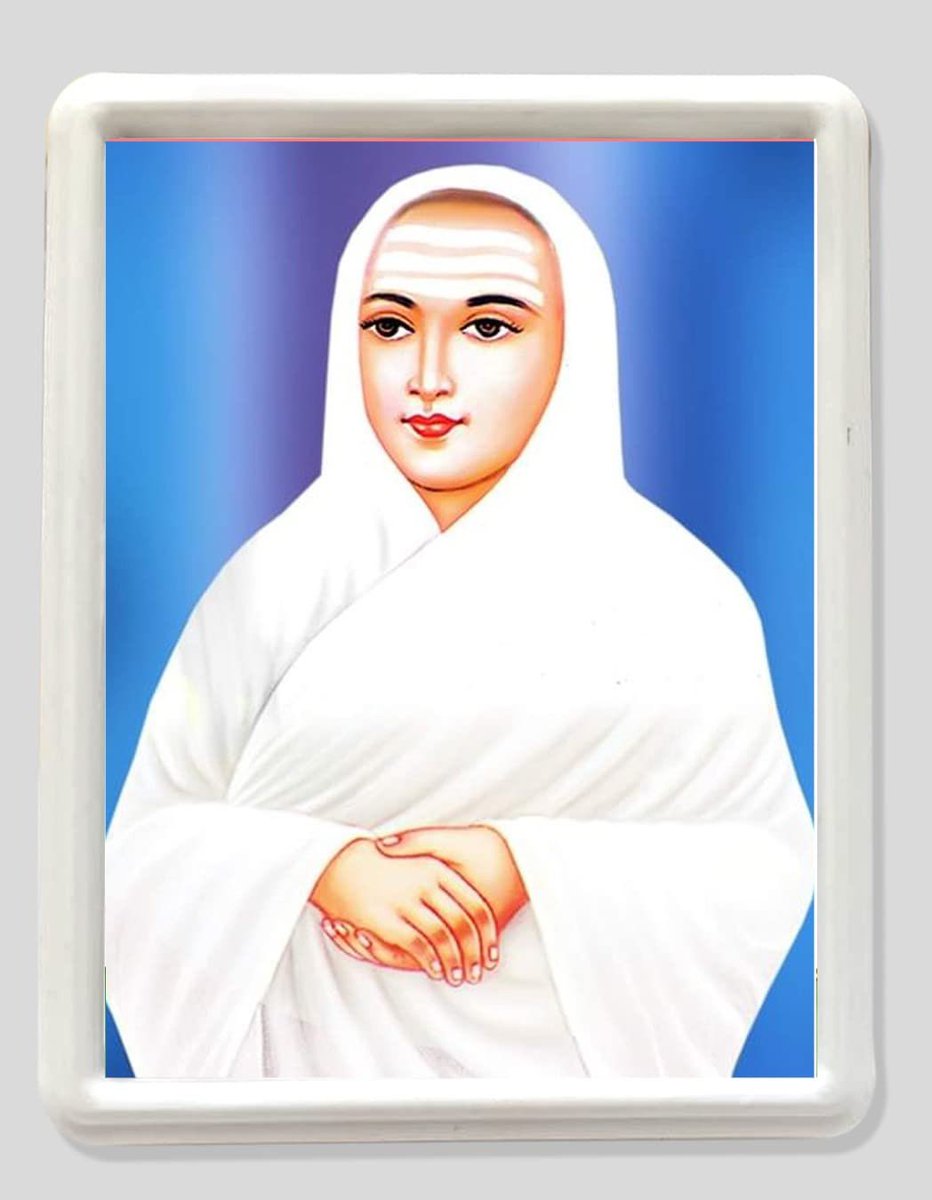
This white elephant project was far removed from the noble Saivite principles propagated by Saint Sri Ramalinga Swamigal popularly known as Vallalar.
The useless @tnhrcedept had projected pictures of Sri Vallalar with the sacred ash absent on his forehead. A deliberate insult to his followers.
Shri @RameshOffcl Hon’ble Minister for @tnhrcedept should order the immediate removal of the Executive Officer from Vadalur Sathya Gnana Sabha where the Executive Officer is functioning only by a Fraud on the HR&CE Act and the Indian Constitution.
Actor Arjun Sarja brought his lifelong dream to build a grand temple dedicated to Rama Bhakt Hanuman into a divine reality
After 15 years of dedication and effort, the Anjaneyar Temple at Gerugambakkam, Chennai was inaugurated in 2021.
The magnificent temple houses a 35-feet-tall vigraha of Hanuman in a seated posture, weighing around 140 tonnes. It was carved by a team of skilled artisans led by renowned Karnataka sculptor Ashok Gudigar.
Shivprabhat 🙏🏽
According to Tamil tradition, Murugan taught Tamil grammar to Agastya, who then composed the grammatical treatise Agathiyam, regarded as the earliest Tamil grammar.
A similar tradition exists in Sanskrit. When a Satavahana king asked his minister Śarvavarman to simplify Sanskrit grammar and produce a concise grammatical text within a short period, Śarvavarman worshipped Lord Murugan. Pleased with his devotion, the Lord appeared before him and revealed a simplified system of grammatical sūtras. Thus was born the celebrated Sanskrit grammatical work Kātantra Vyākaraṇa (कातन्त्रव्याकरणम्).
Since the opening sūtra revealed by the deity began with the words “Siddho varṇasamāmnāyaḥ”, the grammatical tradition also came to be known as Kaumāra Vyākaraṇa (derived from Kumāra) and Kalāpa Vyākaraṇa, the latter traditionally associated with the plumage (kalāpa) of Kārttikeya’s peacock mount.
Interestingly, several scholars have noted striking similarities between the Tamil grammar Tolkāppiyam and the Kātantra system. They begin with the classification of sounds (letters), proceed systematically to word formation and morphology, and present grammatical rules in a manner intended for learners.
They concluded that both belong to the ancient Aindiram grammatical tradition. Significantly, the Pāyiram of Tolkāppiyam itself describes its author as “ஐந்திரம் நிறைந்த தொல்காப்பியன்” (Tolkāppiyar, who was well versed in Aindiram).
Hence it is clear that Murugan is celebrated as the guardian of both Tamil and Sanskrit. This shared legacy is a powerful reminder that India’s languages are threads of a single civilizational fabric, woven together by a common spiritual and intellectual heritage.
Just as the entire true population of temple worshipping Hindus in Tamil Nadu are shocked by the betrayal by @tnhrcedept - - under @CMOTamilnadu Shri Joseph Vijay’s Government — in the matter of 3084 acres of lands - attached to 4 temples -
I am told fresh proceedings are afoot by TN Government to “release” another 4000+ acres in favour of encroachers again in and around Tiruppur District.
What is quite surprising is the Minister for @tnhrcedept - Shri @RameshOffcl is SILENT all along. Have these moves been made against his wishes or has he been told to keep quiet?
Is it this TVK Government’s policy to strip temples out of their land holdings?
@tskrishnan@sumanthraman@TWS_Bharat@indiccollective
The PIL field by Shri Allikuttai Radhakrishan in the matter of 3085 acres of Temple Lands in Karur District -
came today before the Hon'ble Division Bench of the Madras High Court - Madurai Bench -
Their Lordships were pleased to issue notice and ordered a possible final hearing on 11.08.2026.
Government and @tnhrce respondents to file counter affidavits by 29.07.2026.
The Lordships also directed the District Collector to provide the land records of the 3085 acres.
One of the biggest lies told by @tnhrcedept counsels and the persons claiming to be counsels of the respective temples before the Hon'ble Division Bench is that - - before the order releasing no objections to Patta transfers was made - Temples were consulted -
How? The temples have no trustees - The Executive Officers in these temples ARE functioning by SHAMELESS FRAUDS on the TN HR&CE Act. - who represented the temples ? Who can?
We shall expose all these FRAUDS who work against temple interests before the Hon'ble Court.
*** The truth is many of the Officers of the @tnhrcedept especially Executive Officers of temples are completely against the illegal orders passed by the Commissioner and Revenue officials ***
நண்பர்களுக்கு, கோவை புத்தகக்கண்காட்சியில் அடியேனுடைய புத்தகங்கள் கிழக்குப் பதிப்பக அரங்கில் கிடைக்கும்
My books including “The Cholas” are available at Kizhakku book stall at Kovai book festival.
அட்டா. கோவில் நிலங்களை பட்டா போட்டுக் கொடுத்தால் அது பட்டா வாங்கியவர்களுக்கே சொந்தமாகிவிடுமா ?
என்ன வகையான லாஜிக் இது. முதலில் மானியமாக வாங்கப்பட்ட நிலங்கள் 'இனாம்' நிலங்கள், அதாவது அவர்களுக்கே சொந்தமான நிலங்கள் அல்ல என்பதைப் புரிந்துகொள்ளவேண்டும். கோவில்களுக்குத் தேவதானமாகவும் திருவிடையாட்டமாகவும் வழங்கப்பட்ட நிலங்கள், குறிப்பிட்ட பணிகளைச் செய்பவர்களுக்கு ஊதியமாகவே வழங்கப்பட்டன ( ஊதியம் பணமாகக் கொடுக்கப்படாததால்). கோவில் பணி முடிந்ததும் அந்த ஊதியத்தை அவர்கள் சொந்தம் கொண்டாட முடியாது. மீண்டும் கோவிலுக்கே கொடுத்துவிடவேண்டும். அரசர்கள் கோவிலுக்கே நிலங்களைக் கொடுத்தார்கள். அதனால்தான் அந்த நிலங்கள், தெய்வத்தின் பெயரால் சொந்தம் கொண்டாடப்படுகின்றன. இதை மாற்றிக்கொடுத்ததே தவறு. அதை நியாயப்படுத்துவது பெரும் தவறு.
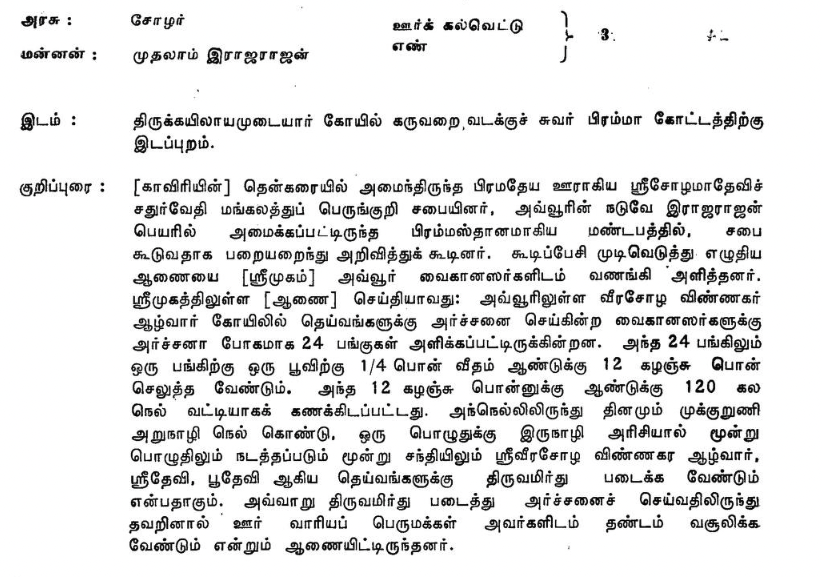
இந்தக் கல்வெட்டைப் பார்ப்போம். அர்ச்சனா போகமாகக் கொடுக்கப்பட்ட கோவில் நிலங்கள் அர்ச்சனை செய்வதற்கு மட்டம் அல்லாது, நிவேதம் செய்வதற்கும் பயன்படவேண்டும் என்று கொடுத்திருக்கின்றனர். அப்படி செய்யத் தவறினால் தண்டம் கட்டவேண்டும் என்ற நிபந்தனையும் உண்டு. இந்த நிலங்களுக்கு வரியும் உண்டு. ஆகவே இவை எல்லாம் அவர்கள் இஷ்டத்திற்கு அனுபவத்துக்கொள்ள அல்ல.
இப்போது ஒரு நிறுவனத்தில் நான் வேலை பார்க்கும்போது அந்த நிறுவனம் எனக்கு ஒரு வீடு கொடுக்கிறது ( official quarters). அந்த வேலையிலிருந்து விலகும்போது அந்த வீட்டை நிறுவனம்தானே எடுத்துக்கொள்ளும். அது எனக்கே சொந்தமாகிவிடுமா என்ன ?
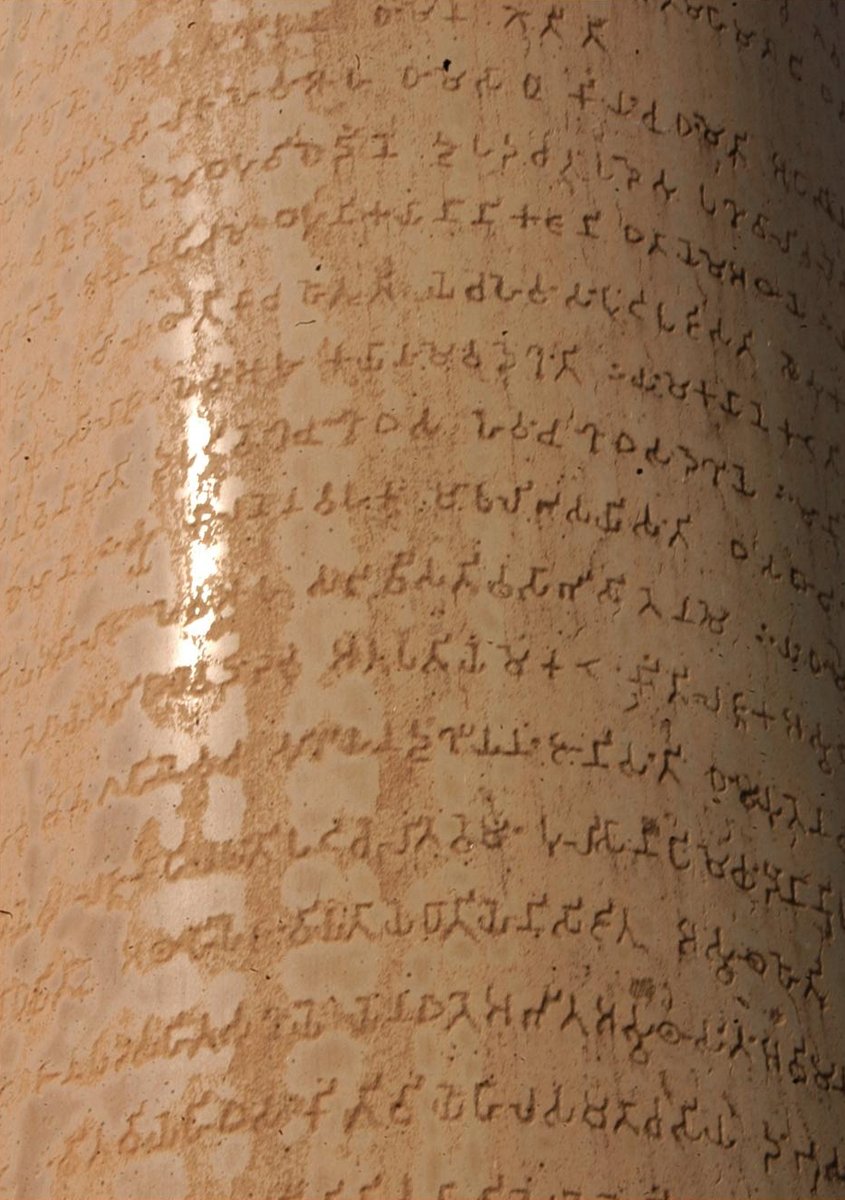
Despite all this chest-thumping, the fact remains that there is zero verifiable evidence to prove that Tamil-Brahmi predates the Ashokan edicts. There are, of course, fringe claims suggesting otherwise, but many of these rest on disputed dates, unverifiable assumptions, or claims that have not gained wider scholarly acceptance. Much of the Keezhadi controversy also stems from attempts to push this very narrative without sufficiently conclusive evidence.
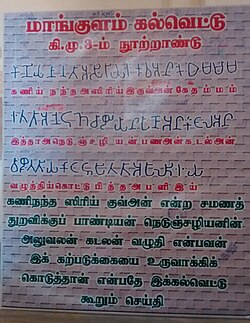
Take the Ashokan edicts and compare them with the Tamil-Brahmi inscriptions from Mangulam, Keelavalavu and other early sites, which are generally placed centuries later. The Ashokan edicts are composed in structured language, with proper grammar and, in several instances, a distinctly polished and literary style. In contrast, many of the early Tamil-Brahmi inscriptions are brief, awkwardly constructed and often display poor grammatical formulation in Tamil. This itself suggests that the use of Tamil-Brahmi for sustained written expression had not yet developed into a mature writing tradition during that period.
The first major Tamil inscription displaying a substantially developed and properly structured written form is the Pulankurichi inscription, generally dated to around the fourth century CE.
Tamil undoubtedly possessed a great literary tradition in the pre-CE and early historic period, as reflected in the rich corpus of Sangam literature. But the sophistication of that literary tradition does not seem to correspond with the surviving Tamil-Brahmi epigraphic record. This raises an important question: was another system of writing in use for literary composition? Tamil texts themselves refer to terms such as “Chithira Ezhuthu”, which perhaps deserve closer examination.
Whatever the answer may be, the presently available evidence does not justify the confident claim that Tamil-Brahmi was the script behind the sophisticated literary tradition represented by the Sangam corpus. The evidence, at least as it stands, simply does not establish that.
It is indeed a great news that India will support the restoration and conservation of Prambanan temple, as announced by our PM @narendramodi ji. The civilisational connect between the two countries goes back to thousand years, specifically with respect to this temple. Here is the fascinating history of the temple. 🧵
Indonesia, as we know it today, was home to two powerful dynasties during the ninth century, the Buddhist Sailendras and the Hindu Sanjayas. The Sailendras, renowned for their maritime power, exercised their influence over much of Central Java and later parts of Sumatra, while the Sanjayas ruled the Hindu kingdom of Mataram in Central Java.
1/5
On the subject of temple officials misappropriating temple property, there is an interesting inscription from Thirukazhukundram dating to the reign of Kumara Kampanna. The inscription records that a temple official named Aythan opened the Kal Arai (the temple treasury) and unlawfully appropriated its gold. The theft was subsequently discovered by Thirukazhukundra Bhattan, but by then Aythan had absconded. Bhattan, then accounted for the lost gold and submitted the details to temple management.
In response, the temple’s management committee, together with the village assembly, convened to address the matter. They resolved to confiscate the properties of Aythan as well as those of his relatives, and to use the proceeds to compensate the temple for the loss. The inscription offers a valuable glimpse into the mechanisms of accountability, financial oversight, and institutional governance that existed in temples.
One of the most ignorant takes is that the “Six Sacred Abodes” are the six foremost temples of Murugan. There is no such concept in the early tradition.
The term is Aatrupadai, derived from Tirumurukāṟṟuppaṭai, in which Nakkeerar guides devotees to the shrines of Murugan. It is not a canonical list of the six most important temples.
Moreover, Tiruttani Murugan Temple does not appear in the poem. Instead, the poem refers to Kunruthor Ādal, encompassing Murugan’s hill shrines in general rather than a single temple.
Therefore, arguing that Murugan is exclusively a “Tamil god” simply because the popularly recognised six abodes are in Tamil Nadu is not a historically or textually sound argument.
தமிழகத்தின் கோவில் கட்டடக் கலைக்கு அடித்தளம் அமைத்தவரும் பன்முகத்தன்மை கொண்டவரும் இலக்கியம், நாடகம், இசை என்று பல துறைகளிலும் சிறந்தவருமான மகேந்திரபல்லவரைப் பற்றி வாசிக்க https://t.co/B21uZ3Fgmh
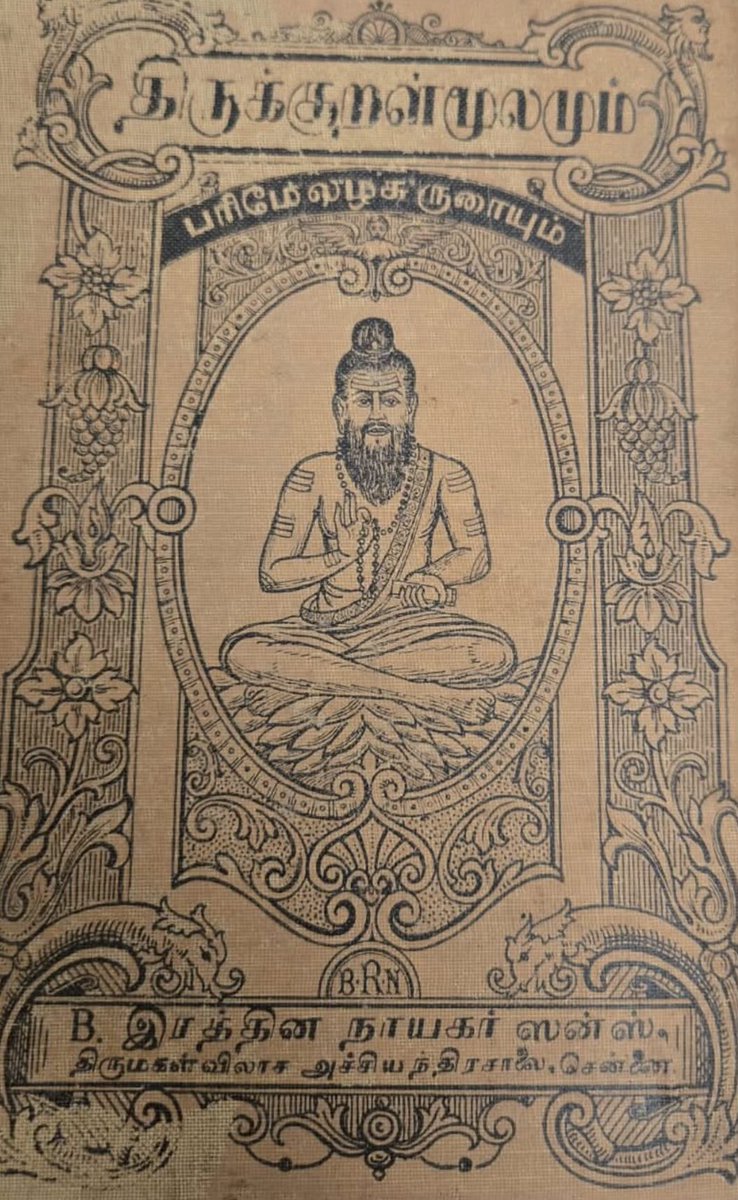
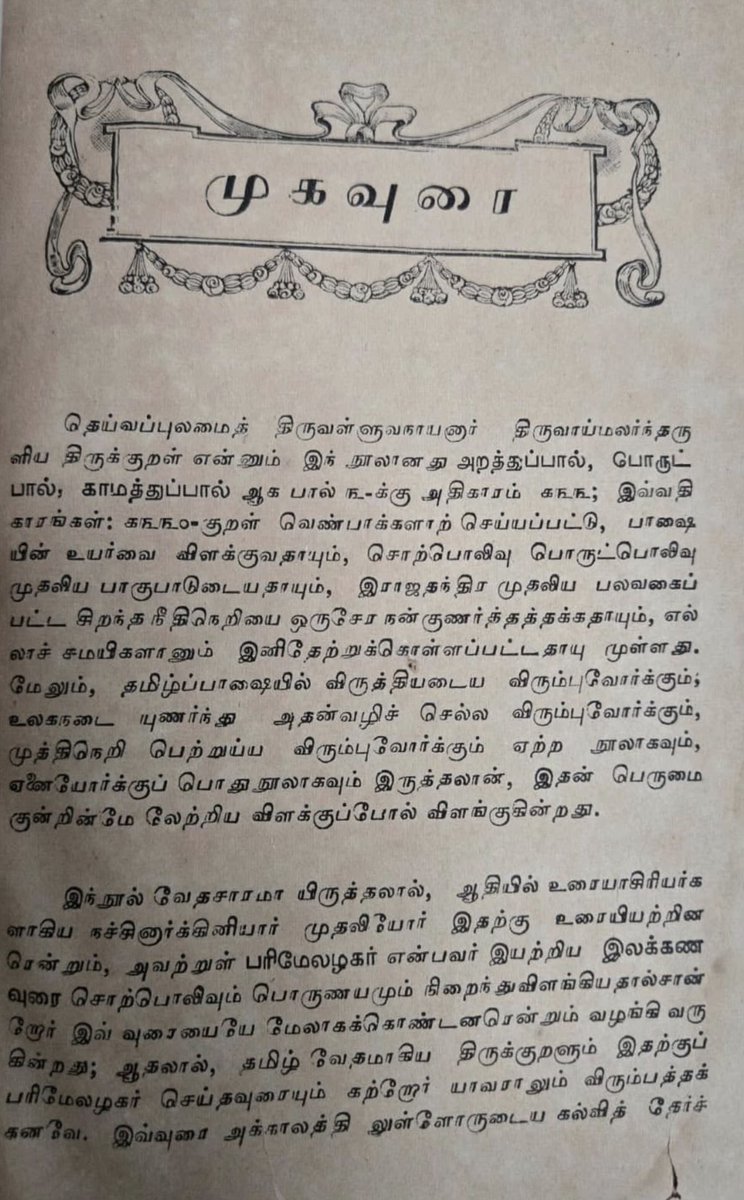
பழந்தமிழ்ப் புத்தகங்களை நெடுநாட்களாகப் பதிப்பித்து வரும் இரத்தினநாயக்கர் & சன்ஸ், 1930ம் ஆண்டு வெளியிட்ட திருக்குறள். திருநீறு பூசிய திருவள்ளுவரின் படங்களோடு வேதசாரமே திருக்குறள் என்று குறிப்பிட்டிருப்பதையும் கவனியுங்கள். இப்படி இருந்த திருவள்ளுவர் உருவத்தை மாற்றி திருக்குறளை ஒரு ‘மதச்சார்பற்ற நூலாக’ மாற்றியது யார் ? ஏன் ?
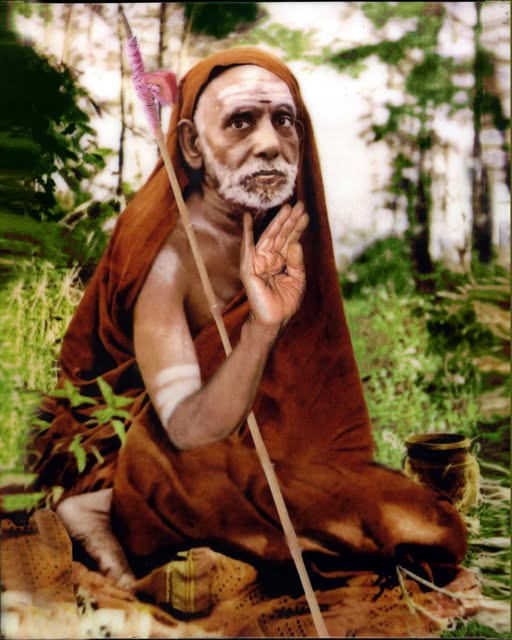
On the occasion of Swami Chandrasekharendra Saraswati's Jayanti, a learned devotee requested me to compose a shloka on him for chanting (inspired by Mahaswami's directive in a recent dream).
ज्ञानसागरं कृपाकटाक्षवीक्षणं विभुं।
पण्डितैश्च पामरैश्च भक्तिसेवितं गुरुं।
चन्द्रशेखरेन्द्रमादिशंकरांशसम्भवं।
वैदिकार्षधर्मपालनासुतत्परं भजे।।
jñānasāgaraṁ kṛpākaṭākṣavīkṣaṇaṁ vibhuṁ |
paṇḍitaiśca pāmaraiśca bhaktisevitaṁ guruṁ |
candraśekharendramādiśaṁkarāṁśasambhavaṁ |
vaidikārṣadharmapālanāsutatparaṁ bhaje||
This was composed in chhandas (meter) "CharuChamara" (a pleasing chowrie/plume/fan).
May MahaSwami bless us all with devotion, dharmik conduct, wisdom and dispassion! 🙏
As usual, an article in The Print has appeared filled with factual errors, half-truths, and distortions about Ayyappa worship, with little evidence of any real understanding of its historical background.
Here is a detailed rebuttal intended to set out the factual position clearly and correct the record. Please read and share.
https://t.co/C8jte1ngSk
The Kannunjal (Oonjal) ceremony, in which the bride and groom gently swing together, is one of the most cherished rituals in a traditional wedding. Here, Goddess Meenakshi and Lord Sundareswarar are seen in the Oonjal, and interestingly, the song sung during this ceremony in weddings are inspired by this very tradition—featuring Kanchanamalai, the mother of Meenakshi.