I find this FDA decision quite surprising. While we should welcome it, I think we should also approach it with caution.
Essentially, this is just a regulatory decision: the FDA has expanded Anktiva’s indication from patients in BCG-unresponsive NMIBC with CIS and with or without concomitant papillary tumors, to include patients with high-grade papillary-only in BCG -unresponsive patients settings.
However, this expansion was not based on direct evidence of efficacy from a separate clinical trial specifically evaluating Anktiva in patients with papillary-only disease.
Rather, it relies on extrapolating efficacy from the population with CIS.
The FDA’s rationale is that, although CIS and papillary urothelial carcinoma differ in their architectural growth patterns, both are considered aggressive urothelial carcinomas. They can coexist in the same patient, may be difficult to distinguish pathologically, and are associated with substantial risks of recurrence and progression in the BCG-unresponsive setting.
This is a noteworthy regulatory decision: the FDA has accepted an expansion of the indication based on extrapolation from the old evidence supporting the original approval for CIS, rather than requiring a new clinical trial to demonstrate efficacy directly in patients with papillary-only disease.
And please keep in mind that FDA approval for use in a particular patient population does not necessarily mean that efficacy has been directly demonstrated in that specific population through clinical trials.
@UroDocAsh , @LauraBukavinaMD , @MaxKates
@jselanikio@AbridgeHQ@knowtexai I dove into @knowtexai at the VA and it's absolutely improved my QOL and patient care. I have more time to review scans, place timely orders during visit so Vets can immediately get labs/followup, and get Vets specific education content from our visit before they leave
My son’s Jones Beach IRONMAN was canceled this morning, so I built something I’ve wanted for a while: one place for daily urology news, events & podcasts.
Introducing https://t.co/uDd0az8MNJ.
Tell me what works, what doesn’t, and whether it’s worth maintaining.
Who really owns robotic surgery data?
The platform (not the surgeon) records every move in HD + telemetry, building massive AI datasets.
Surgeons create it. Patients rarely consent to its downstream use. But the platform owns the data?
We express our concerns in this @EUplatinum editorial:
https://t.co/HZ45KWYyOx
@daviesbj@CanesDavid@qdtrinh@JSimhan
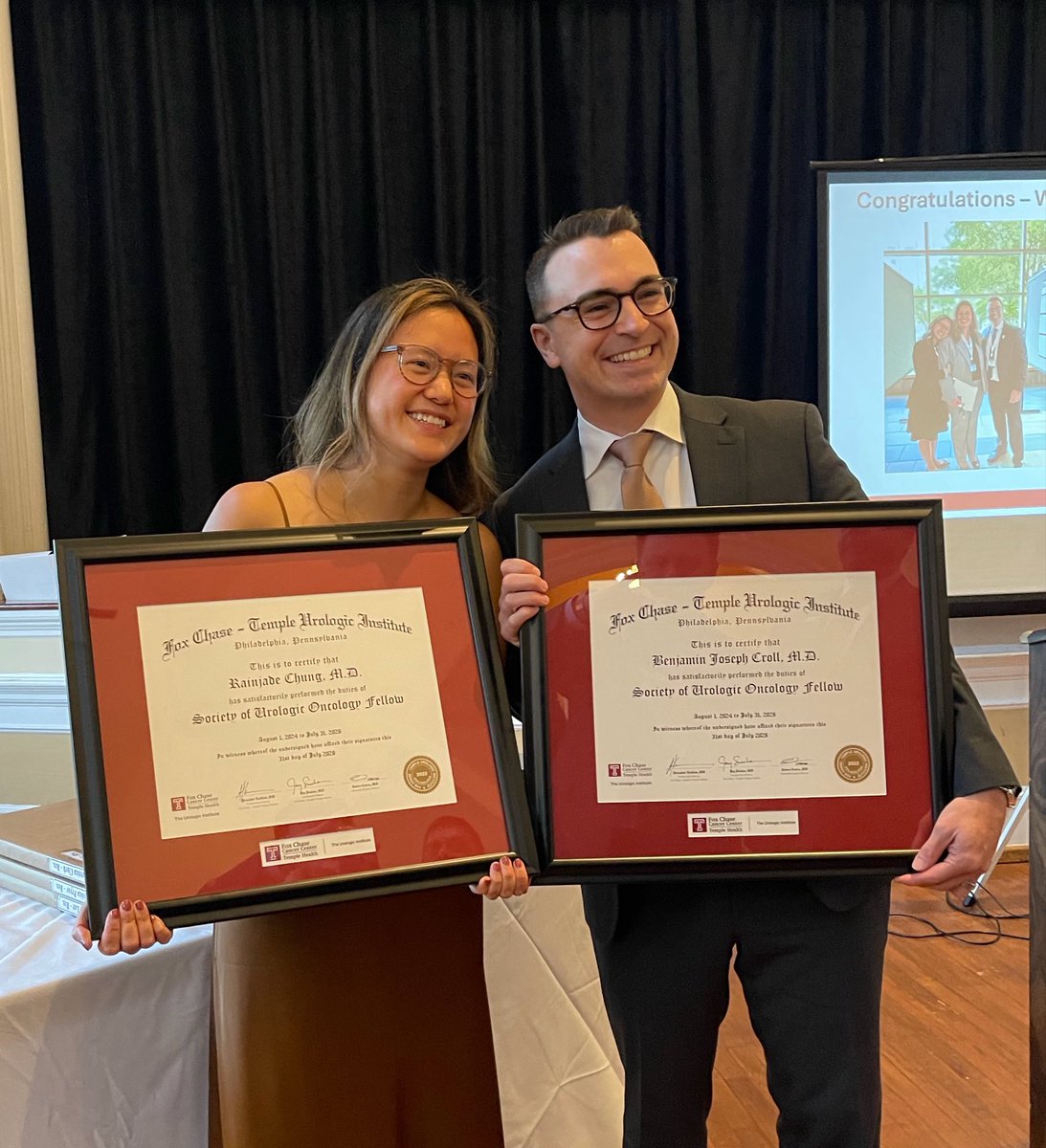
Congratulations to our graduating chiefs & @UroOnc and @SocietyGURS fellows!
Off to do bigger & better things after leaving @TempleHealth/@FoxChaseCancer much better than when they found it
Fox Chase Cancer Center's Benjamin Croll, MD, discusses findings from a study of the correlation between radiographic response and pathologic response in RCC. Learn more in this video with @OncLive: https://t.co/lPkidVw7jx
The Future Urologic Oncologists program, @UroOnc will take place, July 24-26 in Indianapolis.
PGY2/3s, learn from the exec board + members what the SUO provides; fellowship, community, leadership opportunities + friendships.
Sign up soon. App deadline is approaching.
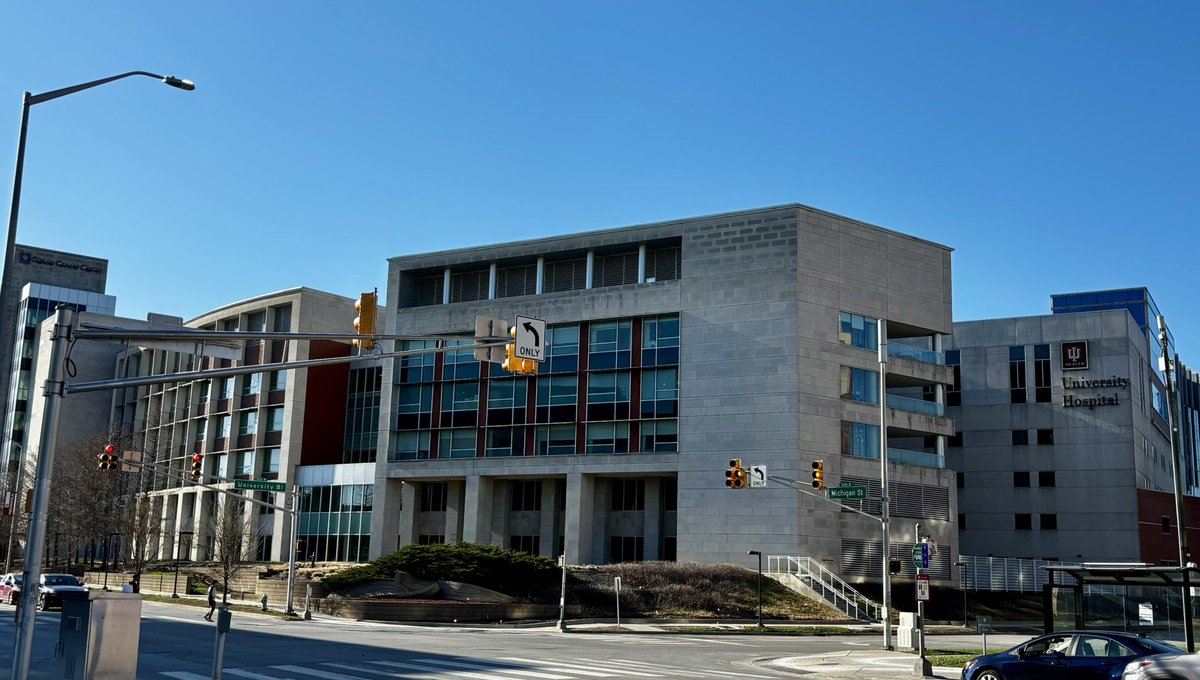
Huge Thank You to @IUuro for hosting me as a Uro Onc visiting fellow! Incredible week learning from @ClintCaryMD and Dr Tim Masterson - shadowing surgeries, clinic, and conferences
Made possible by @SUO_YUO Visiting Fellow Grant Program
@FCUroOnc
@DrSpratticus I don’t understand where this 1 in 3 w/ testosterone deficiency is coming from. Sources cited in article show transient, minor drop in T in (still well in eugonadal range; and some hypo pre op improved post-RALP). Certainly not enough to account for undetectable PSA.
🧵regarding Lord of the Rings - related traumatic injuries, and whether access to modern Level 1 trauma centers could have decreased morbidity and mortality within the Fellowship.
Here we will take a more evidence-based approach to some of the injuries in Middle Earth
(1/ )
Surgery is a "wicked" environment: feedback is delayed, noisy, and often biased. My essay on why experience doesn't always equal mastery, and how to learn when the feedback loops are broken.
https://t.co/mkHMtpskBV
#MedTwitter#Surgery#MedEd
.@FedGhali - was so great to have you at the @FoxChaseCancer / @FCUroOnc!
Fantastic talk - fresh and provocative ideas from a critical and creative thinker!