When CMS released its proposed 2027 Medicare Physician Fee Schedule, I posted several times about the proposed Modifier 25 cuts. I was surprised by how few urologists understood the implications for our practices, livelihoods, and patients. Most seemed to grumble and move on.
Afterward, I emailed the AUA directly to express my concerns. To their credit, several weeks later, they responded with a comprehensive explanation of their advocacy efforts and communications with CMS. They made compelling arguments: Modifier 25 represents significant, separately identifiable physician work; CMS had not adequately demonstrated duplicative services; and these cuts would discourage efficient same-day care while threatening independent practices and patient access.
But when I asked why AUA members weren't actively encouraged to submit comments during the public comment period, I never received a satisfactory answer.
Now the final rule is out. CMS reduced its proposed 50% cut to 20% and narrowed its scope. Are we supposed to celebrate? I can't help wondering whether 50% was always an opening position, making 20% seem like a victory. But a 20% cut is still a cut.
I worked in Congress before becoming a physician, first as an intern and later as a legislative aide. I can tell you firsthand that constituent calls and emails matter. As an intern, I tabulated contacts about specific issues. When enough constituents contacted our office, the issue was elevated to the responsible legislative staffer. Later, I became that staffer.
Physicians have far more political power than we realize. We simply don't use it.
Why isn't the AUA telling every member to contact their congressional representatives? Why isn't the AMA coordinating a national effort across every specialty society?
I sometimes wonder whether organized medicine is so concerned about maintaining a good relationship with CMS that it's reluctant to mobilize its own members aggressively. But CMS certainly isn't doing physicians any favors.
The reality is that physicians are terrible at advocating for ourselves. We don't want to lobby Congress or fight insurance companies. We want to take care of patients, go home to our families, and earn a reasonable living. And that reluctance to fight is precisely what makes us vulnerable.
Look at the economics of modern medicine. A device manufacturer can receive several times what the surgeon earns for using its technology. A hospital can collect facility payments many times larger than the physician's professional fee.
We've reached a point where we value the airplane more than the pilot, and then wonder why nobody wants to fly.
This isn't simply about physician income. It's about preserving independent practice, physician autonomy, and access to care. Every incremental cut makes it harder for physicians to practice medicine without becoming increasingly dependent on large hospital systems.
The AUA, AMA, and every specialty society should be mobilizing their members NOW. Give us talking points, congressional contacts, and a coordinated strategy. Make it easy for physicians to advocate.
We have more power than we think. But only if we're willing to use it.
We cannot keep expecting someone else to fight for us while we quietly accept another cut.
@AmerUrological@DrOzCMS
Further evidence that location matters. PIRAD 5 in the TZ has less chance of csPCa than a PZ lesion. Higher density in the TZ especially in BPH is a confounder. Quantitative ADC cutoffs unique to each zone helpful. Congrats @rani_asho from @UF_Urology! https://t.co/WkFpqQCrt5
🚨 Imagine waking up tomorrow and your pay was slashed 25% - for doing the exact same work. 🚨
That is, in essence, what CMS is proposing be done to urologists.
And if you think your specialty is safe, you’re wrong.
Here’s what every doctor needs to know 👇🏻
Despite this, @CMSGov plans to massively cut urologic surgeon reimbursement further in 2026. These changes will drive urologists even further away from operating, which is becoming a loss-leader. Making sub-$150/hr doing major surgery doesn’t even keep the lights on to do it 😞👎
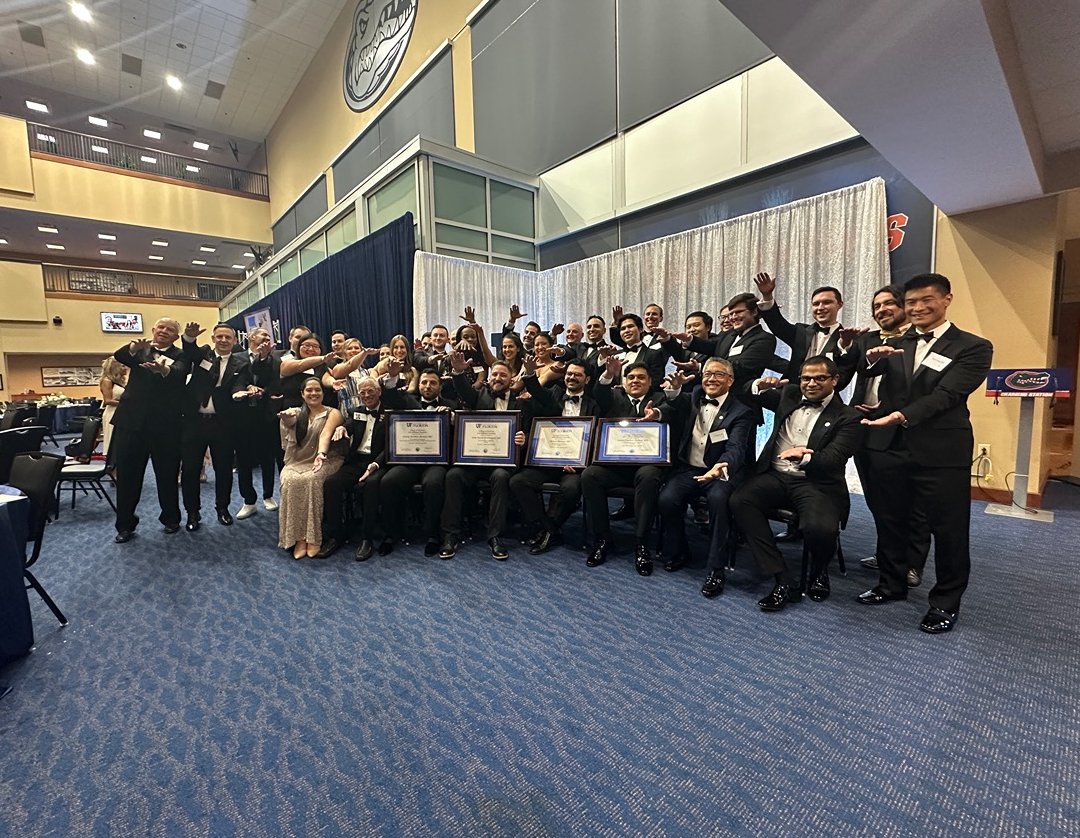
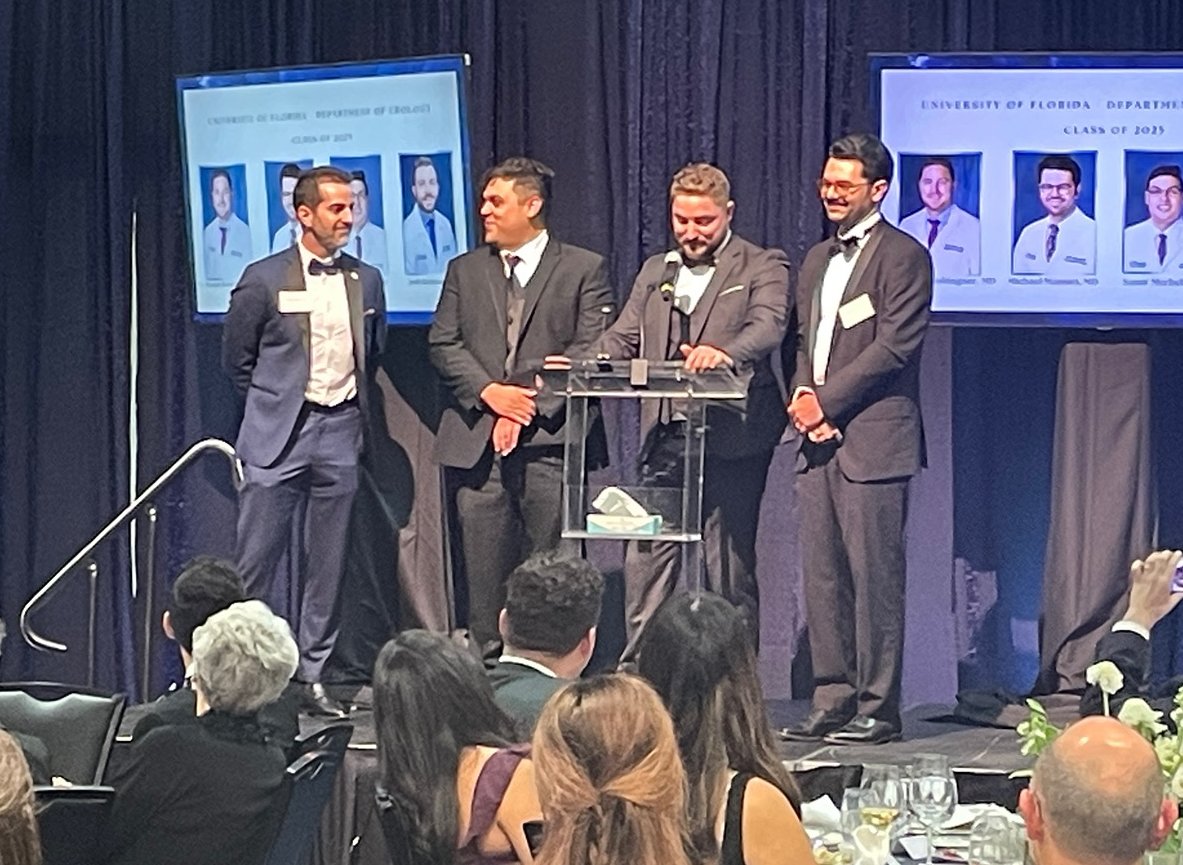
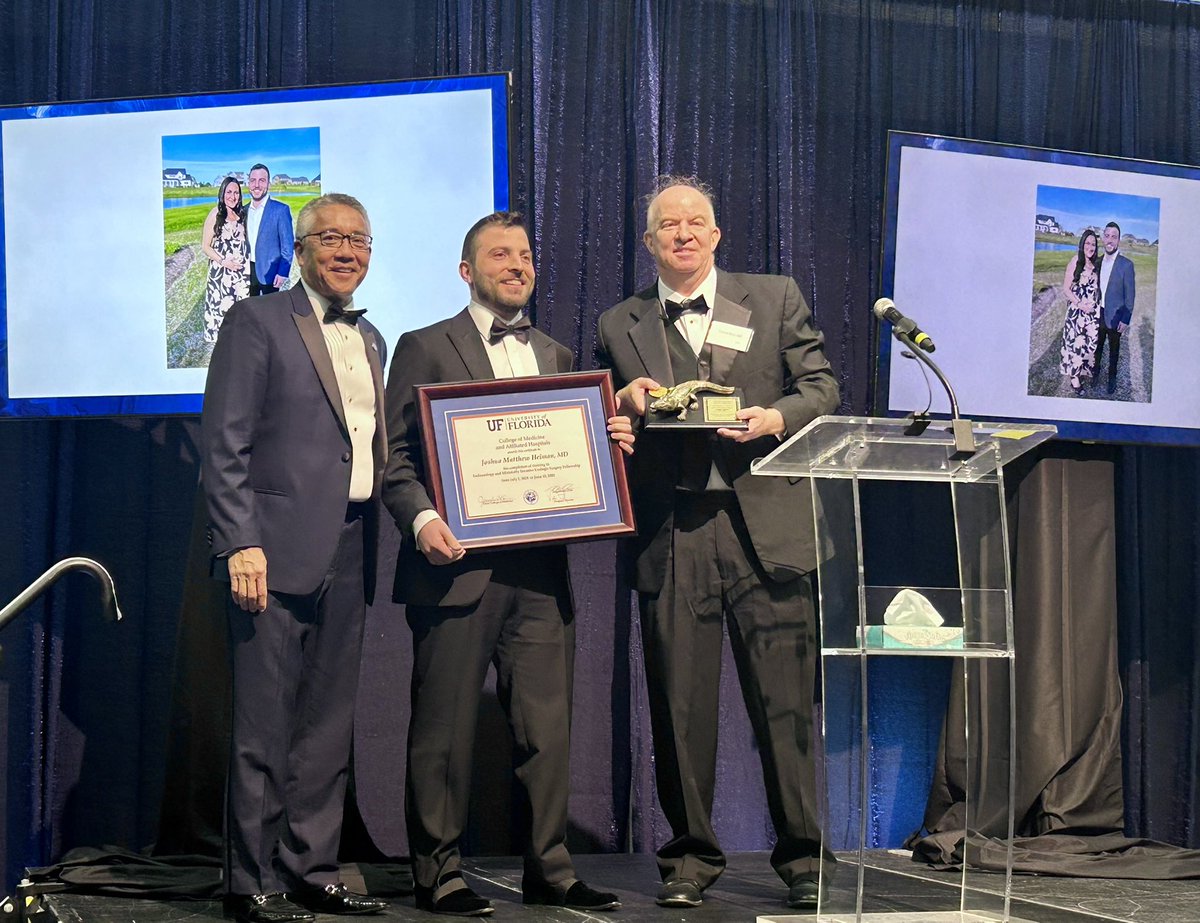
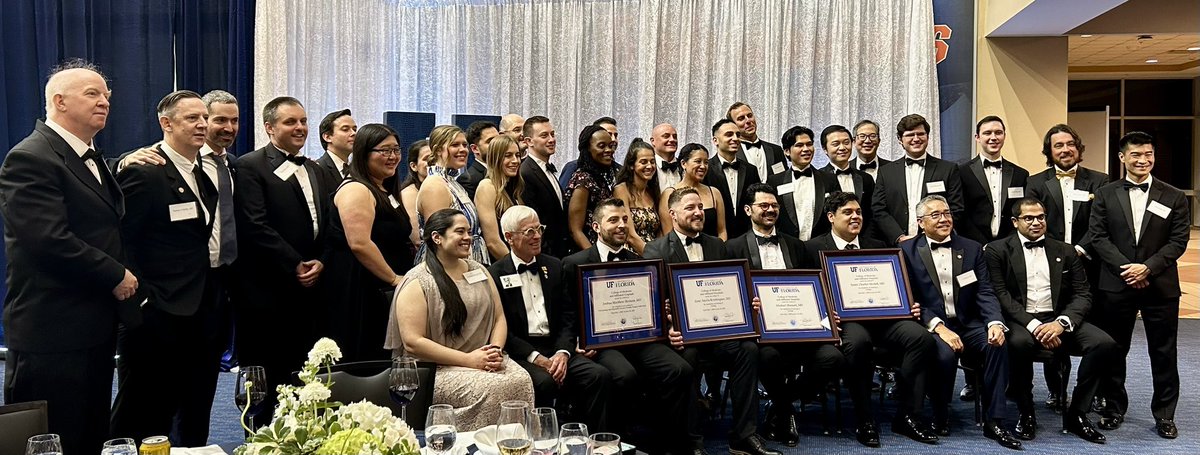
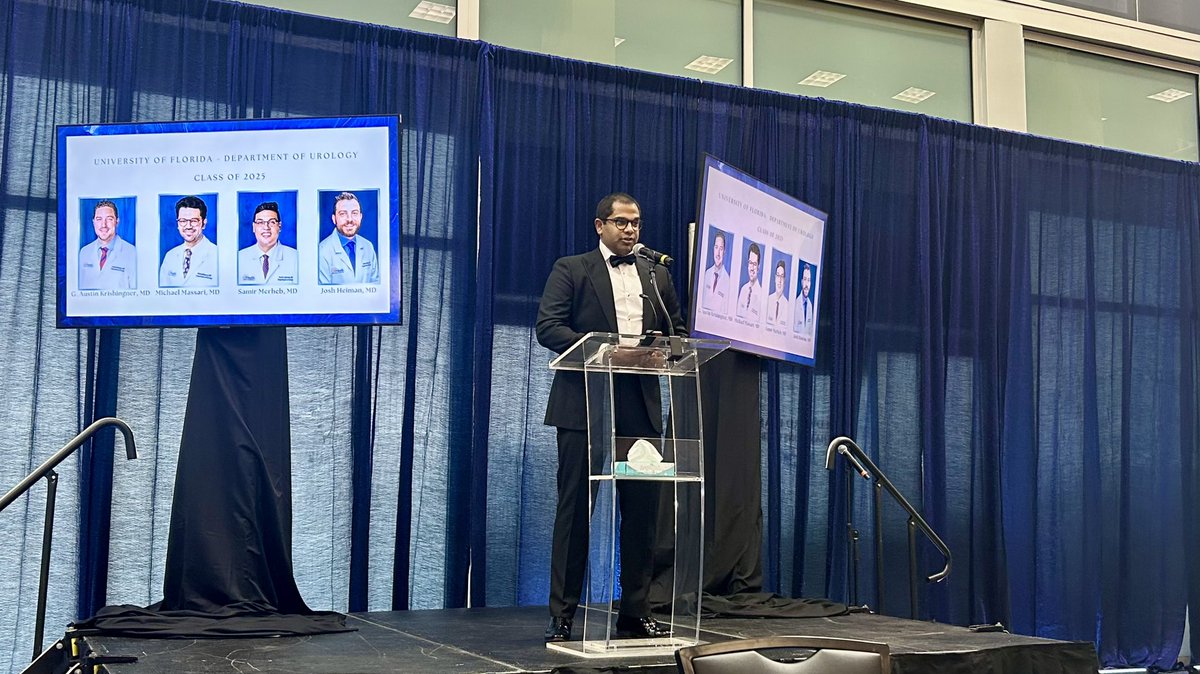
We're beyond proud of our outgoing residents and fellow. We know that they're taking the Gator Nation with them wherever they go, and we're grateful for the dedication and expertise they've shared with us. Congratulations! 🐊🧡💙🐊
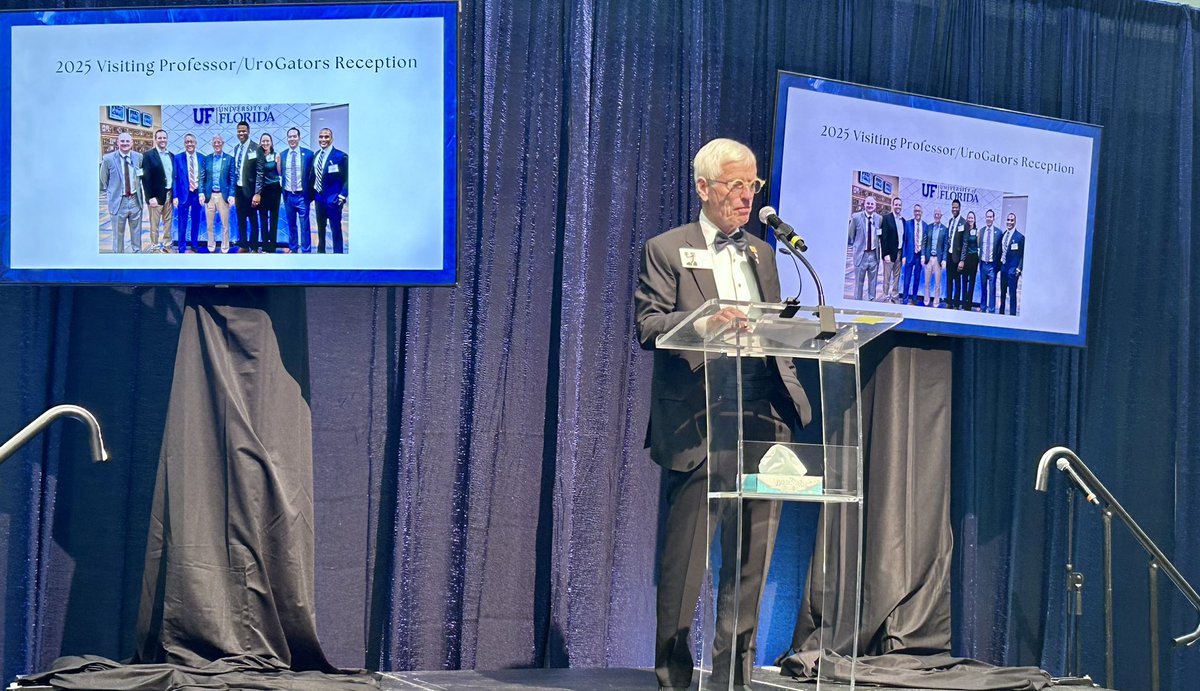
Another wonderful bittersweet @UF_Urology graduation. We and our patients will miss these incredible doctors and people. Thank you to Drs. Joseph and Sharadin for putting on a wonderful program, featuring @AmerUrological president elect Dr. Stringer #Urogators@Endo_Society
Wonderful roasts at this years @UF_Urology annual Roast! Good hearted and funny like this years graduating class. Thank you to Dr. Mason for hosting! #Urogators
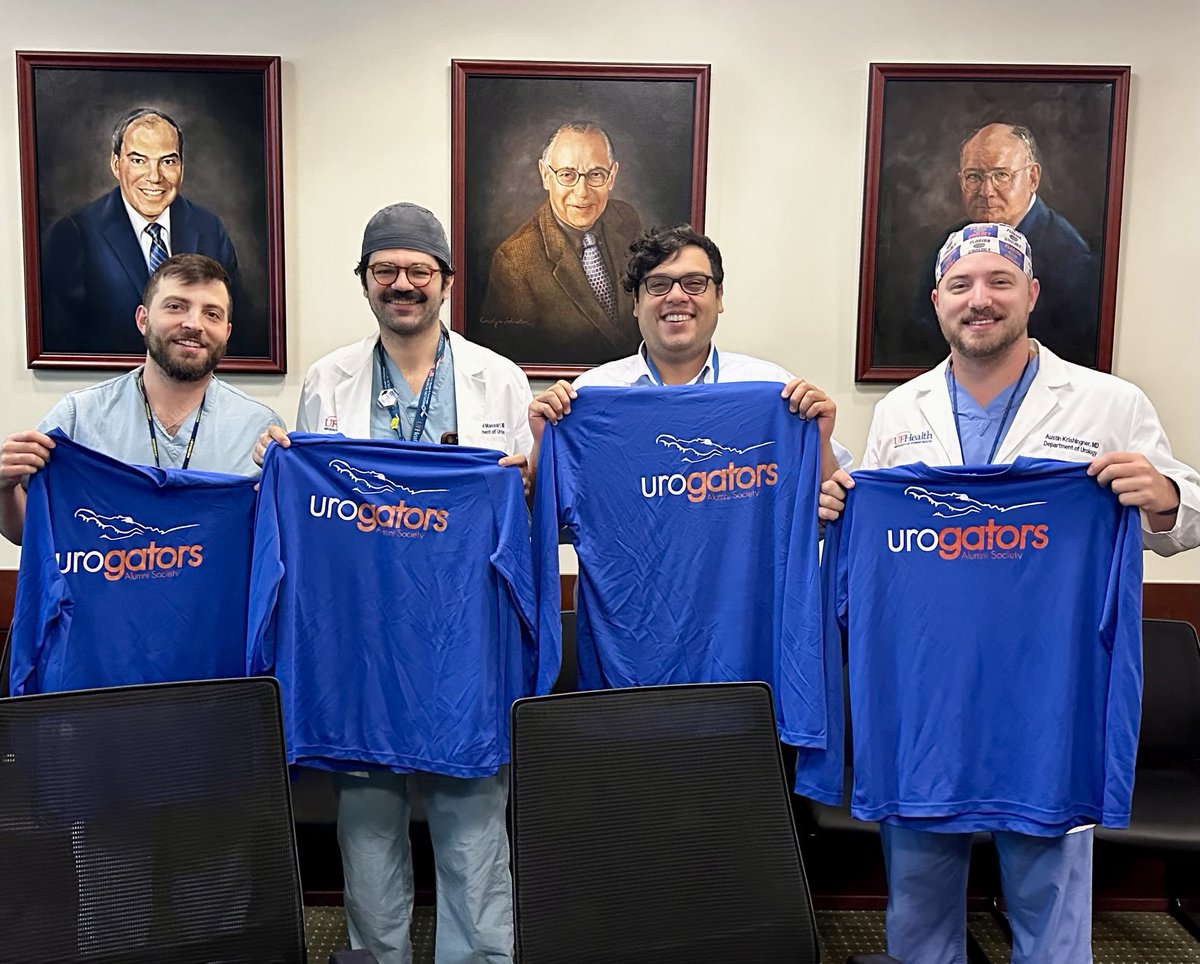
We had a wonderful chiefs dinner with outgoing chiefs, Doctors Austin Krishinger, Michael Massari, and Samir Merheb.
Thank you for your expertise, leadership, and compassion; we're sad to see you go but excited to see what you do next.
Bittersweet final chiefs/fellow and chair’s monthly meeting for this absolutely outstanding group of individuals @joshua_heiman, @MassariMD @merheb_samir @UroKrish with their well earned Chair Charters @UF_Urology UroGators fishing shirts.
Comment on: Low serum #testosterone is associated with an increased risk of first-time renal calculi in men without testosterone replacement therapy https://t.co/LFGcdgsCbz
@KJCampbellMD@UroKrish
Incredibly well done and thoughtful Grand Rounds by Dr. Kwenda! Truly a rising star in Urology, raising the bar for us all @UF_Urology#UroGators@UFHealth@UFMedicine
The inaugural 🐊 RIGS group was a success! What a fantastic way to foster collaborations and plan new projects!
Interested in research and/or mentorship? Find your local Regional Interest Group!
A huge thanks to @SMSNA_ORG for making this possible! @UF_Urology
What’s beneath the white coat? Maybe decreased levels of T? @Chase__Mallory with @UroKrish discuss male resident wellness and hypogonadism during training. Half of participants scored positively on the ADAM questionnaire with Total T<400 in 2/3’s! 👀