☠️ ANTHROPIC HAT GERADE EBAY ERLEDIGT!
Das ist der Chart von $EBAY. Minus 5,3 Prozent. An einem Tag. Von $103,40 runter auf $97,94. Kein Earnings. Kein Skandal. Kein Insider-Verkauf. Nur ein Forschungs-Paper von Anthropic.
"Project Deal" heißt das Ding.
Anthropic hat in seinem San-Francisco-Büro einen Marktplatz für die eigenen Mitarbeiter gebaut. 69 Leute. Je 100 Dollar Budget. Klassisches Craigslist-Setup. Nur mit einem Twist: Die Verhandlungen führt Anthropic. Nicht der Mensch. Die KI kauft, verkauft, dealt für dich. 186 Transaktionen in einer Woche, über 4.000 Dollar Volumen.
Und ein interessantes Detail aus dem Paper: Wer einen schwächeres Modell bekam, machte nachweislich schlechtere Deals. Hat es aber selbst nicht gemerkt.
Klingt nach Büro-Spielerei. Ist es nicht.
Es ist ein Proof of Concept dafür, dass jeder Marktplatz im Netz austauschbar ist. eBay verdient Geld weil Menschen eBay brauchen, um zu handeln. Was, wenn Menschen nichts mehr machen müssen?
Wall Street hat verstanden. Sofort.
Alles, was Marktplatz ist betroffen. Salesforce ist seit Januar 33 Prozent runter, weil "Claude Cowork" die ganze CRM-Industrie in Frage gestellt hat. Adobe minus 36. ServiceNow gerade von UBS auf Neutral runtergestuft. Der Software-Index IGV ist 35 Prozent unter seinem Hoch.
Eine ganze Branche wird vor unseren Augen umgeschrieben.
Wall Street hat dafür schon einen Namen. SaaSpocalypse. Seit Januar 2026 sind ungefähr 2 Billionen US-Dollar aus der Software-Wirtschaft verdampft. Zwei Billionen. Und das Spiel fängt grade erst an.
Was Wall Street gerade einpreist: Pro-Seat-Lizenzen verlieren ihren Sinn, wenn ein Agent eine ganze Abteilung ersetzt. Plattform-Take-Rates kollabieren, sobald Agenten direkt mit Agenten verhandeln. Werbung verliert ihre Logik in einem Markt ohne menschliche Klicker. Was bleibt sind Infrastruktur-Anbieter, Daten-Besitzer und die Modell-Hersteller selbst.
Und genau da kommt der nächste Schlag.
Anthropic hat letzte Woche Opus 4.7 vorgestellt. Sonnet 5 ist seit Anfang April live. Das Roadmap-Leak von vor zwei Monaten zeigt interne Referenzen auf Sonnet 4.8 und Claude 5 - geplant für den Sommer. Google hat parallel angekündigt, bis zu 40 Milliarden Dollar in Anthropic zu investieren. Das ist ein All-In auf die Disruption der eigenen Cloud-Kunden.
Bei OpenAI läuft das gleiche Spiel, nur lauter. Sam Altman hat im März bei BlackRock öffentlich gesagt, sie trainieren in Abilene, Texas, das nach eigener Einschätzung beste Modell der Welt. Übersetzt: GPT-6. Release-Fenster: Ende Mai. Was die Modelle laut Roadmap können sollen? Selbstständige Workflows. Bezahlsysteme. Buchungen. Verhandlungen. Komplexe Transaktionsketten ohne menschliche Aufsicht. OpenAI hat parallel mit Etsy und Shopify die ersten Pilot-Integrationen für agentic shopping gestartet. Du sagst ChatGPT was du brauchst, ChatGPT kauft. Ohne Klick auf Etsy.
Und du musst dir die Frage stellen, welches Geschäftsmodell das überlebt.
Marktplätze überleben so nicht. Wenn ein Agent für mich kauft, brauche ich keine Plattform mit Suchfunktion und Verkäufer-Reviews. SaaS-Lizenzen pro Sitzplatz fallen genauso. Wenn 10 Agenten die Arbeit von 100 Sales-Reps erledigen, braucht keiner mehr 100 Salesforce-Logins. Werbung wird ein Nullsummenspiel. Agenten klicken keine Anzeigen.
Wie schnell diese Unternehmen sterben, ist die einzige offene Frage.
Ich sehe drei Szenarien.
⚠️ Erstens: Die Plattformen integrieren die Agenten und werden selbst zur Infrastruktur. eBay wird zum reinen Settlement-Layer für Claude und GPT. Möglich. Aber die Margen brechen weg.
⚠️ Zweitens: Die Plattformen sterben langsam und Anthropic plus OpenAI werden selbst zum neuen Marktplatz. Wahrscheinlich. Wer die Schnittstelle besitzt, besitzt den Kunden. Und die zwei sammeln gerade die Schnittstellen ein.
⚠️ Drittens: Eine ganz neue Asset-Klasse setzt sich durch. On-Chain. Programmierbar. Permissionless. Wo Agenten ohne Custodian und ohne Plattform handeln können. Krypto war von Anfang an für eine Welt gebaut, in der Maschinen Geld bewegen. Keine andere Schiene kann das aktuell.
Ich bin etwas besorgt 🫠.
https://t.co/no3JK9V7iH
Markets are training people to think crashes don’t happen anymore.
That’s how the riskiest setups take shape.
In 1929, investors thought prosperity would last for good. During the dot-com bubble, they thought technology had rewritten the old rules. Today, the story has changed, but the pattern hasn’t. Every shock feels brief. Every dip gets bought. Liquidity is expected to show up before any real damage sets in.
After a while, that repetition changes how people act.
They stop taking downside seriously. They stop hedging. They start brushing off volatility like it means nothing, instead of seeing it for what it is, a warning sign.
The market isn’t getting rid of crash risk. It’s dulling fear and teaching participants to look past it.
That’s why the next real break, whenever it comes, hits harder than most expect.
When your working life rewards you, it’s easy to ratchet up the complexity: homes, cars, travel, possessions etc.
I have found that all that complexity comes at the sake of your most fleeting asset: your time. Instead of building things, all of a sudden you’re dealing with minutiae and logistics. Instead of talking mostly to engineers, you’re talking mostly to non-engineers. The building stops…the business of managing self inflicted complexity begins.
It’s worth noting that the best players in the game (Buffett, Elon) have kept their life extremely basic, almost monastic/nomadic, as success ratcheted them ever higher.
I think it’s the biggest secret hiding in plain sight:
When the world upgrades your status, downgrade your complexity.
Calling balls and strikes is exactly like paying taxes. They know the answer, but they let someone fkn guess and correct them if they're wrong. Skip the human error part....
The United States has spent EIGHT TRILLION DOLLARS fighting and policing in the Middle East. Thousands of our Great Soldiers have died or been badly wounded. Millions of people have died on the other side. GOING INTO THE MIDDLE EAST IS THE WORST DECISION EVER MADE.....
Websites making sure I'm human by identifying a picture of a bike out of a lineup of pictures while machines are solving the quantum physics problems in the matter of milliseconds. It's just making sure I'm dumb enough to be a human before entering.
Iran is attacking the funding source of the US empire… the bond market
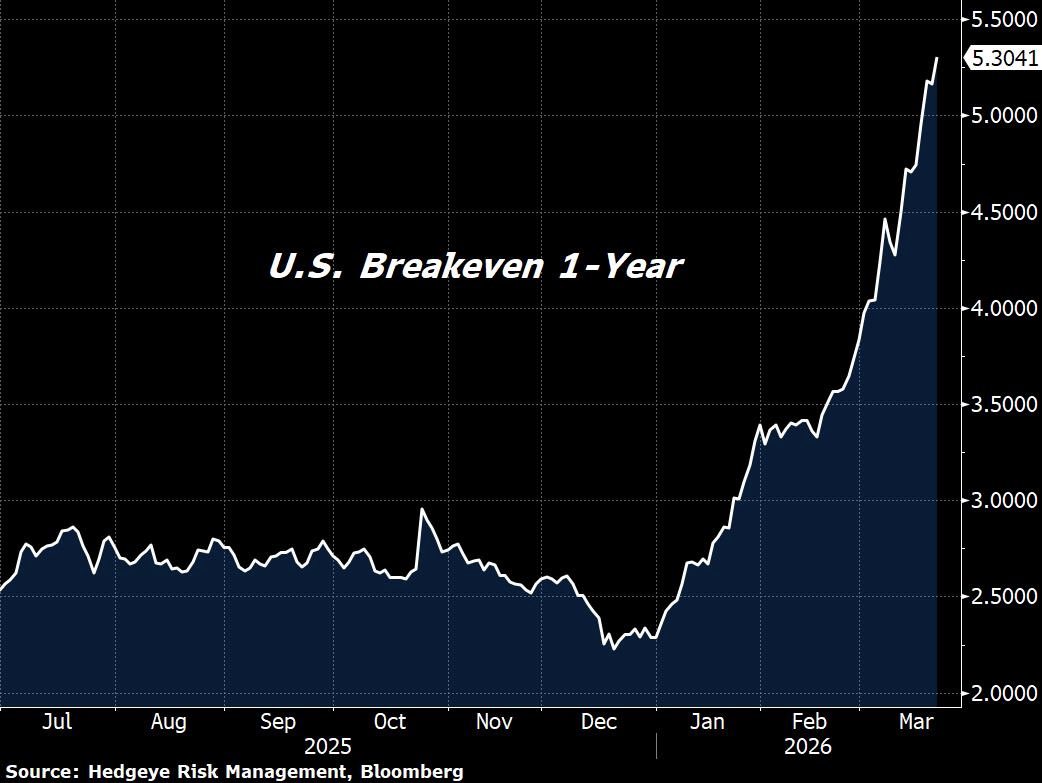
Their plan is quite simple: create a massive supply shortage, which will increase inflation and, as a result, drive surging interest rates that crash the US economy.
The US went into the war in pretty bad shape:
- Debt-to-GDP of over 120%
- Deficits of 6% of GDP
- Rising unemployment
But 1 month of Hormuz being closed made it worse:
- 10-year yield is up ~0.5%
- US endured the weakest Treasury auction in over 3 years
- With ~60% of auctions having a higher than expected yield
For every 1% increase in interest rates, interest expenses surge by ~$310B annually. And because the US government is mainly financed on the short end, interest rate increases directly translate into higher deficits.
Now, within the next 12 months, ~33% ($10T) of US debt has to be refinanced... preferably at higher rates, if you ask the Iranians.
Higher inflation -> Higher yields -> higher deficit -> more issuance -> even higher yields
Trump can declare victory as often as he wants, but if Hormuz remains closed, bond yields will spike and crush the US economy… dealing a devastating blow to an already declining empire.
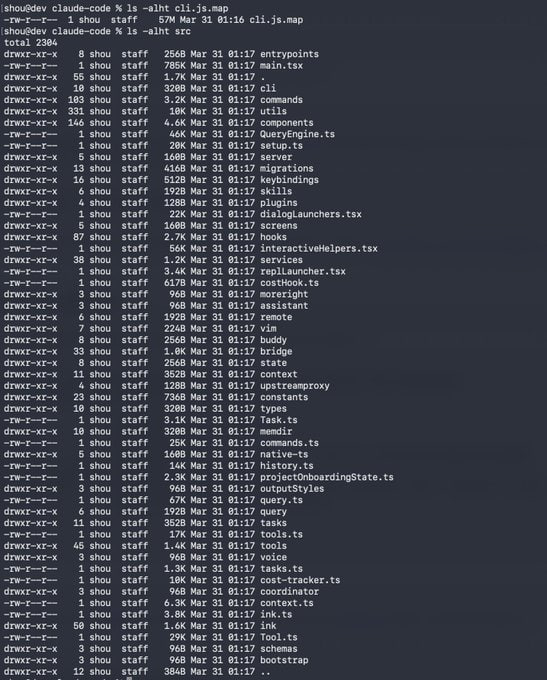
Anthropic accidentally leaked their entire source code yesterday. What happened next is one of the most insane stories in tech history.
> Anthropic pushed a software update for Claude Code at 4AM.
> A debugging file was accidentally bundled inside it.
> That file contained 512,000 lines of their proprietary source code.
> A researcher named Chaofan Shou spotted it within minutes and posted the download link on X.
> 21 million people have seen the thread.
> The entire codebase was downloaded, copied and mirrored across GitHub before Anthropic's team had even woken up.
> Anthropic pulled the package and started firing DMCA takedowns at every repo hosting it.
> That's when a Korean developer named Sigrid Jin woke up at 4AM to his phone blowing up.
> He is the most active Claude Code user in the world with the Wall Street Journal reporting he personally used 25 billion tokens last year.
> His girlfriend was worried he'd get sued just for having the code on his machine.
> So he did what any engineer would do.
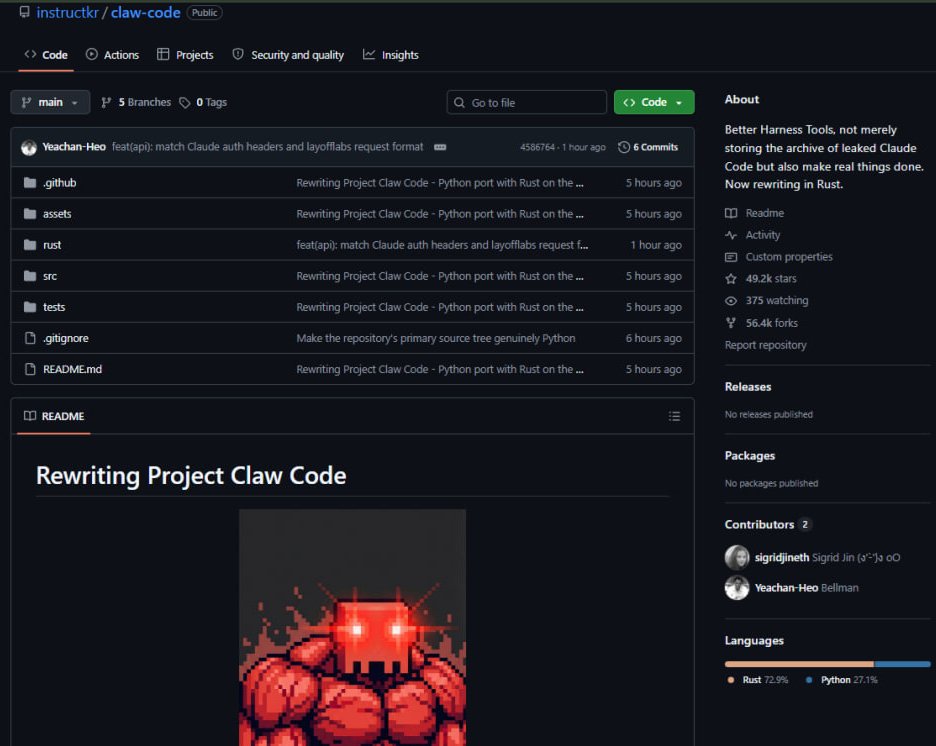
> He rewrote the entire thing in Python from scratch before sunrise.
> Called it claw-code and Pushed it to GitHub.
> A Python rewrite is a new creative work. DMCA can't touch it.
> The repo hit 30,000 stars faster than any repository in GitHub history.
> He wasn't satisfied. He started rewriting it again in Rust.
> It now has 49,000 stars and 56,000 forks.
> Someone mirrored the original to a decentralised platform with one message, "will never be taken down."
> The code is now permanent. Anthropic cannot get it back.
Anthropic built a system called Undercover Mode specifically to stop Claude from leaking internal secrets. Then they leaked their own source code themselves. You cannot make this up.
@JKeynesAlpha Actually add in the part where the economic goals were failing miserably... THEN enter war as a scapegoat to those failed efforts (tarrifs, re-industrialization) to protect ego.
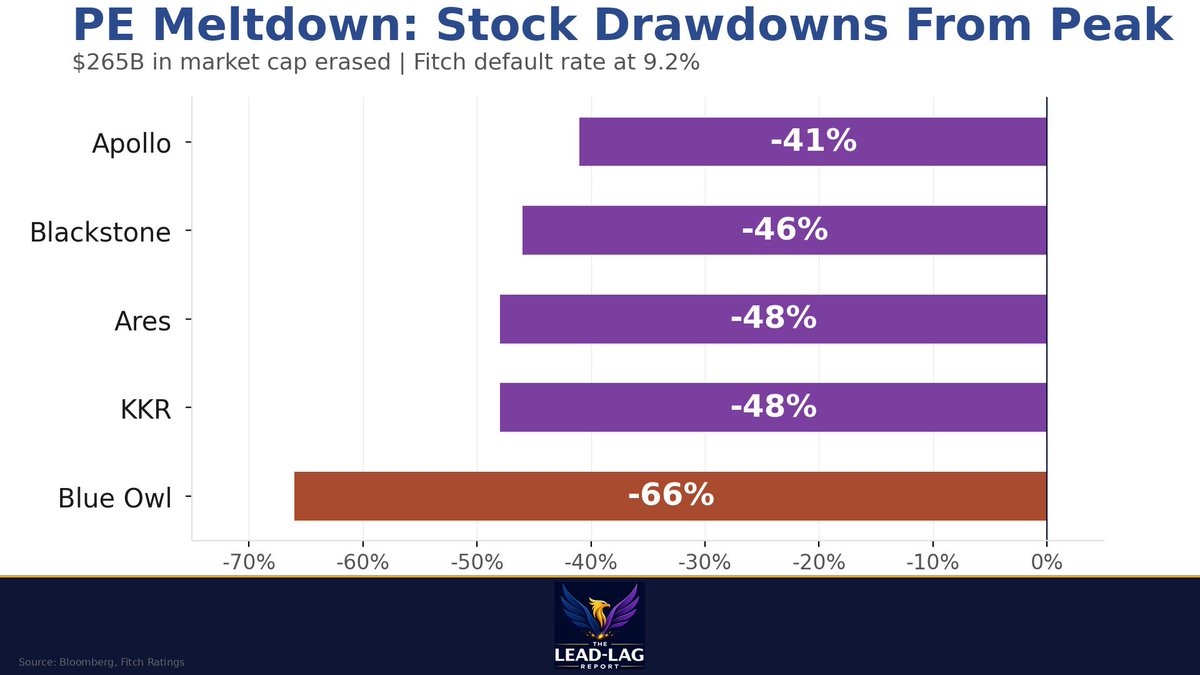
Apollo down 41%. Blackstone down 46%. Blue Owl down 66%.
$265 billion in PE market cap erased.
Private credit was the "safe" alternative. Until it wasn't.
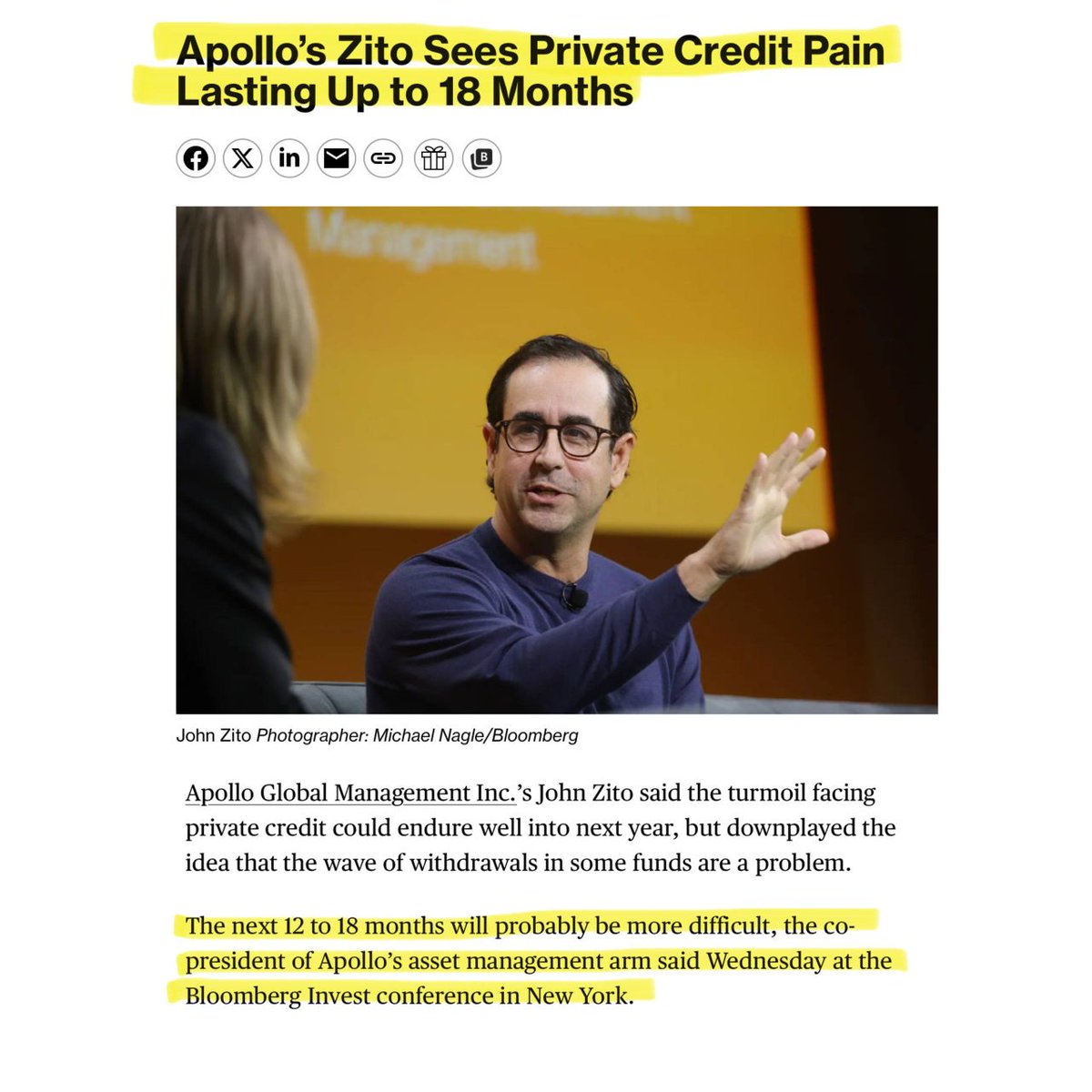
BREAKING: A top apollo executive just admitted that the $2 TRILLION private credit market is effectively built on fake valuations.
John Zito, co president of the asset management arm at Apollo Global Management, said something rarely said publicly in private markets:
“I literally think all the marks are wrong. I think private equity marks are wrong.”
Here is what that means.
Private equity firms buy companies using private credit loans. Unlike stocks, these companies do not trade on public markets every day.
So the firms themselves decide what those companies are worth.
When economic conditions weaken, there is no market forcing valuations to fall.
Many firms simply keep reporting the same high valuations instead of marking assets down.
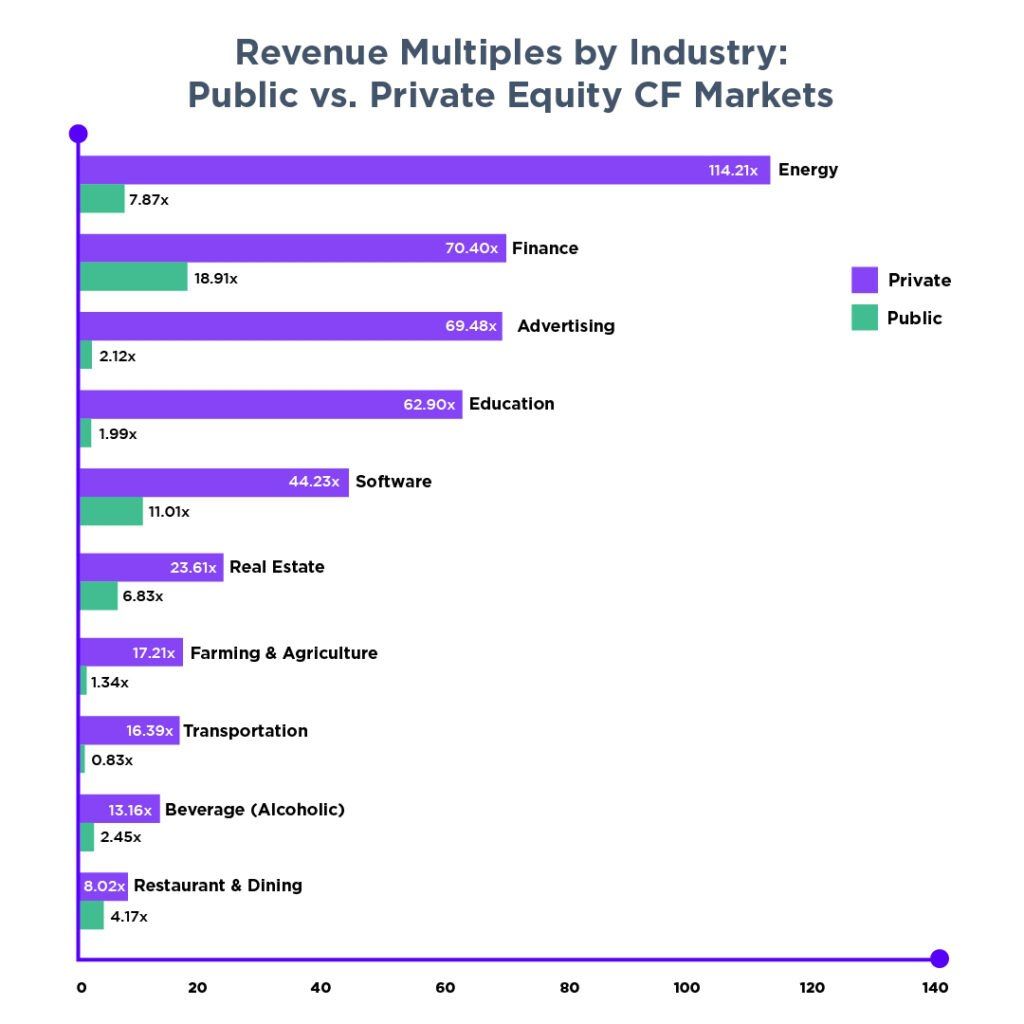
Zito specifically pointed to software companies bought between 2018 and 2022, when private equity paid much higher prices than similar public companies were worth.
If the economy slows, he estimates loans to a typical mid size software company could recover only 20 to 40 cents on the dollar.
That implies potential losses of 60% to 80%.
And the first signs of stress are already appearing.
Funds linked to Morgan Stanley, BlackRock, and Cliffwater LLC have recently limited investor withdrawals after redemption requests exceeded quarterly limits.
Investors are trying to withdraw money faster than these funds can return it.
Private credit has grown into a $2 Trillion market over the past decade as investors searched for higher yields outside traditional bonds.
But the stability of this market depends heavily on how assets are valued.
And as Zito’s comments suggest, those valuations may not reflect reality.
Soooo Battle of the LLMs in March madness brackets in determining which is best? I feel many brackets are duplicates this yr due to ppl asking AI to fill it out for them.