🚨 The Smart Lab @TAMUSA is recruiting a Master’s student for Spring 2026!
Work on cool molecular ecology projects—from Indonesian herps 🦎 to Texas salamander genomics 🧬 (with possible South America fieldwork 🌎).
TAship + in-state tuition.
👉 [email protected]
Dr. Davida Smyth from the Department of Natural Sciences is set to receive the 2025 ASM Carski Award for Undergraduate Education! 🌟 This award honors educators for excellence in teaching microbiology and inspiring student success. Read more: https://t.co/0ko2J2jpAp
#TAMUSA
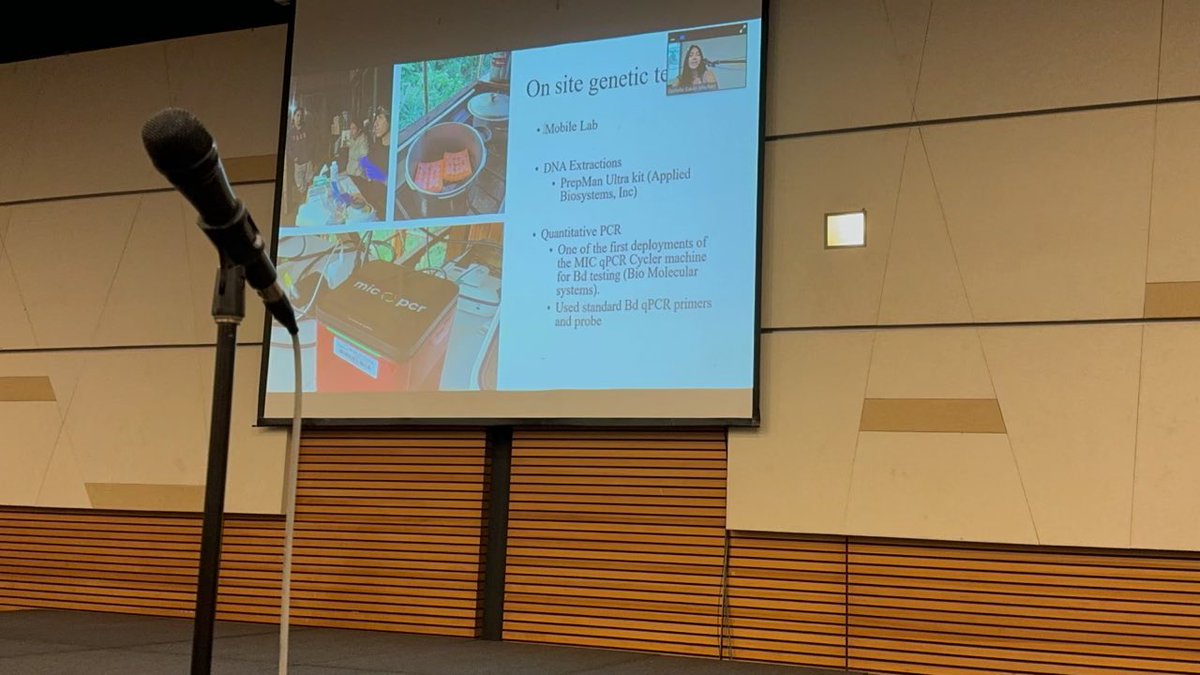
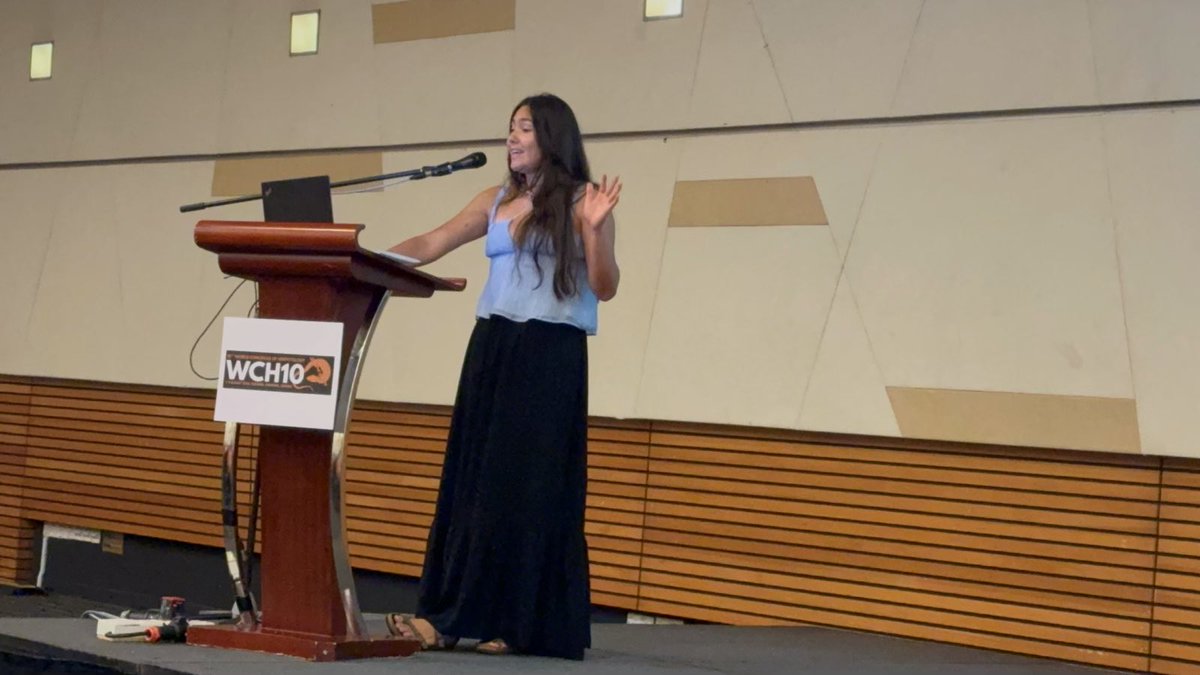
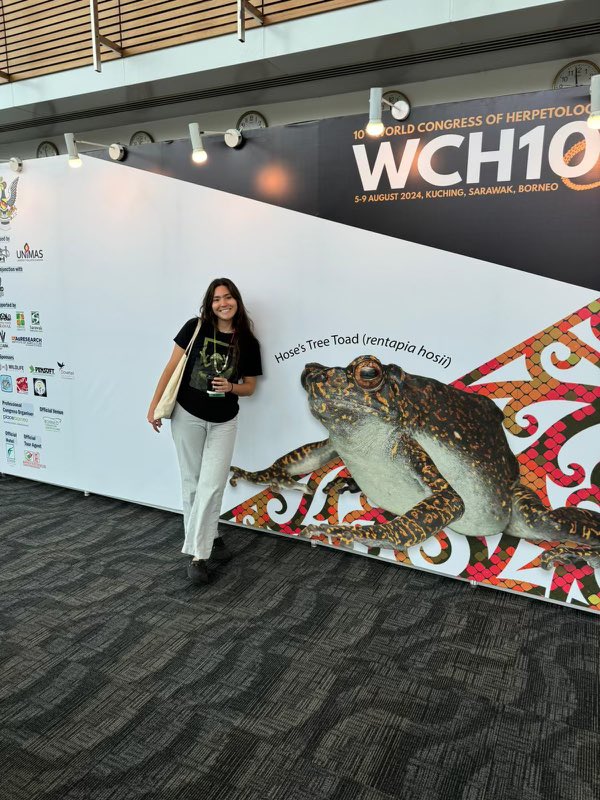
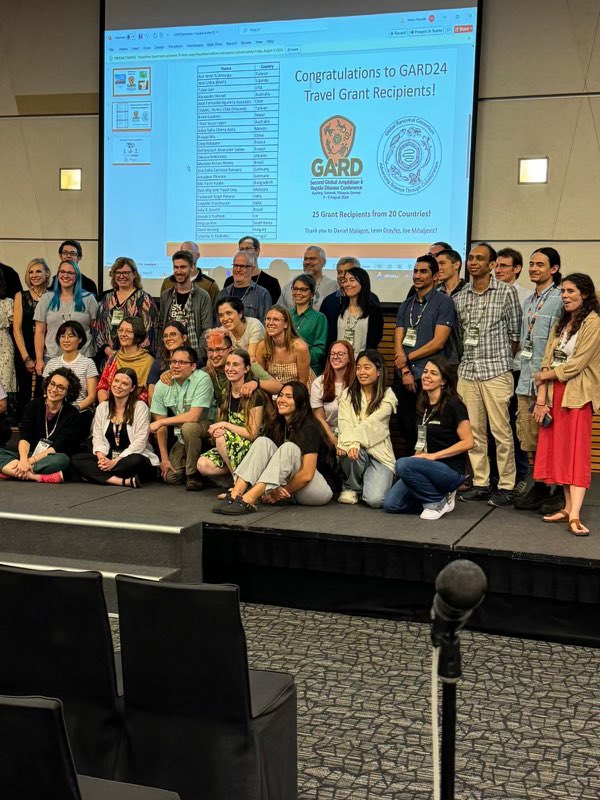
PhD candidate Mar @anuradelmar represents the #RDZLab & @txst at World Congress of Herpetology in Borneo thanks to #GARD! Great job presenting your #NSF funded research on amphibian-chytrid in the canopy to the global community. We're all super proud of you! 🐸🌳🧬🍄🟫#WCH10
Thrilled to join Texas A&M University-San Antonio as an Assistant Professor! 🎉
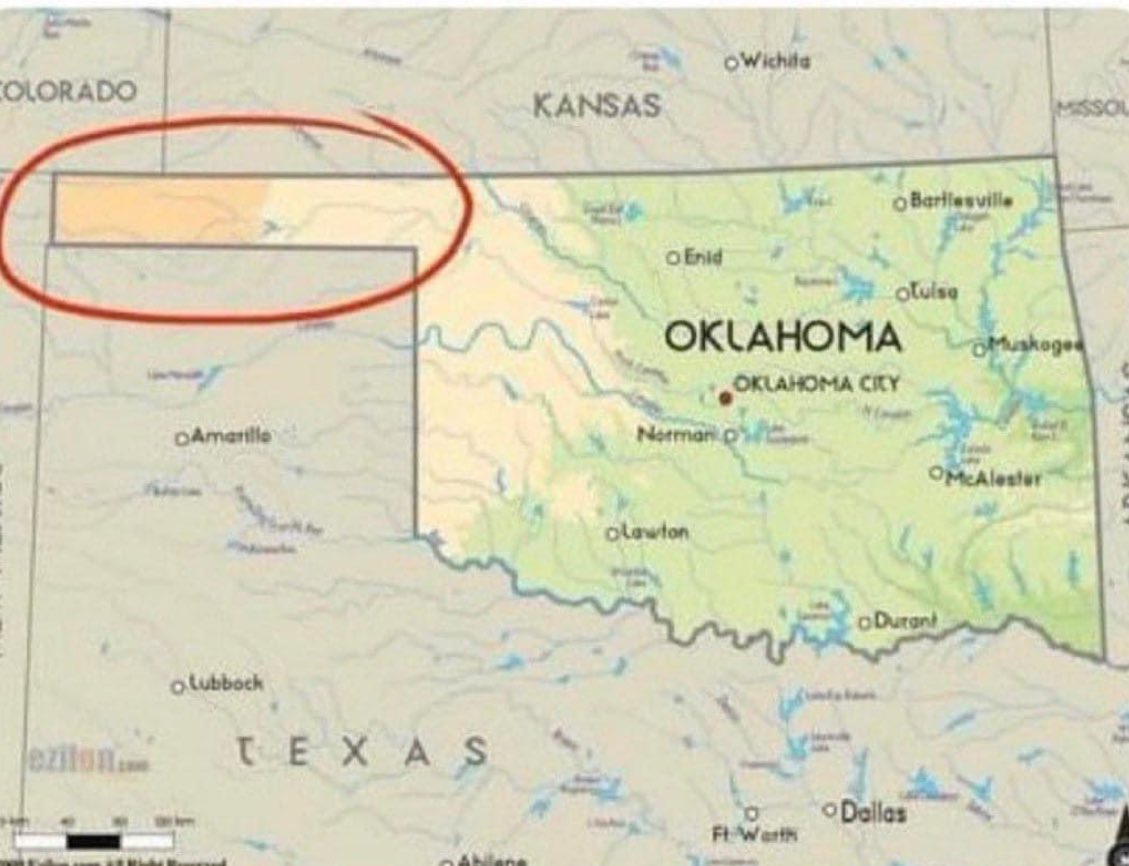
Seeking Master's students for Spring 2025 to study salamanders & herps in Texas, Ecuador, & Indonesia. If you're into molecular ecology & herpetology, reach out! 🐸🐍🧬 #MolecularEcology#Herpetology
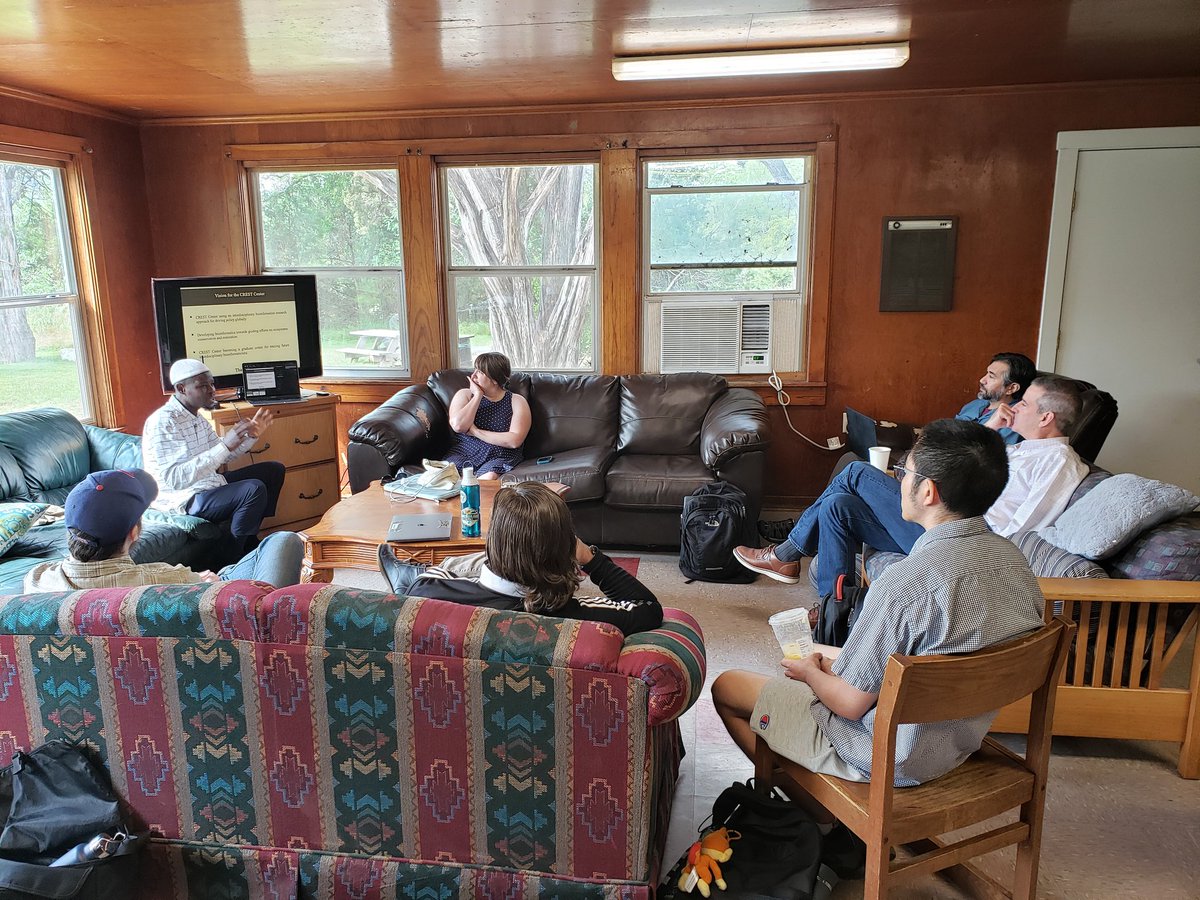
Succefully wrapped up our first cross-disciplinary brainstorming session (at beautiful UCamp) for establishing an NSF CREST Bioinformatics Center at TXSTATE. Thank you everyone who participated, and we look forward to materializing this exciting project! #BIGDATA#BIOLOGY#STEM
First study to genotype Bd from Ecuador and my first publication based on data from the Amazon! :)
Elevated prevalence of the global panzootic chytrid strain in Ecuadorian anurans of the Amazonian lowlands https://t.co/bgxwG7z9iY
Ever heard of radio-tracking bacteria?! 🦠
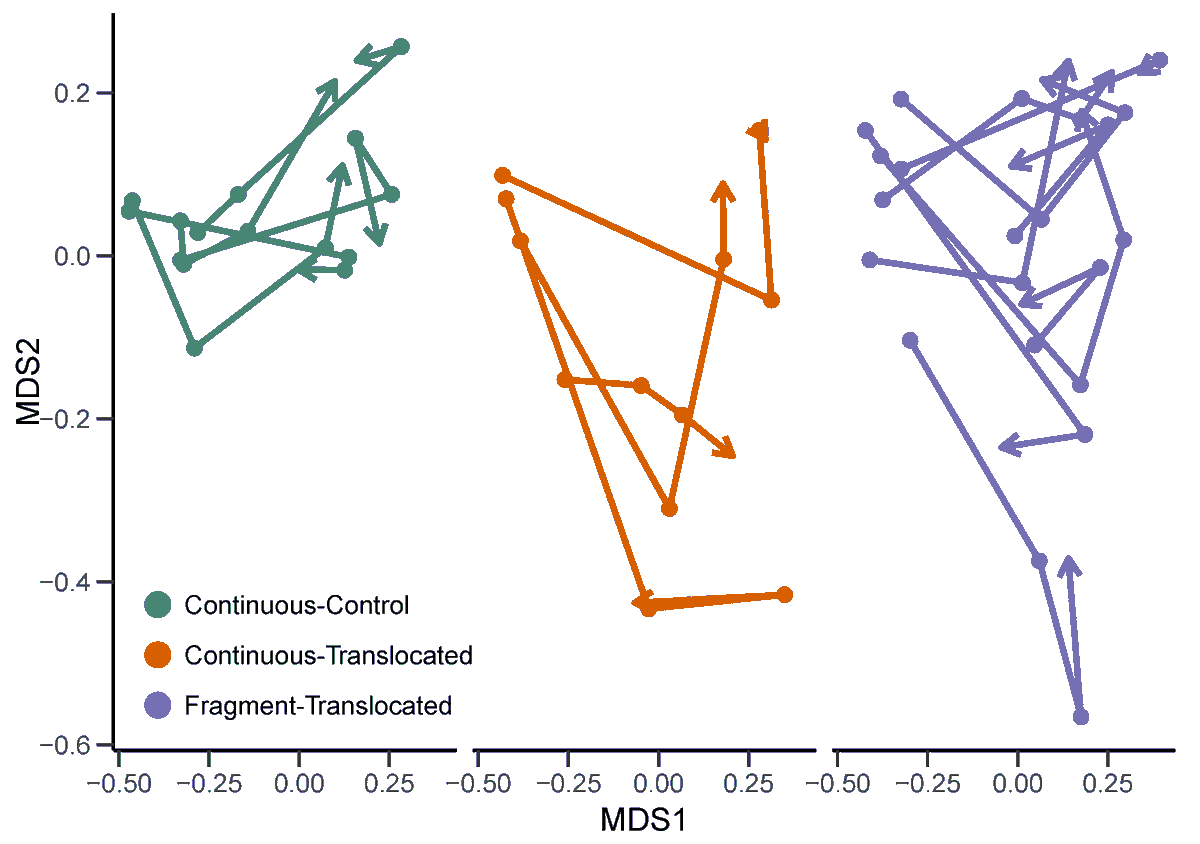
In this new paper we followed wild Brazilian tree frogs using radio telemetry to test how habitat fragmentation influences their protective skin microbiomes and stress hormones: https://t.co/FZ29fdXsC1; led by @wesleyjneely; @PSUmBiome
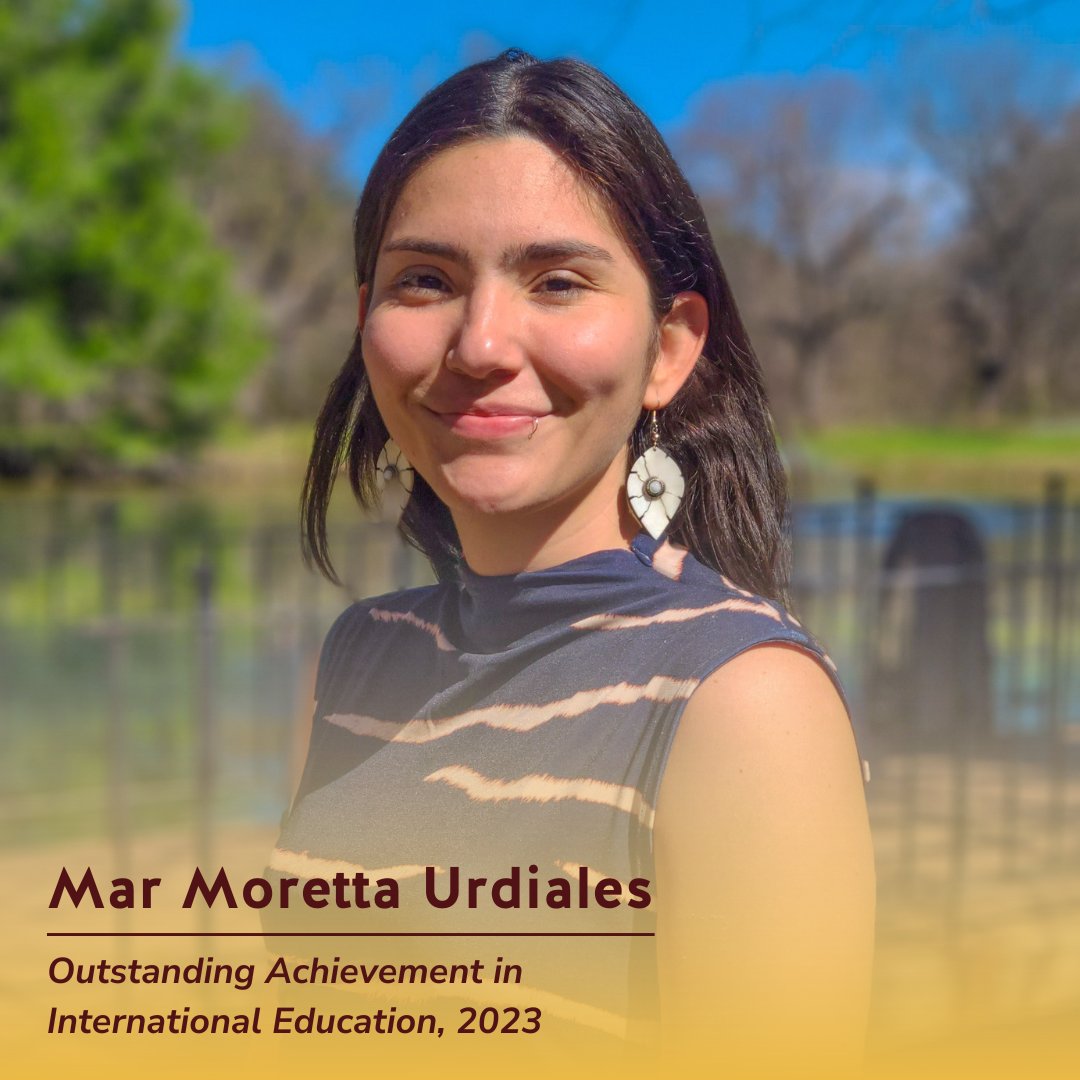
The Graduate College congratulates Aquatic Resources and Integrative Biology doctoral student Mar Moretta-Urdiales, who was recently awarded the 2023 Outstanding Achievement in International Education award, presented by the International Student and Scholar Services.
A cat co-authored a scientific paper in 1975, when his owner, a physicist named Jack H. Hetherington, decided to add him as a second author to avoid changing the plural pronouns in his manuscript. The cat’s name was Chester, and he was given the pen name F.D.C. Willard, which stood for Felix Domesticus, Chester. Willard was also the name of Chester’s father. The paper was about atomic behavior at different temperatures, and it was published in Physical Review Letters, a prestigious physics journal.
Chester’s co-authorship was revealed when Hetherington sent some signed copies of the paper to his friends and colleagues, and included the cat’s paw prints as his signature. The story became widely known and amused many people in the scientific community. Chester even published another paper as the sole author in 1980, in a French popular science magazine. He died in 1982, but he is still remembered as the first and only cat to have authored a published scientific paper.
Parrots are intelligent enough to understand touch screen interfaces and they prefer watching videos of other parrots.
[📹 insta.beakk]
https://t.co/MIYOzKSG68