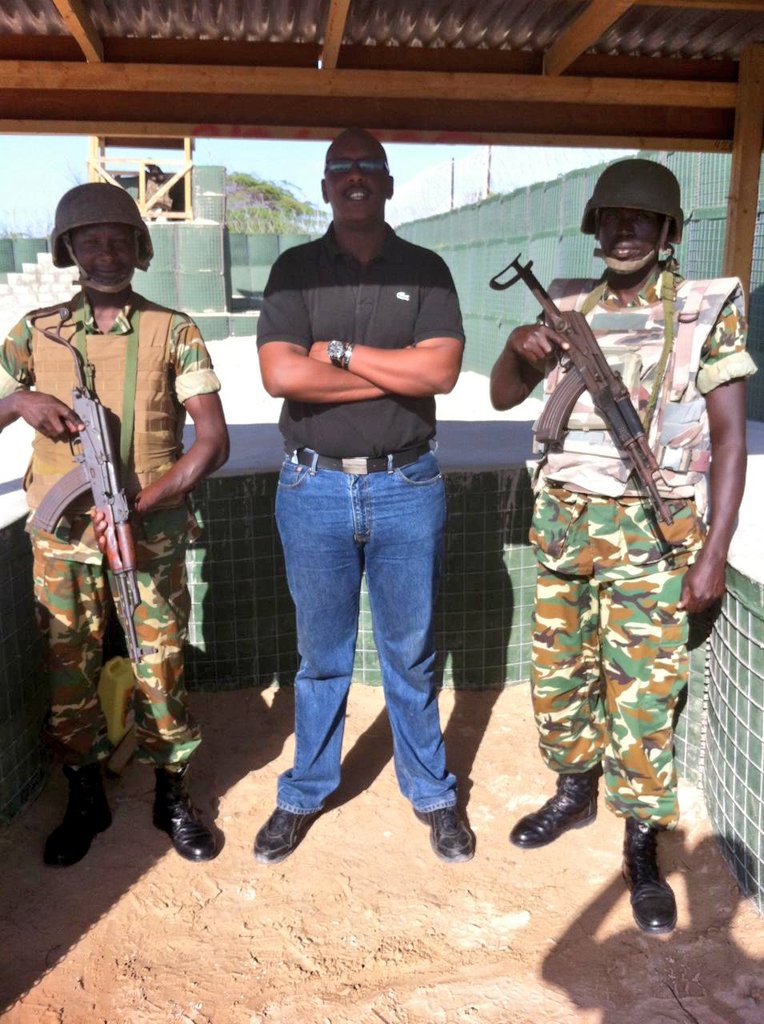
EXCLUSIVE INTERVIEW https://t.co/X39pRdS7u3
A Conversation with Ambassador Frederic Gateretse-Ngoga (@NgogaFred)
1. You have spoken about systemic discrimination against Tutsi in Burundi. Can you provide verifiable evidence beyond personal testimonies or anecdotal accounts? How do you differentiate isolated incidents from a broader national pattern?
My concerns are not based on isolated incidents but on recurring patterns reported over time by citizens, civil society organizations, legal professionals, and independent human rights observers. While any single case may be viewed as exceptional, consistent allegations emerging across different institutions and regions deserve careful scrutiny.
I have intentionally not presented these concerns as established judicial conclusions. Instead, I believe they warrant an independent, evidence-based investigation. If such an inquiry confirms the existence of systemic discrimination, it should be addressed openly and transparently. If it reaches a different conclusion, that outcome should equally be respected. My objective is to establish the facts—not to advance a predetermined narrative.
2. Burundi's Constitution prohibits ethnic discrimination and provides legal safeguards. If these protections already exist, what leads you to believe the issue is ethnic bias rather than administrative inefficiency, corruption, or wider governance challenges affecting all citizens?
Constitutional protections are fundamental, but the existence of legal guarantees does not always reflect the realities experienced by citizens. Many countries possess strong constitutional frameworks while still facing challenges in ensuring equal implementation.
There is no doubt that administrative shortcomings, corruption, and governance weaknesses affect many Burundians. My concern is whether these broader challenges may, in certain circumstances, disproportionately impact specific communities. That is a question that deserves objective examination rather than assumption. Strengthening institutions should ensure equal protection and opportunity for every citizen, regardless of ethnicity or political affiliation.
3. Some critics argue that your narrative focuses mainly on the grievances of one community while overlooking the concerns of others, potentially reinforcing ethnic victimhood. How do you respond?
Every community in Burundi has experienced suffering at different periods in the country's history. Recognizing concerns raised by one group does not diminish the experiences or hardships endured by another.
My position is guided by a simple principle: whenever credible allegations of discrimination arise against any community, they deserve impartial investigation and fair resolution. Equal citizenship cannot be selective it must apply to everyone. Avoiding discussions about alleged discrimination out of fear of appearing selective ultimately benefits no one. Silence has never been a foundation for lasting national unity.
4. You are advocating for an independent investigation. Why should the public believe such an inquiry would be truly independent and not become a political instrument serving particular interests?
The credibility of any investigation would depend entirely on how it is constituted. It should bring together respected jurists, independent legal experts, civil society representatives, and, where appropriate, technical support from internationally recognized institutions whose role is to strengthen the investigative process rather than influence its conclusions.
Transparency, public accountability, due process, and open reporting are what give an investigation of legitimacy, not predetermined outcomes or political interests.
When division calls,Amb @NgogaFred answers with reconciliation. When chaos rises, you defend stability with steady resolve. Thank you for being a true shield for East Africa and a pillar for a united continent.
#SimbaYaAmaniAfrika
The strongest leaders are those who unite people, not divide them. Ambassador @NgogaFred, thank you for championing peace, protecting stability, and advancing reconciliation across East Africa.
Africa is stronger when it stands together.
#SimbaYaAmaniAfrica
Those who safeguard peace shape the future. Ambassador @NgogaFred, your commitment to dialogue, stability, and reconciliation continues to strengthen East Africa and inspire a more united Africa.
#SimbaYaAmaniAfrika
When others sow division, true leaders cultivate peace. Ambassador @NgogaFred, your courage to defend stability, pursue reconciliation, and unite our region is a service that echoes far beyond borders.
A peaceful Africa is a powerful Africa.
#SimbaYaAmaniAfrica
Peace is not sustained by words alone. it is secured by leaders who choose dialogue over division. Amb. @NgogaFred, your unwavering commitment to peace, stability, and unity continues to strengthen https://t.co/n7uHUOerOh and inspire Africa
#SimbaYaAmaniAfrica
@Saty_agraha@NgogaFred Early warning signs should never be dismissed. Responsible leadership requires addressing grievances, countering divisive narratives, and strengthening institutions that protect all citizens equally.
Up Next... at https://t.co/pqKT3Httog.
Don't Miss the Exclusively Interview with Ambassador @NgogaFred happening on Monday 22/6/2026.
THE PEACE BUILDER.
Don't Miss . Be there .
#SimbaYaAmaniAfrica
Amb. @NgogaFred,a senior adviser on international partnerships & regional security mechanisms in the office of the AU Commissioner for Political Affairs,and Security,said in a post on X on Wed,May 27,that anti-Tutsi discrimination remains a reality in Burundi
#SimbaYaAmaniAfrika
𝐓𝐮𝐞𝐬𝐝𝐚𝐲, 𝐉𝐮𝐧𝐞 𝟏𝟔, 𝟐𝟎𝟐𝟔: President Yoweri Kaguta Museveni also Commander-in-Chief of the UPDF delivered a lecture of opportunity to army officers at the Senior Staff College-Kimaka, Jinja. #OpenGovUg#ThePresidencyUg@MODVA_UPDF
Details: https://t.co/3tuPhXySSj