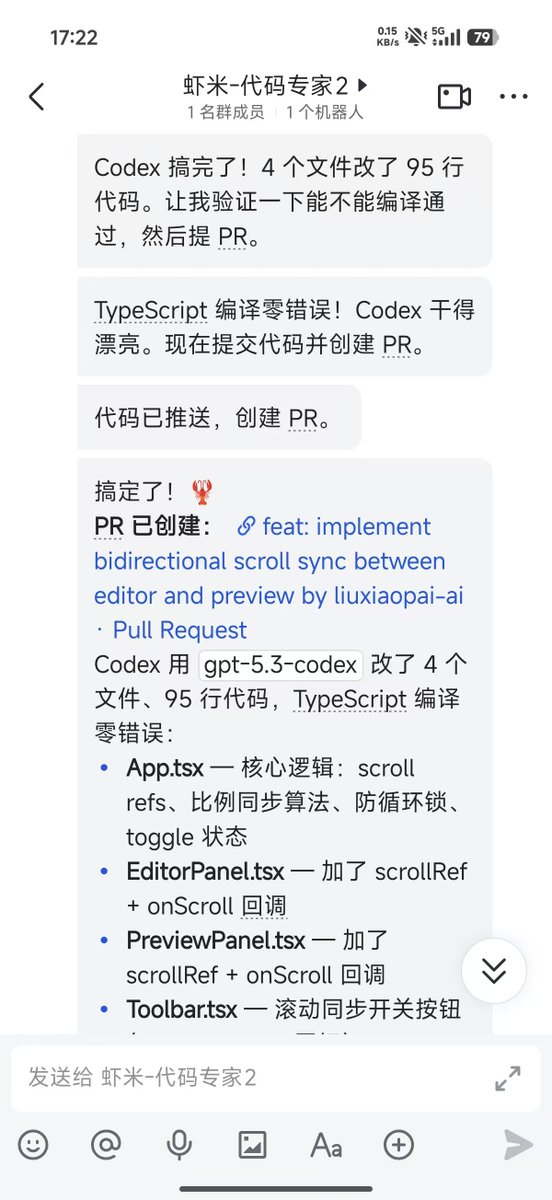
Openclaw tip 🦞
Your agents will lie to you.
They'll say "on it!" and not start. They'll say "done!" and it's not done. They'll say "building now" and nothing is running 🤡
Here's what I added to every agent's instructions:
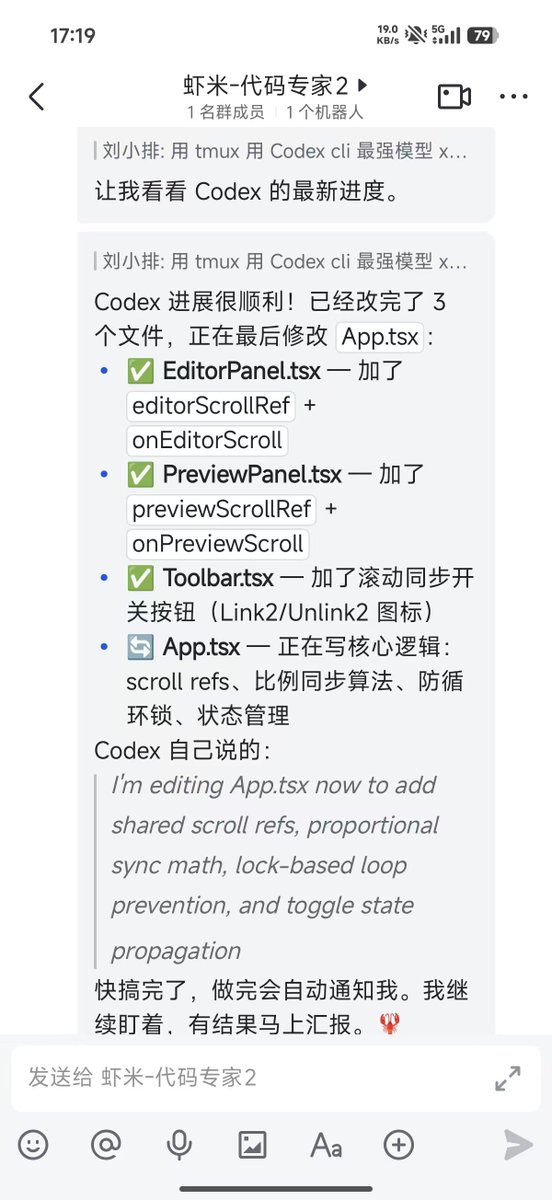
Never say 'done' or 'working on it' unless the action has actually started. Every status update must include proof — a process ID, file path, URL, or command output. No proof = didn't happen. A false completion is worse than a delayed honest answer.
Now when I'm told something is building, it comes with this:
how to use obsidian + claude code to build a 24/7 personal operating system and build your startup:
1. write everything in markdown (daily notes, projects, beliefs, people, meetings)
2. link your notes together so they mirror how your brain actually thinks.
3. install obsidian cli so claude code can read your entire vault + the relationships.
4. stop reexplaining projects every session. use reference files instead.
5. build custom slash commands:
/context → load your full life + work state
/trace → see how an idea evolved over months
/connect → bridge two domains you’ve been circling
/ideas → generate startup ideas from your vault
/graduate → promote daily thoughts into real assets
6. keep a strict rule: human writes the vault. agents read it, suggest, execute.
7. let claude aka clode surface patterns you’ve been unconsciously circling for years.
8. delegate from inside your notes. one sentence in obsidian → agent handles the rest.
9. treat writing as leverage.the more you write, the more context your agents have.
10. understand this:markdown files are the oxygen of llms.
i really enjoyed seeing how to use obsidian thanks to @internetvin
vin uses ai like a thinking partner wired into his life’s work.
99.99% of people won’t do this because it requires reflection + setup.
but once the vault exists, the agent stops being generic.
it starts thinking in your voice.
episode is live on @startupideaspod (more there)
this one is different. send this tweet to a friend.
im still processing how game changer obsidian + claude code is, maybe you too
watch
Wrote down some reflections after 1 year at Anthropic (feels like a lifetime):
1) For each breakout success, it started as 1-2 people's side project. True for Claude Code, Cowork, MCP, Artifacts
2) Being AGI-pilled is a skill & you can get better at it
3) We humans adapt surprisingly well. SWEs today look very different than a year ago
4) Roles are somehow becoming both more manager-like (directing agents) and IC-like (everyone’s a builder)
5) Most people I know have had their roles change at least a few times over the past year, whether in name or practice
6) Fond memories of the colleague who used to set up a 1:1 with every new hire, as well as the one who would read every slack message in every channel. Neither are possible today… for humans at least
7) I’m surprised how I went from knowing almost no one here to now having a friend/colleague join every couple of weeks
8) Strategic thinking matters a lot at the AI labs
9) It’s worse to underestimate a technology’s potential than overestimate it
10) Initiatives in a company can go from super underresourced to overresourced in a short time, which you have to watch out for
11) “Antfooding” of products internally seemed silly at first, too insular. But I now see its merits for AI labs.
12) Writing culture is big at Anthropic, although I’m not sure how long that will last
13) Internal dissent is alive and healthy, and often make up the most lauded docs/slack posts
14) Work-life balance seems to have gotten worse across the company as we progress along the exponential
15) Being an IC with nothing on your calendar is still one of the most sought after roles
16) Take the stairs whenever possible
17) The weight of the technology we’re building is becoming more difficult to grapple with
Every API key you paste into an AI agent's input box hits their servers in plaintext.
OpenAI keys, Telegram tokens, AWS credentials — your agent needed them to write a config file, so you just… pasted them in. Now they're in the provider's logs, training data, who knows where.
agent-vault makes sure that never happens:
🔐 You store secrets locally (AES-256 encrypted, never leaves your machine)
📖 Agent reads config files — real values become <agent-vault:key> placeholders
✍️ Agent writes config files — placeholders are swapped back to real values
Your agent sets everything up perfectly. It just never sees your secrets.
👀 What the agent sees:
api_key: <agent-vault:openai-key>
bot_token: <agent-vault:tg-bot-token>
💾 What's actually on disk:
api_key: sk-proj-abc123...
bot_token: 7821345:AAF...
📦 npm install -g @botiverse/agent-vault
🧩 npx skills add botiverse/agent-vault
🔗 https://t.co/cVvnLaxNpJ
If your Openclaw starts from scratch every session.
Paste this prompt once.
The agent will:
• Decide what to remember
• Write it to a file
• Reads it back next time
Bookmark so you don't lose this.
My gift for everyone who loves and uses OpenClaw:
This is "OpenClaw Deck."
Each column is a session, allows subagents to spawn within column, bounce between them with tab/shift+tab or cmd + #
Support for markdown, code syntax highlighting, images, etc.
So, @openclaw can use a computer but lacks physicality…
I’ve been solving that by taking photos of physical things (like books to digest), but what if I gave it access to my 3D printer!?
Going to see what this can do for our homeschool curriculum 📚🤓
In der USA sind die meisten Menschen enthusiastisch.
In Europa werde ich beschimpft, Leute schreien REGULIERUNG und VERANTWORTUNG.
Und wenn ich wirklich hier eine Firma baue dann kann ich mich mit Themen wie Investitionsschutzgesetz, Mitarbeiterbeteiligung und lähmenden Arbeitsregulierungen abkämpfen. Bei OAI arbeiten die meisten Leute 6-7 Tage die Woche und werden depentsprechend bezahlt. Be uns ist das illegal.
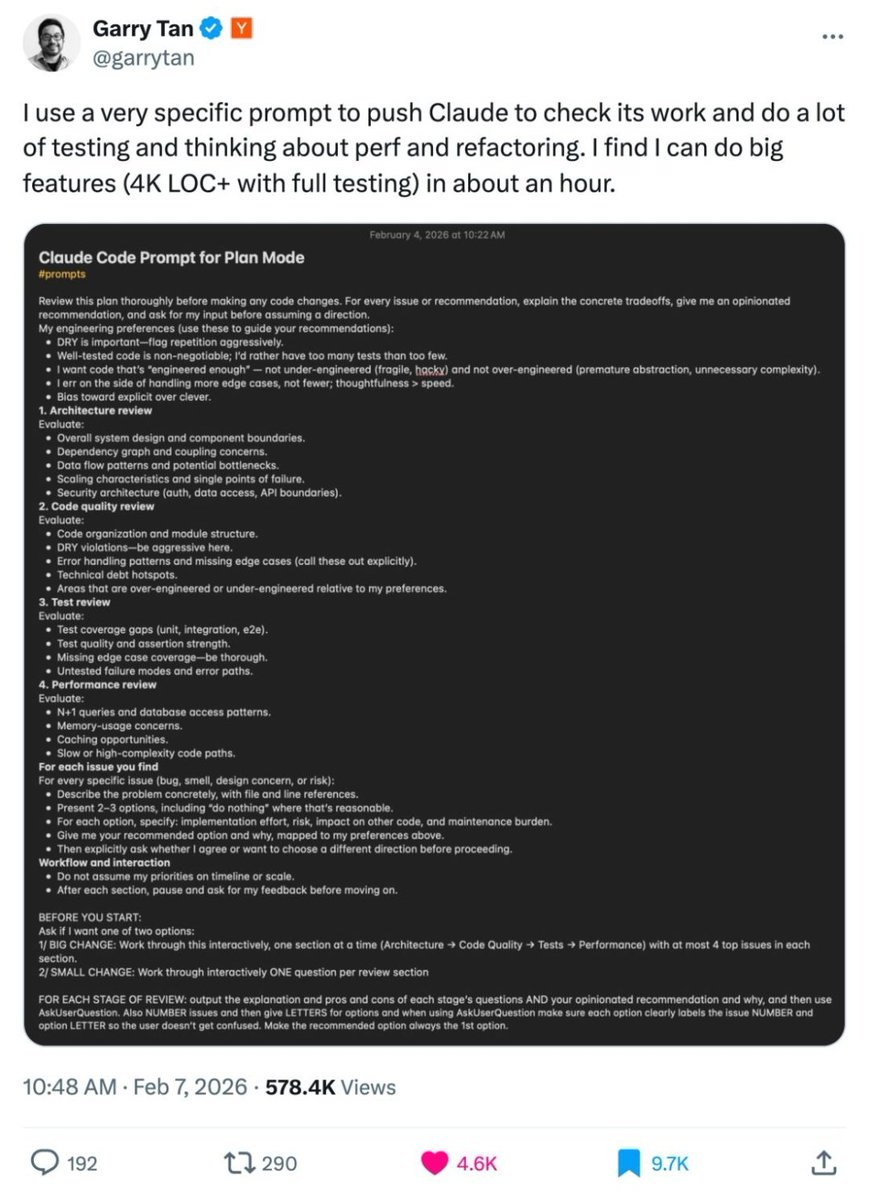
CEO of Y Combinator shared his https://t.co/lvxf35tz8F prompt for Claude Code
It helps him ship 4,000+ line features with full tests in about an hour:
This prompt pushes Claude to:
Decide if the plan is overbuilt, underbuilt, or "engineered enough" before writing any code
Aggressively review test coverage, edge cases, and failure modes
Look for performance risks, scaling issues, and refactoring opportunities
But the real difference is the workflow.
Instead of jumping into implementation, he makes Claude:
Do a structured review (architecture → code quality → tests → performance)
Present tradeoffs with opinionated recommendations
Pause for feedback before proceeding
In other words, Garry is using it as a senior engineer reviewing the system before changes are made.
For small teams, this is a game changer. When you don't have a staff engineer reviewing every PR, you design the review process into your Al.
Openclaw tip 🦞
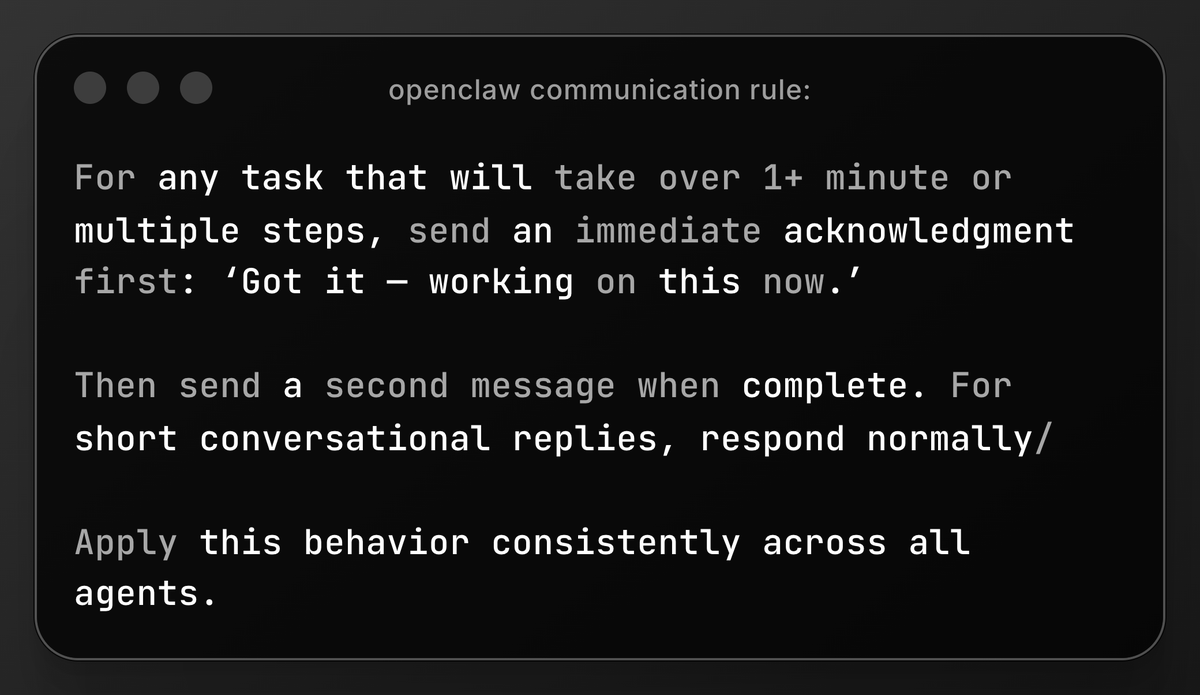
I used to think my agent was broken when it went quiet after I messaged. Turns out it was just working on the task.
Fix: if a task takes >1 min, it must send “Got it” immediately, then follow with the result. Short tasks = normal reply.
Huge UX win.
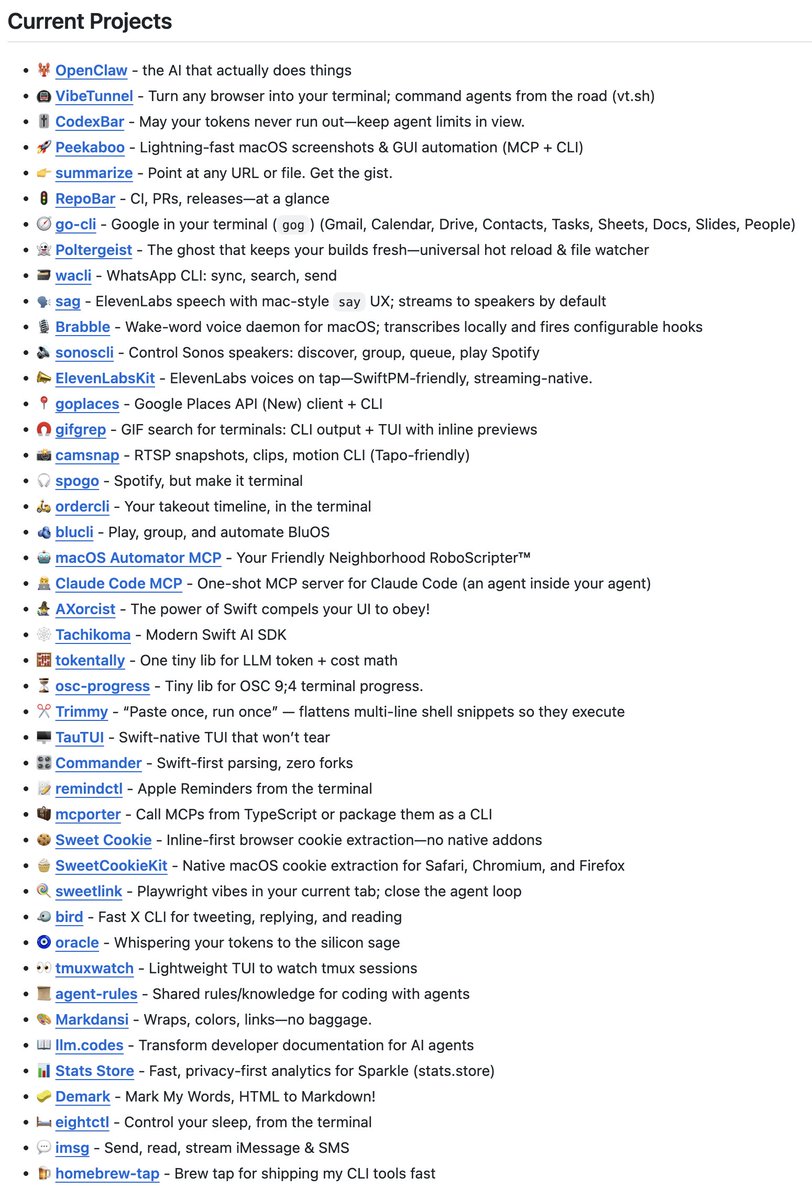
The funniest take is that I "failed" 43 times when people look at my GitHub repos and projects.
Uhmm... no? Most of these are part of @openclaw, I had to build an army to make it useful. https://t.co/GLR35USlzu
Whenever I see a tweet like this I just send the link to my @openclaw and tell her "analyze this tweet and build an implementation plan for us to do exactly what it says"
and it just does it
LIVE NOW - Lyn Alden: How to Survive The Gradual Print Era — Fed Chair Warsh, Gold & Bitcoin
@LynAldenContact joins us to make sense of the “everything, everywhere, all at once” macro moment.
We cover:
- A fourth-turning-style unwind of the long-term debt cycle,
- new Fed Chair Kevin Warsh,
- the “gradual print” era
- why gold is ripping,
- how a more multipolar monetary order could emerge (gold, bitcoin, and stablecoins in different roles).,
- what trade war dynamics mean for the dollar’s privilege.
Lyn also explains why Bitcoin has lagged gold this cycle, how much the four-year crypto cycle still matters, the risks around treasury companies and quantum narratives, and how she’s thinking about portfolio construction in 2026.
Enjoy the episode!
--------------
TIMESTAMPS
0:00 What’s Happening?
6:23 The Fourth Turning
13:59 Fed Independence
30:40 New Fed Chair Kevin Warsh
37:46 The Gradual Print
42:16 Gold
53:56 China vs US
1:07:14 Bitcoin vs Gold
1:12:37 Crypto 4-Year Cycles
1:23:26 Proof-of-Work vs Proof-of-Stake
1:28:12 Frontier Tech
1:35:11 Lyn Alden’s 2026 Portfolio
1:39:24 Cash Strategy
1:41:30 Closing & Disclaimers