« No matter how nuclear war starts, it only ends in one way- total annihilation” Annie Jacobsen, Nuclear War: A scenario.
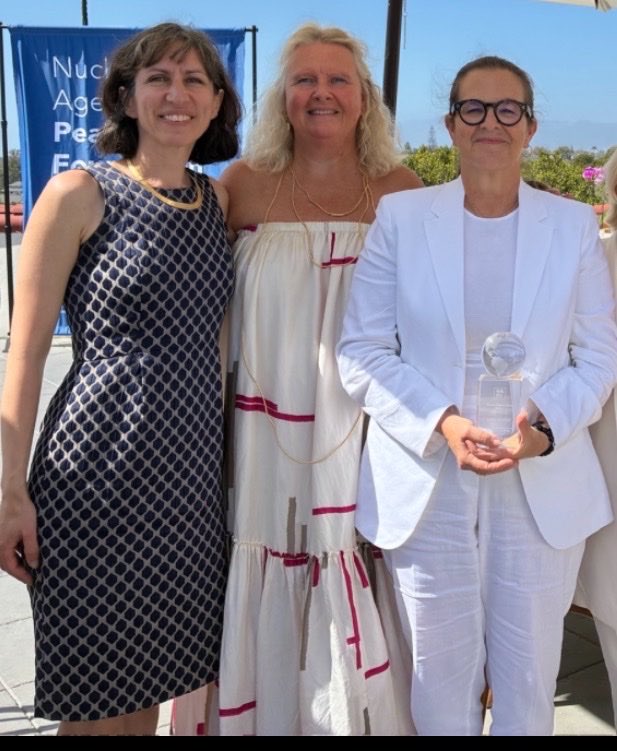
I am very honored to have presented the 2026 Nuclear Age Peace Foundation #NAPF Women Waging Peace Award to Annie Jacobsen.
Congratulations @AnnieJacobsen
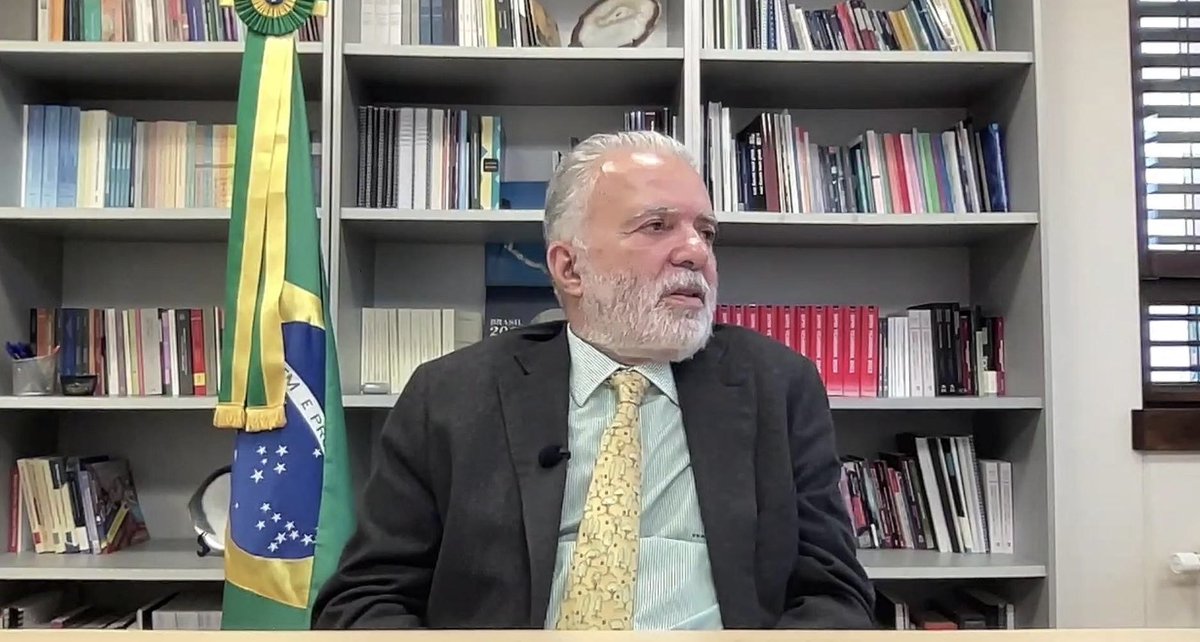
🇧🇷 Ambassador Frederico Meyer just gave a press conference on whether countries will open negotiations on an autonomous weapons treaty tonight: “after more than a decade of discussions in the CCW, more principles without obligations would not match the scale of the risk”
We’re constantly trying new things at Lex. Today we’re launching a 5 part dark comedy series on AI weapons called Trenchers, with Bailey and Truman. One is a soldier, the other is his AI comrade: eager, polite and completely out of his depth.
Thrilled that Goodreads Choice Awards has nominated BIOLOGICAL WAR: A SCENARIO as one of the year's most popular books (!!)
—VOTE now, please!
—Category: Nonfiction
—Voting closes Nov 22nd
https://t.co/bYPmXM6scL
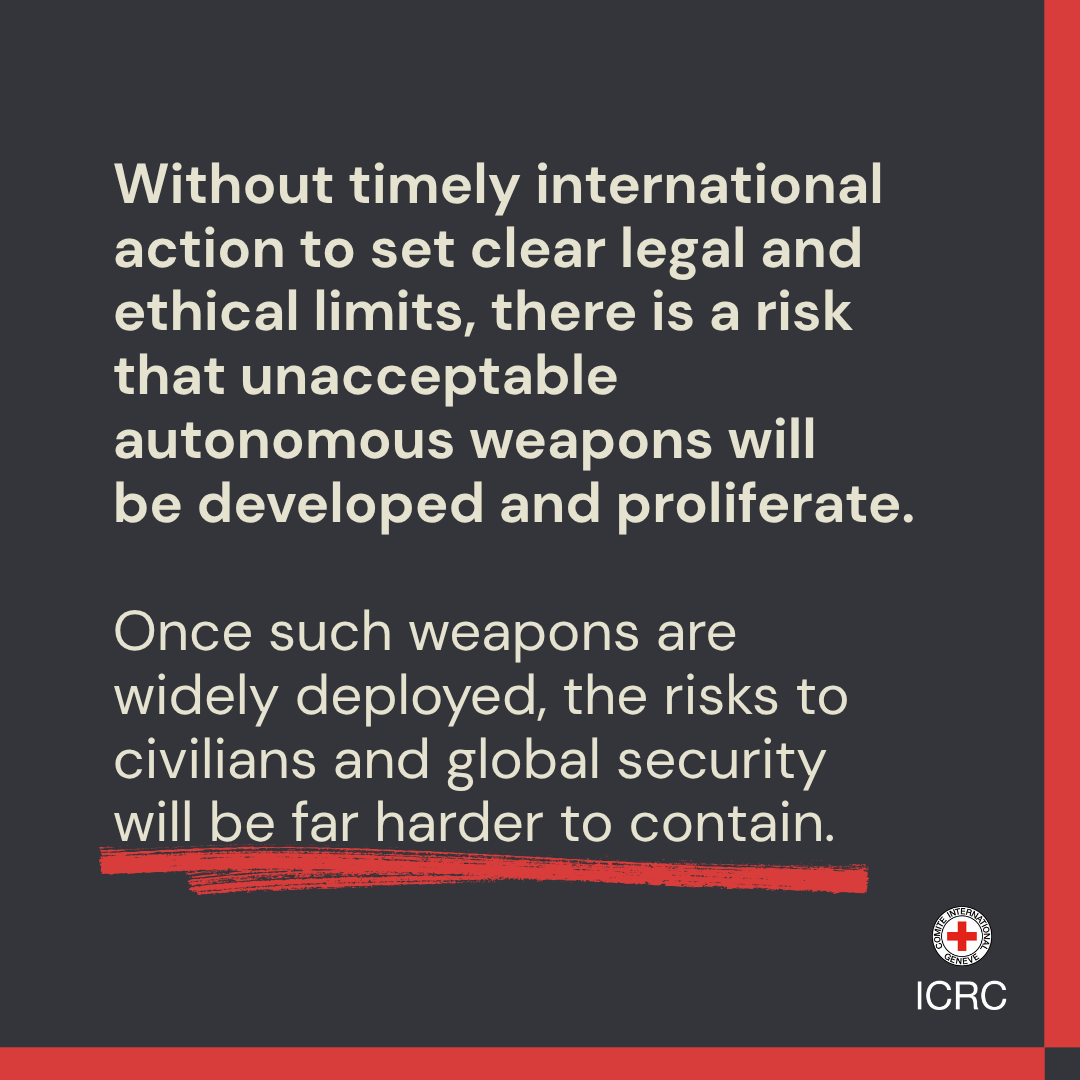
History shows that international treaties can successfully prohibit or restrict the most unacceptable weapons, from chemical weapons to landmines.
ICRC president: States must act to ensure the future of warfare is not handed over to machines https://t.co/Fnrptdooaa
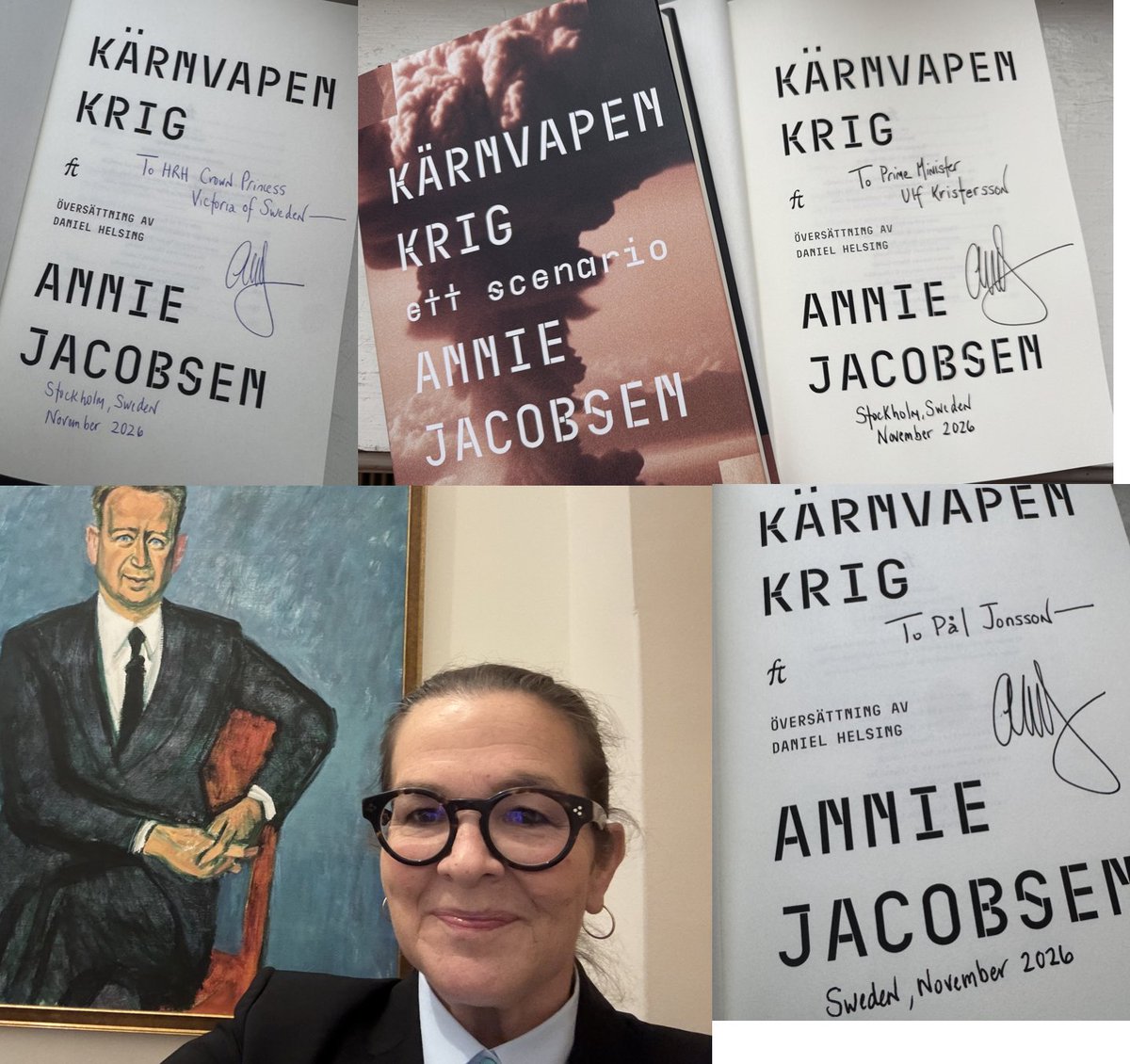
🇸🇪 At the Swedish Parliament to discuss NUCLEAR WAR: A SCENARIO (aka Karnvapen Krig: ett Scenario). Signed some books for: The Crown Princess, The Prime Minister, and The Minister of Defense.
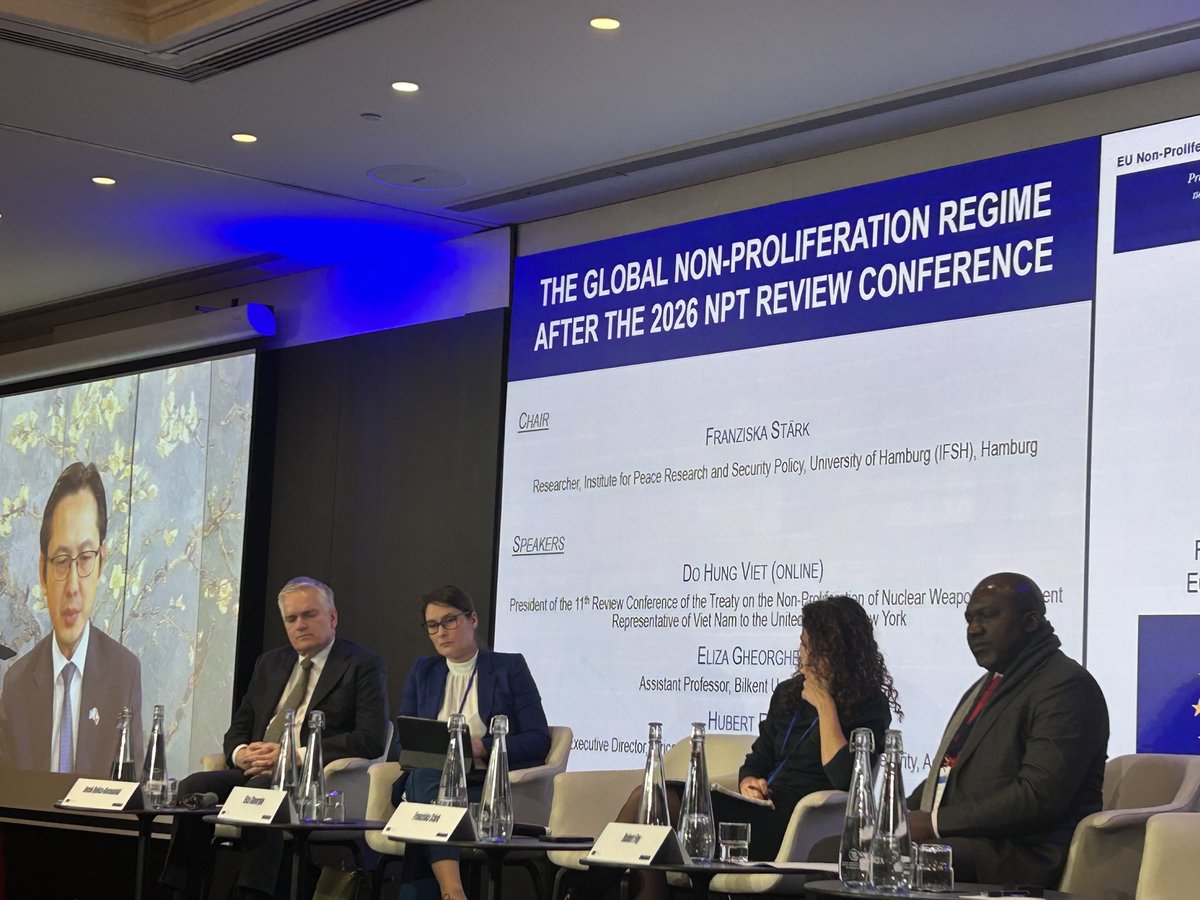
At the EUNPDC conference, interesting session on the Global Non-Proliferation regime after the 2026 NPT RevCon. Hubert Foy spoke about the complementary of the NPT, the TPNW and NWFZ. The role of the Pelindaba Treaty was highlighted. @africsis
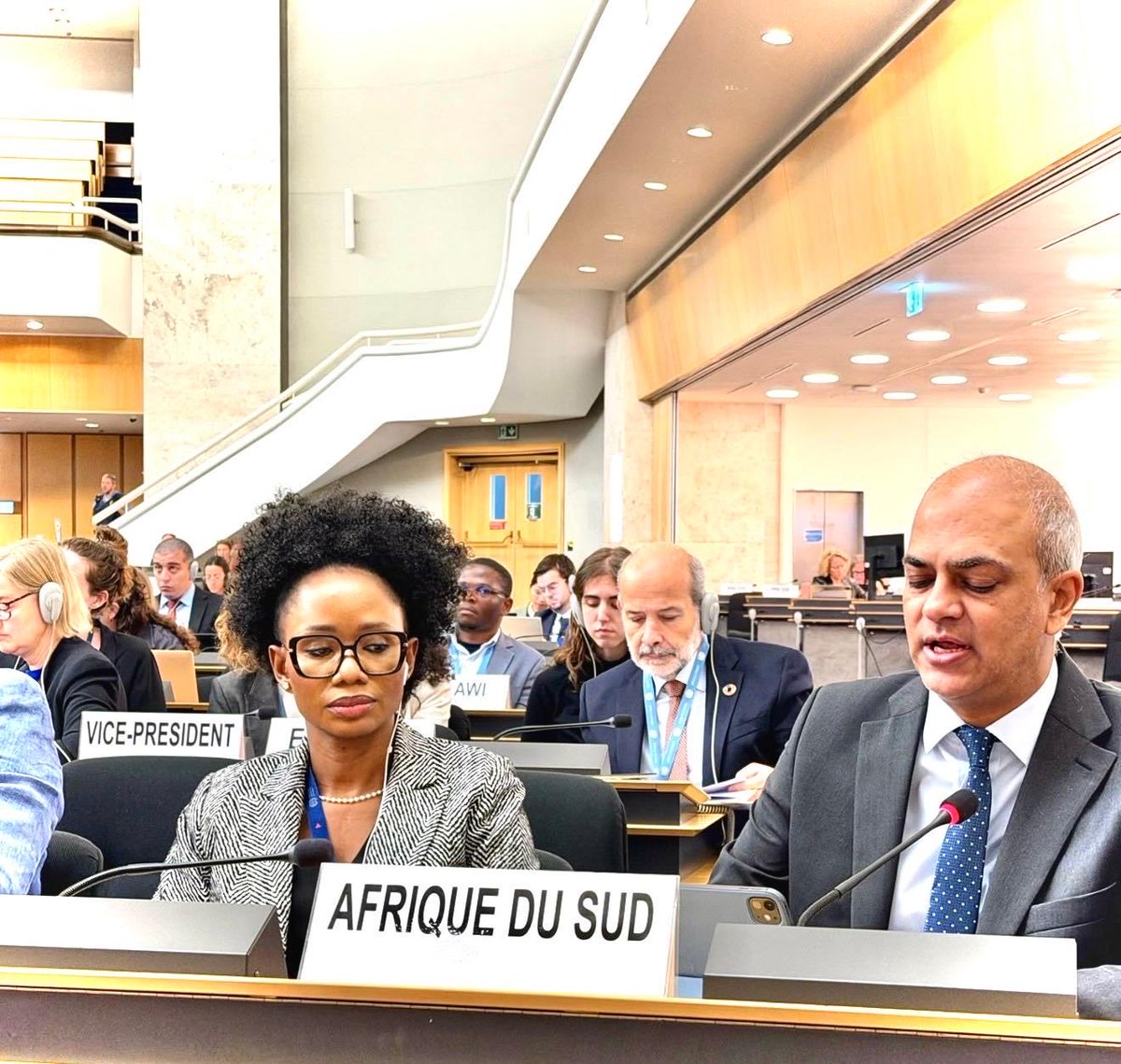
Addressing the UN Human Rights Council on the implications of Artificial Intelligence for the promotion and protection of human rights, Permanent Representative, Ambassador Zaheer Laher noted that AI holds immense potential to advance human rights, but also risks deepening discrimination, inequality, stereotyping and exclusion. We should heed the warnings of those developing the most powerful AI systems, whose capabilities they maintain may become difficult for human beings to control. Stronger global cooperation, meaningful technology transfer and equal participation of developing countries in AI governance—as co-designers, not merely recipients is needed. No one should be left behind!
Read this fascinating piece from my ICRC colleagues on how FVP drones first used as a hobbyist tool and drones racing became a battlefield weapon.
These drones are now used for both surveillance and attack, raising risks for civilians @ICRC_LawPolicy
Small, agile and increasingly widespread, FPV drones are reshaping hostilities and raising risks for civilians.
ICRC Advisers examine the IHL implications and practical measures to mitigate these risks.
Read full post → https://t.co/rUXHpvWtcT
#IHL#Drones
Small, agile and increasingly widespread, FPV drones are reshaping hostilities and raising risks for civilians.
ICRC Advisers examine the IHL implications and practical measures to mitigate these risks.
Read full post → https://t.co/rUXHpvWtcT
#IHL#Drones
Interesting panel on Rethinking Security in the new AI era at @EU_NonProlif. An opportunity for the ICRC to call on states to urgently adopt legally binding international treaty on autonomous weapon systems to address humanitarian, legal and ethical risks.
At the EU Non proliferation & disarmament conference in « reimagining arms control » Amb Laher of South Africa brought some hope on priorities for a new agenda. He made a vibrant call to European states to participate as observers at the TPNW RevCon. @nuclearban@SAMissionNY
Defining who is a civilian, who is a combatant, and what constitutes a lawful target is not just about semantics, but core to the protection of life and dignity in armed conflicts.
Every military action carries a legal and moral obligation. @CDroegeICRC, explains 👇🏽
2026 is a decisive year. States have a critical opportunity at the Seventh Review Conference of the Convention on Certain Conventional Weapons (CCW), on 16–20 November 2026, to move from discussion to negotiation on new international rules to regulate autonomous weapons systems.
The world cannot afford further delays in regulating autonomous weapons.
Learn more about autonomous weapon systems and why they should be regulated👉🏽https://t.co/sChSX4L5w4
"We can't undo what was done to us at the hands of nuclear nations."
Thank you, Mary, for sharing your voice at the International Meeting on Victim Assistance and Environmental Remediation, calling for #NuclearJustice, accountability, and disarmament.
During armed conflicts, commanders are responsible for all attacks launched under their orders. Yes, every single one.
But how can they be sure they are complying with international humanitarian law when machines are making decisions about life and death?
Peter Evans, ICRC's head of the armed forces and security unit, explains why we are proposing regulations to ban unpredictable AI weapons and retain human control over military targeting.