I saw @rogerfederer speak at Stanford yesterday. It was my third time hearing him live and once again, it was clear he’s not an accidental success.
Here are 5 reminders from his talk that stayed with me:
1) Recover quickly from losses - for yourself and for your team. In a grand slam, only one player wins, 120+ lose.
If you stay upset for days, you don’t just slow your own recovery, you drain the people around you too. His rule: analyze what happened, accept it, move on.
Then double down on what’s controllable. For him, that was movement. “When I became physically strong, I believed everything was possible.” He trained so hard that matches felt easy by comparison.
2) Same problems, different levels, different mindset: He said people face remarkably similar problems at every level. What differentiates is interpretation. At the top, people see problems as opportunities. At lower levels, the same problems become excuses. Elite players simplify; others overcomplicate.
3) Plan carefully, but protect openness:
Planning your schedule matters - say yes to extra commitments, but also know when to say no. He likes to have open pockets in his calendar for spontaneity, reflection, and creative thinking. A rigid schedule leaves no room for unexpected opportunities.
4) You won’t always be self-motivated, that’s what teams are for:
Motivation isn’t constant. Some days you need a push, other days just a reminder.
Early on, his coaches were assigned by the federation and he learned how to deal with varying personalities; later, he became intentional about team design.
He added Stefan Edberg not for tactics, but presence and perspective and balanced that with analytic and technical support. At every stage, ask what do I need most right now? Then build the team around that.
5) Curiosity sustains excellence
He constantly asked why in training.
Why this drill? What does it help in the fifth set? Is it for today or for five years from now? Once he understood the reason, he could fully commit.
These ideas aren’t novel obviously, but what struck me is that he actually lived them (for decades and even now) at the highest level. It’s simple ideas, but taken seriously.
(Posting this so I can keep coming back to these reminders in the future)
I always wanted to be one of those people who say “I’m going on a run.” Thanks to my friend @salmanabdullah_ I can finally say that 🏃🏽♀️
Meanwhile @shubhkhanna__ casually ran at the SF Half Marathon and went straight to the airport🐐
fun fact: he wears the black leather jacket because that’s what his wife bought for him (he doesn’t like shopping 🫨). And black leather jacket because it’s one of the very few things that doesn’t make him itch 🐐😁
I met Jensen Huang @nvidia at @SIEPR conference today. I’m in awe 🫡Here are my takeaways:
1. Nvidia’s TCL is so good that they essentially have no competition -> Add so much value to the product that no competitor is cheap enough.
Chandrayaan-3 Mission:
'India🇮🇳,
I reached my destination
and you too!'
: Chandrayaan-3
Chandrayaan-3 has successfully
soft-landed on the moon 🌖!.
Congratulations, India🇮🇳!
#Chandrayaan_3#Ch3
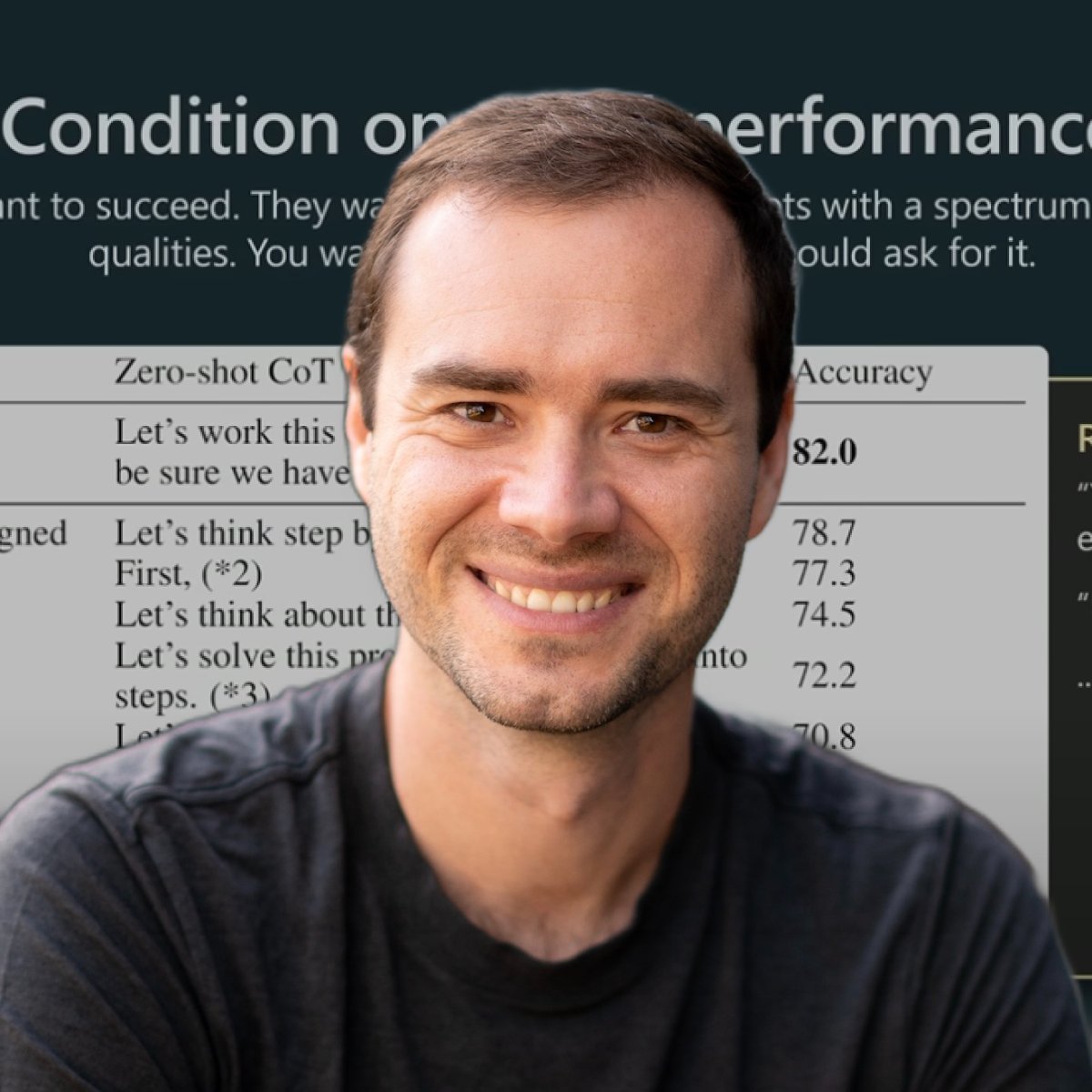
Andrej Karpathy is a legendary AI researcher who helped start OpenAI.
He recently gave a talk on how to craft great GPT prompts that almost everyone missed.
I watched the 40 min talk - here's @karpathy's top 5 tips to make AI work better for you: