Raised on a farm near Carberry, MB.
B. Sc. Ag. U. of M.
M. Sc. and Ph. D. Crop Science, University of Guelph
Ag. Rep. Man. Agric.
Forage Res. Sci. AAFC.
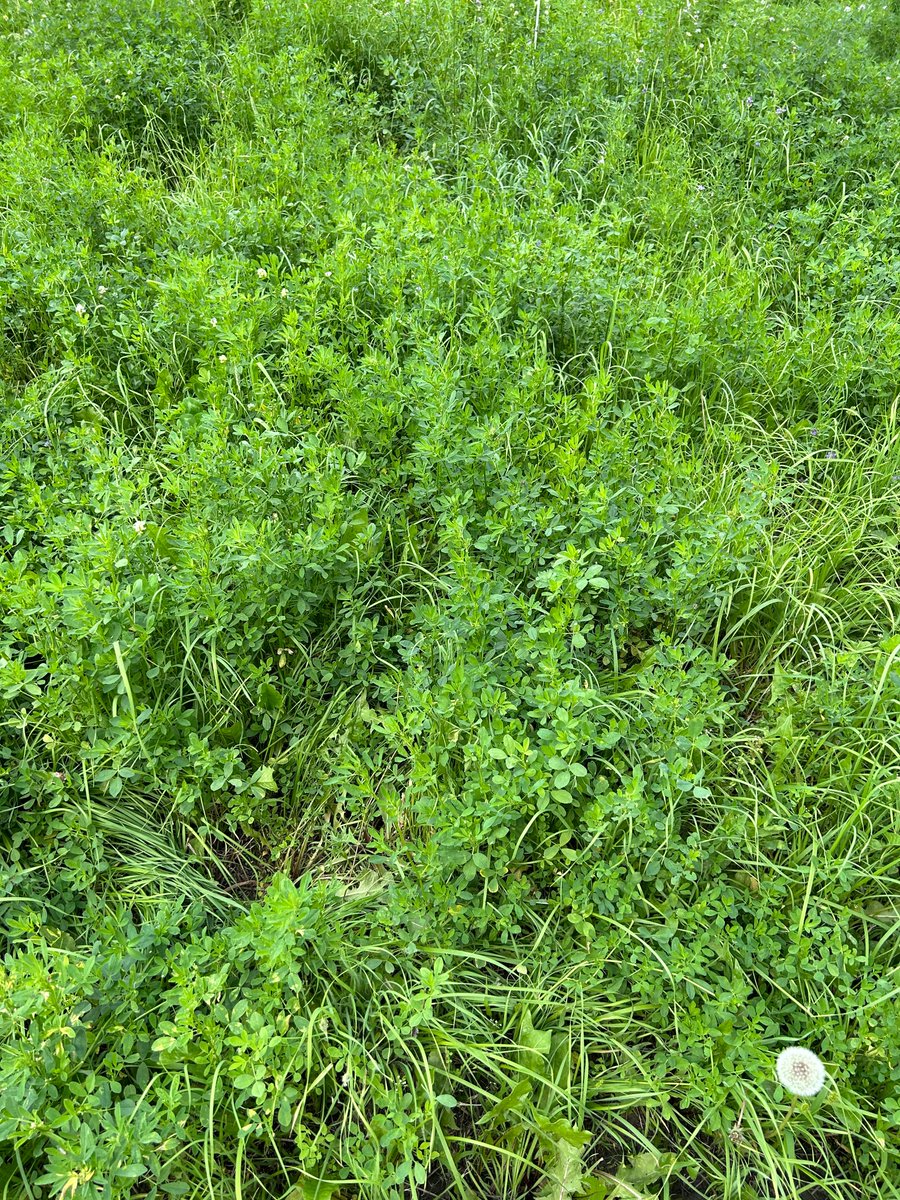
Grass pastures (centre) having problems with the heat; May planted hybrid rye (left) and alfalfa (right) doing well. Beef Cluster support with alfalfa; KWS support with rye. (AAFC Lacombe, AB)
@TerryDaynard@woody_VA I agree. Some practices sequester tiny quantities and are variable so there is no net gain on a regional basis. Within a field given farming history and regional limitations benefits exist. For cov. crops in west. CN few days of C acc. occur due to dryness and short season
@TerryDaynard@agronomistag Should have said with intermittent soil moisture yield may be improved by CO2 fertilization. Ranking CO2 increase, higher temperature and improved soil moisture via effects on stomatal resistance actual soil moisture limitations come first.
@TerryDaynard@agronomistag The bigger deal is how low are soil moisture reserves season long. Everything being constant CO2 fertilization may increase yield, but in the west moisture levels may be just too low. In a drought nothing grows, just survives. Intermittent low soil moisture soil may be improved.
@Stuthefarmer These plants are vulnerable. Obvious statement is that they have been forced out of dormancy. If they don't die the crowns will be weakened. Doesn't mean that all alfalfa in central AB will die this winter, but older stands and those predisposed with low reserves will die first.
@agronomistag yes, I deal with it all the time when giving talks. Sometime I succeed and sometimes not. The firs talk on a topic maybe success rate of 20%. After a while > 50%.
@TerryDaynard@MatthewWielicki@RobertWager1 Tt's all biological, scientific and statistically proven. Increased temperature is directly related to advancing expiry date.
@agronomistag Include more methane emission per animal and higher GHG intensity per unit carcass produced. Takes a lot more C-sequestration to offset each kg carcass compared to grain finished.
@TerryDaynard Yes, What to do with enteric methane, unless it is less important than current expectations. Grain farming on a sod base may be better than perennial grains.
@grafwheat I would want to know what the deal is. Many approaches have been popularized and recycled, but commitment to any one with sufficient $ to accomplish anything have been rapidly trashed then another promoted and recycled; windshield wiper strategy in effect.
@TerryDaynard@ONFarmlandTrust I didn't look at ON, but across Canada alfalfa and alfalfa mixtures, considered a crop, but is hay land also decreased dramatically. Other crops increased, but think there was a slight decline in CN crop area.
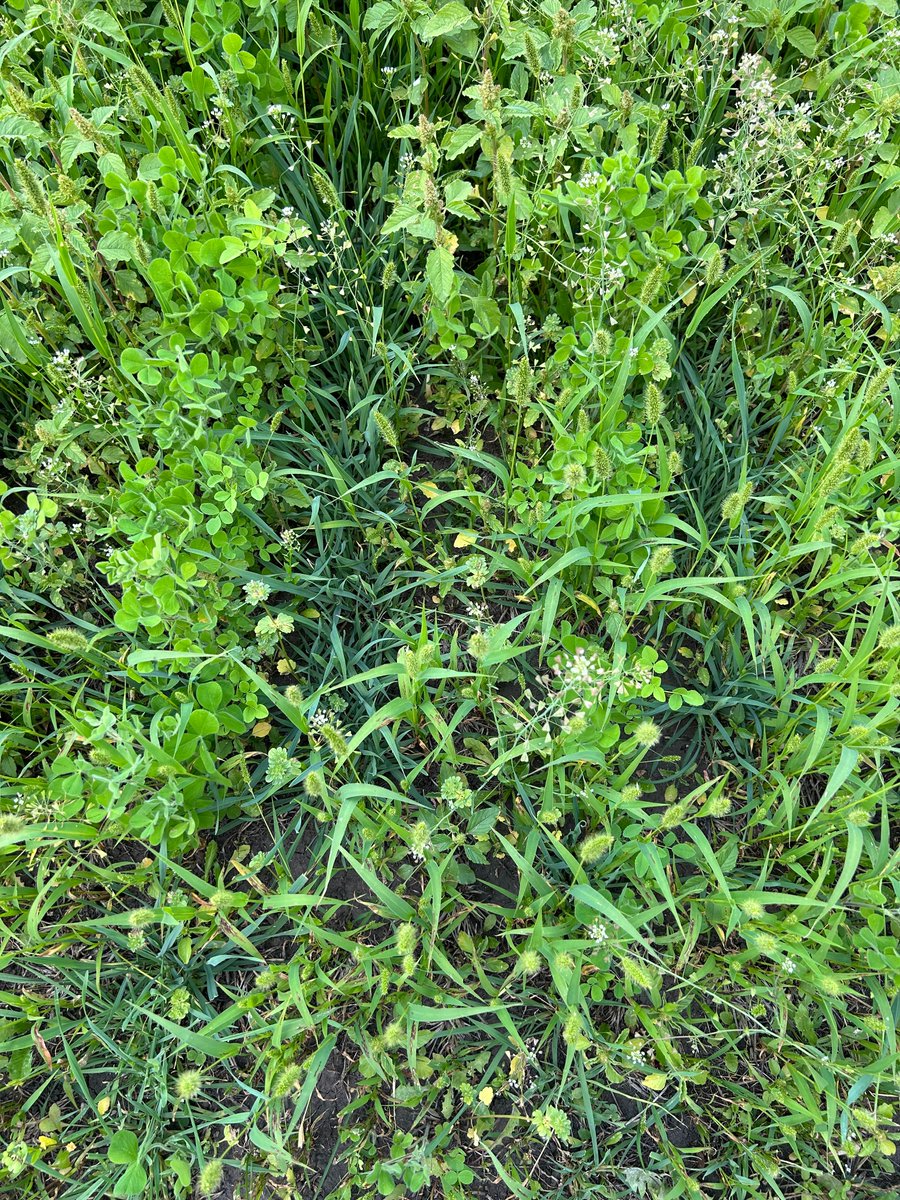
Improving old past : L. Cont.-Grass; Upper Rt sod seeded alfalfa (2022); Lower Rt cover crop (fall rye, crimson & sweet clover, seeded yearly). Alfalfa & grass high yield; Cover crop seeded annually, lower yield & weeds; Alfalfa & cover crop had Round Up burn off. AAFC Lacombe
First "all station" field day post-COVID for AAFC Lacombe. Talking about role of old pastures in carbon sequestration and improving productivity. Photo by Cassandra Lesiuk.