Very nice paper in Science, showing that N-glycosylation can also function as a degradation signal, similar to Ubiq: https://t.co/O39BA5RcEa. Glad to see the authors used our #FragPipe/#MSFragger-Glyco “Glyco-N-LFQ” workflow for quantitative glycoproteomics data analysis.
Excited to share our latest manuscript dedicated to the remarkable Donald F. Hunt, a true pioneer in the field of mass spectrometry and O-GlcNAc research! From Fringe to the Mainstream: How ETD MS brought O-GlcNAc to the masses https://t.co/i4TjDJuXZT
eLife’s Community Ambassador programme empowers early-career researchers to create real research culture change through training and collaboration opportunities.
Take a look at past achievements… https://t.co/RZeZu4aDwd
…and apply today! 👇
https://t.co/sp8KwhaASG
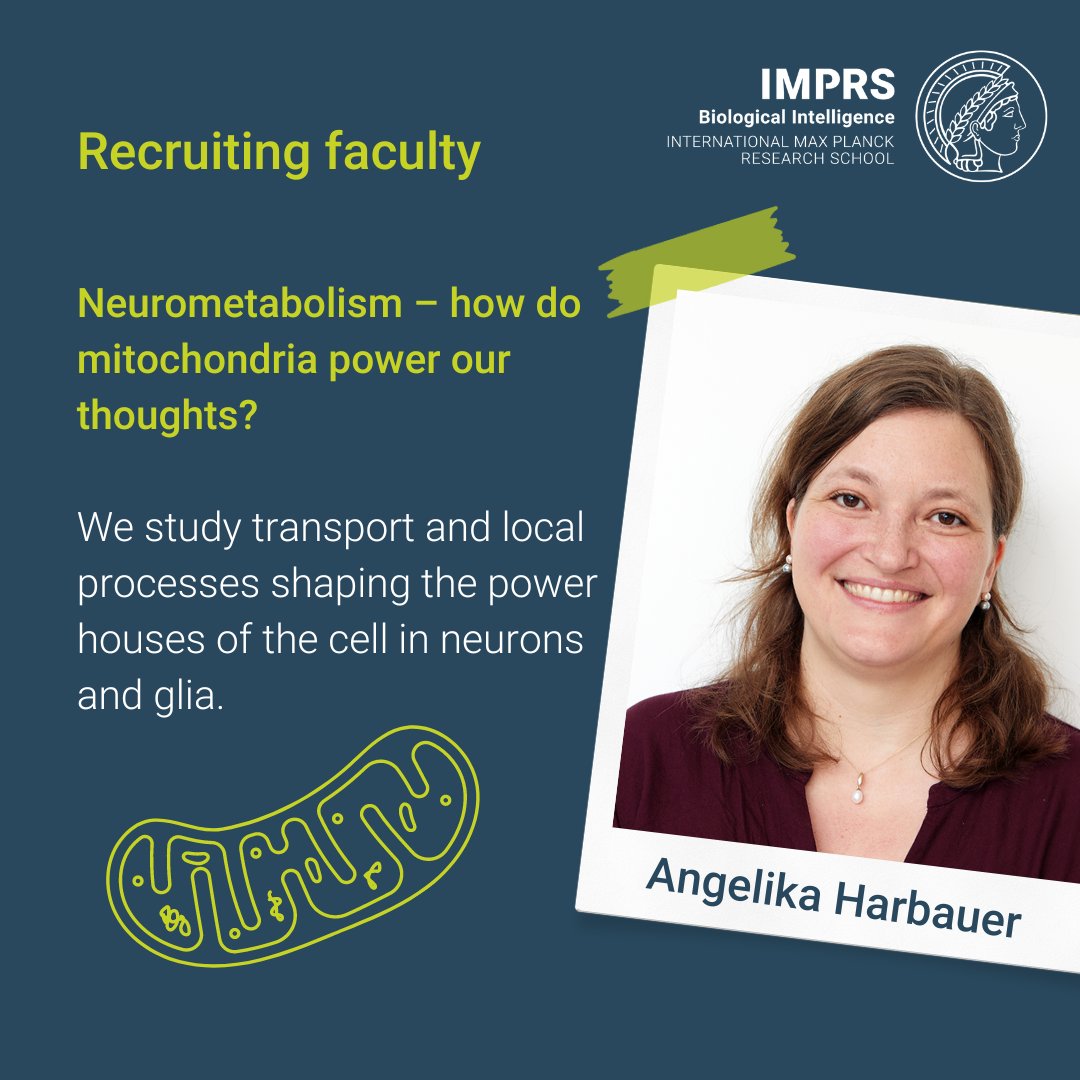
Meet our recruiting faculty: The Harbauer lab @HarbauerL investigates the transport and local processes shaping mitochondria. They are hiring motivated PhD students to join their exciting research! Apply via our graduate school IMPRS-BI before November 10: https://t.co/UYjMRjPFvC
🌐 More about the Harbauer Lab: https://t.co/ZgYXjhVG4v
📢 Our international PhD Call is opened for 2025! Apply to join our vibrant scientific community @CBD_VIB in Leuven (Belgium). Don't hesitate to spread 🙏 !
The 2024 #NobelPrize laureates in chemistry Demis Hassabis and John Jumper have successfully utilised artificial intelligence to predict the structure of almost all known proteins.
In 2020, Hassabis and Jumper presented an AI model called AlphaFold2. With its help, they have been able to predict the structure of virtually all the 200 million proteins that researchers have identified. Since their breakthrough, AlphaFold2 has been used by more than two million people from 190 countries. Among a myriad of scientific applications, researchers can now better understand antibiotic resistance and create images of enzymes that can decompose plastic.
Read more about their story: https://t.co/nWxcZs6wqC
Ever wondered if the *dynamic* organization of brain networks is conserved across mammals? We too!
Our latest work @NatureComm details what we found by comparing fMRI patterns in humans👨macaques 🐒 and mice🐁
https://t.co/c2vqkig6mH
Mini 🧵 @IITalk
I am very excited to learn that our findings in PGCs extend to other species and tissues. Extracellular matrix signaling also inhibits the Wnt signaling pathway in the context of brain organoids! https://t.co/1mdxdxK6Cc
🤩 Congratulations to our very own @YaleMed Prof. HHMI Investigator and @ISSCR President Valentina Greco on being named as one of 50 "Scientists that Inspire" - we can definitely attest to that! https://t.co/I2fmW8pJgX
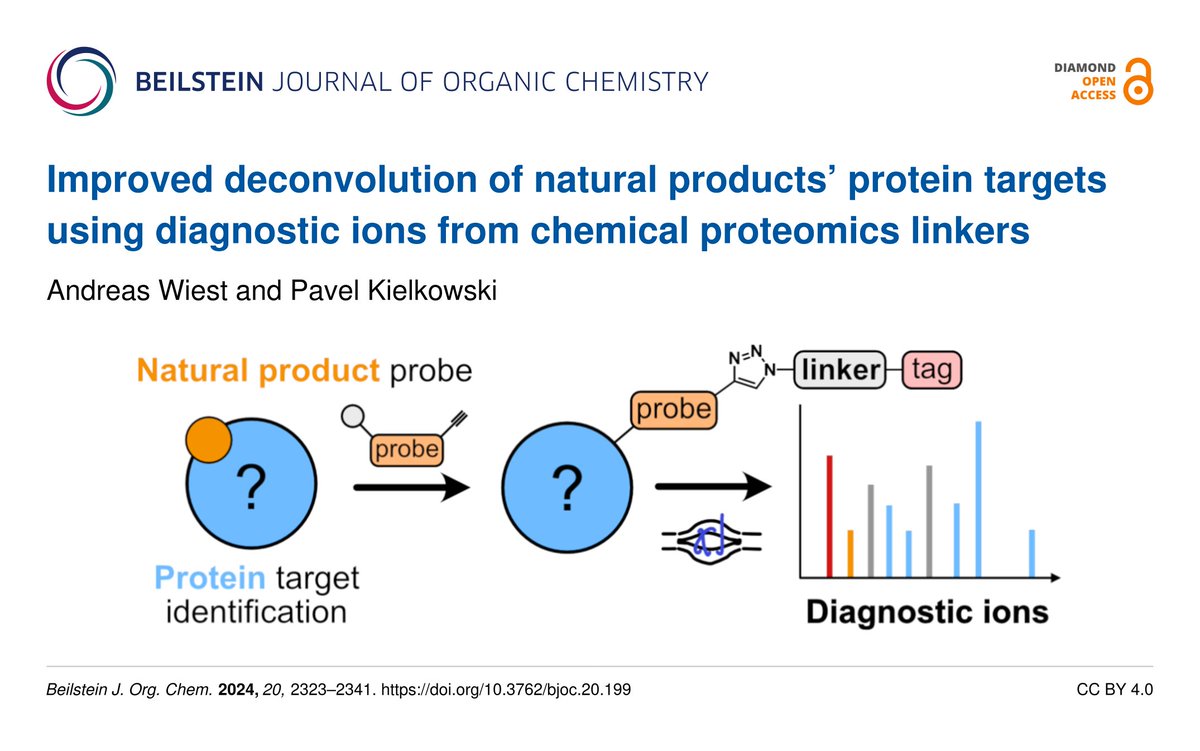
In this review with @andi_wiest, we show how diagnostic ions improve confidence in site ID searches and increase total number of IDs.
It also demonstrate how important is to make high-quality MS data public.
Thank #BJOC and @henloeditorfren for diamond open access policy.
Dear Prospective Postdocs who want to develop a semi-independent research project with support from multiple host groups and funding...,
Please apply for the Excellence Postdoc Program at PoL TU Dresden before Nov 1st!
Very glad to see our paper focusing on indirect neurogenesis and metabolism now out in @Dev_journal
“A multi-layered integrative analysis reveals a cholesterol metabolic program in outer radial glia with implications for human brain evolution” 🧠🧬
https://t.co/r3WmugBgrW
I'm so excited to share my first preprint from @Lab_Pollen at @UCSF on the phylogenetic and spatial distribution of TAC3 interneurons. This story was an adventure filled with twists and turns we never saw coming. Check out the preprint and a summary below!
https://t.co/1UsHgPTNgq
I am excited to share our most recent story led by our fantastic postdoc Lucas Serdar.
How is steady state gene expression of the developing cerebral cortex controlled? The answer lies beyond transcription....https://t.co/qVpWBKF8Pr 1/