Depth-aware light injection in TypeGPU
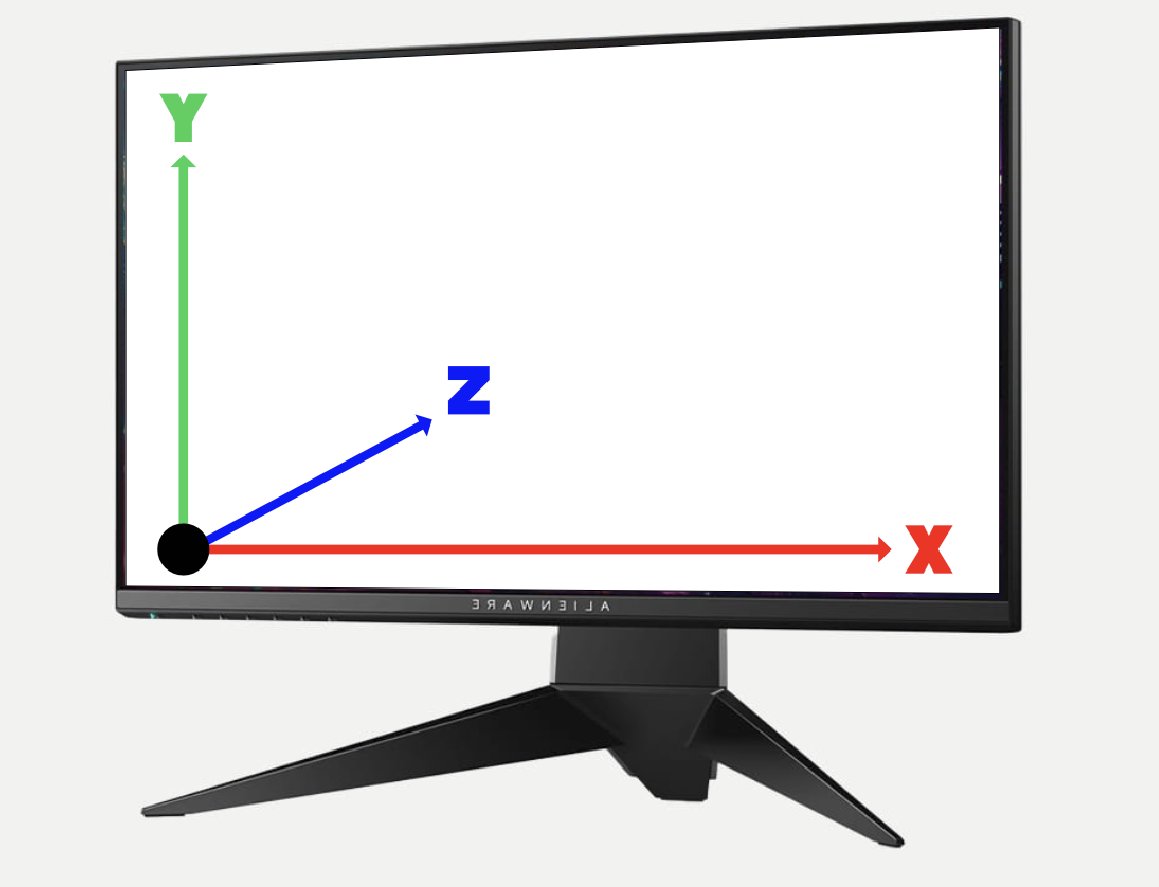
I got a 448x448 monocular depth model down to ~8 ms on my M4 Pro across ~250 dispatches, which is fast enough to use in realtime :D
Since the inference is written directly in TypeGPU, I can just feed the depth buffer straight into the lighting pass. It never has to leave the GPU or go through any extra synchronization/interop step
Inference, lighting and draw all go through the same command encoder.
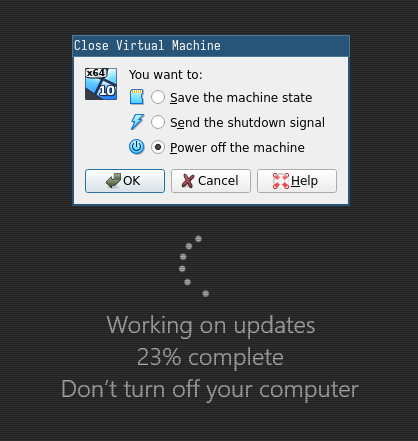
It goes from 30 seconds to 15 seconds... for a incremental build... Which is not really a success of any kind. And one of the "optimizations" is DISABLING DEBUG INFORMATION SO YOUR DEBUGGER BECOMES USELESS.
As someone who's been shipping LLMs since the GPT-2 days, this lecture on cross-entropy from a Stanford math grad is the closest thing to an ML PhD qualifying exam I've ever seen released publicly for free.
Everyone thinks language models predict the next word. They don't. They compress language. Once you see the math, you can't unsee it.
33 minutes. Bookmark & watch today.
The first way people usually learn code compression is by pulling common things out into helper functions, but in my view the complexity of adding a new entry point is often overlooked, and things quickly turn into a mess.
It’s a useful exercise to try compressing code without helper functions, and instead merging similar work by using loops, tables, and reordering. In my experience this leads to dramatically simpler architecture, and it’s a lot easier to keep the whole picture in your head.
- $15 billion dollar company
- ships entire browser with their application cause "native GUI too hard bro"
- javascript so devs don't have to reason about memory
- leaks memory anyway
- "let's just restart the application when we go above 4 GB"
this is a new rock bottom
Microsoft @Windows: "We're preloading File Explorer so it launches faster."
File Pilot: Compiles in less than 3 seconds. Launches instantly. Eats whole drive for breakfast.
Speed isn't a background task, it's design.
https://t.co/v4OY47UD4h