@lawKabarak shines again🎊
Congratulations to our very own @lawkabarak students for their exemplary performance in the national rounds of The Philip C Jessup International Law Moot Court Competition.
The team heads to Washington DC, USA, for the global rounds in March 2024.
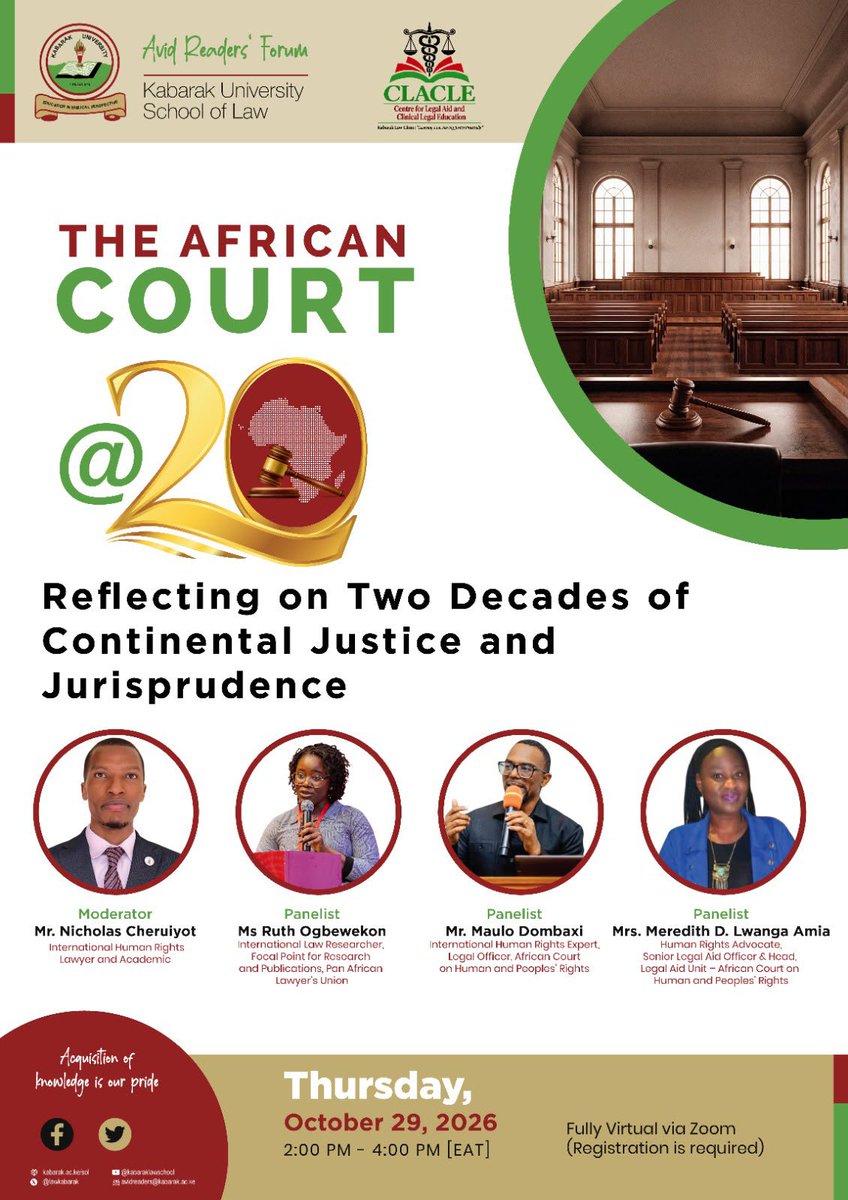
20 years of continental jurisprudence! Join Kabarak Law’s Avid Readers’ Forum (ARF) & @kabarak_CLACLE as we commemorate the 20th anniversary of the operationalisation of the African Court on Human & Peoples’ Rights. 🔗Register: https://t.co/PTf2x0bKNq
#ARF#CLACLE
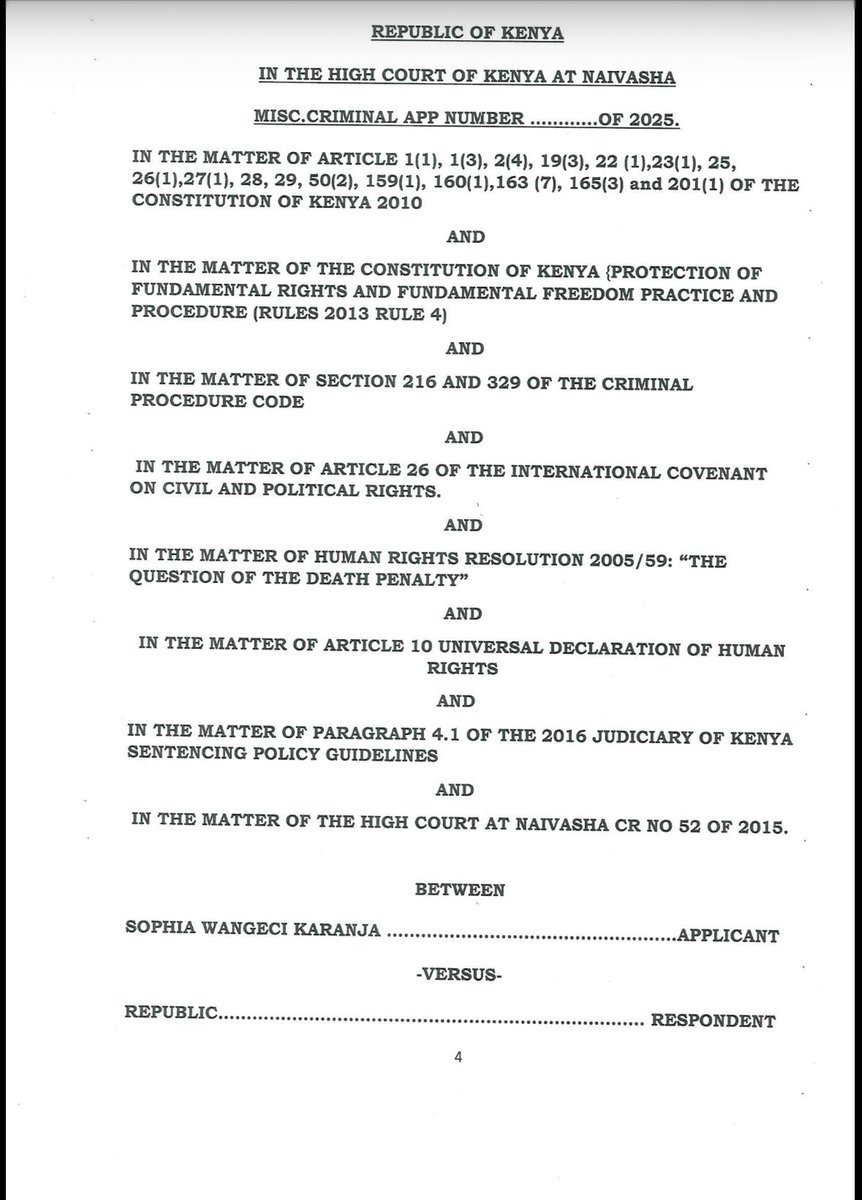
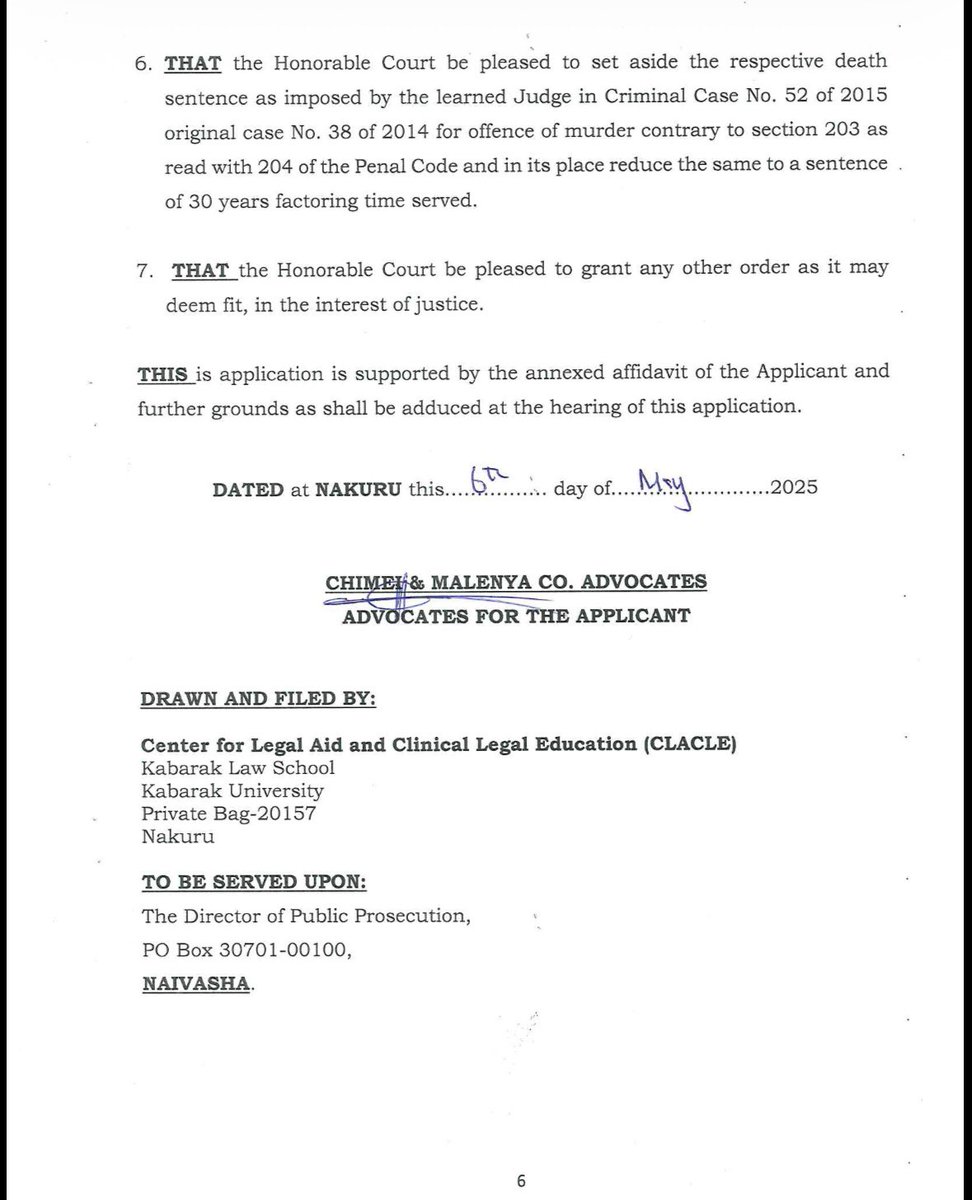
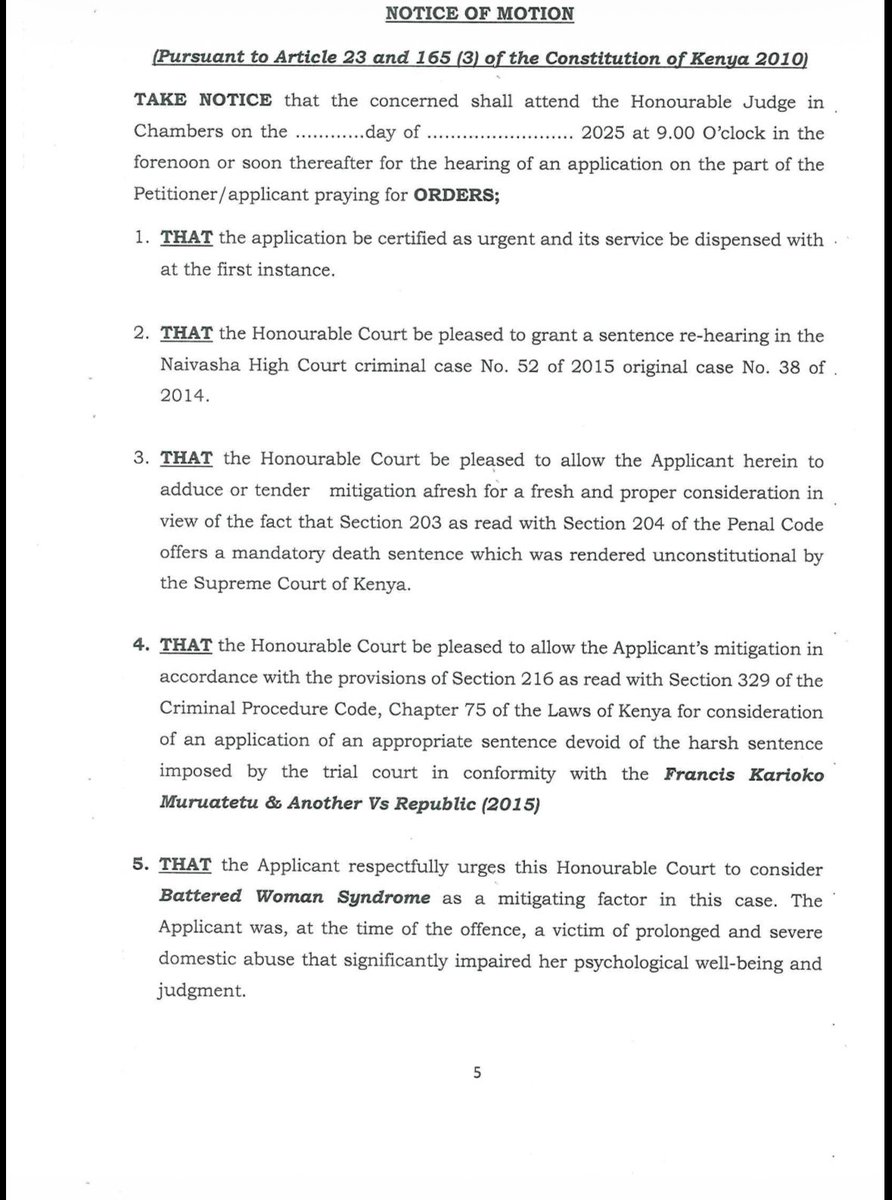
For 12 years, Sophia Wangechi (61) sat on death row under a mandatory sentence that silenced her story of domestic abuse.CLACLE petitioned Naivasha High Court under Muruatetu & Kamande Principles.The court ruled her death sentence commuted to 20 yrs from her 2014 arrest.#CLACLE
#LegalExcellence
Delighted to welcome @AmbreenaManji as Adjunct Full Professor of Public Law.
A distinguished scholar in African legal studies, feminist jurisprudence & Global South scholarship, she brings immense depth to our growing community.
Karibu Kabarak, Prof. Manji!
16 years ago, WE promulgated the 2010 constitution.
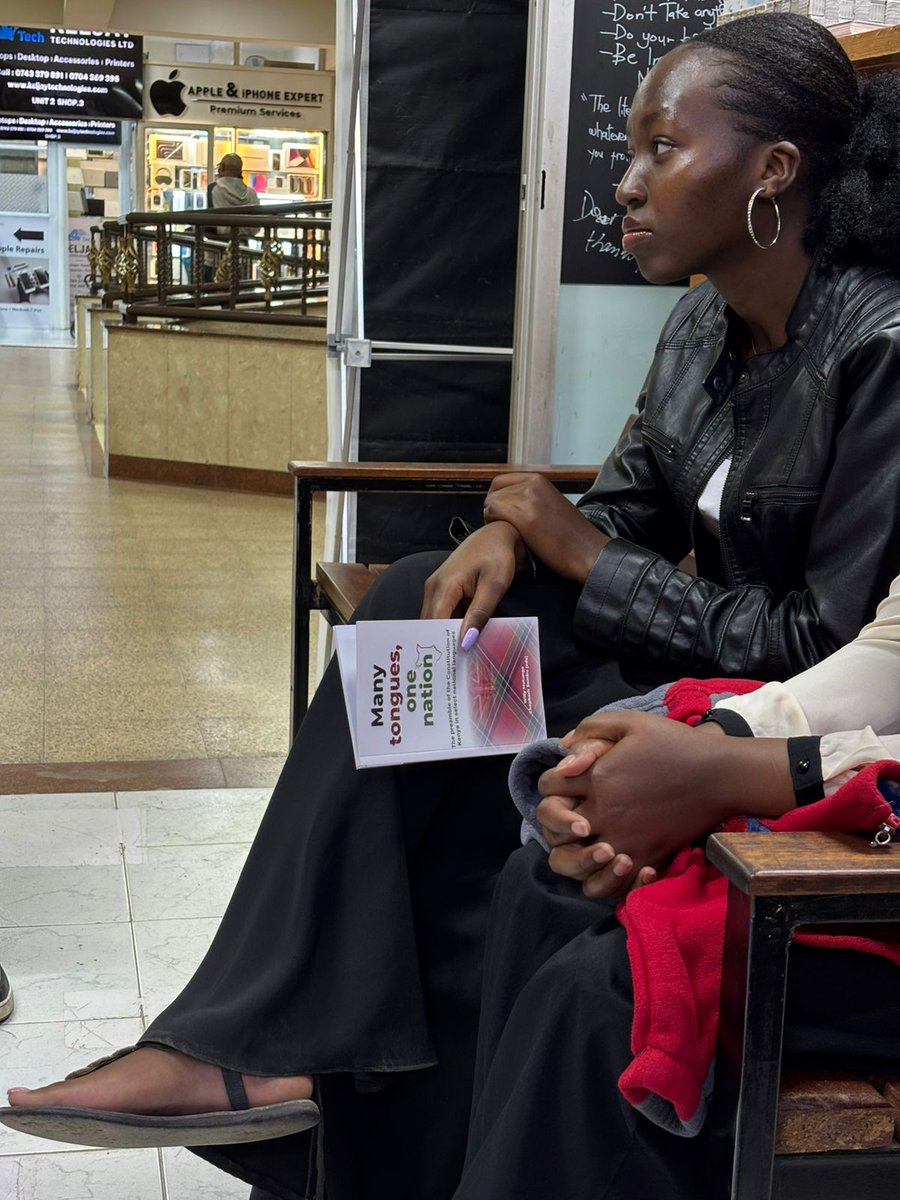
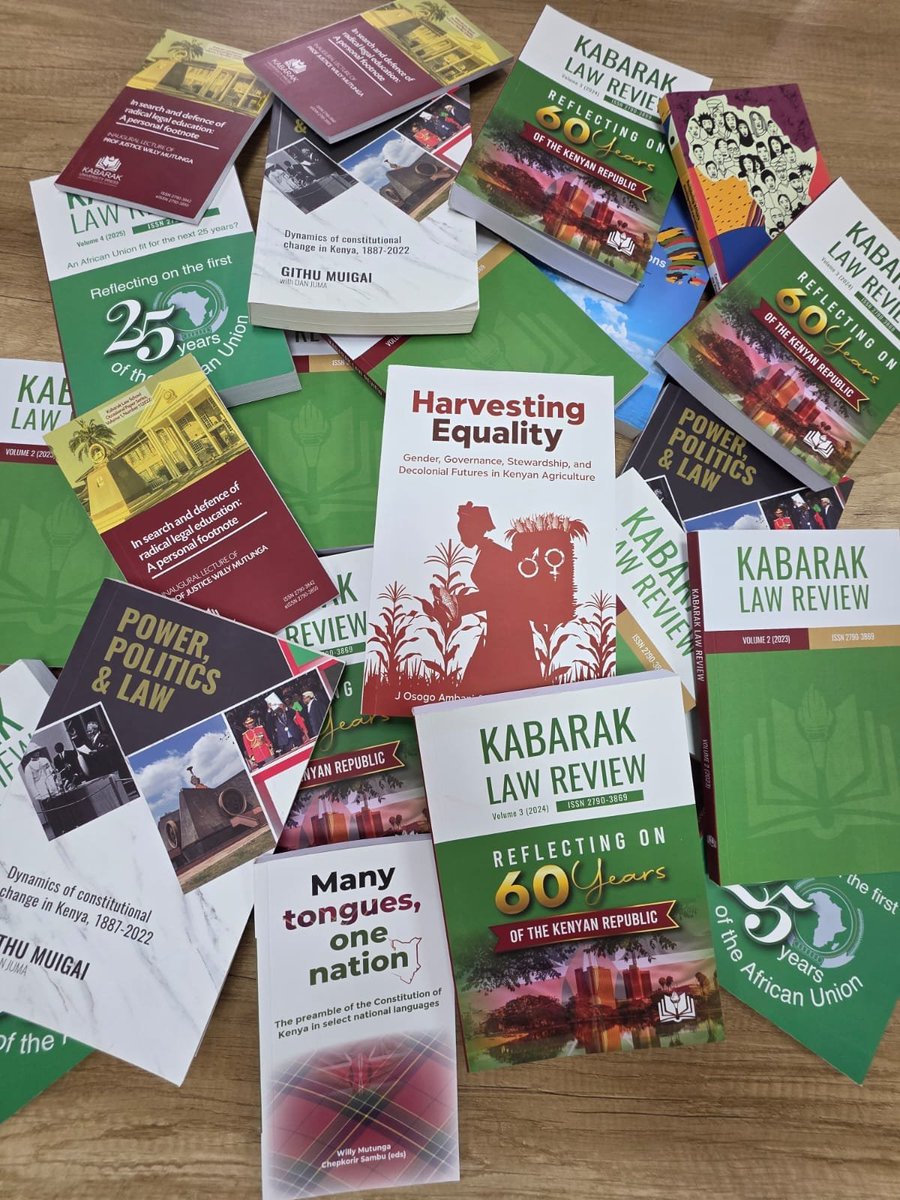
Grab yourself a copy of "Many tongues, one nation" by @WMutunga, @s_chepkorir and Kabarak University law students which translates the Preamble of the Constitution to select local languages.
Happy Katiba day!
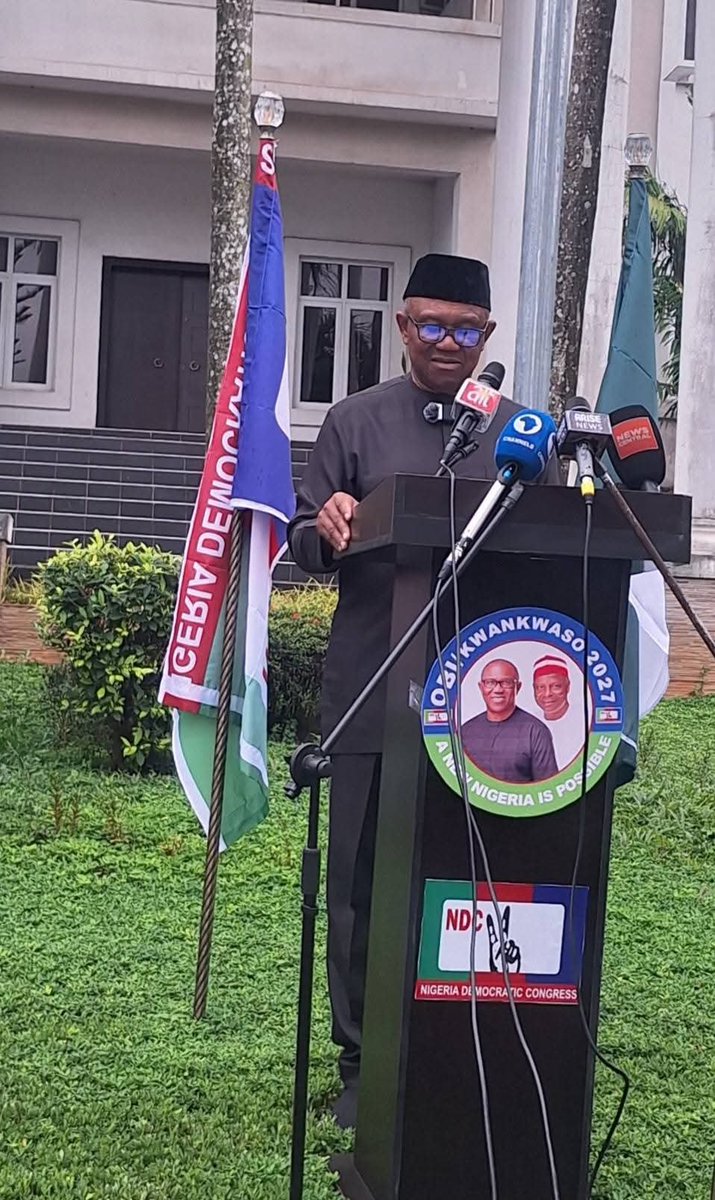
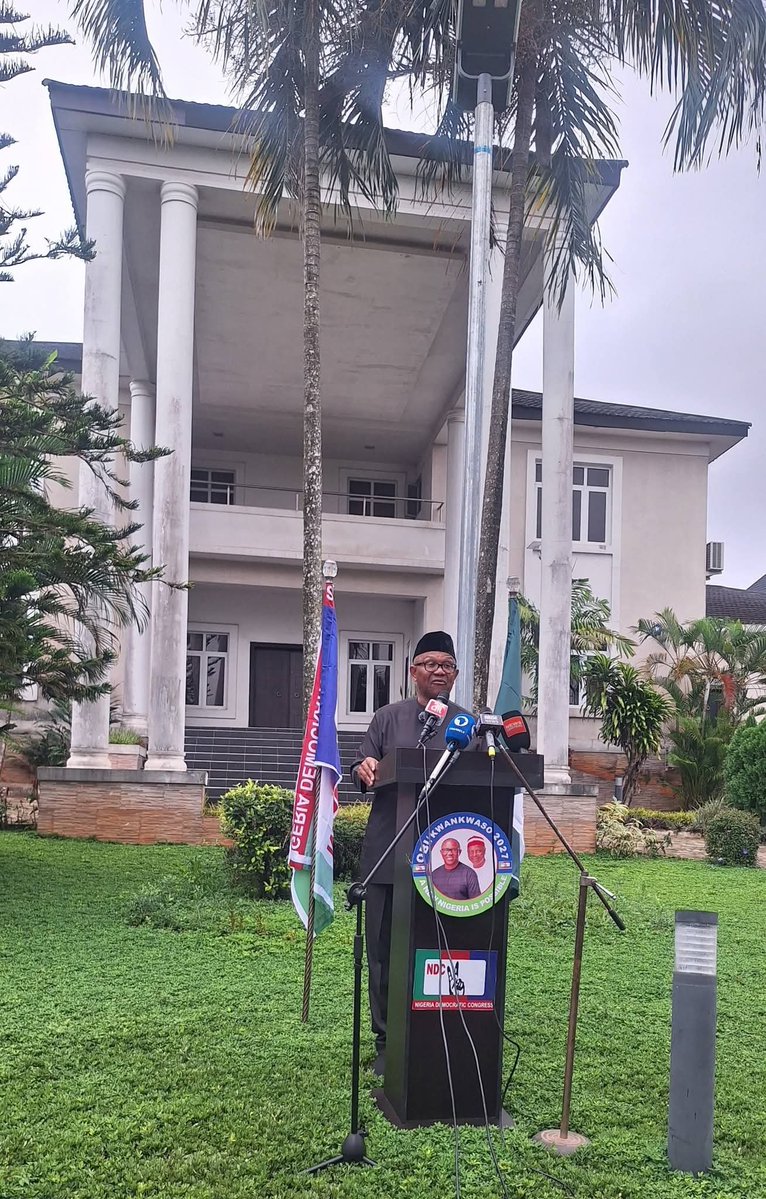
MY ADDRESS TO MARK THE COMMENCEMENT OF THE 2027 PRESIDENTIAL AND NATIONAL ASSEMBLY CAMPAIGNS
21 August 2026
Dear Compatriots,
Members of the Press,
Distinguished ladies and gentlemen,
Wednesday, 19 August 2026, marked the official start of the campaign period for the 2027 Presidential and National Assembly elections.
There is no doubt that this is a defining moment for our democracy. This moment gives Nigerians the opportunity to assess the records, ideas, and plans of those seeking their mandate to lead their country at a time of grave uncertainty in our rapidly changing world.
I consider myself quite privileged to be one of those seeking your mandate to deal with these challenges facing our country.
I enter this contest with one firm conviction: Nigeria can work, and Nigeria must work.
Nigeria faces several serious challenges. Some of them are indeed of existential proportions.
According to the IMF, 63%, or over 140 million Nigerians, live at or below the national poverty line, while humanitarian agencies estimate that 35 million people will need food assistance during the 2026 lean season. About 3.6 million Nigerians remain internally displaced, largely because of conflict and insecurity. Each year, millions of young people enter the labour market, yet too many struggle to find productive opportunities. Weak infrastructure, unreliable power, insecurity, and the excessive cost of doing business continue to burden households and constrain enterprise.
These are more than statistics. They reflect the daily realities of Nigerian families, farmers, workers, students, and businesses.
Yet I do not believe Nigeria lacks the ability to overcome these challenges. We have the people, resources, market, talent, and enterprise. What we must do now is turn these strengths into security, productivity, and shared prosperity.
LEADERSHIP MUST DELIVER RESULTS
My successful private-sector experience, studies in institutions of repute on policy and business matters, and my service as Governor of Anambra State have shaped my understanding of public leadership. Government must manage resources responsibly, set clear priorities, and measure the outcomes of its decisions. Public office is not a reward; it is a responsibility to the people.
In Anambra, I prioritised the foundations of long-term development: education, healthcare, infrastructure, fiscal discipline, and institutional capacity. I do not present that record as perfect, but as an experience from which Nigerians can draw their own conclusions.
Senator Rabiu Musa Kwankwaso brings a different but complementary governing experience.
As Governor of Kano State, he focused strongly on education, technical training, scholarships, infrastructure, and human-capital development. His administration’s investments in education and skills showed an understanding that the people are a state’s most important long-term resource.
Our experiences are different, but our conclusion is the same: Nigeria must invest in its people and manage public resources with discipline.
BUILDING AN ECONOMY THAT WORKS
Nigeria needs more than reactive reforms. We must focus on the questions that matter:
Are Nigerians better off than they were four years ago? Can they afford food, education, and healthcare? Can businesses produce, expand, and create jobs? Can young people find productive work? Can farmers work safely and get their produce to market?
We're pleased to welcome to our team a new Junior Research Scholar, Elvis Mogesa @mogesa_elvis. Alongside his role at ILINA, Elvis will be a Visiting Research Fellow with the Legal Safety Lab, where he will work on how best to leverage EU legal frameworks to advance AI safety.
Co-published by @KABUPressKE and @HBSNairobi, this book evaluates the first decade of Kenyan devolution and examines whether decentralization has delivered on democratization and transformative governance.
Read the open-access book here: https://t.co/ODHqQ0Rgf0
Delighted to Return to School of Nursing Sciences, Emekuku, Owerri, Imo State.
In continuation of my itinerant visits to educational and healthcare institutions in the country, yesterday, I visited the School of Nursing Sciences, Holy Rosary Hospital, Emekuku, where I met with the management, staff, and students, and presented a donation of ₦15 million to the institution.
I reminded the students that the world needs them more than they need the world because healthcare is one of humanity’s most fundamental needs. Any nation that truly desires development must invest in the education and training of healthcare professionals, who remain indispensable to the well-being and productivity of society.
I was delighted to inspect the computer laboratory, which I had previously supported, and to witness the remarkable progress the institution has made. It was also encouraging to reflect on other health institutions, such as Iyi-Enu and Borromeo, which I supported over the years and which have now grown into teaching hospitals. Their transformation reinforces my belief that sustained investments in health and education can produce enduring results. I look forward to seeing Holy Rosary Hospital attain the same status.
Our vision must be to build a Nigeria where functional institutions produce competent professionals, where investments are directed to critical sectors that lift people out of poverty, and where every child, regardless of background, has the opportunity to succeed. That is how we will build a nation where the son of nobody can become somebody without knowing anybody.
A New Nigeria is POssible. -PO
As we commemorate the brave fallen heroes of the 2024 Gen Z protests, we remember the Kianjakoma Brothers, Benson Ndwiga and Emmanuel Ndwiga(our very own second-year Law student), fallen from the COVID-19 curfew enforcement in 2021.
View our recent special call for submissions: