It’s fascinating how misinformation is dressed up as analysis to push a one-sided, oversimplified narrative. Let’s break down the fallacies in this argument: @ShebaPushStart
If the only tactic PP operatives employ are to disparage Eritrea and its gov, create conspiracy theories about Eritrea meddling in Ethiopian affairs and push nostalgic sentiments of Ethiopias hey day, it’s evidence of the desperation to galvanize patriotic Ethiopians into yet another colossal war.
At the very least it’s purely disingenuous and has nothing to do with the economic impacts of being landlocked with 120 million people. “I will own another nations sovereign land by force and send thousands to die if I have to” is not reflective of the Ethiopian governments diplomatic genius as PP loyalists have consistently claimed.
It is however evidence (once again) that the prosperity party’s survival and tenure is based on constant war and conflict.
Whether you agree or disagree with my assessment the “numbers don’t lie” argument from “some” should include the 1 million and counting casualties from internal conflict, the several million who are displaced, and majority of the population who are increasingly under economic despair, tons of metrics on the impacts of the gov induced inflation on the masses etc etc. But we shouldn’t care about those stats right? Cause numbers don’t lie… but PP Cadres can’t not lie. It’s the only thing they do well.
On the other hand, Addis Ababa is definitely pretty and shiny. I’ll definitely agree that’s the reality. It’s heaven for tourists from what I hear, if not affordable to the majority of its citizens. Electricity is bright but scarce for the majority who can’t afford it. BUT the idea of course is to emulate prosperity not to actually achieve it.
#Ethiopia #Eritrea
Who is the aggressor? Who is trying to breach international laws? Who respects or should be respected for honoring their sovereign rights and the sovereign rights of others? Is war the solution? I think NOT
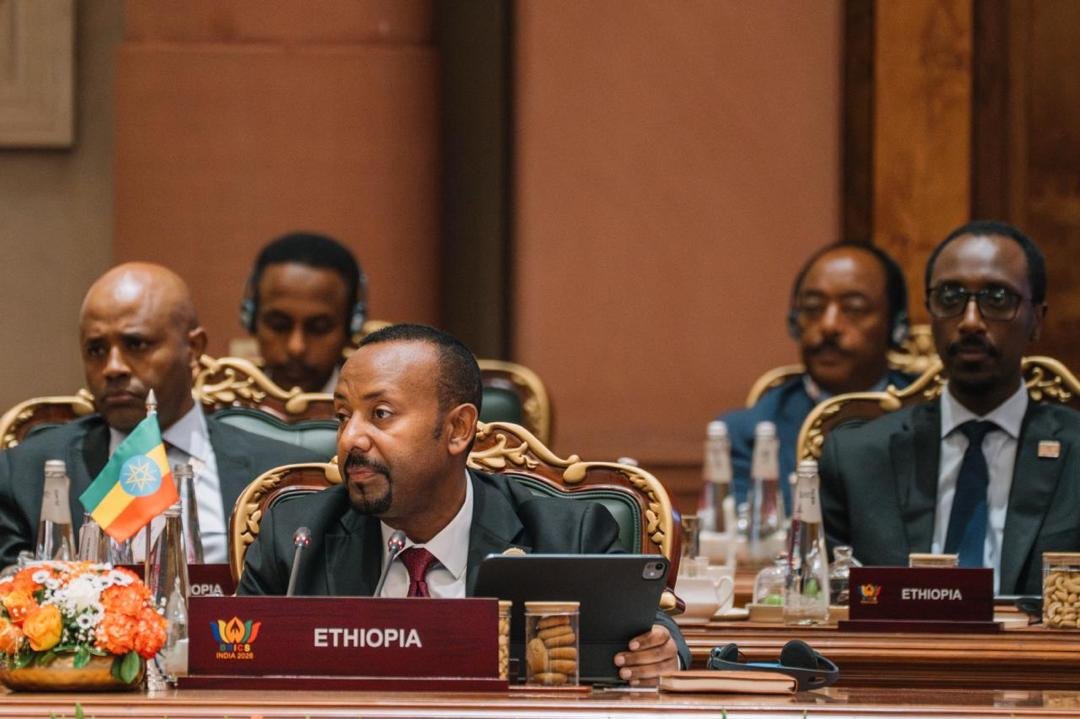
On the margins of the 18th BRICS Summit, I met with Crown Prince of Abu Dhabi His Highness Sheikh Khaled bin Mohamed bin Zayed Al Nahyan to discuss key BRICS priorities and strengthened Ethiopia-UAE cooperation.
🇪🇹 🇦🇪
Economic uncertainty is testing our countries. BRICS has already reshaped
the global conversation. Our responsibility now is to help shape a fairer international system and widen economic opportunity.
On the second morning of the BRICS Summit, I held a bilateral meeting with President Kassym-Jomart Tokayev ( @TokayevKZ ) of Kazakhstan. As we discussed ways to further develop the partnership between our two countries, we agreed to explore opportunities for cooperation in digitalization, business and investment, as well as defense.
🇪🇹 🇰🇿
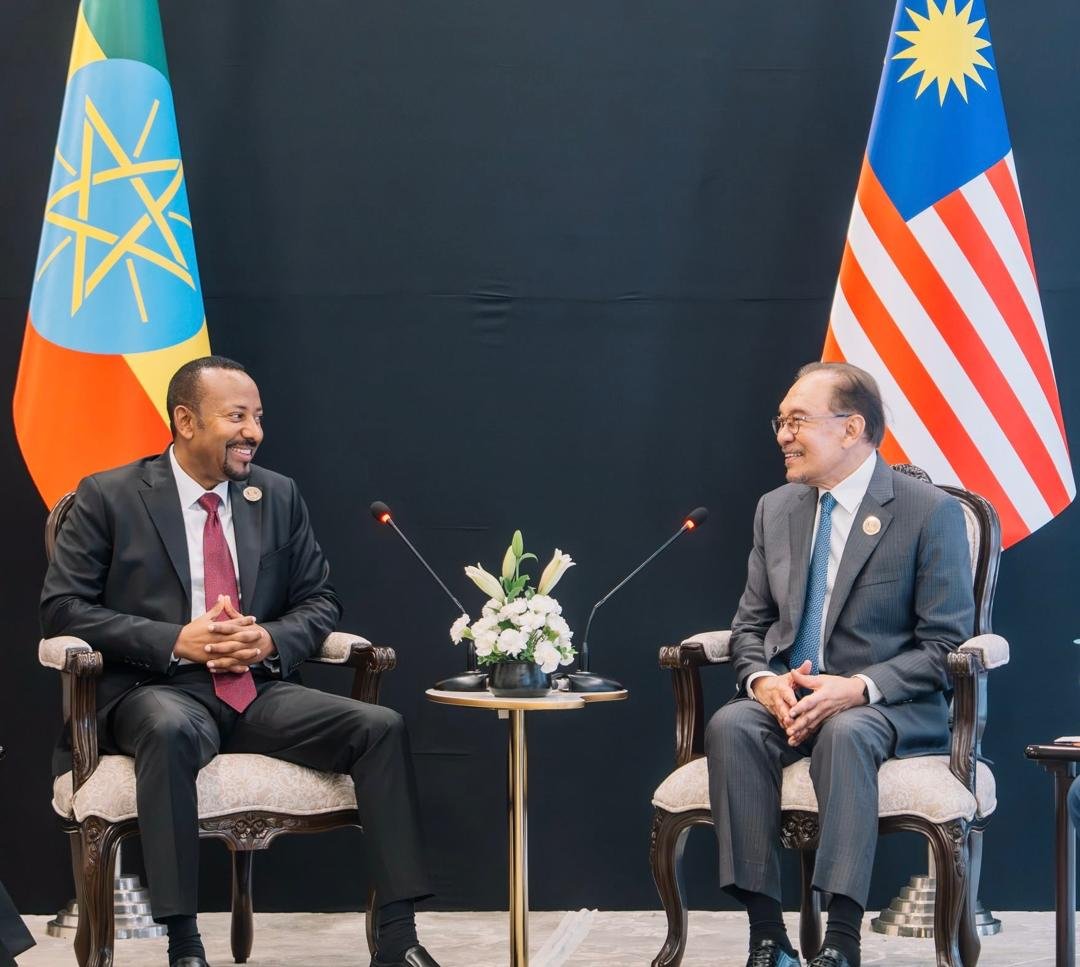
It was a pleasure to meet Prime Minister @anwaribrahim of Malaysia on the sidelines of the BRICS Summit and build on the momentum of his historic visit to Addis Ababa in November 2025.
Our discussions focused on expanding investments, tourism, renewable energy partnerships and cooperation in the lead up towards COP32. We also explored opportunities to learn from Malaysia’s experience in industrial parks, productivity, and manufacturing.
Ethiopia and Malaysia share significant potential for a stronger economic partnership, creating new opportunities in investment, technology, skills, and sustainable development.
🇪🇹 🇲🇾
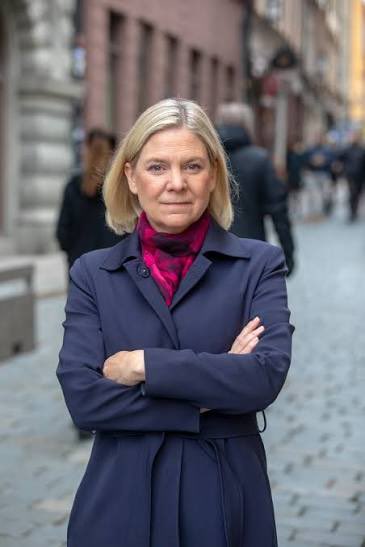
Ett slutgiltigt valresultat har vi först på onsdag kväll men om siffrorna står sig har väljarna avsatt Ulf Kristersson som då avgår. SDs genomklappning bryter en trend för högerpopulistiska partier i Europa. Det har varit ett viktigt mål för oss. Nu ser vi fram emot att Magdalena Andersson tar ansvar för valresultatet som ny statsminister tillsammans med viktiga samarbetspartier. För ett Sverige som håller ihop.
Met with President Masoud Pezeshkian ( @drpezeshkian ) of Iran on the sidelines of the BRICS Summit, as part of the BRICS Plus family.
Our discussions focused on developments in the Red Sea and the broader regional security situation, including the importance of dialogue and regional stability.
🇪🇹 🇮🇷
𝐉𝐔𝐒𝐓 𝐖𝐇𝐀𝐓 𝐈 𝐖𝐀𝐍𝐓𝐄𝐃 𝐓𝐎 𝐒𝐄𝐄 𝐀𝐋𝐋 𝐀𝐋𝐎𝐍𝐆!
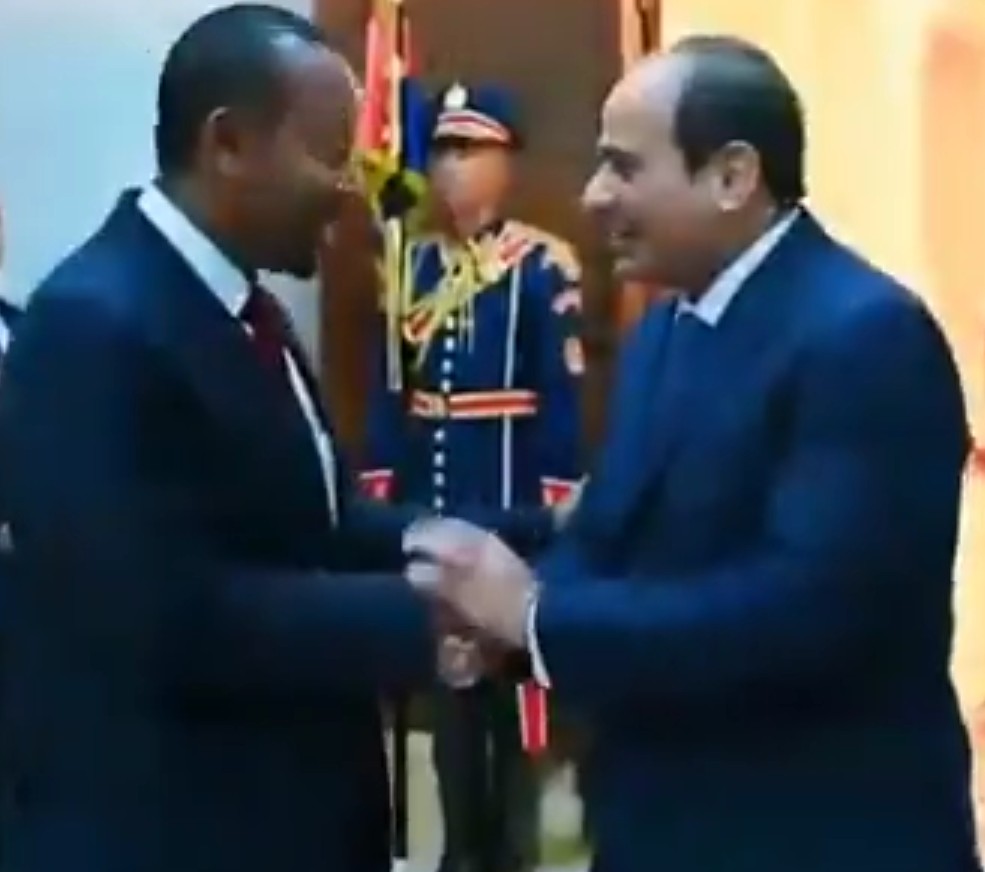
The relaxed, friendly interaction between Prime Minister Abiy Ahmed and President Abdel Fattah el-Sisi at #BRICS2026 is promising and reassuring. They looked comfortable, engaged and genuinely at ease with one another. I believe we should see more of this.
Dr. Martin Luther King Jr. once said:
“People fail to get along because they fear each other; they fear each other because they don't know each other; they don't know each other because they have not communicated.”
What did MLK mean?
Conflict often begins with fear. Fear grows from unfamiliarity which persists when people refuse to communicate.
I wonder if the leaders of Ethiopia and Egypt truly know each other. Public statements from both sides reflect a degree of suspicion about each other’s intentions and goals. It seems to me mutual suspicion has hardened into deep mistrust. Cumulatively, that has manifestly turned into political and diplomatic hostility making dialogue and compromise seem impossible.
In studying the video clip and their respective body language, I see two leaders ready to sit together, listen to each other, speak honestly, and discover each other's national aspirations and concerns. I look at the warm handshakes, the natural hand gestures, the smiles and laughter of the two leaders and wonder about the optics. Will the people of Ethiopia and Egypt be pleased or displeased by the friendly rapport of their leaders in the video recordings?
I see the two leaders in the video relating to each other not as enemies but as leaders of two great nations who can go very far for the mutual peace, progress and prosperity of their peoples.
In the brief video clip, I saw PM Abiy and President Sisi communicating. To me, they were not simply talking. They seemed to be listening, engaging, explaining, asking and answering questions.
The two leaders can take it to the next step. Genuine communication will result in acknowledgement of legitimate concerns of each other and discover common ground.
One of the biggest lessons I learned at the Ethiopian National Dialogue Conference was that when people start genuine communication they quickly discover common hopes, common fears, common needs, common aspirations, and their common humanity.
MLK was not suggesting that communication magically eliminates genuine disagreements. People can communicate and still disagree profoundly. But they are far more likely to resolve disagreements peacefully when they understand each other’s national interests as brothers and sisters than seeing one another as threatening abstractions.
That lesson applies directly to Ethiopia and Egypt.
Ethiopia and Egypt cannot build lasting peace through media warfare, public accusations, diplomatic posturing and competing narratives. Their leaders must know one another, trust one another and communicate directly with one another.
I learned from participating in the Ethiopian National Dialogue Conference that there is very little that cannot be addressed when people are willing to engage in sincere, genuine and honest dialogue.
Dialogue does not require surrender. It does not require abandoning principles. It does not require pretending that disagreements do not exist.
Dialogue, especially among leaders, requires that they must learn to understand, respect and communicate with one another and become moral agents for their respective societies.
That is why the friendly interaction between Prime Minister Abiy and President Sisi at BRICS is more than a pleasant diplomatic moment. I see it as the beginning of an excellent opportunity to resolve the disputed Nile issues once and for all.
There is no need to litigate the Nile dispute in the court of world public opinion or on social media. No need for media declarations and public posturing.
𝐏𝐌 𝐀𝐛𝐢𝐲 𝐚𝐧𝐝 𝐏𝐫𝐞𝐬𝐢𝐝𝐞𝐧𝐭 𝐒𝐢𝐬𝐢 𝐬𝐡𝐨𝐮𝐥𝐝 𝐭𝐚𝐥𝐤 𝐭𝐨 𝐞𝐚𝐜𝐡 𝐨𝐭𝐡𝐞𝐫 𝐦𝐨𝐫𝐞—𝐝𝐢𝐫𝐞𝐜𝐭𝐥𝐲, 𝐫𝐞𝐠𝐮𝐥𝐚𝐫𝐥𝐲 𝐚𝐧𝐝 𝐩𝐫𝐢𝐯𝐚𝐭𝐞𝐥𝐲.
𝐈𝐧𝐝𝐞𝐞𝐝, 𝐀𝐫𝐭𝐢𝐜𝐥𝐞 𝟏𝟎 𝐨𝐟 𝐭𝐡𝐞 𝟐𝟎𝟏𝟓 𝐃𝐞𝐜𝐥𝐚𝐫𝐚𝐭𝐢𝐨𝐧 𝐨𝐟 𝐏𝐫𝐢𝐧𝐜𝐢𝐩𝐥𝐞𝐬 𝐩𝐫𝐨𝐯𝐢𝐝𝐞𝐬 𝐭𝐡𝐚𝐭, 𝐰𝐡𝐞𝐧 𝐜𝐨𝐧𝐬𝐮𝐥𝐭𝐚𝐭𝐢𝐨𝐧 𝐚𝐧𝐝 𝐧𝐞𝐠𝐨𝐭𝐢𝐚𝐭𝐢𝐨𝐧 𝐫𝐞𝐚𝐜𝐡 𝐚𝐧 𝐢𝐦𝐩𝐚𝐬𝐬𝐞, 𝐭𝐡𝐞 𝐦𝐚𝐭𝐭𝐞𝐫 𝐦𝐚𝐲 𝐛𝐞 𝐫𝐞𝐟𝐞𝐫𝐫𝐞𝐝 𝐭𝐨 𝐭𝐡𝐞 𝐇𝐞𝐚𝐝𝐬 𝐨𝐟 𝐒𝐭𝐚𝐭𝐞/𝐆𝐨𝐯𝐞𝐫𝐧𝐦𝐞𝐧𝐭.
𝐓𝐡𝐞𝐫𝐞 𝐢𝐬 𝐚𝐧 𝐚𝐩𝐩𝐚𝐫𝐞𝐧𝐭 𝐢𝐦𝐩𝐚𝐬𝐬𝐞. 𝐍𝐨𝐭 𝐦𝐮𝐜𝐡 𝐩𝐫𝐨𝐠𝐫𝐞𝐬𝐬 𝐡𝐚𝐬 𝐛𝐞𝐞𝐧 𝐚𝐜𝐡𝐢𝐞𝐯𝐞𝐝 𝐨𝐯𝐞𝐫 𝐭𝐡𝐞 𝐩𝐚𝐬𝐭 𝐞𝐥𝐞𝐯𝐞𝐧 𝐲𝐞𝐚𝐫𝐬.
𝐖𝐡𝐲 𝐧𝐨𝐭 𝐭𝐫𝐢𝐠𝐠𝐞𝐫 𝐀𝐫𝐭𝐢𝐜𝐥𝐞 𝟏𝟎 𝐨𝐟 𝐭𝐡𝐞 𝐃𝐞𝐜𝐥𝐚𝐫𝐚𝐭𝐢𝐨𝐧 𝐨𝐟 𝐏𝐫𝐢𝐧𝐜𝐢𝐩𝐥𝐞𝐬 𝐚𝐧𝐝 𝐚𝐜𝐭 𝐩𝐫𝐨𝐚𝐜𝐭𝐢𝐯𝐞𝐥𝐲?
𝐌𝐲 𝐛𝐨𝐥𝐝 𝐩𝐫𝐨𝐩𝐨𝐬𝐚𝐥: "𝐀𝐧 𝐀𝐛𝐢𝐲–𝐒𝐢𝐬𝐢 𝐍𝐢𝐥𝐞 𝐃𝐢𝐚𝐥𝐨𝐠𝐮𝐞 𝐅𝐨𝐫𝐮𝐦"
1. Meet quarterly.
Prime Minister Abiy and President Sisi should meet regularly, alternating between Addis Ababa and Cairo.
2. Private first, public second.
No cameras. No speeches. No grandstanding. Let the two leaders speak candidly about their concerns, interests, fears and red lines in private.
3. Create a small Joint Ethiopian-Egyptian Nile Team.
A trusted group of Ethiopian and Egyptian experts should be organized to undertake tasks and report directly to the two leaders. No direct involvement of the bureaucracies.
4. Put every difficult issue on the same table.
GERD operations. Drought conditions. Hydrological data sharing. Water security. Notification procedures. Future Nile development, Etc.
5. Separate principles from mechanics.
Explicitly acknowledge the legitimate interests of both countries: Ethiopia's right to development and Egypt's legitimate concerns about water security. The rest is negotiating the technical mechanisms for addressing those concerns.
6. Adopt a “no surprises” principle.
Neither Ethiopia nor Egypt should ever be blindsided by lack of critical hydrological and dam operation information, failure to disclose issues and problems, or an unanticipated decisions.
7. Let science lead to the extent possible.
Create a joint scientific mechanism through which Ethiopian and Egyptian hydrologists examine drought scenarios, climate variability and operational data and provide the leaders with common factual findings.
8. Stop fighting through the media.
Governments should communicate disagreements directly to each other rather than allowing headlines and public rhetoric to harden positions. There should be a hot line for direct communication between the two heads of state to communicate as needed.
9. Look beyond the dam.
Explore cooperation in solar energy, electricity trade, irrigation efficiency, desalination, agriculture and Nile-wide infrastructure. The more shared interests Ethiopia and Egypt create, the smaller the space for confrontation becomes.
10. Give diplomacy a deadline.
Set a 90-day political objective: identify the remaining disagreements, quantify them where possible, and present the two leaders with concrete options—not another endless round of negotiations.
Why wait to start direct dialogue?
I believe Ethiopia and Egypt will eventually find a way to live with their differences and cooperate on the Nile.
History, geography and mutual interests will make it inevitable that these two ancient civilizations must ultimately find a modus vivendi, a feasible arrangement and a practical compromise on the use of Nile waters.
𝐓𝐡𝐞 𝐫𝐞𝐚𝐥 𝐪𝐮𝐞𝐬𝐭𝐢𝐨𝐧 𝐢𝐬:
𝐖𝐡𝐲 𝐰𝐚𝐢𝐭 𝐟𝐢𝐯𝐞 𝐲𝐞𝐚𝐫𝐬? 𝐖𝐡𝐲 𝐰𝐚𝐢𝐭 𝐭𝐞𝐧 𝐲𝐞𝐚𝐫𝐬? 𝐖𝐡𝐲 𝐚𝐥𝐥𝐨𝐰 𝐦𝐢𝐬𝐭𝐫𝐮𝐬𝐭 𝐭𝐨 𝐝𝐞𝐞𝐩𝐞𝐧 𝐰𝐡𝐞𝐧 𝐭𝐡𝐞 𝐭𝐰𝐨 𝐥𝐞𝐚𝐝𝐞𝐫𝐬 𝐜𝐚𝐧 𝐛𝐞𝐠𝐢𝐧 𝐛𝐮𝐢𝐥𝐝𝐢𝐧𝐠 𝐭𝐫𝐮𝐬𝐭 𝐭𝐨𝐝𝐚𝐲?
𝐓𝐡𝐞 𝐍𝐢𝐥𝐞 𝐝𝐨𝐞𝐬 𝐧𝐨𝐭 𝐡𝐚𝐯𝐞 𝐭𝐨 𝐛𝐞 𝐚 𝐳𝐞𝐫𝐨-𝐬𝐮𝐦 𝐫𝐢𝐯𝐞𝐫.
𝐈𝐭 𝐜𝐚𝐧 𝐛𝐞𝐜𝐨𝐦𝐞 𝐚 𝐫𝐢𝐯𝐞𝐫 𝐨𝐟 𝐜𝐨𝐨𝐩𝐞𝐫𝐚𝐭𝐢𝐨𝐧, 𝐝𝐞𝐯𝐞𝐥𝐨𝐩𝐦𝐞𝐧𝐭 𝐚𝐧𝐝 𝐬𝐡𝐚𝐫𝐞𝐝 𝐩𝐫𝐨𝐬𝐩𝐞𝐫𝐢𝐭𝐲.
More can be accomplished by two leaders sitting across a table in honest, genuine dialogue than by two governments fighting through media statements and diplomatic PR warfare.
𝐈 𝐡𝐨𝐩𝐞 𝐭𝐡𝐞 𝐟𝐫𝐢𝐞𝐧𝐝𝐥𝐲 𝐁𝐑𝐈𝐂𝐒 𝐞𝐧𝐜𝐨𝐮𝐧𝐭𝐞𝐫 𝐜𝐚𝐧 𝐛𝐞𝐜𝐨𝐦𝐞 𝐭𝐡𝐞 𝐛𝐞𝐠𝐢𝐧𝐧𝐢𝐧𝐠 𝐨𝐟 𝐬𝐨𝐦𝐞𝐭𝐡𝐢𝐧𝐠 𝐦𝐮𝐜𝐡 𝐛𝐢𝐠𝐠𝐞𝐫: 𝐚 𝐬𝐞𝐫𝐢𝐨𝐮𝐬, 𝐬𝐮𝐬𝐭𝐚𝐢𝐧𝐞𝐝 𝐄𝐭𝐡𝐢𝐨𝐩𝐢𝐚-𝐄𝐠𝐲𝐩𝐭 𝐜𝐨𝐧𝐯𝐞𝐫𝐬𝐚𝐭𝐢𝐨𝐧 𝐚𝐛𝐨𝐮𝐭 𝐭𝐡𝐞 𝐍𝐢𝐥𝐞 𝐚𝐧𝐝 𝐭𝐡𝐞 𝐟𝐮𝐭𝐮𝐫𝐞 𝐨𝐟 𝐛𝐨𝐭𝐡 𝐧𝐚𝐭𝐢𝐨𝐧𝐬.
I hope PM Abiy and President Sisi will continue the BRICS conversation in Addis Ababa and Cairo.
George Bernard Shaw famously wrote:
“You see things; and you say, ‘Why?’ But I dream things that never were; and I say, ‘Why not?’”
Some people may look at PM Abiy and President Sisi sitting together and ask, “Why?”
I look at them and ask: Why not?
𝐖𝐡𝐲 𝐧𝐨𝐭 𝐝𝐫𝐞𝐚𝐦 𝐨𝐟 𝐭𝐡𝐞 𝐝𝐚𝐲 𝐰𝐡𝐞𝐧 𝐭𝐡𝐞 𝐥𝐞𝐚𝐝𝐞𝐫𝐬 𝐨𝐟 𝐄𝐭𝐡𝐢𝐨𝐩𝐢𝐚 𝐚𝐧𝐝 𝐄𝐠𝐲𝐩𝐭 𝐬𝐢𝐭 𝐭𝐨𝐠𝐞𝐭𝐡𝐞𝐫—𝐧𝐨𝐭 𝐚𝐬 𝐚𝐝𝐯𝐞𝐫𝐬𝐚𝐫𝐢𝐞𝐬, 𝐛𝐮𝐭 𝐚𝐬 𝐩𝐚𝐫𝐭𝐧𝐞𝐫𝐬—𝐚𝐧𝐝 𝐰𝐨𝐫𝐤 𝐭𝐨 𝐌𝐀𝐊𝐄 𝐄𝐓𝐇𝐈𝐎𝐏𝐈𝐀 𝐀𝐍𝐃 𝐄𝐆𝐘𝐏𝐓 𝐆𝐑𝐄𝐀𝐓.
𝐖𝐡𝐲 𝐧𝐨𝐭 𝐬𝐭𝐚𝐫𝐭 𝐧𝐨𝐰?
@PMEthiopia@AbiyAhmedAli@TagessechaffoD@AdanechAbiebie@TayeAtske@GHessebon@SMHaderaAbera@mfaethiopia@AdanechAbiebie@_AfricanUnion@USEmbassyAddis@DeputySecState@StateDept@marcorubio@VP@PeteHegseth@ChinaEmbAddis@USAfricaCommand@GovernmentRF@EUinEthiopia@RusEmbEthiopia@binalf7@MfaEgypt@TemesgenTiru@IGADsecretariat #Ethiopia #AddisAbaba @UKinEthiopia@EUinEthiopia@GerEmbAddis@TiborPNagyJr@NorwayinAddis@AusEmbET@SweinEthiopia@flyethiopian@AlsisiOfficial@RedwanHussien@ECA_Official #Somaliland #Egypt #Eritrea @MOFASomalia@reda_getachew@EthiopianNewsA@EthioNDC@BBCAfrica@CNNAfrica@BloombergAfrica@Aljazeerafrican@emirates@HHShkMohd@AlArabiya_Brk
I am pleased to participate in the 18th BRICS Summit in India, under the theme of building for resilience, innovation, cooperation and sustainability.
Across BRICS, we have capital, technology and markets. The opportunity is to bring them together, create more value, and ensure that value is generated where resources are found. Ethiopia is ready to build these partnerships across minerals, renewable energy and our growing industrial base.
We must also build resilience into our systems, ensure AI serves the needs of our continent, advance predictable debt resolution, and link climate action with economic transformation.
Together, BRICS can turn cooperation into shared value, resilience and sustainable growth.
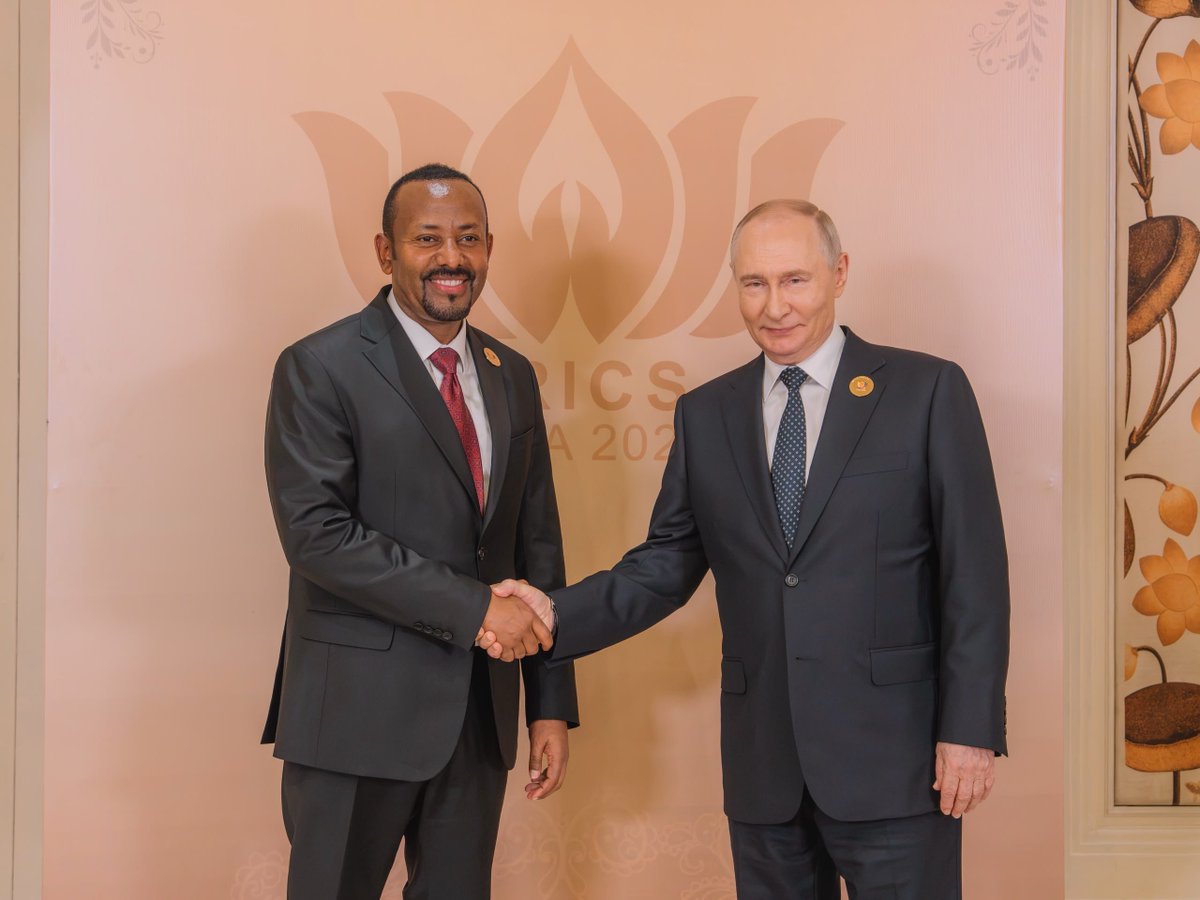
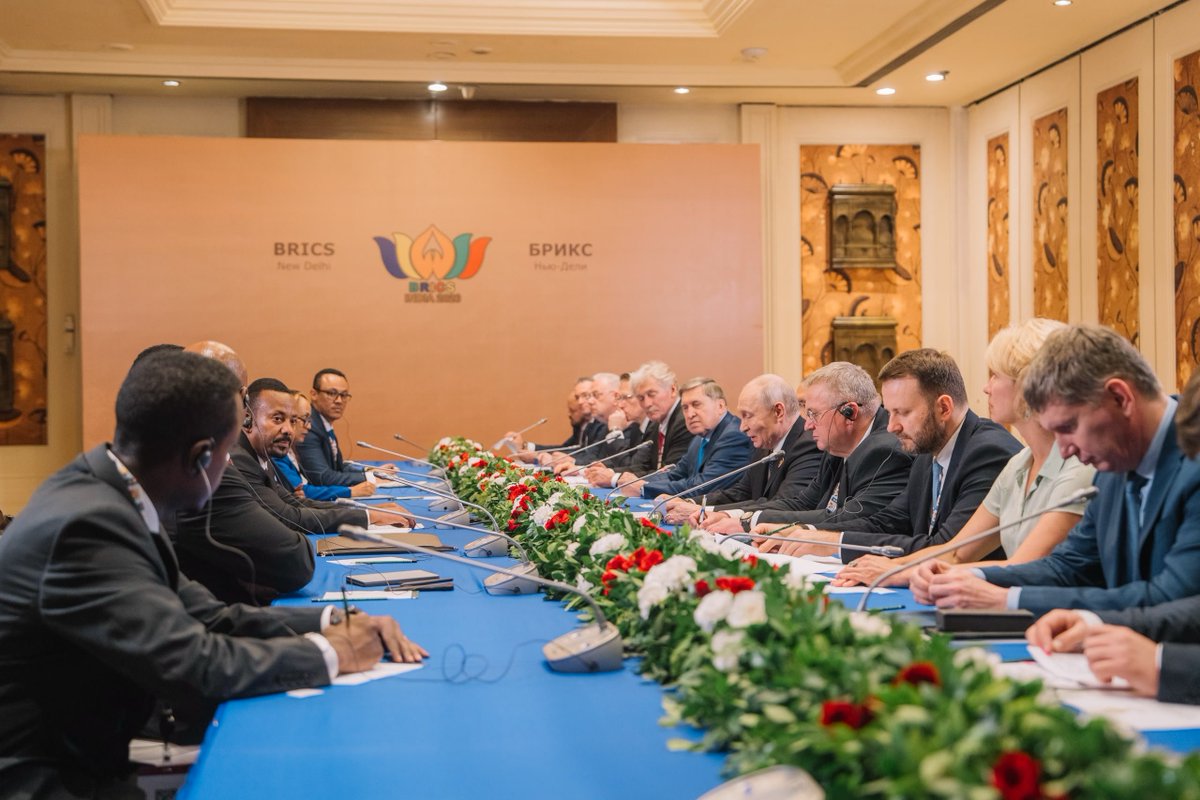
I had the opportunity to meet with President Vladimir Putin as well today for a constructive discussion on strengthening the strategic partnership between Ethiopia and Russia.
Our discussions reaffirmed our shared commitment to advancing cooperation across key areas, including defence and security, trade and investment, education, and technology. We also explored opportunities to expand educational exchanges and deepen collaboration in cultural and people-to-people ties.
We further discussed strengthening our cooperation on climate and development priorities, including collaboration toward COP32, while working together to expand mutually beneficial trade and economic exchanges.
🇪🇹 🇷🇺
The Day of the Future
National Technological Transformation
From paper to digital, from passive consumption to active innovation! By learning from the past and relentlessly building the present, digital transformation is becoming our living daily culture streamlining commerce, enhancing accessibility, and modernizing public services. As the 5 million Ethio-coders initiative empowers our youth as AI creators toward a 7 million target, our expanding digital service infrastructure guarantees quality and seamless access for all. Backed by homegrown capacity, our Digital sovereignty eliminates technological dependency proudly signalling a self-reliant, digitally driven new Ethiopia.
#DigitalEthiopia2030
𝗘𝗧𝗛𝗜𝗢𝗣𝗜𝗔'𝗦 𝗣𝗔𝗧𝗛 𝗧𝗢 𝗔𝗳𝗖𝗙𝗧𝗔, 𝗥𝗢𝗢𝗧𝗘𝗗 𝗜𝗡 𝗔𝗖𝗧𝗜𝗢𝗡
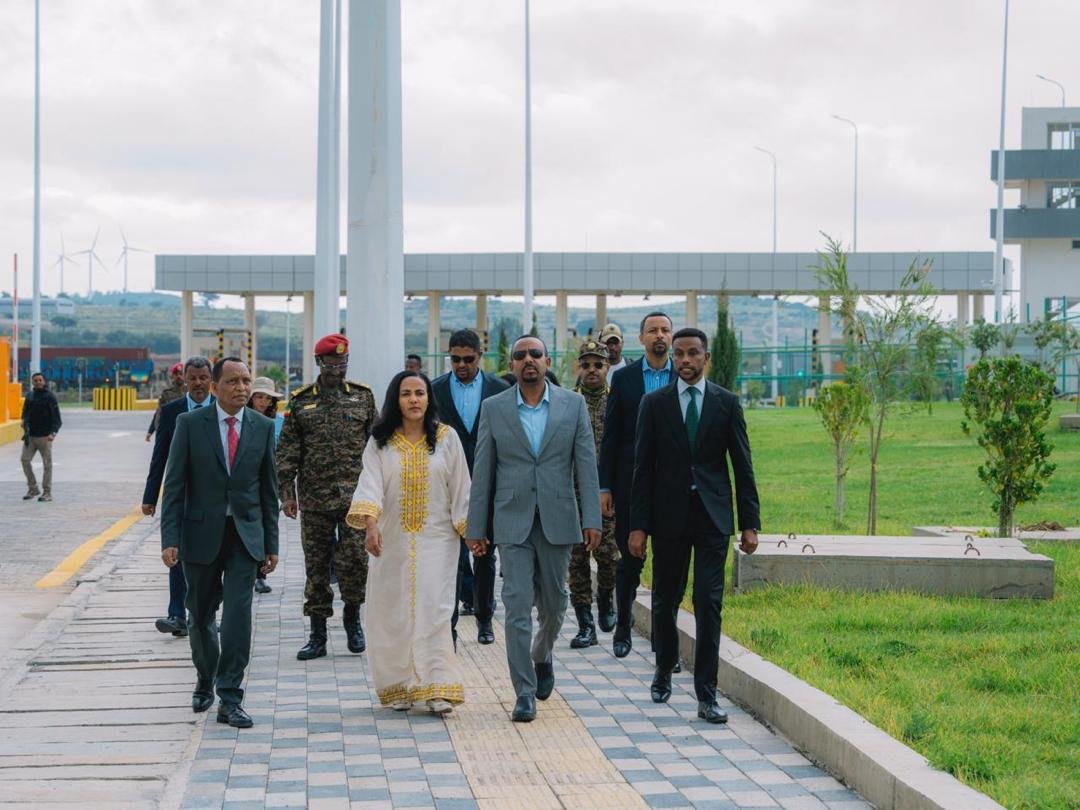
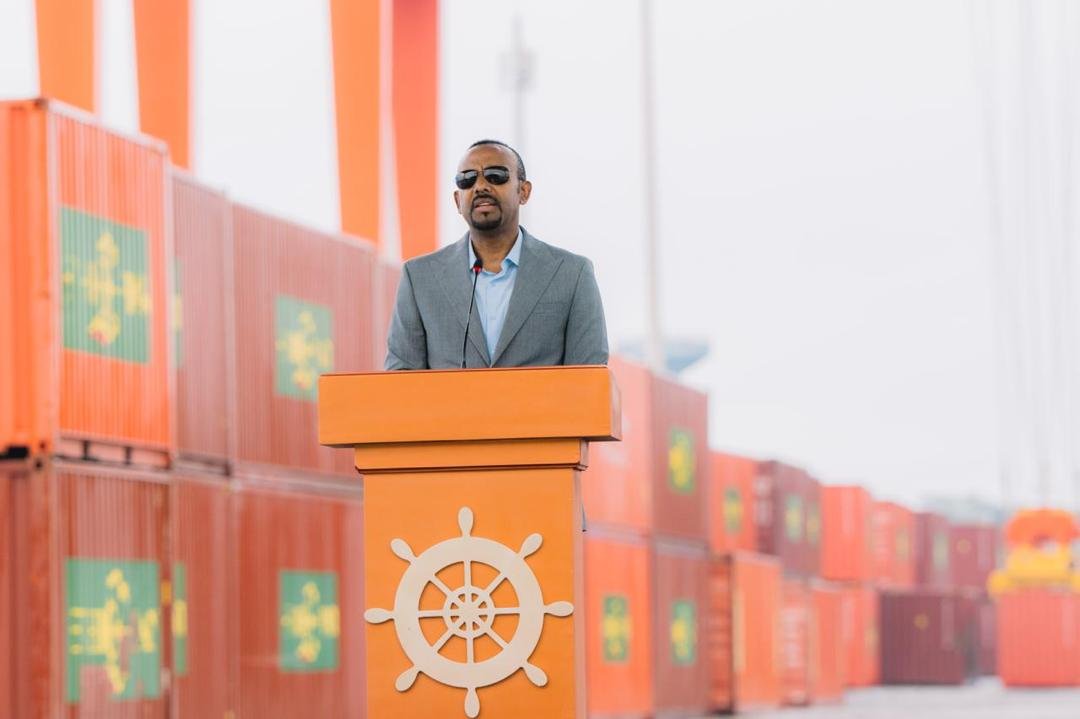
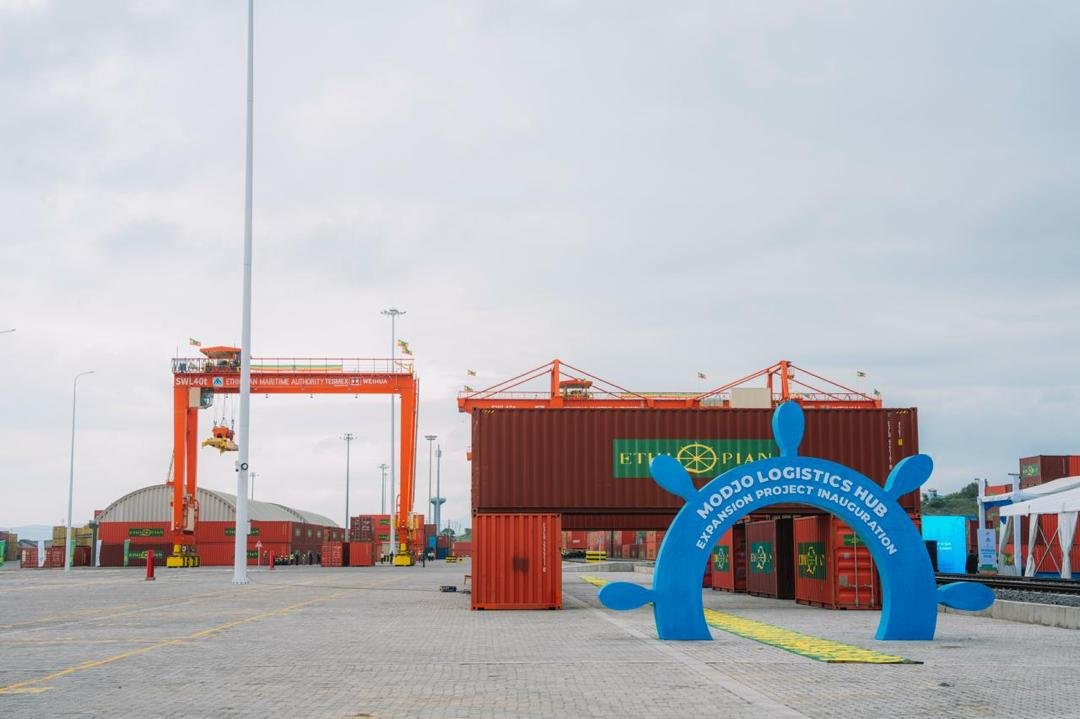
Today in Mojo, we inaugurated the first phase of a modern logistics center expansion, a 60-hectare hub set to play a major role in making the #AfCFTA a success for Ethiopia and the continent. With capacity for up to a million 20ft containers a year, it enables domestic packaging of dry bulk cargo, saving foreign currency and creating jobs for our citizens, powered by the country's first-ever Rail-Mounted Gantry crane.
Fully digital and part of the DESSU Corridor linking Ethiopia, South Sudan, and Uganda, this milestone strengthens our place in global logistics and opens a new chapter in regional economic integration.
#EthiopiaDelivers
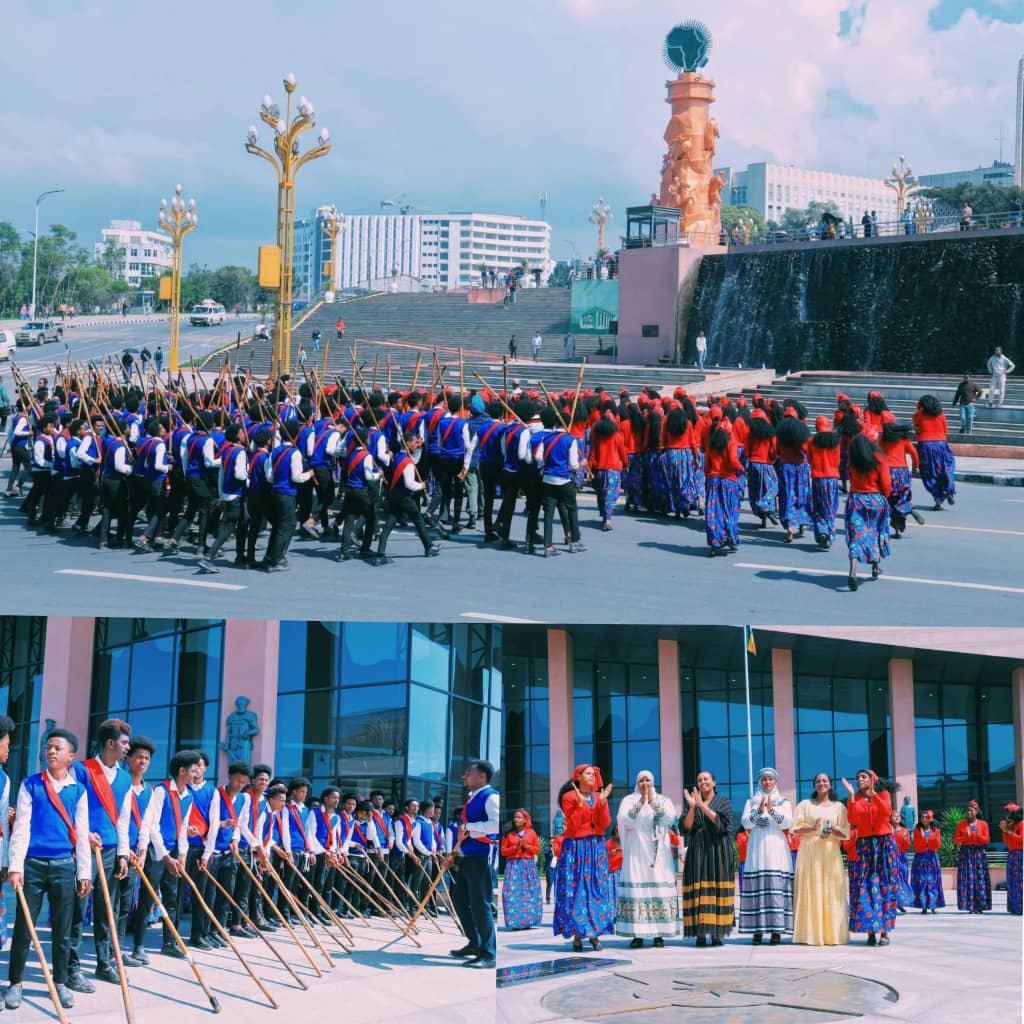
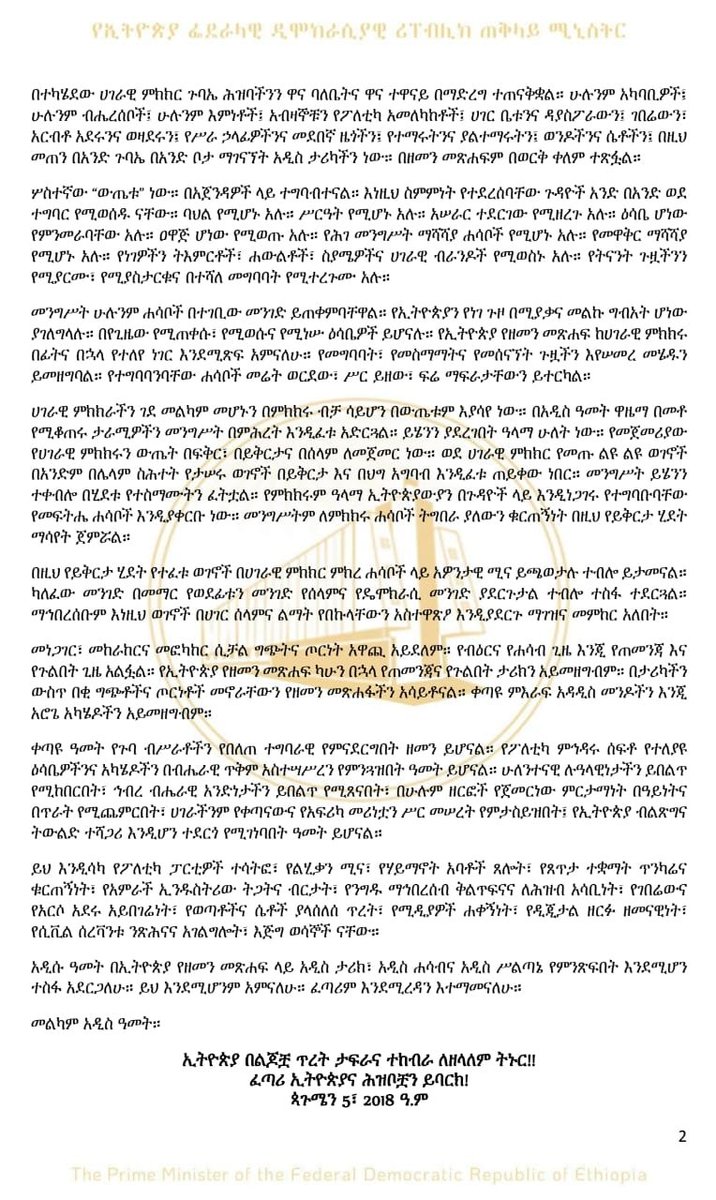
🇪🇹 A New Year. A New Renaissance.
TIME Africa presents the Grand Ethiopian Renaissance Dam as more than Africa’s largest hydropower project. Built largely through the sacrifice and determination of Ethiopians at home and abroad, it is proof that Africans can finance bold dreams, build at scale, and turn shared resources into shared prosperity.
GERD can be more than a dam. It can be a bridge connecting Ethiopia, Sudan, Egypt, and the wider region through clean energy, economic interdependence, and cooperation.
As Ethiopia welcomes 2019, may we choose bridges over walls, hope over division, and collective progress over conflict.
May this be a year when our unity becomes our greatest power and Ethiopia’s renaissance helps illuminate Africa’s future.
እንኳን ለ2019 ዓ.ም. አዲስ ዓመት በሰላም አደረሰን! 🇪🇹
Read the TIME Africa article: https://t.co/OuWkkHKdyj