Check out our @WNicholsonPrice & @CohenProf book chapter on liability for use of AI in medicine in this fantastic research handbook on health, AI & the Law @ProfBarrySol https://t.co/Vk77EY43aE
I have a strong recollection of a study showing that #medicalAI studies (or devices) typically didn't report demographics of their data, and that the ones that did were biased. But I can't find it. Anyone know what I'm talking about?
AI is touted as a gamechanger for drug development across the whole cycle. Is it?
@LCDruedahl @AmeetSarpatwari, @TiMinCeBIL, & I find...maybe?
Modest use, mostly in earlier discovery stages. Lots of potential left!
@JAMANetworkOpen https://t.co/rE6CXPV9HR
#AI#drugs
🌟 Reflecting on Our "Current Ethical and Legal Issues in Medical AI" Seminar! 🌟On June 17, 2024, #CeBIL and https://t.co/Lnkf4wSWK6 explored key topics in medical AI: ethics, law, case studies, and collaboration. Thanks to all participants! #MedicalAI#Ethics#Law#Innovation
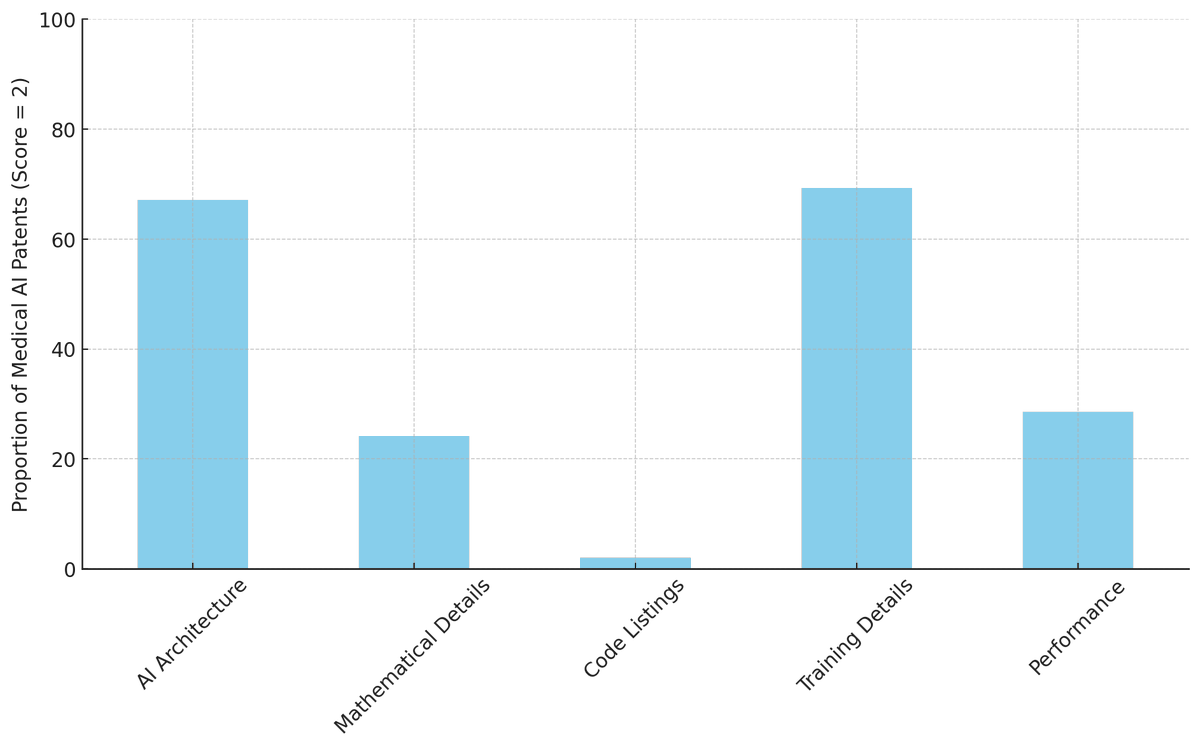
Hot off the press in @NatureBiotech "The Sufficiency of Disclosure of Medical AI Patents with @WNicholsonPrice@CeBIL_Center@cambridgelaw. Full text at: https://t.co/76Y5Z3VZ5q or https://t.co/hgGg7htY5s
(1) To what extent are medical AI patents disclosed? How does this level of disclosure compare to the standards required in peer-reviewed journals publishing medical AI articles? (2) How does it compare to the legal standards? (3) What policy implications follow from the observed disclosures with medical AI patents?; and (4) How can we improve the quality of patent disclosures for AI-related inventions to enhance their ‘public value’?
@profallentweets @ana_bracic @SLCallier @ScienceMagazine And Sharona Hoffman & Andy Podgurski have a nice discrimination piece in @YJHPLE: https://t.co/grZh4hzPn6.
@profallentweets Khiara Bridges has a nice piece out in UVA Law Review recently (my JOT review: https://t.co/7hgy3hoA34). I've got some stuff, including this w/ @ana_bracic & @SLCallier in @ScienceMagazine: https://t.co/PYJHhMpn8X.
Khiara Bridges of @BerkeleyLaw has a great new piece laying out bias in medical AI used in maternal care—& making the surprisingly radical suggestion that it should be addressed through wide-ranging informed consent.
My @ireadjotwell review: https://t.co/7hgy3hoA34
#medicalAI
When a patient gets injured, who SHOULD be liable? (not who *is*, that's another thing).
@cohenprof and I have thoughts!
(spoiler: it's hospitals, with a huge caveat!)
Final version in DePaul Law Review out now:
https://t.co/tti4Ojot0N
#ai#liability#medicalai
Particularly proud of this @JAMANetworkOpen piece funded by @genome_gov where we asked 294 genetic researchers whether they are currently using data from diverse ancestral groups, why or why not, and how data stewards can encourage that use? 1/
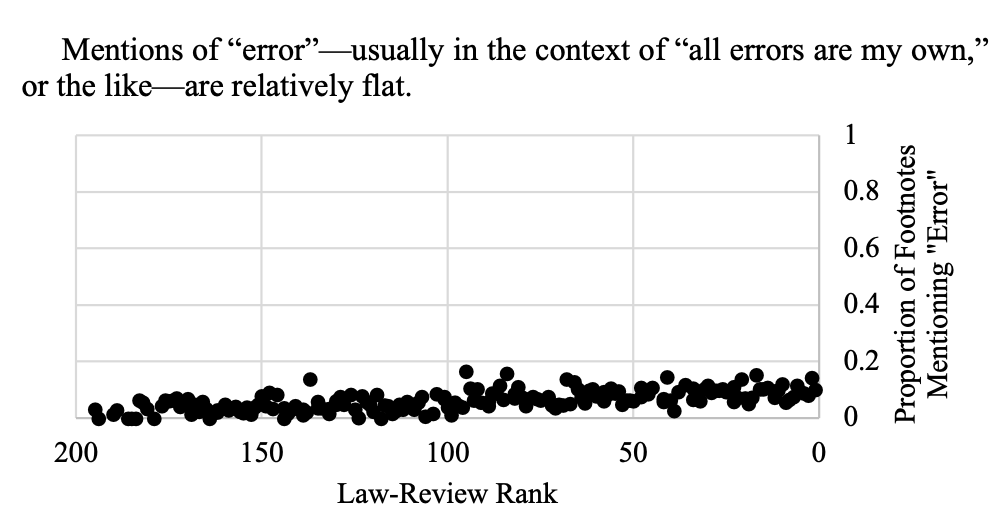
The final version of @WNicholsonPrice & my paper Locating Liability for Medical AI https://t.co/j5SIBPRCpd part of the @DePaulLaw Review Clifford Torts symposium is now out. The paper is about how to allocate liability between hospitals and developers for medical AI errors.