@JeremyKonyndyk@CGDev@unlockaid hey @JeremyKonyndyk see this statement we published last night to clarify these data about the share of funding that is going directly to local groups and to show how it's been mischaracterized https://t.co/adQA5vD5Ht
Hi @elonmusk. Thanks for the mention. I haven't had my phone blow up like this ever.
@USAID does a lot that's good for national security. But there's also ways it should be improved. Here are 5 quick ideas:
- Cut reliance on expensive middlemen
- Turn back on programs like @PEPFAR & @PMIgov where people's lives are at stake
- Transition aid programs to countries & drive economic growth
- Leverage technology & innovation to solve problems at lower costs.
We've done the homework to show how to do this. When can we meet?
The U.S. has long been one of the world’s largest foreign aid donors. But in recent years, its effectiveness has been questioned by a chorus of critics who say the impact of assistance programs falls well short of their intended goals. https://t.co/di7gEZ7alS
🔁 Big changes are coming to U.S. foreign aid. Here's our roadmap for reform.
With a new administration on the horizon, many in the global development community are concerned about potential cuts to the top-line foreign aid budget.
But the moment also presents us with a window of opportunity to enact transformational and long-overdue changes to improve the quality, sustainability, and the impact of U.S. global development spending.
Today, we're sharing 10 concrete ideas for the incoming Trump Administration to:
✅ Shift from aid to sustainable economic growth
✅ Break up big aid industry monopolies
✅ Focus on results, not process
✅ Replicate Operation Warp Speed's success
✅ Scale what works
✅ Bring innovations from around the world to the U.S.
✅ Cut visa wait times from years to hours
Whether you work in government, philanthropy, the private sector, or at a nonprofit, these changes will affect how the U.S. invests $60B+ annually to solve global challenges.
Link to full analysis in comments 👇
📣 This week, we’re releasing Glassdoor for Primes, a first-of-its kind industry report providing insights into the business practices of 26 of the largest U.S. government contractors in global development, humanitarian response, and U.S. foreign assistance.
❓Why this report?
U.S. foreign assistance spending is highly concentrated. In a typical year, just 10 aid industry contractors take home more than 50% of every contract dollar spent by America's premier aid agency @USAID. Just 25 organizations capture more than 60% of all agency spending, including grants and contracts. Typically, the only way for more innovative firms or local organizations to work with an agency like @USAID is as a subrecipient to one of their largest contracting partners.
This report captures survey data regarding how the biggest prime contractors in global development and humanitarian response work with local groups and social innovators, based on survey data from the subrecipients themselves.
🔎 What we learned
Business practices vary widely across large U.S. government prime contractors. While a few organizations received high marks, particularly a few international NGOs, most aid industry contractors did not.
On average, prime contractors disbursed to subrecipients just 59% of of what they promised, and nearly 80% of respondents reported funding delays, some lasting more than a year. Subrecipients also expressed concerns about how large prime contractors used their intellectual property.
🏫 No matter your role in the ecosystem, the report includes recommendations for you.
We’d love to hear what you think. A link to download the report is in the comments. What stood out to you?
📣 Exciting news for the future of U.S. global development 🌎
Last week, U.S. Senators @ChrisCoons & @PeteRicketts announced their plans to introduce bipartisan legislation to “transform” the future of global development, prioritizing investments in sustainable economic growth, innovation, and local partnerships.
This legislation could be a very big deal, representing a sea change in the way the United States invests globally, and modernizing how the U.S. approaches issues like energy access, pandemic preparedness, and digital inclusion.
Take a look at their announcement in the comment below, along with our analysis. Stay tuned for updates. And let us know what you think. 👇
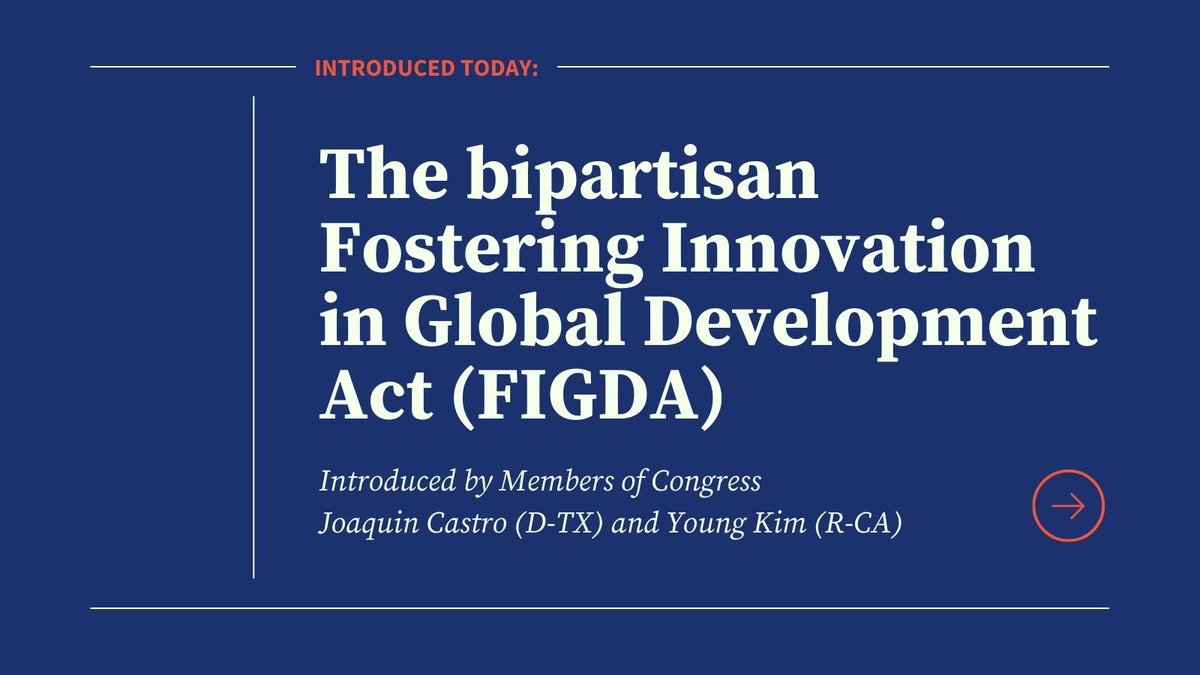
We loved hearing @PowerUSAID talk about the potential of @JoaquinCastrotx & @RepYoungKim's FIGDA legislation to change the way @USAID identifies and scales entrepreneurs' & social innovators' solutions to the hardest problems in global development.
Learn more about the FIGDA👇
America’s aid agency is undergoing an organisational reboot, is making itself more accessible and is shaking up its relationship with big intermediaries https://t.co/5hpQaSok58
We hit the campaign trail last week to rally the Congressional support we need to build a new model for global development.
Read more 👇
https://t.co/9luuJocF52
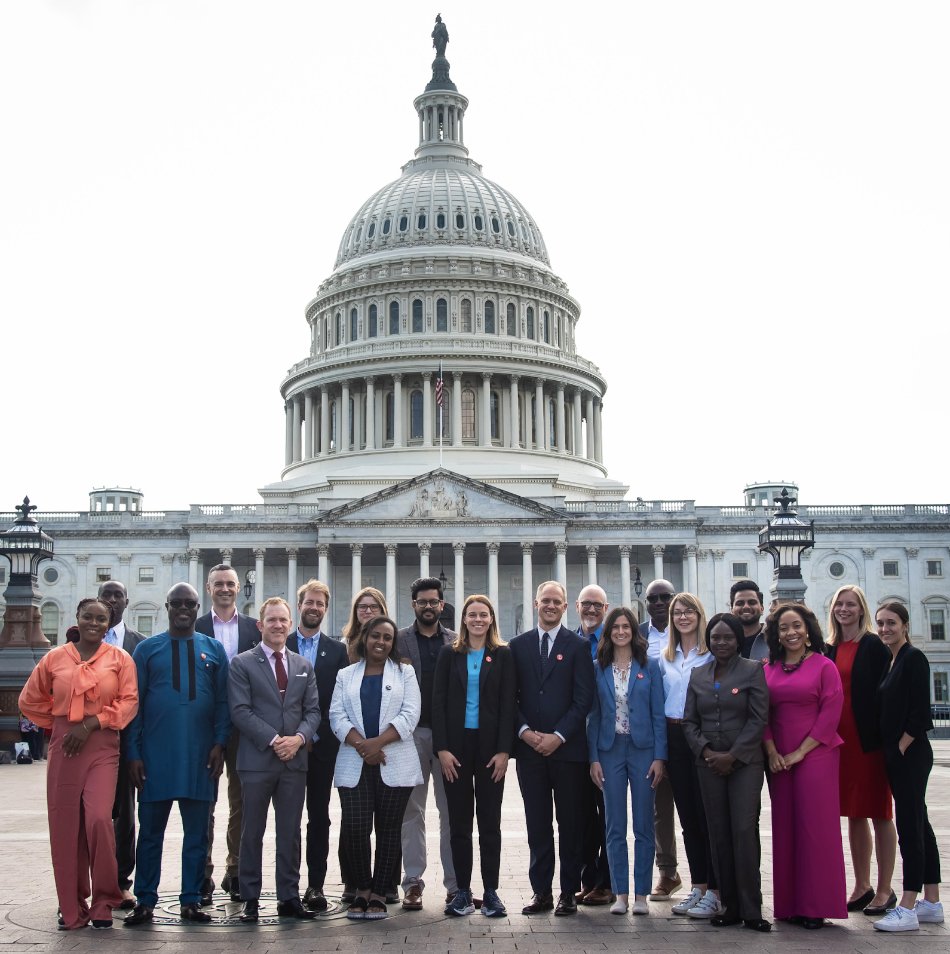
Last week, dozens of social innovators from around the world traveled to Washington, DC to meet with U.S. lawmakers.
Our ask was clear: we need your help to ensure local and frontline organizations can access public resources to achieve the #SDGs by 2030.
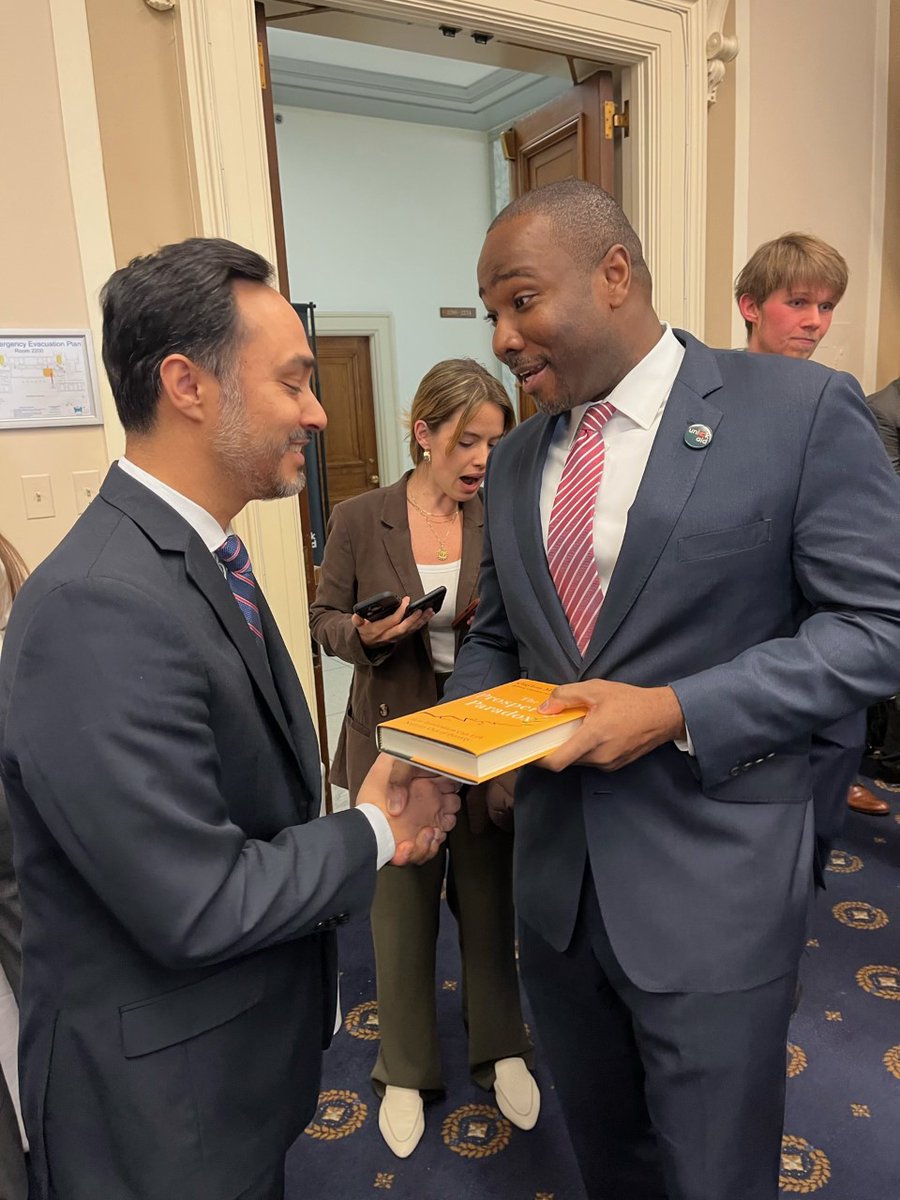
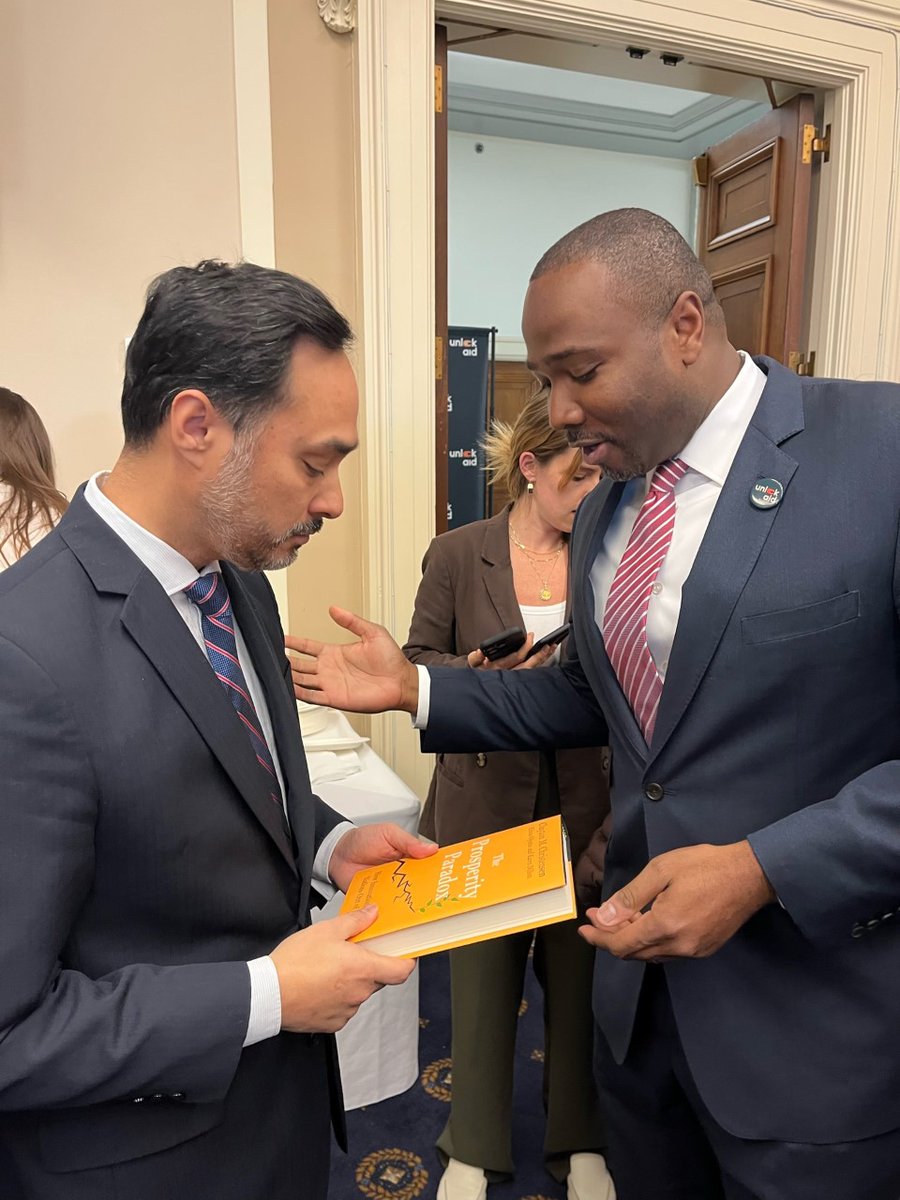
I presented a bit about our work in the halls of Congress. I also handed a copy of our book to Congressman Castro @Castro4Congress.
The event was organized by the brilliant folks at @unlockaid. They are one of the most consequential development organizations around. Look them up
FIGDA would create a funding pathway to scale the most effective innovations in global development, whether incubated inside or outside of @USAID.
Great read by @dylanmatt on the big potential of @RepYoungKim & @JoaquinCastrotx's bill. 👏
https://t.co/Lil22tFHdO
We are proud to support the introduction of the Fostering Innovation in Global Development Act - legislation from @JoaquinCastroTX and @RepYoungKim that will help @USAID harness the power of the private sector to deliver effective, evidence-based foreign aid.
#innovatingtogether
Today, we’re launching an 18-month campaign to reform the way the US partners with countries around the world to achieve the Sustainable Development Goals by 2030. We need you to get involved.
👇👇
https://t.co/aW8OXVBV9b
"The most substantial gap right now between what countries are asking for and what we provide is in the economic growth domain." – @PowerUSAID
Countries keep telling the United States they want to go "from aid to trade."
Congressman @RepChuck asks @PowerUSAID about the agency's pending set of $17 billion global health supply chain contracts.
@USAID has the opportunity to use a portion of this money to model that new, more market-based and sustainable development approaches are possible.
Congress & @PowerUSAID rallied for big foreign aid reforms this week, including to call for:
1. Faster progress on transitioning models from "aid to trade"
2. More tech & innovation to solve problems
3. Follow through on big reforms & shifting more resources to local players