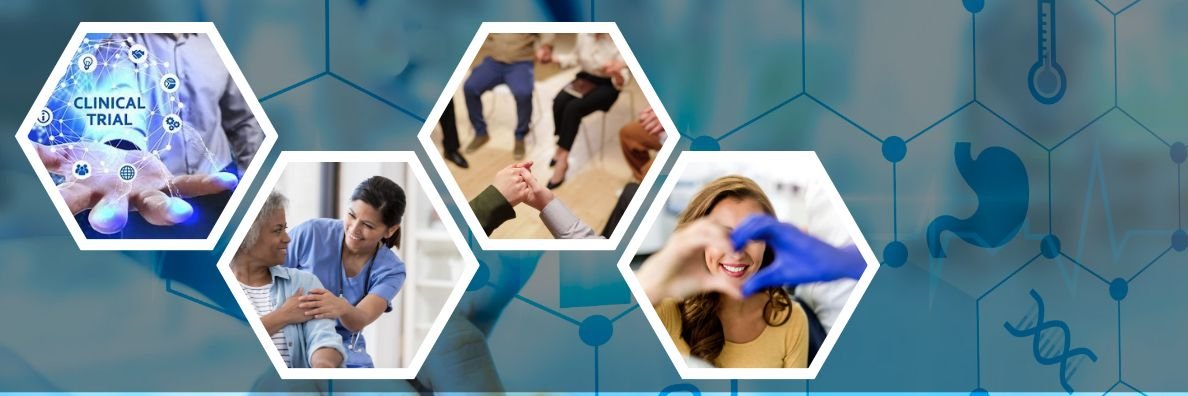
Integrating Patient Centricity into your Clinical Trial with WeHealth
WeHealth is reinventing the way clinical trials engage with patients by putting communities in the driver’s seat. In this article, we'll discuss how our platform makes it easy for trial sponsors to quickly adopt patient-driven engagement strategies that improve trust and retention, increasing randomization rates while lowering the burden on coordinators.
Our Approach Starts with the Patient, Not the Trial
We begin by identifying patient communities within the geographies most relevant to each clinical trial. This allows us to tailor our outreach to the specific demographics and locations that are crucial for the study's success. We identify patient ambassadors within each community, who we train to use active listening in their interactions with patients, letting them dictate the course of their health journey.
Once we establish a foundation of trust and understanding, we connect peers within these communities who have complementary needs or experiences. We find that creating groups of 3-10 patients facilitates the formation of strong, supportive social ties. These ties often extend beyond digital interactions into meaningful real-world connections. By nurturing these relationships, we cultivate a robust community fabric that motivates patients to share their experiences and knowledge within and beyond their immediate networks.
This cultivation of grassroots ties is especially effective in reaching underserved patient populations. These are often communities that traditional, centralized medical and advocacy channels fail to engage due to geographic, socioeconomic, or cultural barriers. Our patient-led campaigns resonate within these communities because they are built from within, empowering every patient as an advocate.
Integration of Clinical Trials into the WeHealth Platform
Our adaptive screeners help patients discover relevant resources. When we partner with clinical trials, we incorporate their eligibility criteria, ensuring that only qualified patients see content for that trial. This selective visibility enables us to maintain the natural flow of patients seeking resources and build trust, as patients are not bombarded with irrelevant options. Instead, they encounter trial opportunities organically, when they align with their health needs.
This streamlined approach increases the likelihood that patients will proceed to the consent phase. They're already seeking help or information related to their condition, and presenting them with a trial at this point feels like a natural next step, not an intrusion. This integration respects the patient's journey and context, enhancing engagement and trust.
Randomizing After the Referral
Once we successfully implemented our system to connect patients with clinical trials, the randomization process became a new bottleneck. To address this, we created a dashboard to efficiently track and manage referrals, enabling trial coordinators and sponsors to see a clear and current view of the recruitment funnel, driving accountability and strategic alignment.
We leverage AI-powered templates and suggestions, derived from what’s worked in previous studies to optimize communication and ensure that patients don’t fall through the cracks. By automating many repetitive tasks involved in participant management, our platform allows coordinators to focus on patient calls, improving both the speed and quality of recruitment.
We also understand that each clinical study has its distinct challenges, which is why our agile software development team collaborates closely with trial sponsors from the outset. This partnership approach allows us to create customized features on demand, ensuring our platform swiftly adapts to optimize recruitment strategies and data handling for any study.
Enhancing Trial Efficiency with Expert Coordinators
We also understand that the success of clinical trials often hinges on the effectiveness of the coordinators overseeing them. To address this, WeHealth has invested heavily in building a robust internal coordinator system that leverages both technology and human expertise.
Our coordinators are GCP-certified and trained extensively in using our dashboard to its fullest potential. This training ensures they are adept at managing participant interactions, maintaining high engagement, and moving potential candidates through the recruitment pipeline. Many of our coordinators are promoted from within our ranks of patient ambassadors. Their own patient experience equips them with unique insights into the needs and concerns of prospective trial participants, enabling them to engage more compassionately.
This dual emphasis on technical proficiency and empathetic communication is critical to our success. Our coordinators are trained to screen and enroll patients as well as consent, significantly reducing the workload on clinical site staff. By handling these preliminary stages, our coordinators ensure that only the most suitable and willing participants reach the clinical sites, thereby streamlining the entire trial process.
Leveraging Metrics to Enhance Trial Performance
We recognize the importance of data-driven decision-making in clinical trial management. To facilitate this, we offer a suite of metrics that provide sponsors with deep insights into the performance of their trials across different sites and individual coordinators.
Our analytics dashboard offers real-time visibility into eligibility statistics, enrollment rates, participant retention, and the efficiency of communication strategies. This level of granularity allows sponsors to quickly identify which sites are performing well, and which may require additional support. It also helps pinpoint the effectiveness of individual coordinators, highlighting best practices and areas for improvement.
Moreover, our metrics can reveal patterns and trends that may not be immediately apparent, enabling sponsors to make proactive adjustments. For example, if a particular recruitment message is performing exceptionally well at one site but not at others, sponsors can analyze and replicate successful strategies across the board. If certain coordinators are achieving higher consent rates, their techniques can be modeled and shared with other team members.
This focus on metrics and continuous improvement is fundamental to our commitment to making clinical trials more efficient. By providing sponsors with actionable insights, we empower them to optimize their trials, ensuring they not only meet but exceed their recruitment goals. Ultimately, our metrics help build a more transparent, accountable, and results-driven approach to clinical trial management, benefiting sponsors, coordinators, and participants alike.
Redefining Clinical Trial Recruitment with WeHealth
WeHealth complements traditional outreach with a peer-to-peer approach that goes beyond engaging the same “usual suspects” who are most responsive to the research community. This strategy bridges the gap between personal experiences and structured initiatives, creating additional pathways that reach deeper into the patient community. This approach uncovers new voices, broadening engagement and enhancing recruitment impact.
Our platform seamlessly integrates with existing trial frameworks, enabling sponsors of all types to tap into this patient-centric approach. By tailoring solutions to each trial’s specific needs, we ensure flexibility and enable sponsors to hit the ground running. Detailed metrics provide transparency, allowing sponsors to track progress and refine strategies for optimal outcomes. WeHealth is dedicated to transforming clinical trials into more inclusive, effective, and truly patient-centered experiences.
Clinical Trials Need More Diversity—Here’s Why It Matters
Did you know that many clinical trials still don’t reflect the diversity of the communities they aim to serve?
This can lead to gaps in research and treatments that don’t fully address the needs of underrepresented groups.
💡 When clinical trials are diverse, we get:
✔️ More accurate data that represents different populations
✔️ Medical advancements that consider a broader range of patient needs
✔️ Stronger trust between patients and the medical community
At WeHealth, we ensure research is patient-centered, inclusive, and reflective of real-world populations—because better data leads to better care.
How can we work together to bridge this gap?
#ClinicalTrials #HealthEquity #PatientCenteredResearch
Facing challenges with clinical trial recruitment? 🌟
🚀WeHealth redefines the process with a peer-to-peer approach, bringing fresh voices and diverse experiences to the forefront.
ℹ️ By expanding outreach beyond the typical channels, we create stronger connections within patient communities and boost recruitment success.
🎯Ready to transform your approach?
Let’s get started. 🚩
#ClinicalTrials #WeHealth #PatientFocusedCare
Dr. Travis Craddock designs disease-specific brain models to understand conditions like Gulf War Illness, an approach that’s changing the landscape of medical research.
Watch the podcast, hosted by @hayliepomroy. https://t.co/a1wPZA5OX5
#brainhealth
There are many reasons why the Anthrax and other vaccine injuries were not included in the initial Gulf War Illness protocol. However, since our advocates have been fighting to bring awareness to this issue. The VA has now added vaccines as part of four categories that cause GWI
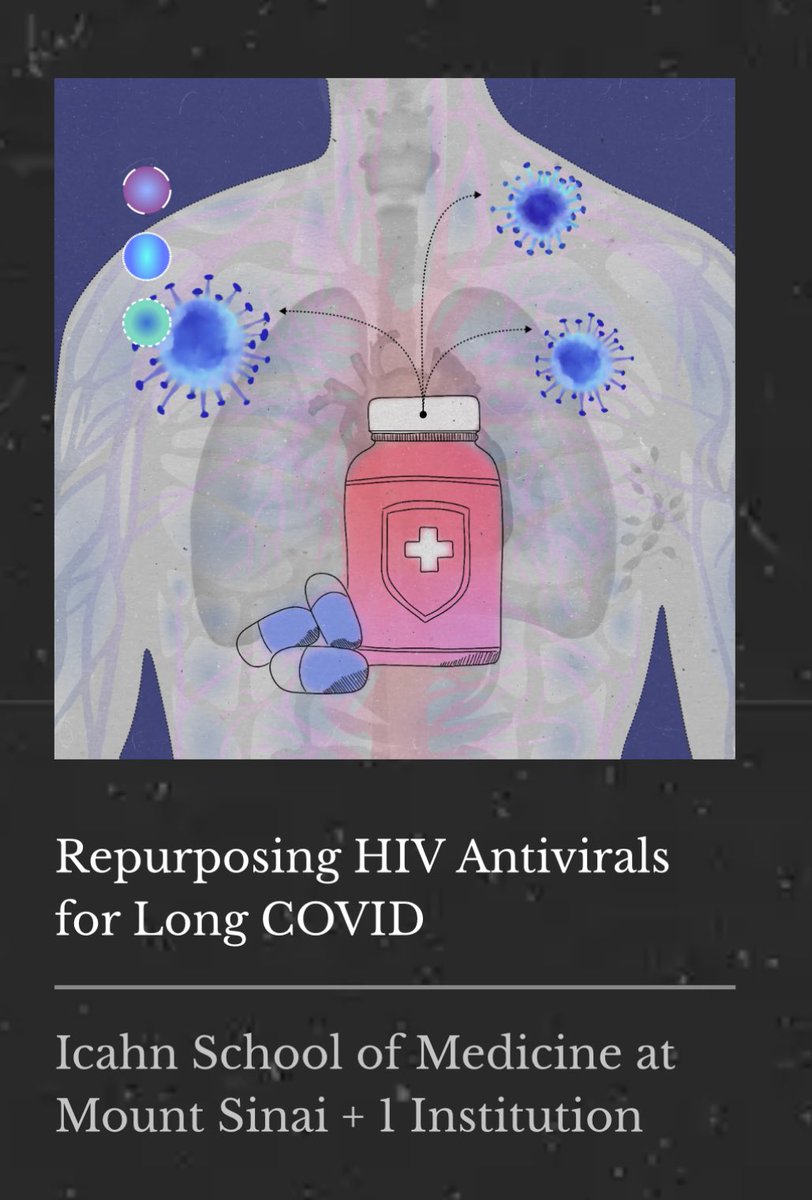
Polybio is supporting several trials of potential #LongCovid treatments. Working with @PutrinoLab & @CoRESinai, Polybio President Dr. Amy Proal is spearheading an investigation of repurposed HIV antivirals Truvada & Maraviroc for treatment of LC, targeting viral reservoirs
🔥🔥 NEW 🔥🔥
Year In Review: Top Infectious Diseases Articles From 2024
Our new post, a great collaboration with my friend
🌟 @IDstewardship
1️⃣6️⃣⚡️🆔 RCTs
@JAMA_current@TheLancet ✨
7️⃣Syst Reviews/Meta
3️⃣🌏Guidelines
@Wiki_Guidelines ✨️
#idxposts
https://t.co/8YWtXqoyrx
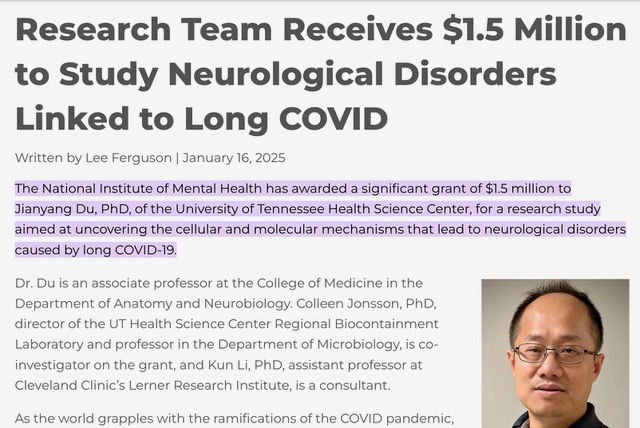
University of Tennessee: 'Research Team Receives $1.5 Million to Study Neurological Disorders Linked to Long COVID'
The National Institute of Mental Health has awarded a significant grant of $1.5M to Jianyang Du, PhD, of the University of Tennessee..
https://t.co/nggMPkq3Dm.
With host @hayliepomroy, Dr. Anthony Komaroff expounds on the various triggers of #MECFS, such as infections, physical trauma, and Gulf War Illness.
Catch the full podcast here. https://t.co/tI6bYyo4kN
#chronicillness
Sauna vs Pesticides/Chemicals:
Promising RCT showing that the Hubbard Detox Program: jogging + sauna + niacin/supplements improved 11/16 markers of health for Gulf War Illness Veterans affected by toxic exposure to pesticides and chemicals.
Key Components of the Hubbard Detox Program:
- Exercise: Participants perform light aerobic exercise, such as jogging or treadmill walking, for about 20–30 minutes daily. Purpose: Stimulates circulation and promotes the mobilization of fat-stored toxins.
- Sauna Therapy: Daily sessions in a sauna, lasting several hours (up to 2-4 hours) with breaks in between.
Purpose: Induce sweating to eliminate fat-soluble toxins through the skin. Participants are encouraged to hydrate frequently and monitor electrolyte balance during sauna use.
- Niacin (Crystalline Nicotinic Acid):High doses of niacin (a form of Vitamin B3) are administered, starting from low doses and gradually increasing over time. Purpose: Promotes lipid metabolism and triggers a "niacin flush," which may help release toxins stored in fat tissue.
- Supplementation: A variety of vitamins, minerals, and oils are provided to support detoxification and replenish nutrients.
- Hydration: Participants consume plenty of water and electrolyte drinks throughout the program to prevent dehydration and maintain electrolyte balance.
Enhance Patient Relationships with WeHealth
👉 Effective engagement starts with understanding.
👉 WeHealth’s platform allows you to create personalized, meaningful interactions that build trust and foster loyalty among your patients.
Empower Your Patients with a Supportive Community
👉Reach out to us and learn more about how we can help you engage and transform every patient interaction into a powerful step toward stronger, more meaningful connections.
Struggling to Connect with Patients?
💬 Connect with patients effectively using WeHealth’s patient engagement platform.
Simplify communication and improve patient experiences.
Our tools help you foster better interactions and strengthen patient relationships.
🔗 Start Improving Your Patient Engagement Today #WeHealth #PatientEngagement #HealthcareCommunication #PatientExperience #ResearchSupport
For anyone with MECFS or long covid this is worth a watch. It is an in-depth analysis of the latest research on the conditions and cites a number of different researcher's results.
Congratulations to NCNED researcher Ms Etianne Martini Sasso who submitted her PhD Thesis yesterday! 🎉🎉
Etianne’s Thesis examined TRPM3 ion channel function in the pathogenesis of #MECFS, #LongCOVID and #GulfWarIllness and Naltrexone as a potential treatment.
#GriffithUni
🌱 Empower Patients to Connect with Your Health Initiatives
Build Meaningful Connections 🖇️
WeHealth is here to help you empower your patients.
By connecting them directly to your health initiatives, you can foster a deeper sense of belonging and ensure they feel supported every step of the way.
Join WeHealth and Build Your Community Today!⚒️
🔗 Don’t just communicate—connect.
Let’s build a supportive and engaged patient community together.🤝
Discover Patient-Driven Recruitment
🎯Transform Patient Engagement with Instant Communication
➤ Overcome response delays and connect patients directly to your programs with a WeHealth Patient Engagement Campaign.
➤ When you empower patients to take the lead, you not only boost recruitment efficiency but also build a more connected and committed patient community.
📌 Learn More About WeHealth’s Patient-Driven Advocacy Campaigns
➤ Ready to revolutionize how you engage with patients?
➤ Discover how WeHealth can help you build meaningful connections and engage patients more effectively.