Algorithm 2.0: EASO Pharmacological Framework for Obesity Management
✔️ Helps clinicians match pharmacological obesity management to an individual’s health needs, moving beyond weight loss alone to consider complications, mechanisms & treatment goals.
https://t.co/289FP5r93D
EASO plays a pivotal role as a dissemination partner and in shaping the strategic direction and policy development across various EU-funded research projects, including Horizon 2020 and Horizon Europe initiatives.
https://t.co/mdboVMFIR6
MASH is a systemic immunometabolic network disorder. New commentary highlights how GLP‑1–based therapies modulate the cardio‑hepato‑renal axis reprogramming disease biology.
https://t.co/2fhf8i8qWt
The 2026 CKM Syndrome Guideline outlines the four stages of CKM syndrome, highlights major risk factors & provides comprehensive recommendations for screening, prevention & treatment. Check out the top 5️⃣ key takeaways 👇.
🔎 Learn more: https://t.co/151GI2RUYc #CardiologyMag
This video shows the opening ceremony of the 2004 Summer Olympics in Athens, Greece, which marked the return of the Games to their historic birthplace. The ceremony combined theatrical performances, Greek cultural heritage, and a display of sporting unity, as thousands of athletes from 201 delegations made their entrance into the stadium.
The lighting of the Olympic cauldron marked the official start of the Games and celebrated the enduring legacy of the Olympic Games in the modern era.
Lisa Buchanan presented at #ECO2026 in Istanbul: The Role of Trauma in Obesity
She discussed the "More Than Weight" report, which explored the human, social, and economic costs of obesity, alongside the critical link between obesity and trauma.
#ECO2026
New recommendation: Semaglutide (Wegovy) can now be prescribed to help protect the heart, not just to manage weight: https://t.co/BH4w1kI4So
It's for adults who've already had a heart attack, stroke, or cardiovascular event and have a BMI of 27 or above.
The identification and prioritization of people at high risk for the complications of obesity could help to guide effective allocation of resources including pharmacological, dietary, behavioral or surgical interventions but is currently hindered by important challenges
https://t.co/2TnUPmqpTs @nature
HT @jasoncghalford
The American Heart Association mourns the passing of the legendary cardiologist Eugene Braunwald, M.D., widely recognized as one of the most influential figures in the history of cardiovascular medicine. Over seven decades, his work reshaped the understanding and treatment of heart disease, leading many to call him the father of modern cardiology.
Braunwald was a lifelong contributor to the American Heart Association, helping advance its research and scientific mission, and was honored with some of the Association’s highest honors for his lasting influence on cardiovascular care and research. His influence extended well beyond his own discoveries, as generations of Association‑supported investigators, clinicians and academic leaders were trained by Braunwald or guided by the clinical trial standards and mentorship models he helped establish.
https://t.co/ieZuHYMyOP
The Hook
Cardiology trials keep telling you "20% risk reduction."
But what if that same trial meant:
→ 1 in 50 patients helped (NNT 50)
→ 49 of 50 got zero benefit
Welcome to the greatest trick in clinical trials: Relative Risk vs. Absolute Risk. A thread 🧵👇
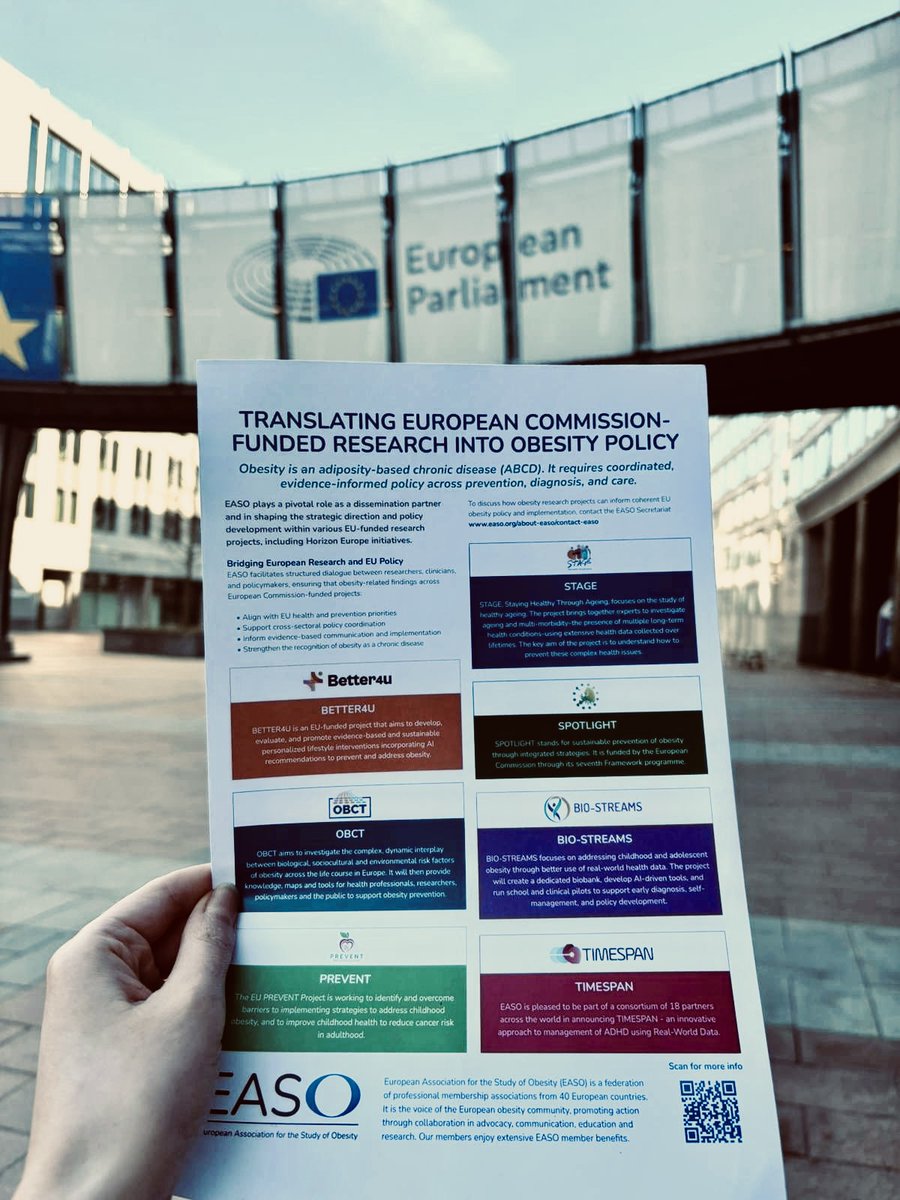
On #WOD2026, European research projects were shared at the EU Parliament in 🇧🇪 as examples of how obesity research can help bridge towards future EU policy development.
These consortia link new evidence, research priorities and Europe’s obesity policy agenda.
#WODEurope
Lipid-Lowering reduces risk of heart attacks/strokes in secondary prevention (people with a prior heart attack or stroke).
But what about primary prevention?
A recent meta-analysis reported some surprising findings.
https://t.co/v4W3ezZkat
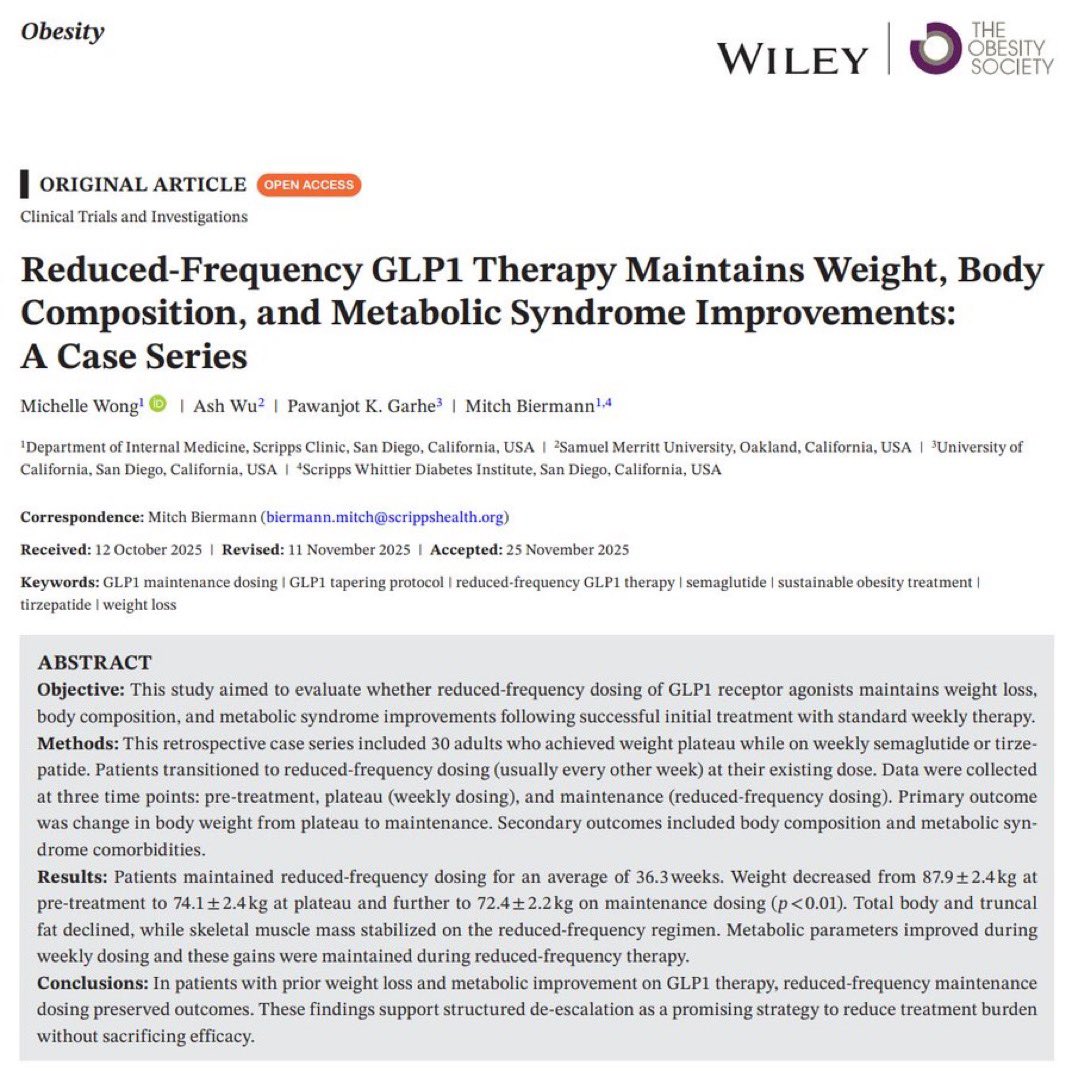
Patients who reduced frequency of GLP-1 dosing (from weekly to every other week) are able to maintain weight loss & metabolic syndrome gains, as reported here.
Findings suggest while large increases in GLP1 levels may be necessary to induce weight loss, more modest elevations may be sufficient to maintain it.
🔗 https://t.co/xQpQODbv5c
Breaking news! (There seems to be a lot of that in my world over the past 2 days.)
RCT of ketogenic diet vs. control diet for treatment-resistant depression.
Both diets resulted in improved symptoms, but the ketogenic diet was more effective.
https://t.co/qw6msMydzX