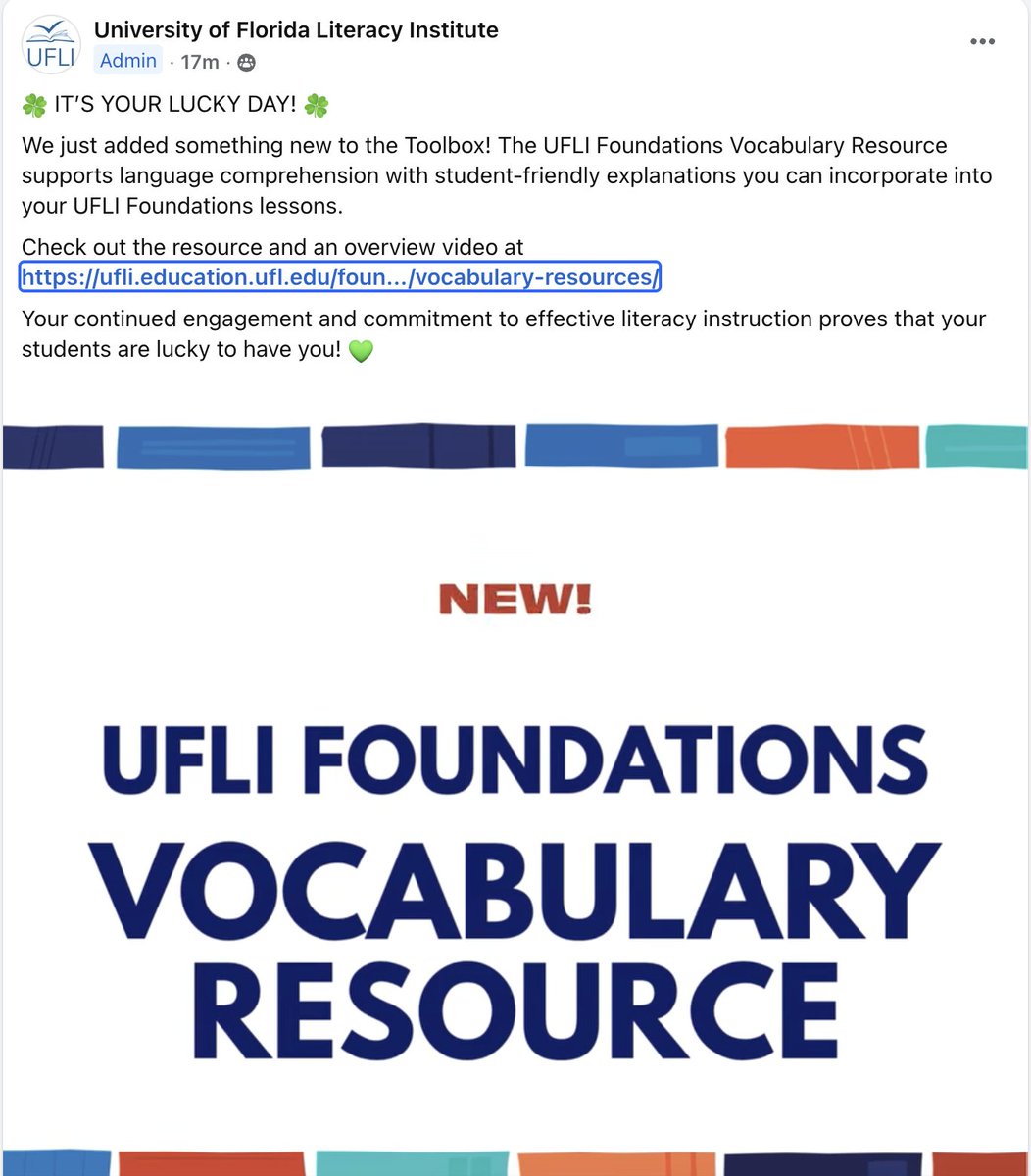
Great news for those using UFLI, an Intervention Placement Test has been released.
@UFLiteracy is really the gift that keeps on giving!!!
You can also go to their toolbox page and scroll to the bottom to find it.
In the meantime, here is a shortcut
https://t.co/AuKb5GvNtJ
Thanks to @HollyLanePhD and @burnsmk1 and their team for this wonderful addition to their already amazing program.
(The image is not a link.)
Every year we wait, the window narrows. Struggling readers don’t just fall behind—they lose confidence, curiosity, and hope. Early intervention isn’t optional. It’s crucial!!!
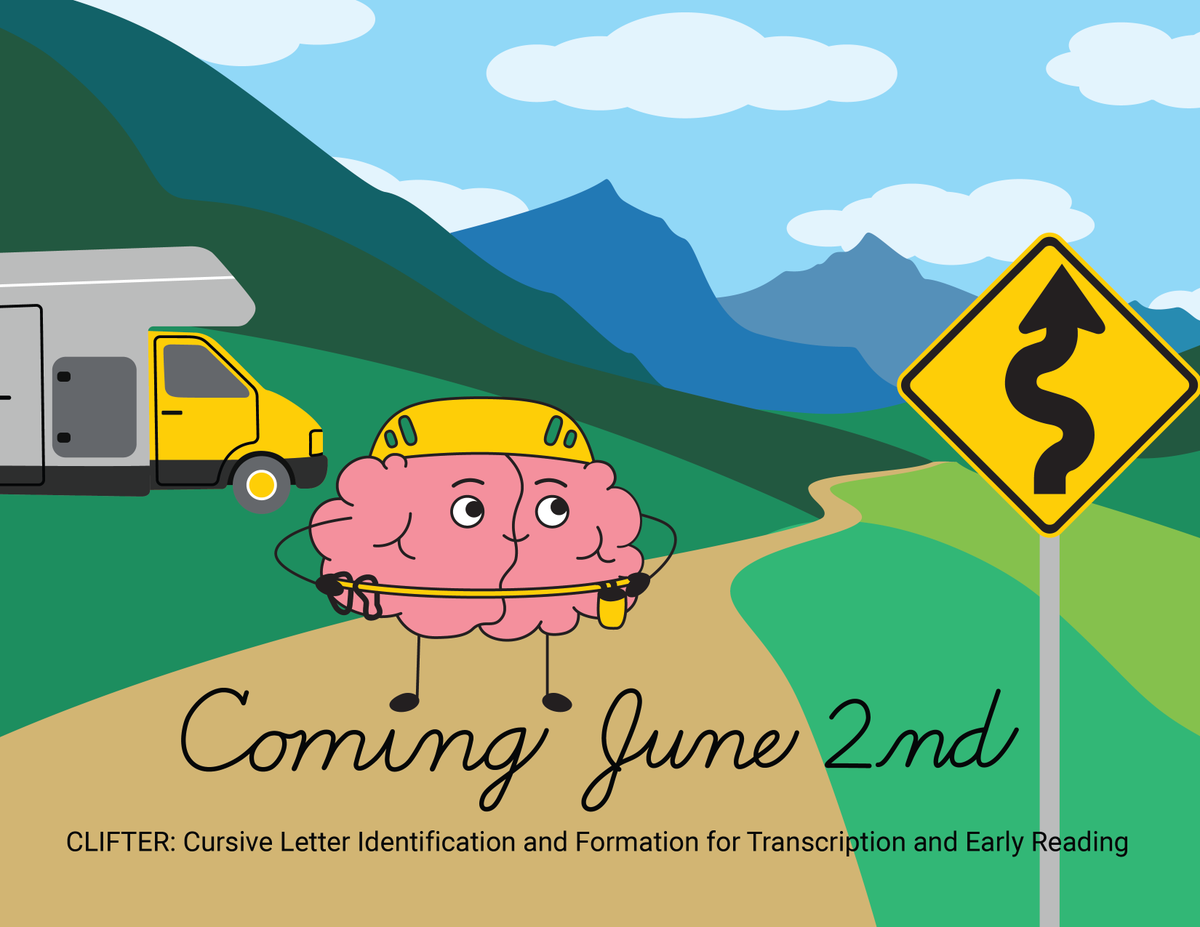
Introducing... CLIFTER, the all-new cursive handwriting instruction tool from the IRRC! 🎉 CLIFTER provides educators with flexible, easy-to-use materials for teaching cursive handwriting. Available now! https://t.co/KjY58PuuMm
To my friends using UFLI, check out this timer that can be used to support pacing:
https://t.co/48P2Zy6GpX
The app, Multitimer, is free in the App Store. It’s easy to use and provides a quiet alert to move on to the next step.
#UFLI#perkypacing
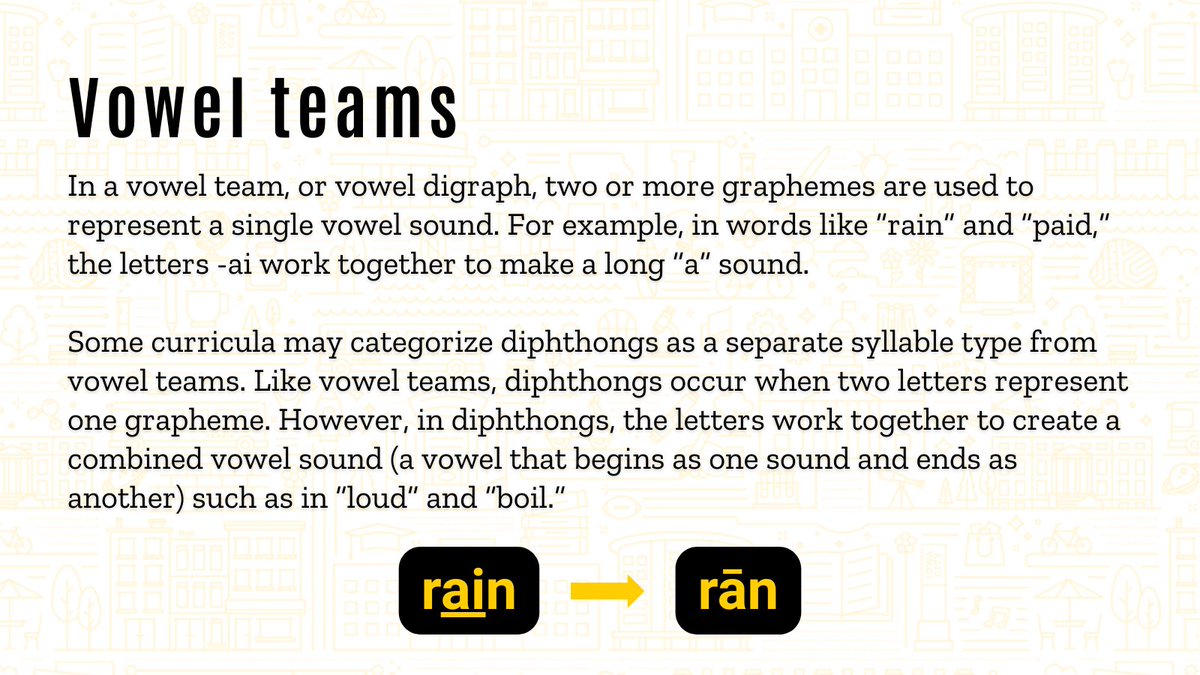
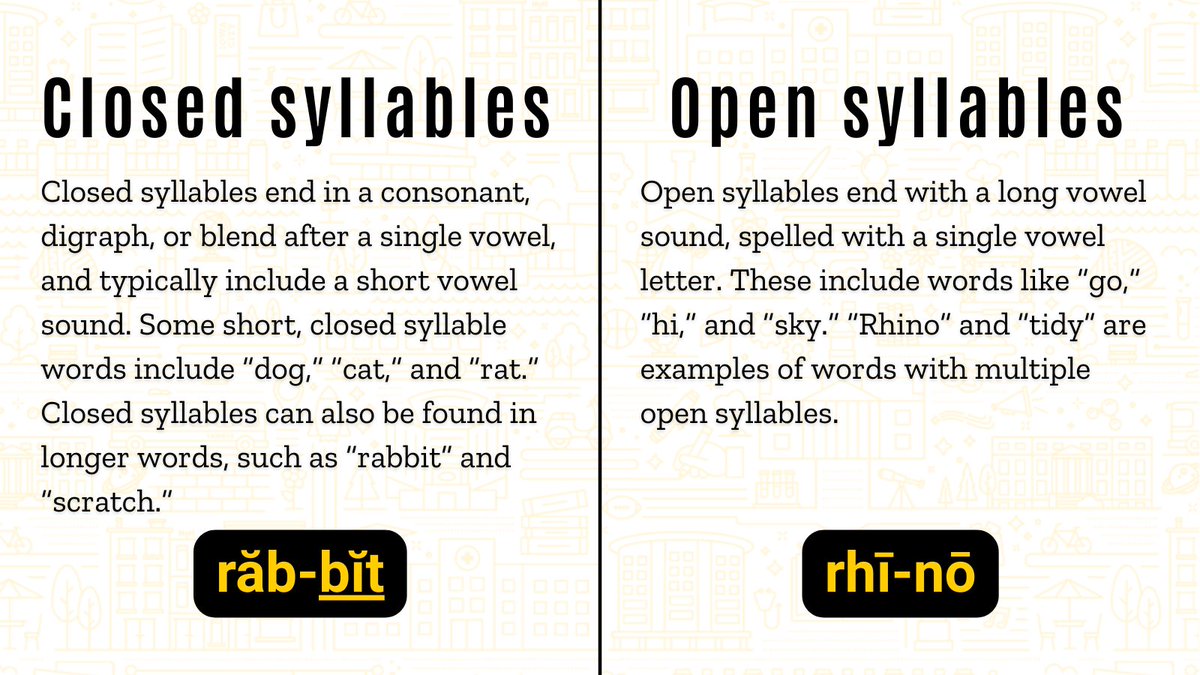
What are the six syllable types found in English orthography? Learn about syllable types, scope and sequence, teaching vocabulary with the POSSUM approach, and more through our “Teacher Tools for Universally Implementing Structured Literacy” eLearning module. https://t.co/1ZprPC0o5x
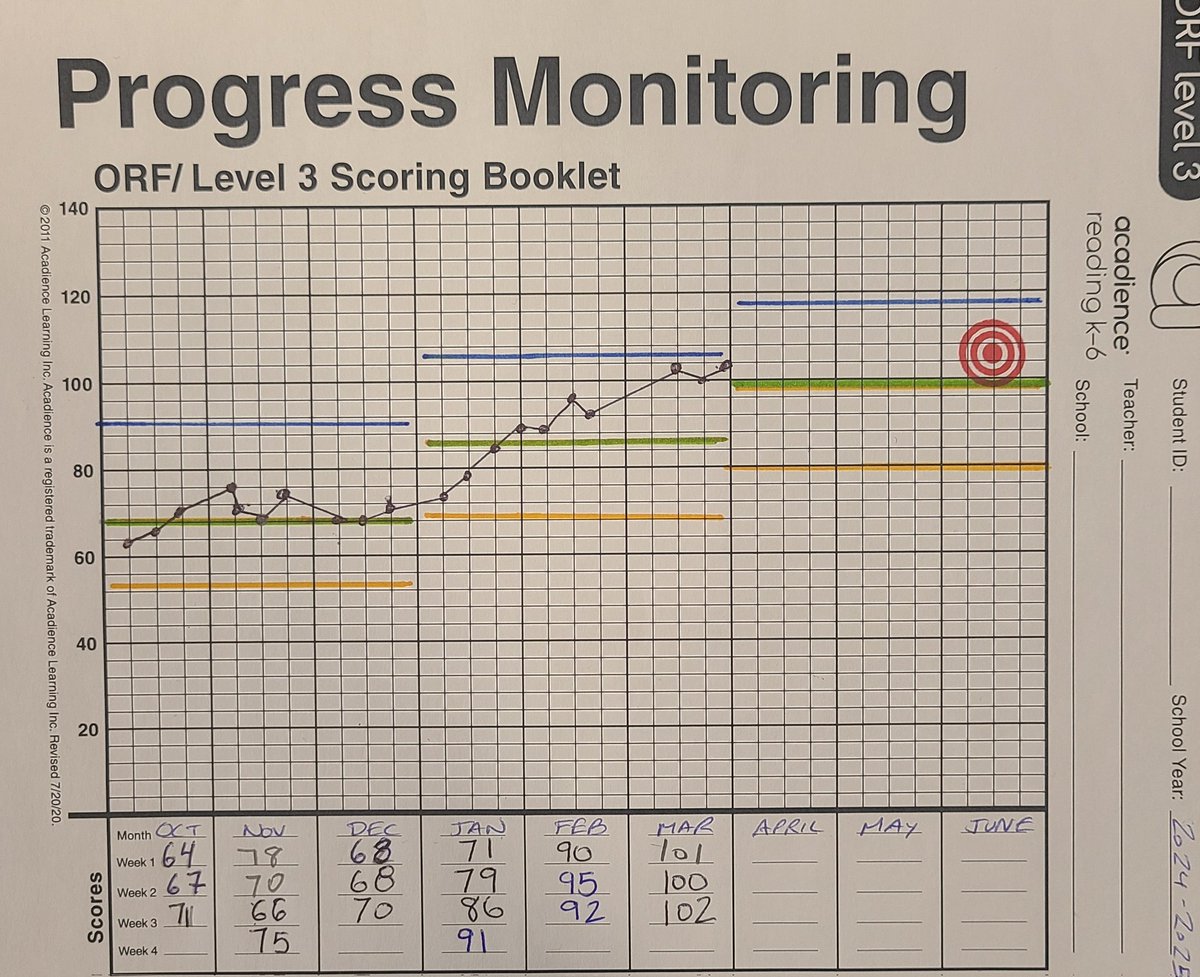
This is why we progress monitor.
Behind every data point is a student working hard.
This student started below benchmark—but with structured literacy & intervention, look at this growth!
Progress monitoring lets us adjust, support, and celebrate.
We can’t wait to share our new cursive handwriting eLearning module and application with you this June! CLIFTER will include videos that provide step-by-step instruction on cursive letter formation as well as printable handouts for students to practice their cursive handwriting! https://t.co/kv9LX8LyOt
I teach 9th graders at a public school. I try to incorporate fluency at least once a week in all my classes, and often more than that for my reading intervention courses.
Here's the simple protocol I follow: (not rocket science, but it might be helpful to someone)
Look below for 🔗🔗 to 2️⃣ great POSSuM resources! 👀👇
👉 Printable Worksheet "Breaking Down New Words" 🔎 Thank you IRCC! 👏https://t.co/DqTWXmwVNz
👉 Article "The More You Know: How Teaching Multiple Aspects of Word Knowledge Builds Fluency Skills"🔥 https://t.co/H6MYYtXOy1
Students who lack foundational word recognition skills can struggle to comprehend what they read. Vocabulary must be taught explicitly, in a way that engages all of the parts of the brain associated with word recognition. One way to do this is through the POSSUM approach. Learn more about this approach in our past blog post: https://t.co/MLYDcBn9xl
Reading Universe Taxonomy:
"Our taxonomy presents the essential reading skills, shows how they’re connected, and lays the groundwork for teaching all students how to read and write."
https://t.co/uMislBGKEX
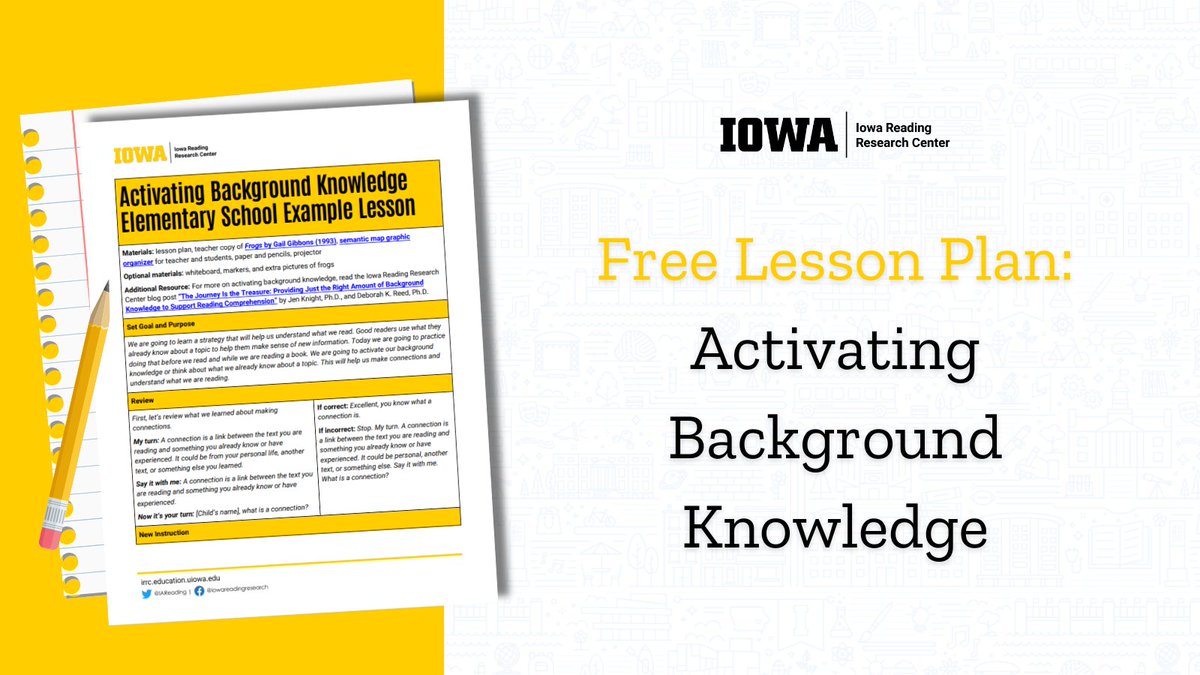
Background knowledge is a vital part of reading comprehension, and it is often up to educators to provide just enough background information for readers to successfully engage with a new text. See a model of strategies you can bring to your class with our free lesson plan: https://t.co/o6ensU81cZ