On the ocassion of pride month, revisit our deep dive from #June 2024 where we trace the history of queer rights in Nepal and the government support, or the lack thereof, for the community.
https://t.co/TdN20Zs1TW
V well said. @inkthink makes an important point here👇
“Nepal needs serious, critical journalism, but we cannot always rely on anonymous leaks that provide fodder for gossip rather than grounds for investigation or prosecution.” @WeeklyKalam
https://t.co/sHeOMpL2JQ
This week, read our deep dive on the history of Jana Aastha's controversial reporting and how the allegations against Shrestha unfolded. (2/2)
https://t.co/EhZX6kwJXH
The media’s credibility is fragile and the bribery allegations against editor of the imfamous Jana Aastha tabloid, Kishor Shrestha only serve to reinforce the perception that the Nepali media is for sale to any bidder. (1/2)
"The evolution of women on the screen, from symbol to spectacle to subject —has been decades in the making.."
In this week's deep dive, we explore how the Nepali film industry has portrayed women characters over the years.
https://t.co/OcUU2XlP53
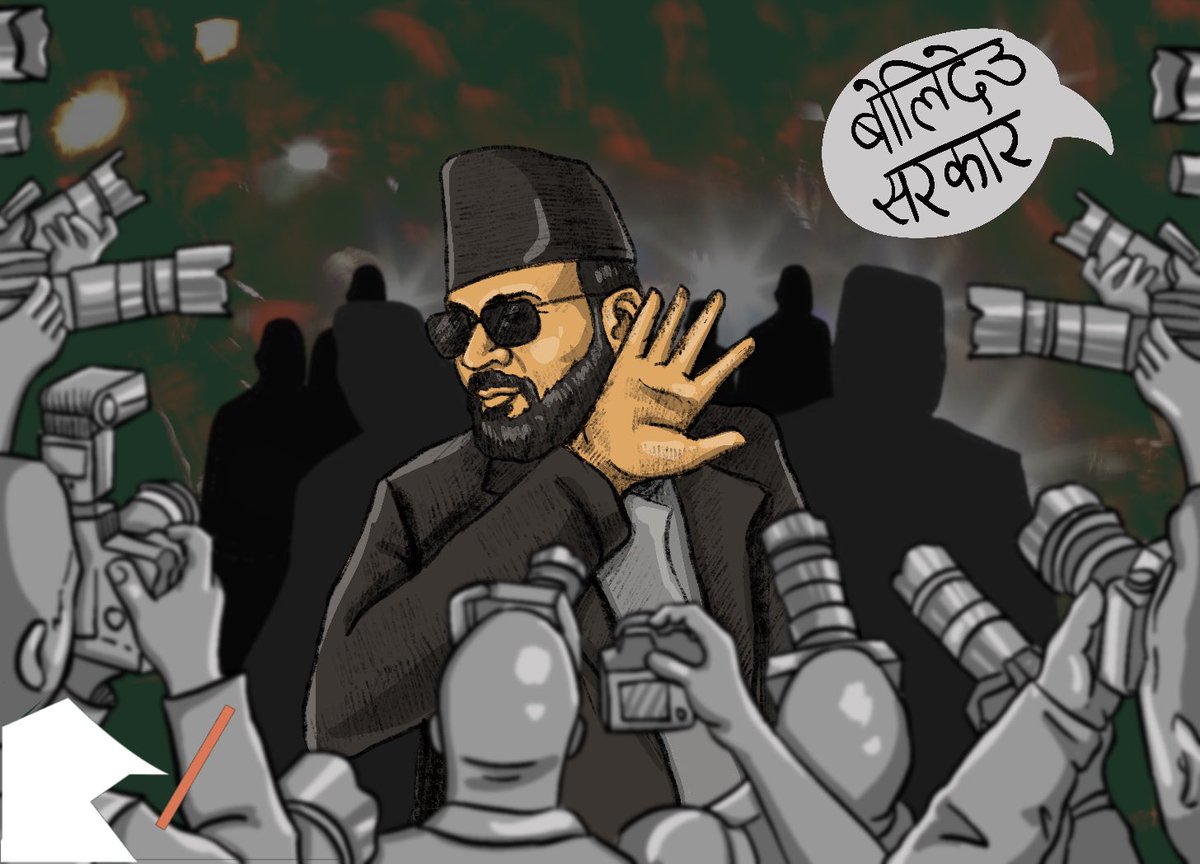
This week, we examine Shah’s relationship with the Nepali media, from his early days as mayor to the present and his sustained efforts to boycott and sideline them. (2/2)
https://t.co/X1BPwdK4f5
Although Balen Shah had promised transparency and accountability during his campaign for mayor, Shah ditched both once he won. But the same pattern now continues even as a prime minister. No interviews, no press conferences, not even an address to the Parliament. (1/2)
As much as his supporters argue that he is working more and speaking less, his detractors maintain that he is hubristic... It might not be very long before Balen Shah finds himself hoisted by his own petard.
✍️ @inkthink@WeeklyKalam
https://t.co/FH7ebpFpTr
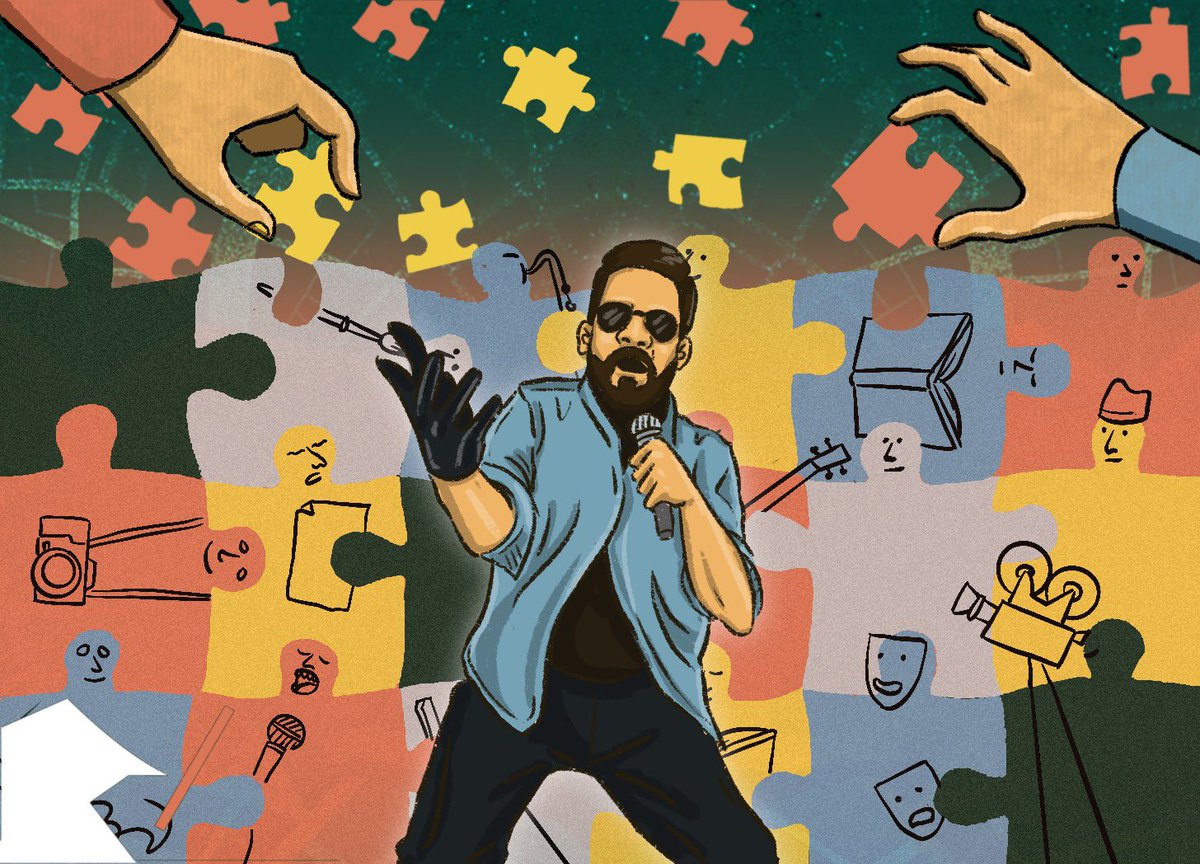
In Nepal, the arts — music, theater, literature, painting, and sculpture — have long been crucial to socio-political change. However, the Nepali state has rarely treated art as a valuable asset. In the absence of state support, artists often struggle to make a living. (1/2)
Over the years, authorities have made numerous attempts to address this thorny issue, primarily through force. This issue has a long and complicated history, which we explore in detail in our recent deep dive. (2/2)
https://t.co/SA4Qe5UNi2
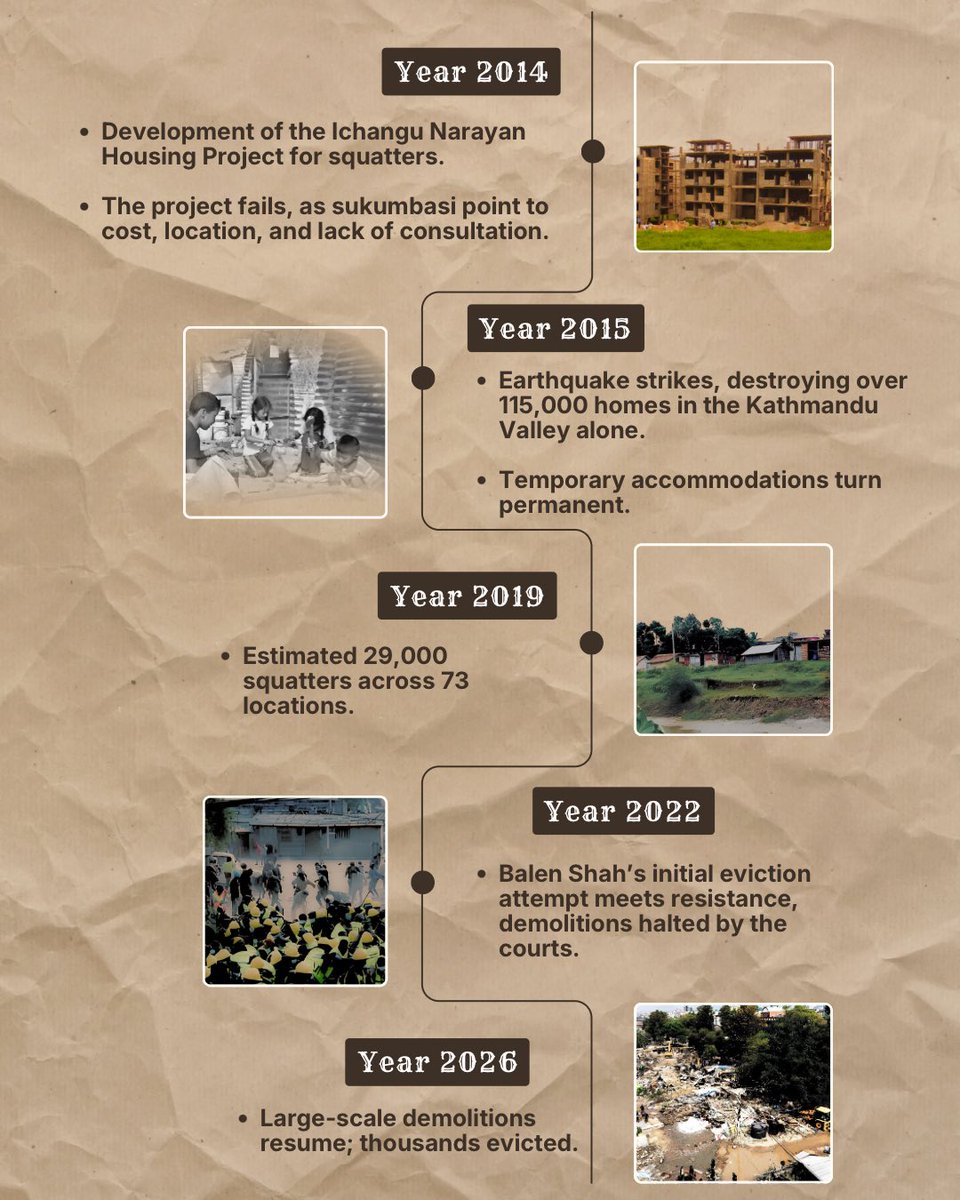
The issue of squatter settlements is not new; it dates back to the 1970s. Government failures in the past, combined with urban pressures has pushed people to settle along the riverbanks. (1/2)
📅: 9th May 2026, Saturday
⏰: 6-8 pm
📍: Pisang Biergarten, Bhaisepati, Lalitpur
💰: Free for all paid Kalam subscribers, Rs 200 for all other attendees.
RSPV here: https://t.co/N6Vc3xpgWp
Join us for the first edition of Movie Night With Kalam.🍿🎥🎬✨✨
Come watch, Hari, a psychological dark comedy with surreal elements, that follows a 30-year-old, overly religious and superstitious man whose life changes when a bird poops on his head.
In this week’s deep dive, we trace the complicated history of squatter settlements in Kathmandu Valley—why people migrated here, how urban pressures pushed them to riverbanks, and the repeated government attempts to address the issue, often through force.
https://t.co/SA4Qe5UNi2
Squatters, even when they break the law, have inalienable rights to life and liberty. They too deserve a warm place to sleep...
As much as the law must be applied equally, it must be applied fairly.
— by @inkthink@WeeklyKalam
What makes a sukumbasi?
https://t.co/MHb8jVzG28
Just before Nepal’s March 5 elections, I wrote about the country’s democratic stress test. One month into the new government, early signs of that stress are visible.
Sharing my @WeeklyKalam piece again —
https://t.co/njS8bs4xvx
From #January 2025, where @inkthink reflects on the early January 2025 earthquake that shook central and northern Nepal raising important questions about whether we have learned anything from the 2015 earthquake.
https://t.co/sLEDl88v81
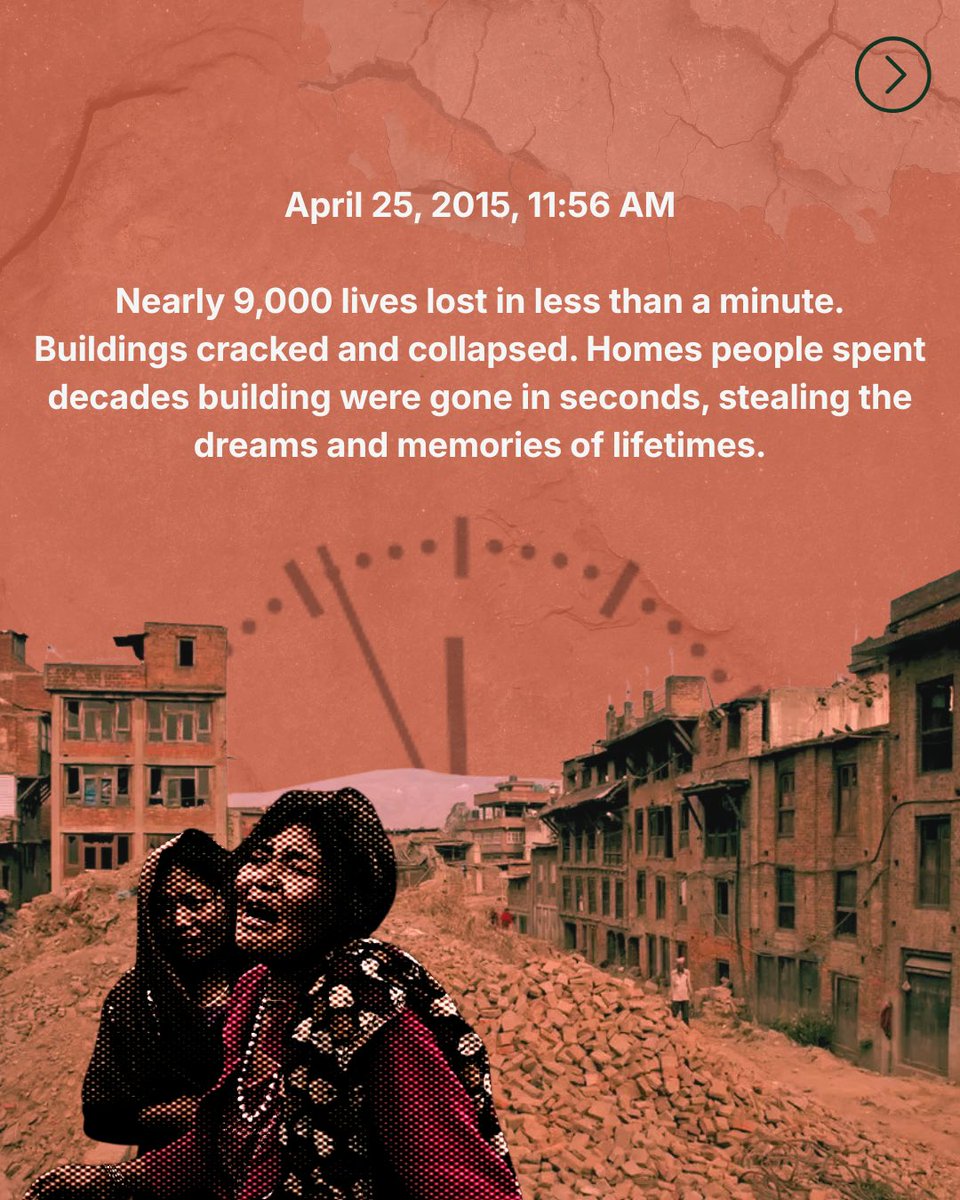
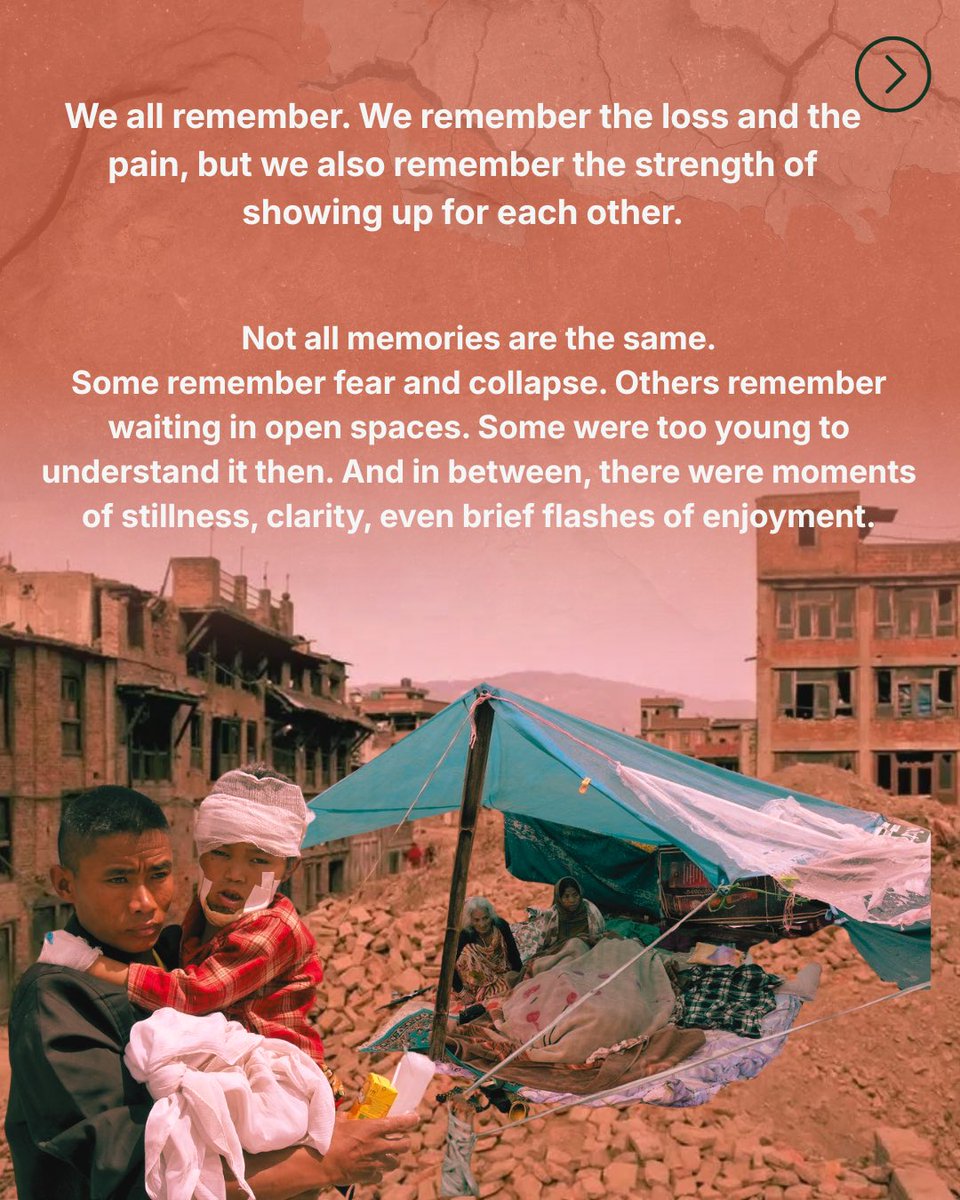
April 25, 2015 is a date that exists not only in history, but in conversation, memories, and lived experiences. Eleven years later, we remember the earthquake. Some vividly, some clearly, but we remember!
Revisit some of our stories on earthquake below: 👇
From #April 2025, a guest post from @Pri_ttygood, where she spoke to numerous people about their experiences of the 2015 earthquake and reflects on what it means to remember and what it means to be resilient.
https://t.co/gwxj5JL8NA