In less than a month, @pudgypenguins and @AbstractChain covered Korea with culture
Sports (Pickleball, Pengurun), music (Jazz Concert, K-Pop Pudgy), parties (Wonderland, Greenroom), academic panels (Greenhouse), and even a surprise event at Gangnam Station — they strategically conquered nearly every cultural touchpoint
All of this was a genius marketing strategy to naturally embed IP into culture, turning holders and fans from mere “investors” into "true participants" who enjoy and co-create culture together
Unlike other projects that just airdrop tokens or host simple networking, Pudgy Penguins and Abstract designed cultural experiences
And Abstract is now bringing all of this on-chain at incredible speed.
This is only the beginning 🐧
@AriaProtocol has been exploited on #Arbitrum for ~$12.3M.
The attacker exploited a reentrancy hack in the lending pool and drained the entire USDC and WETH reserves in a single transaction.
Protocol: Aria Protocol
Chain: Arbitrum
Attacker: 0x7b3e9a2c4f1d8b6a0e5c3f7d2a9b4e1c6f8d0a35
Exploit tx: 0x2f9c6a4e7b1d3a8f5c0e9d2b6a4c7f1e3d8b0a5c9f2e6d4b1a7c3f0e8d5b2a64
This is an active exploit. Revoke approvals immediately.
There are ~5 kinds of AI acceleration anxiety that I see in myself + others (to varying degrees)
The first is information anxiety, like constantly feeling behind & out of touch with The Current Thing. Even for people who are very plugged in it’s hard to keep up with everything let alone think about second order effects of all the new releases that keep coming out.
The second is work anxiety. In two ways. One version of this is fear around job loss i.e. is my job gone? Am I going to get automated out of existence? Are we ever going to have jobs again? Is this just the Industrial Revolution 2.0? Queue "permanent underclass" memes and such. Then on the other side another version of this is obsessive energy around work because all of us just got sudden leverage, so we’re able to do way more with our time, so there’s this sense of relentless forward motion + a sense of needing to make use of every second (which is exhausting).
The third is status anxiety, sort of downstream of the job conversation, and wondering what happens now if people don’t have jobs (or if many previously well-paying jobs get automated away) i.e. where does meaning come from in a world that is increasingly oriented to machine intelligence? Will there be social mobility in that world? Will I matter in that world?
The fourth is social fabric anxiety, which is downstream of all 3 anxieties above where there is a general concern that people are going to collapse into AI psychosis, outsource all of their thinking, and get addicted to these perfect, personalized dopamine slot machines that are sycophantic to us. It’s the Ready Player One comparison of people being turbo absorbed in the Oasis, but for now that just takes the form of talking to LLMs all day vs. doing other things.
The fifth is alignment anxiety, which feels live right now with the Mythos news from Anthropic. Will these models behave as they should? What happens if they don’t? Who will control these systems? How will they be governed? Who gets access? When and why?
I still tend to be in the optimistic camp. I think, while things are changing and will continue to, the death of human cognition is exaggerated, no matter how useful and cool all of this stuff is. But regardless of whether I’m under or overestimating things, what I know is…
a) the world feels very fluid right now
b) it’s super hard to forecast how things will play out
c) people are feeling angst related to that because there aren’t a lot of clear answers
>Anyone who can speak to these issues in a thoughtful and hopeful way will instantly have a massive audience
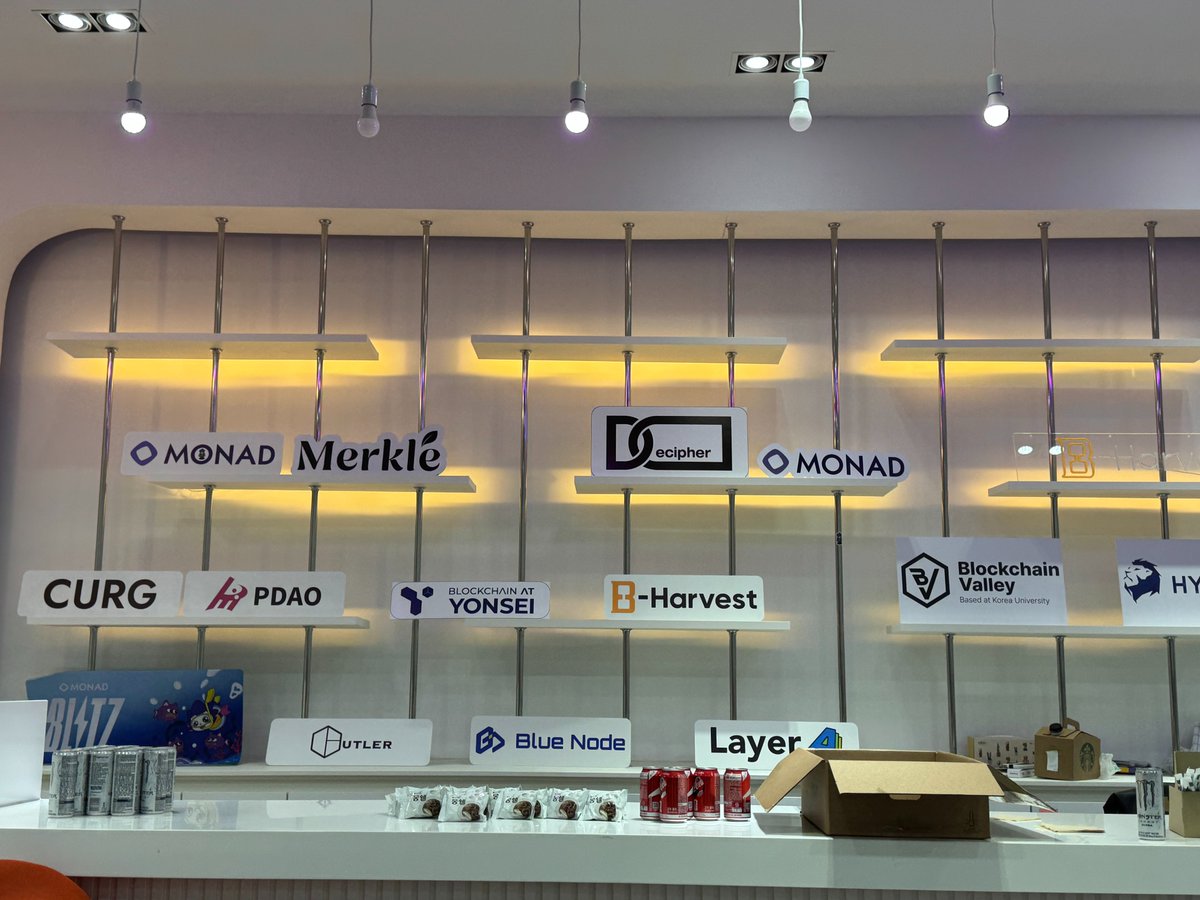
Monad Blitz Seoul 4th
It’s been a while since I joined the Blitz Seoul hackathon. I built a service that automatically rebalances wallet deposits, stakes them into a vault, and helps users avoid wasting potential interest on their funds.
@DecipherGlobal , @B__Harvest , @monad
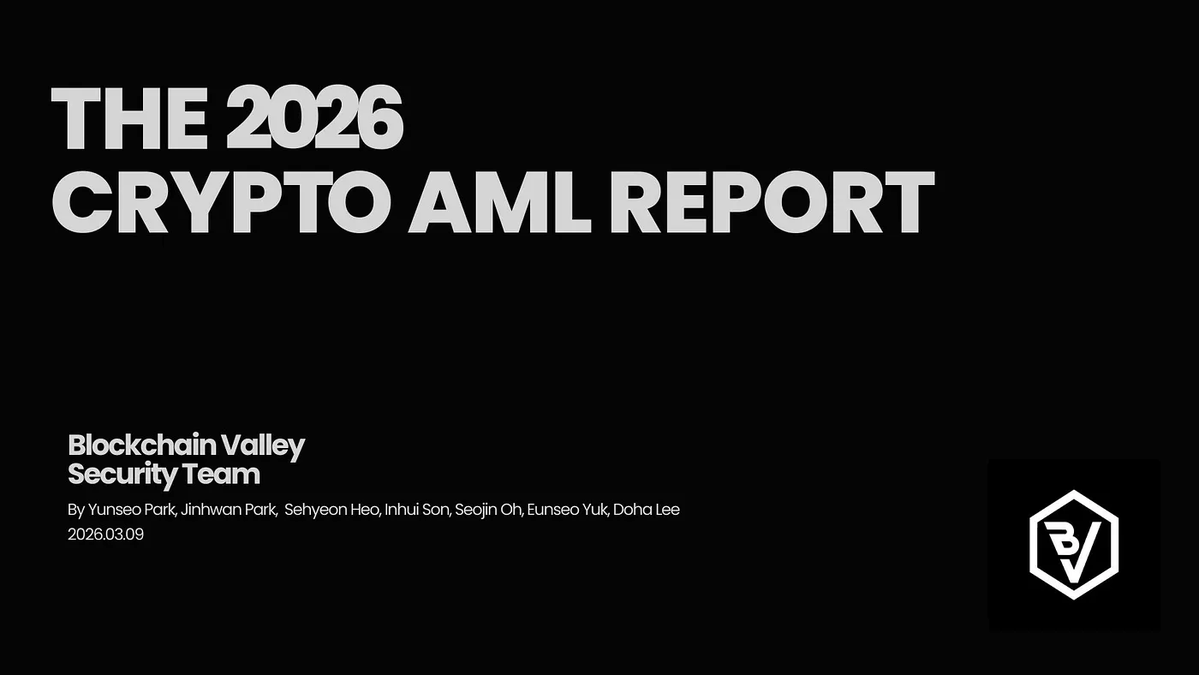
📕블록체인밸리 리서치 : The 2026 Crypto AML Report
고려대학교 소속 블록체인 학회 ‘블록체인 밸리’에서 ‘가상자산 자금세탁방지(AML)의 역사적 교훈과 섹터별 규제 리스크’를 주제로 리서치를 작성했습니다.
본 리서치는 1920년대 미국 금주령 시기의 알 카포네 사례를 통해, 국가의 강박적인 통제가 오히려 범죄를 음성화하고 고도화시켰던 '풍선 효과'의 역설을 짚어내며 시작합니다. 이러한 역사적 통찰을 바탕으로, 가상자산 생태계 역시 단순한 폐쇄나 규제보다는 기술적 특성을 정교하게 반영한 지속 가능한 AML 체계가 구축되어야 함을 역설합니다.
특히 단순히 '모든 거래가 온체인에 기록된다'는 사실만으로는 자금세탁을 완벽히 막을 수 없음을 지적하며, 2026년 가상자산 시장의 핵심이 될 세 가지 섹터의 리스크를 심층 분석합니다.
예측시장: 자산이 아닌 사건을 거래하는 특성상 발생하는 정보 비대칭성과 온체인 거래 환경이 어떻게 스머핑이나 워시 트레이딩 같은 자금 세탁 통로로 악용될 수 있는지에 대해 다룹니다.
페이먼츠: 카드 네트워크를 통한 크립토 off-ramping과 결제시스템이 초래하는 자금세탁리스크를 유형별로 분석하고 체계적인 리스크 관리 방안을 모색합니다.
프라이버시: 기술적 익명성과 규제의 투명성 사이의 긴장을 다루며 중국의 가상자산 금지 조치가 불러온 결과등에 대해 고찰을 통해 프라이버시 기술이 기존의 AML 체계 내에서 지니는 의미를 고찰합니다.
가상자산 생태계의 성숙과 함께 한층 고도화될 규제 환경을 선제적으로 이해하고, 기술과 규제가 공존하는 신뢰 시장의 미래를 고민하는 모든 분들께 추천합니다!
🔗리서치 읽기 : https://t.co/aegHH6MebZ
Introducing Claude Opus 4.6. Our smartest model got an upgrade.
Opus 4.6 plans more carefully, sustains agentic tasks for longer, operates reliably in massive codebases, and catches its own mistakes.
It’s also our first Opus-class model with 1M token context in beta.


![DecipherGlobal's tweet photo. DE-FERENCE 2026 패널 세션 소개🎙
[17:35 – 17:55 | The State of Blockchain Academia in Korea]
한국 대학 블록체인 학회의 현실, 진입 동기, 차별점, 커리어 전략을 논의합니다.
🗣 Moderator
유준혁(Jun)(@Jun__Yoo)
Vice President / Decipher
👥 Panelists
조원민(@wiimdy)
학회원 / Decipher
오승준(@seungjun_x)
Organizer / PDAO
허세현(@Wi11y010)
보안팀 / Blockchain Valley
오지현(@felixopes)
16기 학회장 / EWHA-CHAIN
김승원(@gamsngwon)
(전) 학회장 / BlueNode
📍 2월 21일 | 드림플러스 강남 B1
🎟 https://t.co/gTitPc8CAT](https://pbs.twimg.com/media/HBhlHPrasAACqgQ.jpg)





