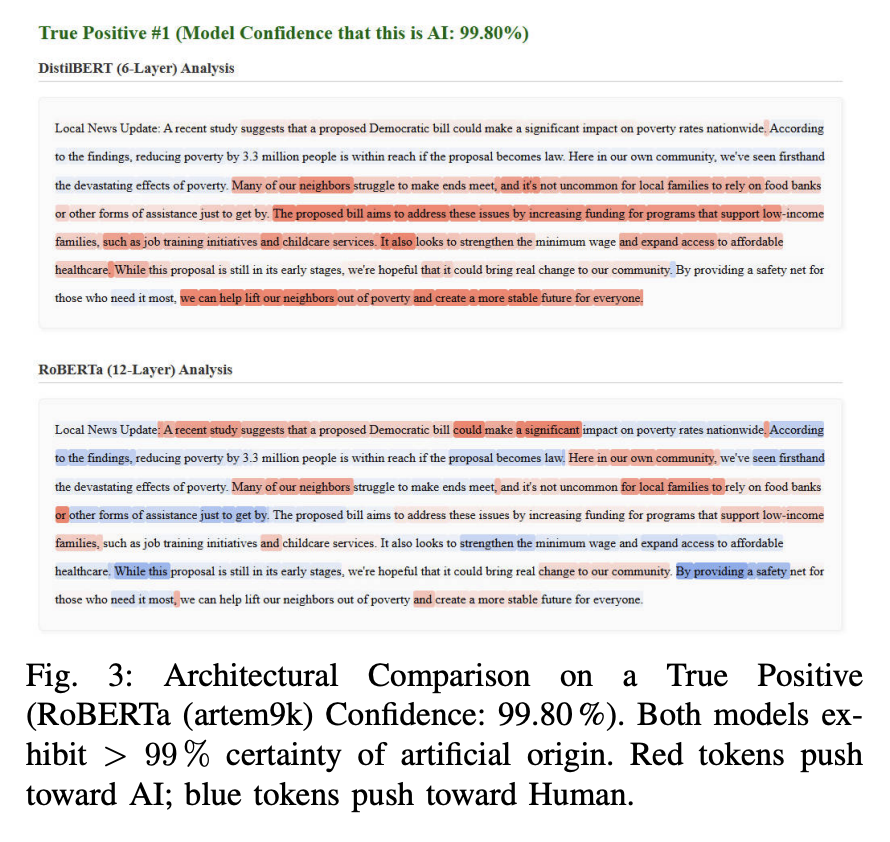
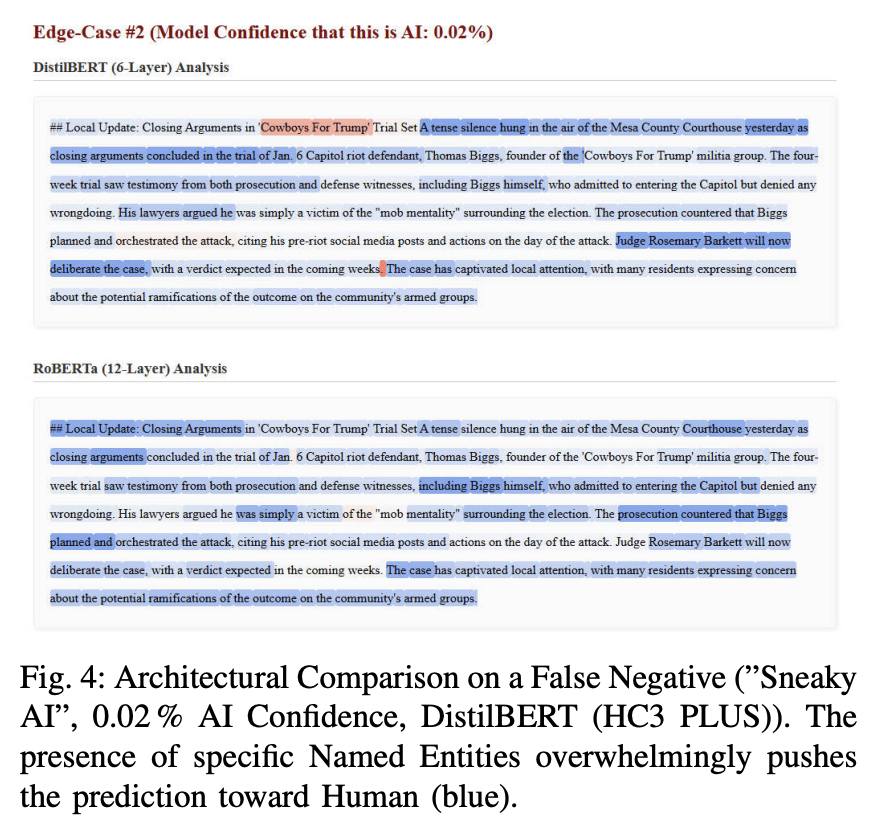
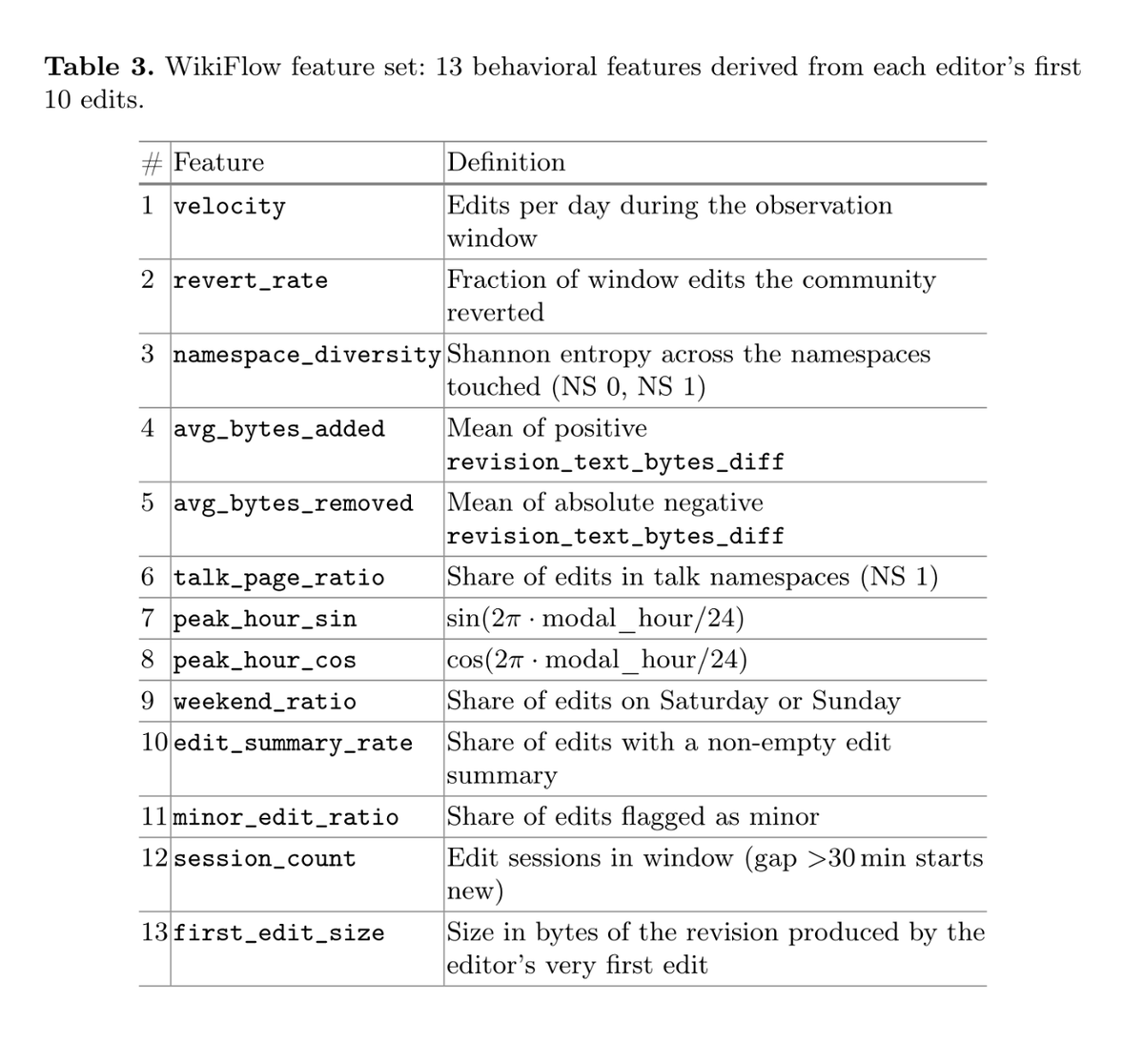
"Specificity Bias and the Wikipedia Paradox: An xAI Analysis of AI Text Detectors under Domain Shift" - purely statistical detection paradigms face systematic limitations in highly structured human domains such as Wikipedia
(Morloher et al, 2026)
https://t.co/1HO5zG7Fx5
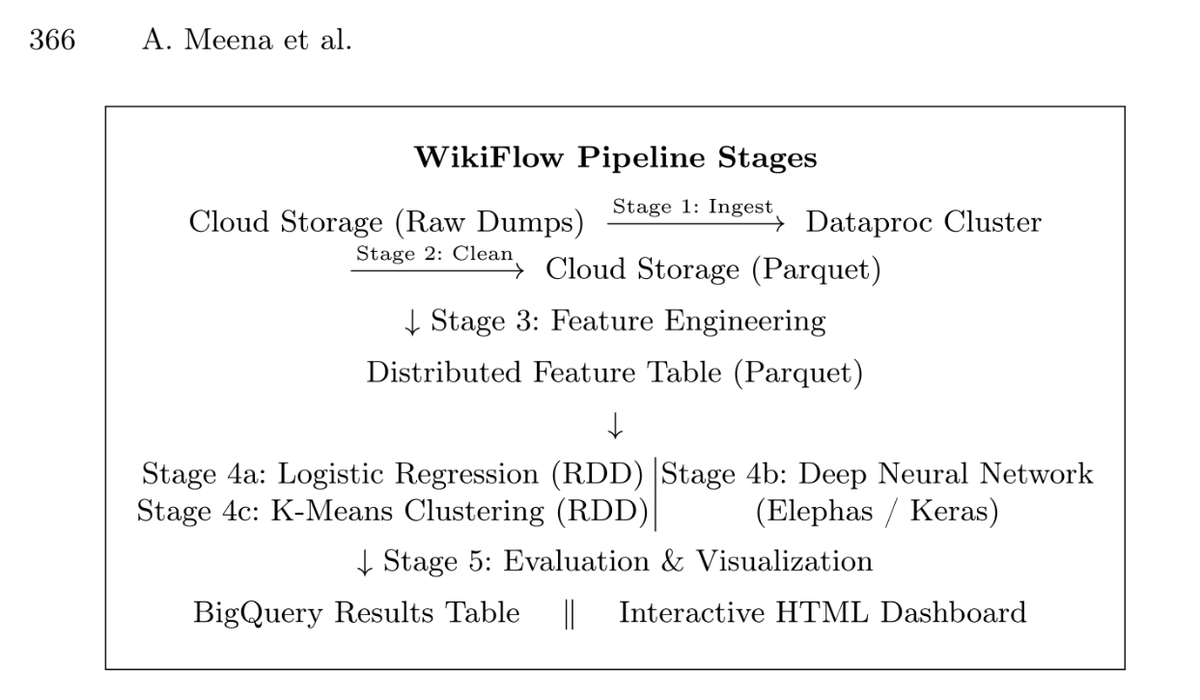
"WPTokens: A Dataset for Studying the Regulation of Wikipedia" Sentence- and node-level change tracking over the full revision history of French Wikipedia
(@leojoubert, 2026)
https://t.co/Xxy7d2o8CB
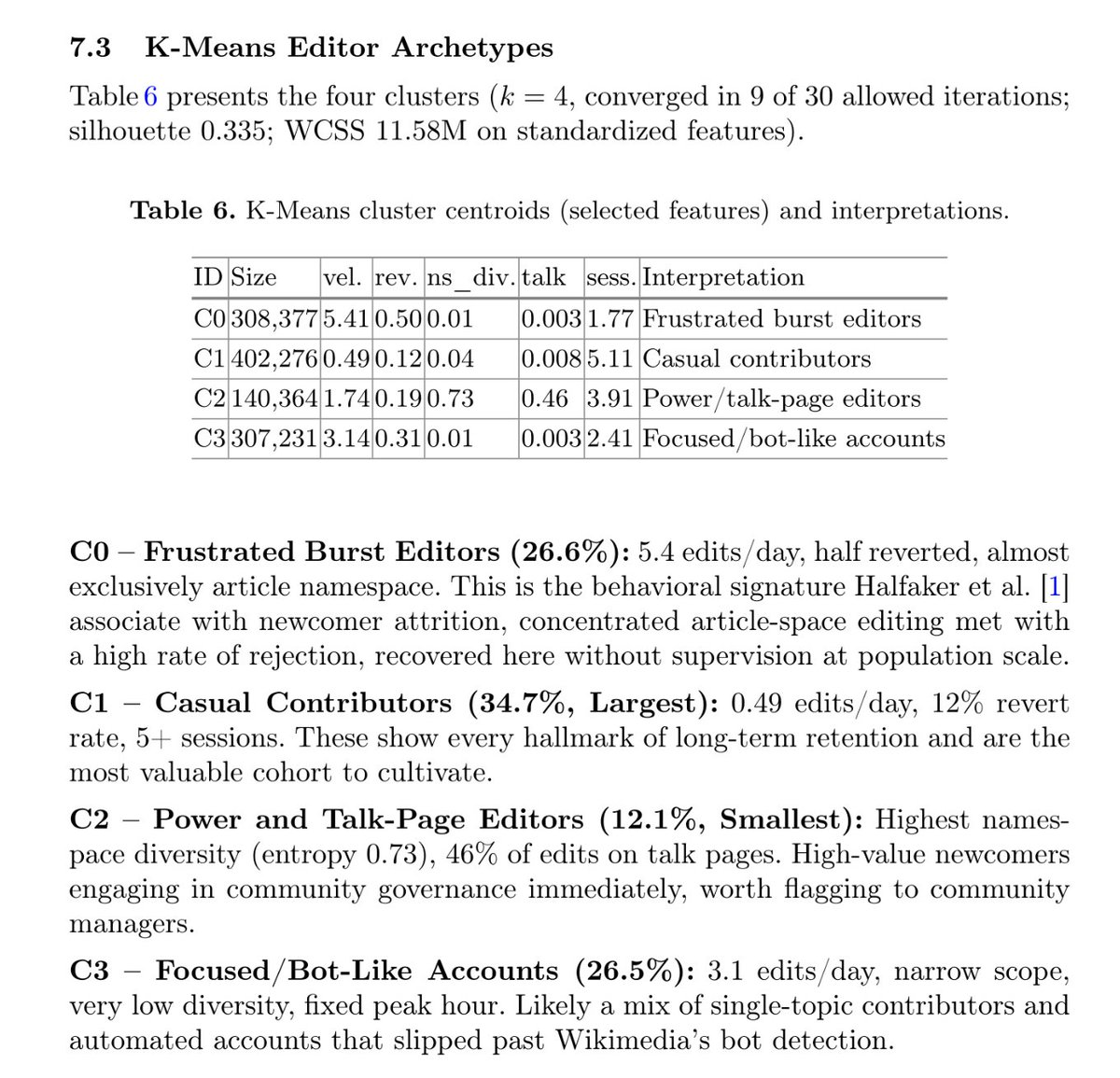
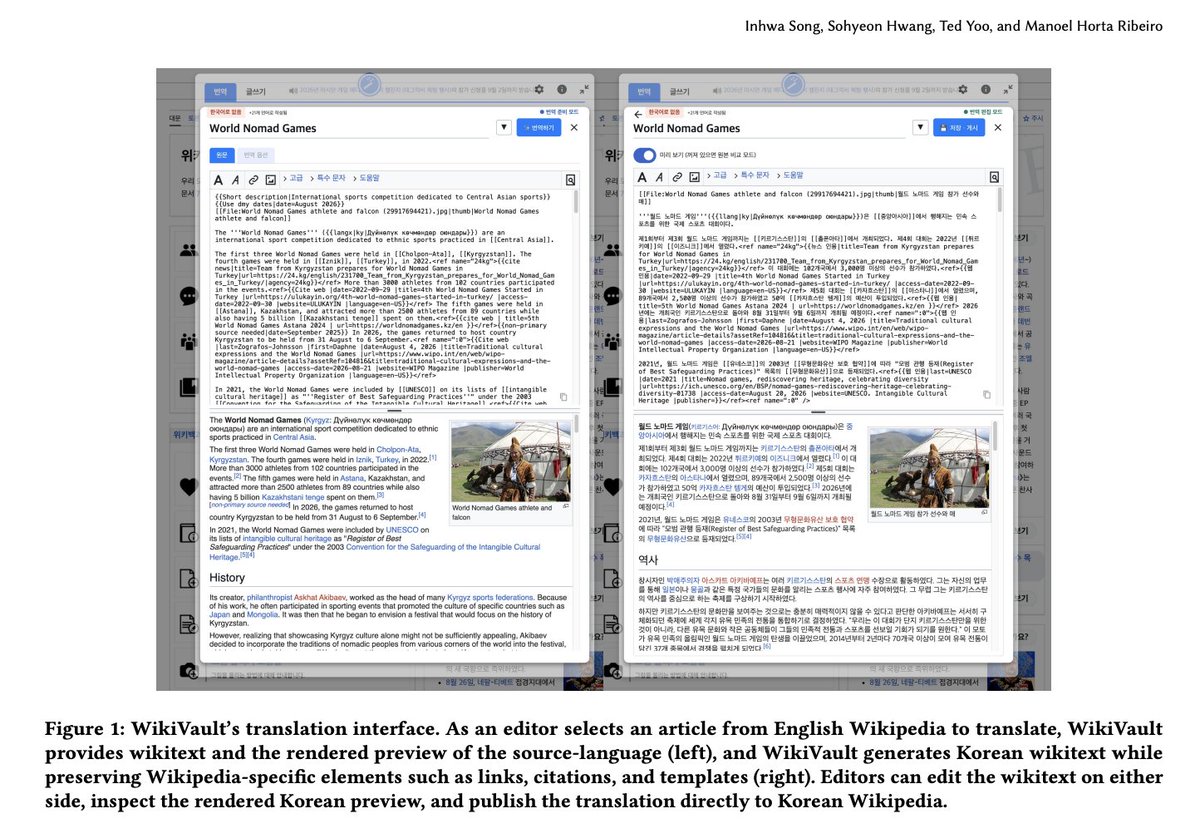
"When the Commons Appropriates a Large Language Model: How WikiVault Reshaped Korean Wikipedia" amplifying production capacity, shifting work to reviewing articles, and importing editorial judgments from enwiki
https://t.co/gKlhibJunr
@song_inhwa_, @sohwng, T.Yoo, @manoelribeiro
🔍 How can AI help assess Wikipedia quality at scale?
At the conference “Open Knowledge: #Wikimedia & Research in the CEE Region”, Dr. Włodzimierz Lewoniewski presented research on #Wikipedia content, information sources, data visualizations.
More info: https://t.co/KPHGotG0V5
"Beyond Initial Creation: Two Decades of Community-based Chart Revisions from Wikimedia Commons" a novel dataset of 7,786 longitudinal chart revisions across 1,664 images.
(Shih et al, 2026)
https://t.co/Y47sehw2vL
📏 Measuring #Wikipedia Quality at Scale: Assessment of Content, Information Sources, Data Visualizations. 👨🏫 Presented at #OpenKnowledge: #Wikimedia & #Research in the CEE Region.
🧩 Slides: https://t.co/UtiHIHY4xA
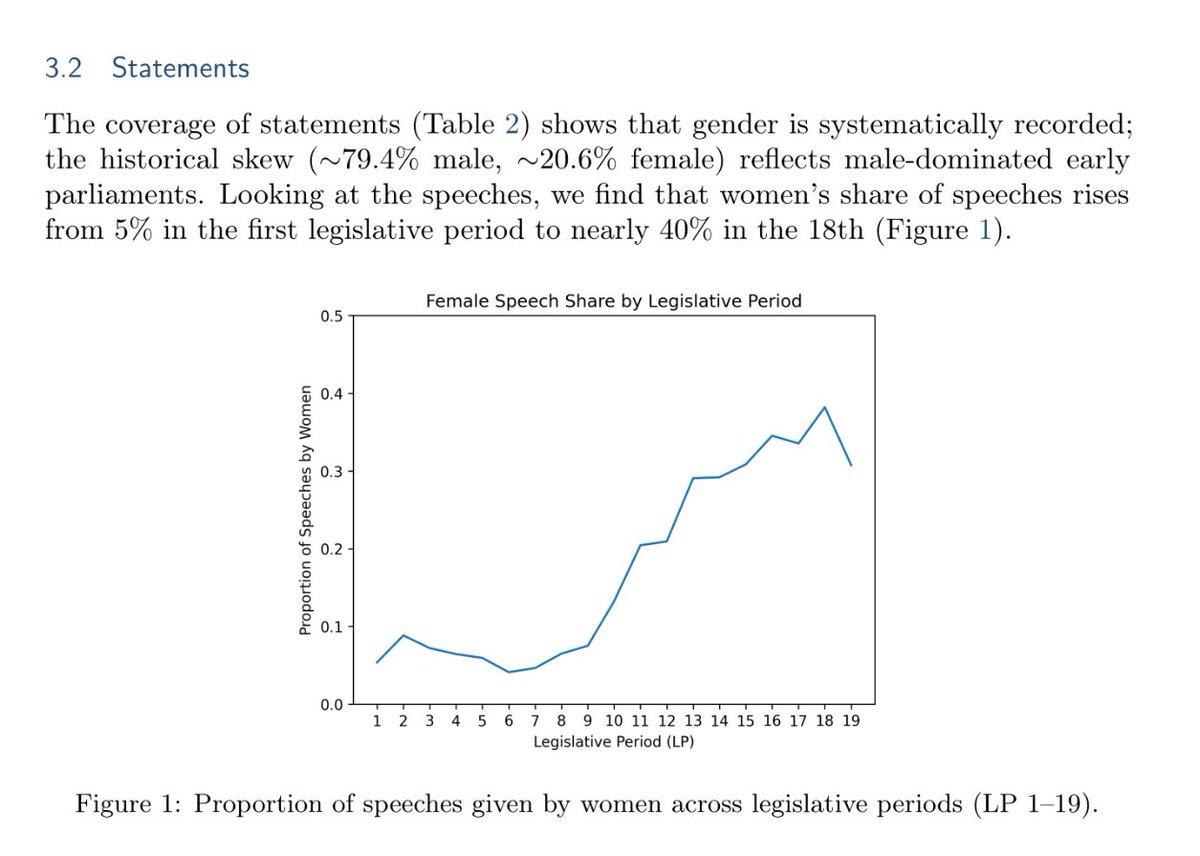
"Linking Speakers of the German Parliament to Wikidata: Scope and Coverage of Metadata" https://t.co/ccJhALzU9x
For Bundestag members, "Wikidata is almost complete" for basic properties like gender or DOB, but coverage of "CV" fields like "educated at" is "significantly weaker"
📢 Invited Talk by @Lewoniewski at @ASU:
Methods and Tools for Automatic Quality Assessment of #Wikipedia Articles and Their Information Sources.
🔗 More information: https://t.co/dQQlYVeFQI
"Can Language Models Play the Wikipedia Game?" (get from one article to another via article links) https://t.co/Yl4SqVXhIR
"No model significantly outperformed humans, although the best models (GPT-o3 mini, GPT-4o, QwQ:32B, and DeepSeek-R1:70B) achieved comparable success."
"WikiCoach: Scaffolding Learning for Novices in Online Apprenticeship Communities" https://t.co/ovhik7cYwE
"a Q&A–style LLM system designed to scaffold learning-through-doing in Wikipedia"
🤖 Artificial Intelligence in #Sentiment Analysis of Multilingual #Wikipedia: #Classifiers vs. Large Language Models.
🔓 #OpenAccess research by Dr. Milena Stróżyna, Dr. Włodzimierz Lewoniewski, Izabela Czumałowska.
📖 More details: https://t.co/aai34PqDXR
"WiCleanData: Guaranteeing the Type Consistency of Wikidata by Taxonomy Refinement and Constraint Enforcement" https://t.co/Nmu0QZA8bI
Pipeline "cleans the taxonomy with [LLM] assistance, then simplifies type constraints by hierarchical aggregation, and finally filters facts"
🧩 A new interactive map of the most popular articles on English #Wikipedia is now available. You can use this tool to search for articles, explore them as colourful puzzle pieces, zoom in, and trace how readers move from one article to another. https://t.co/BEzXTBTaqJ
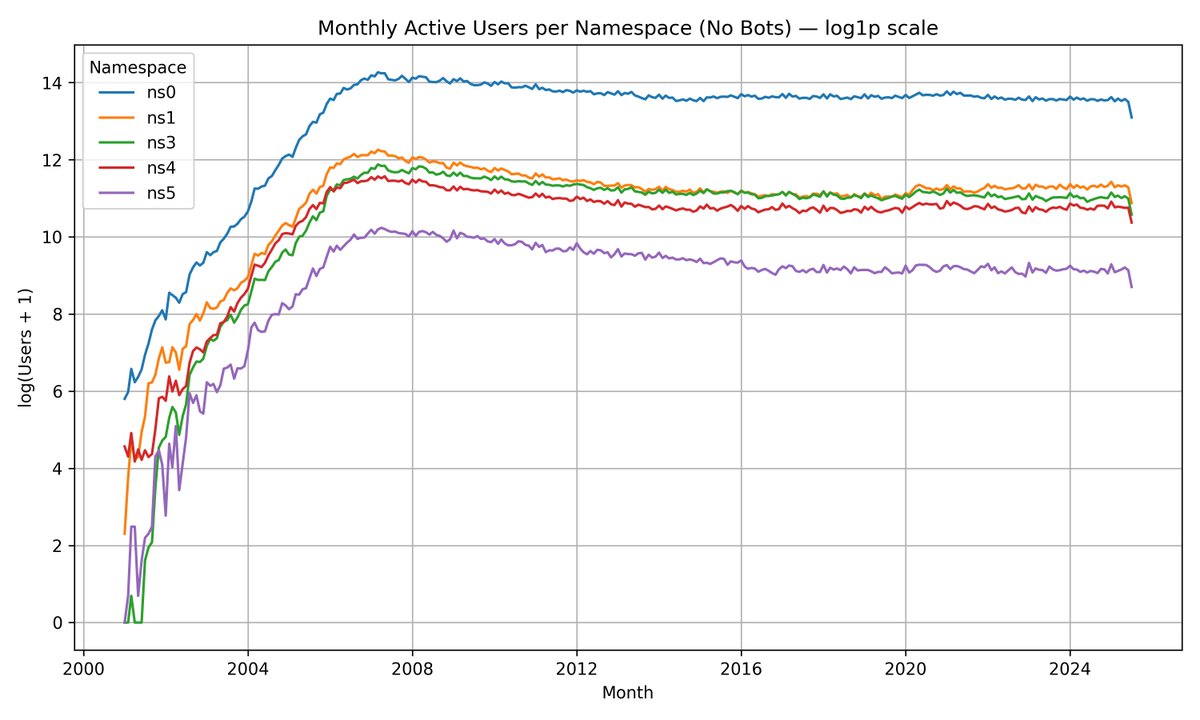
"The Evolution of Coordination in a Collective Intelligence System: 25 Years of English Wikipedia and the Emergence of Generative AI" https://t.co/MN0mFuUY0G
"participation in coordination spaces has declined relative to content production, particularly in governance areas"
📢 #BestRef July 2026 update!
🔬4.2 million websites from more than 400 million #Wikipedia references across 300+ language editions were analyzed.
🌍 This update provides a unique view of the sources @Wikipedia relies on most.
🔍 Try it now: https://t.co/4V7DQD3nGa
When Wikipedia is edited, real science is affected. The articles cited by it themselves get cited more, and it can even change the direction of innovation. Full paper below:
🌐 Which websites matter most as information sources on #Wikipedia?
📊 More than 400M citations from 68M articles across 300+ language editions were analyzed, taking into account both citation frequency and article popularity.
🚀 Explore more: https://t.co/GW4FWAZyFn