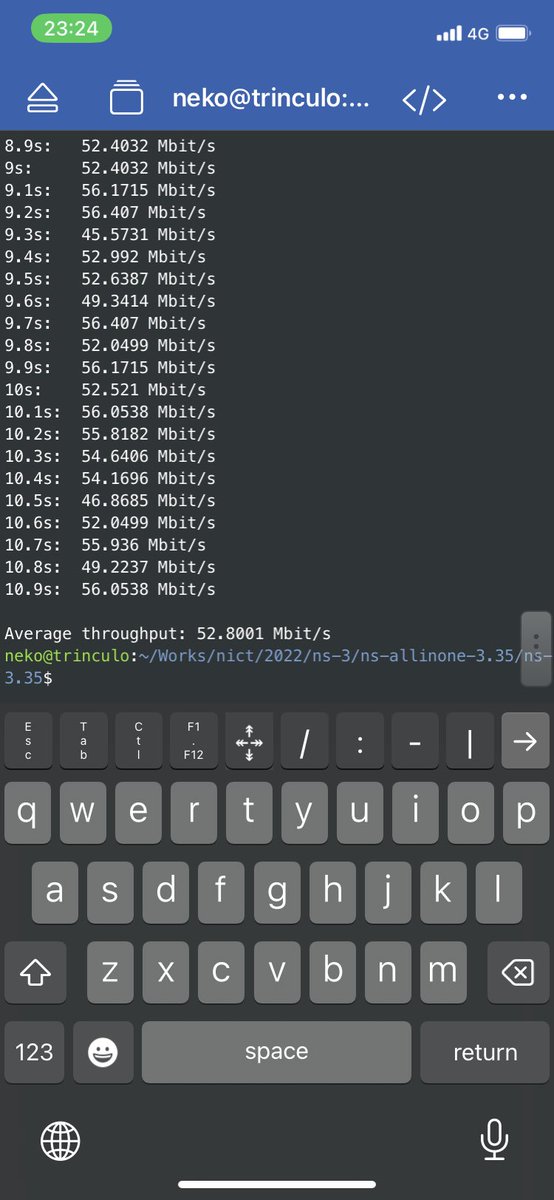
@merill @ckindel @Steve_MSFT@PowerShell_Team Let's me download movies from the internet site of the stations by type, using WebSSH on iPad to a Rasperry Pi 4, which calls pwsh (7.3.6 arm64) does a lot of rest calls to get the info and at the end add download jobs to a Synology NAS, wait for download and rename the files.
Even though on holiday, I still took some quiet time while friends were busy to work on some node updates ready for my return home. 🤓Accessing nodes remotely via WebSSH on iPad, Twingate and Google Authenticator 2FA on a second device.
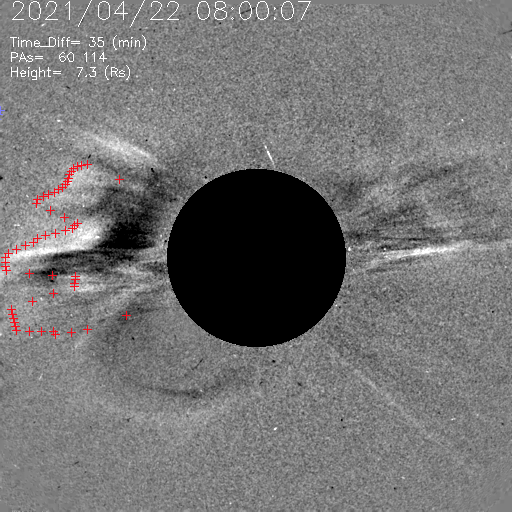
And here we go with images from SOHO (near Earth), the first eruption (Earth-directed) is super faint but is there! The second one is much brighter and propagating well away from Earth, as expected ☀️💨
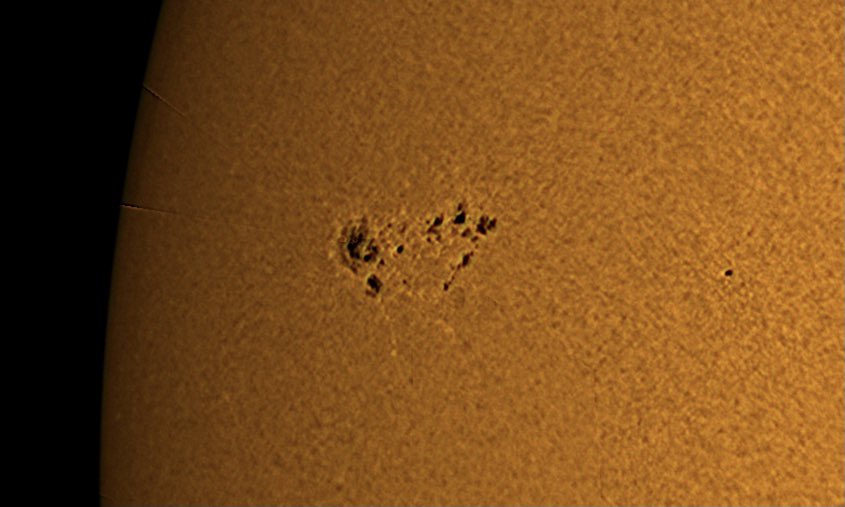
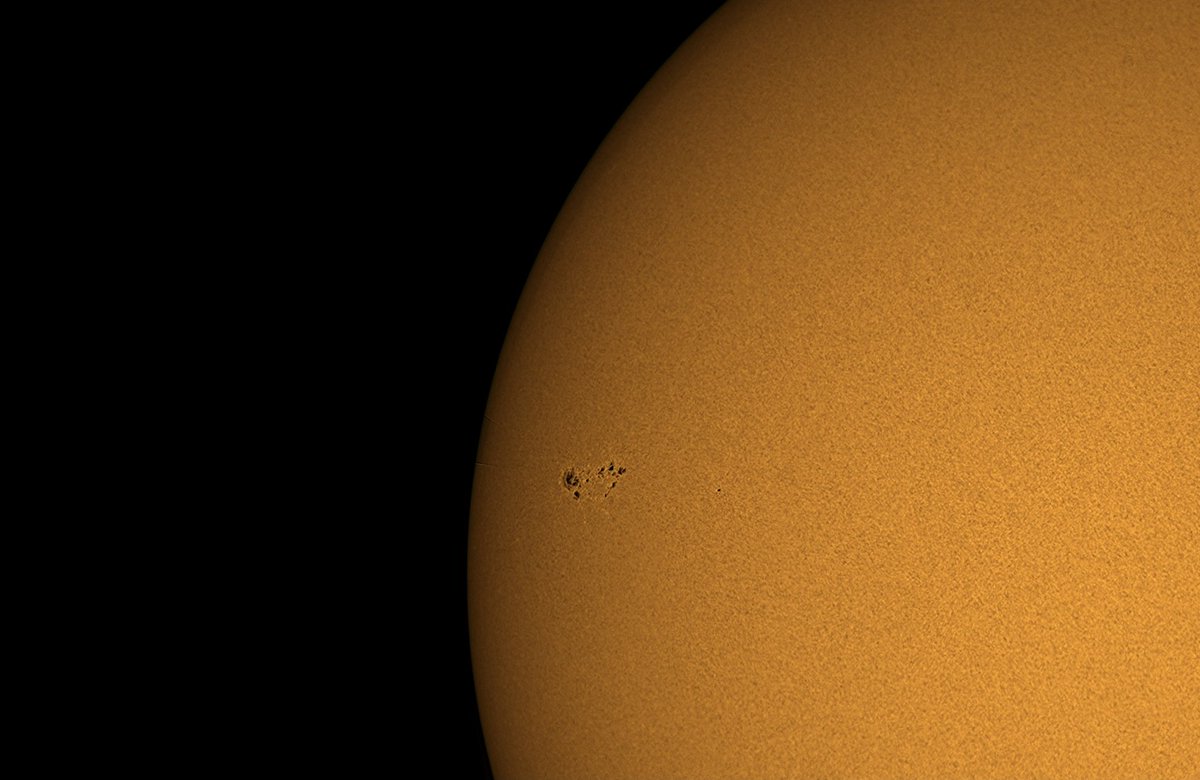
Here is a look at old region 2817, now turning back into view from behind the northeast limb. It will be reassigned AR 2822 today is is likely a threat for an isolated minor C-Flare. Image by SDO/HMI.
After the under-performing #solarstorm from the C3.8 event, I think the highlight of 25 April was this filament eruption in the southeast quadrant of the Sun.
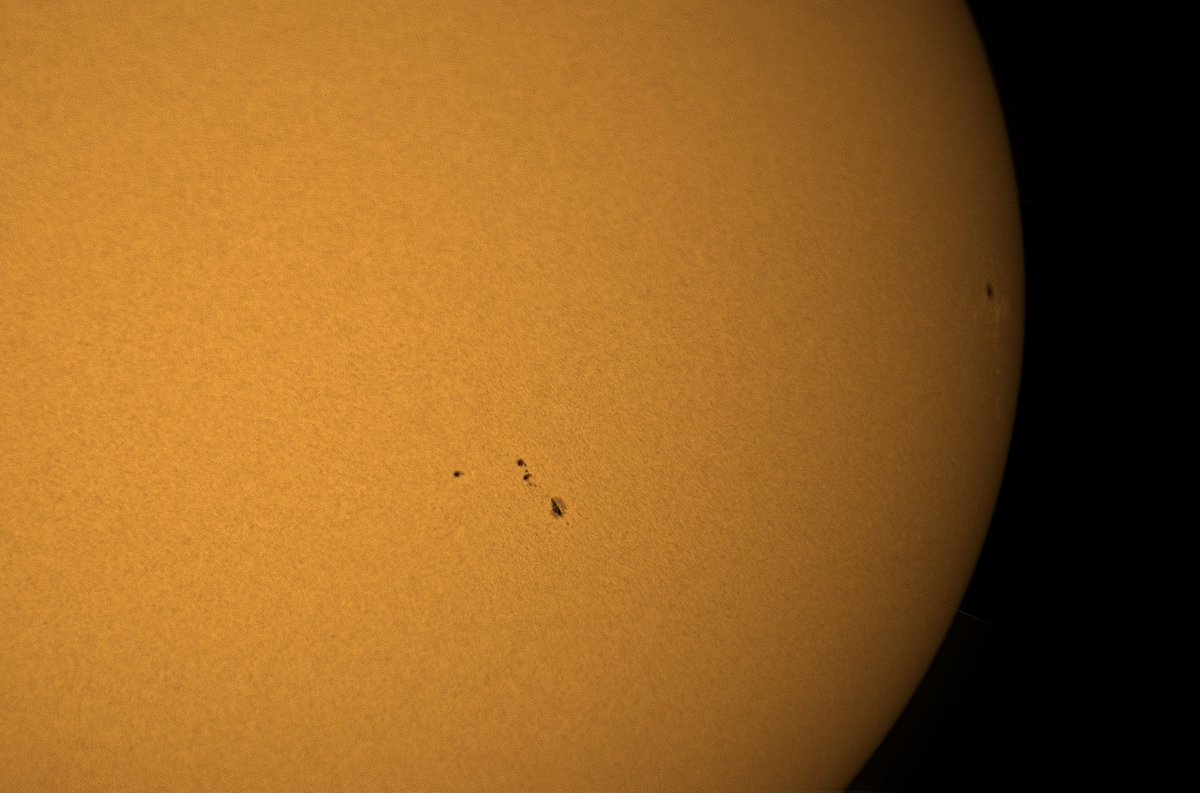
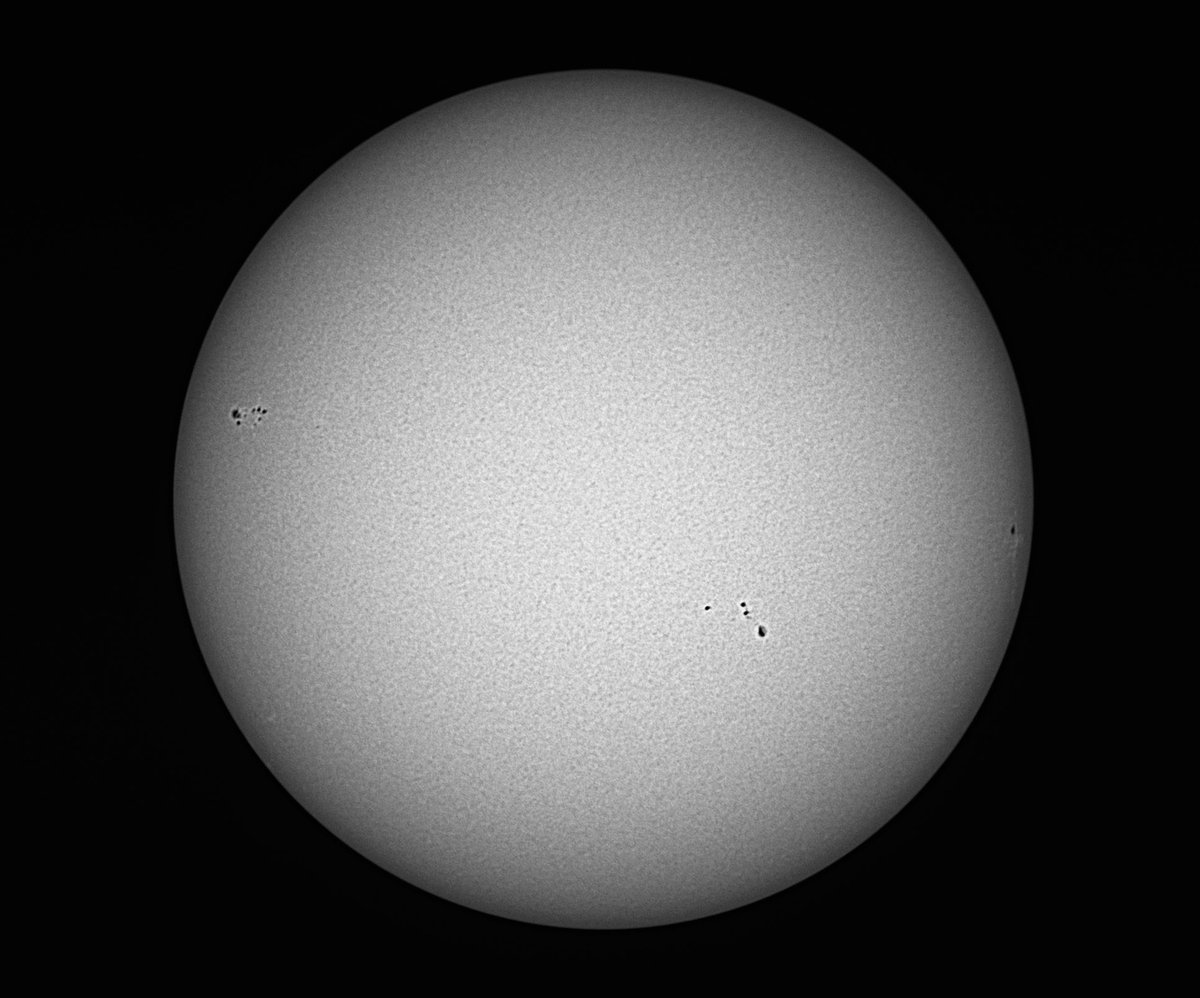
Two new regions assigned today. AR 2819 is located in the northwest quadrant and appears to be stable. Of interest, new AR 2820 formed just to the SW of 2818 and continues to gradually expand. Depending on additional development, It could soon produce an isolated C-Flare.
Partial halo CME observed early Thursday has potential Earth directed component with impact possible by April 25th. Moderate (G2) geomagnetic storm watch officially added. Aurora sky watchers from middle to high latitudes should be alert. https://t.co/aqK4Q6XdAY
About two hours of the sun's activity sped up into 5 seconds of video, played forward and then in reverse. This was going on today on the Eastern limb of our star, captured using a specially modified telescope from my backyard. #astrophotography#space#opteam
A coronal mass ejection erupted from the Sun on April 17 and passed Mars overnight on April 21-22. NASA monitors eruptions like this as they can trigger particle and radiation events that pose a risk to astronauts and sensitive spacecraft electronics. https://t.co/VR2lFPhGkA