Things can be rationed in one of four ways:
Price
Queue
Lottery
Political favour
Societies have tried each of these mechanisms of thing-distribution over the centuries.
Only one of them incentivises more production, and therefore more for everyone.
My whole life I've believed that choosing to end one's life painlessly and legally in the case of terminal or unbearable chronic illness should be possible, but seeing how it's gone in Canada I have very little faith that any legislation would get it right.
I agree with Rupert that having a massive VAT cliff edge is a disincentive to grow.
I disagree that the solution is to create an even bigger VAT cliff edge.
Remember when AI researchers used to be like, "this is a neural network, isn't it cool? It can say DOG or CAT if you show it a DOG or a CAT :)" and now they're like, "we're gonna make God before China does" okay
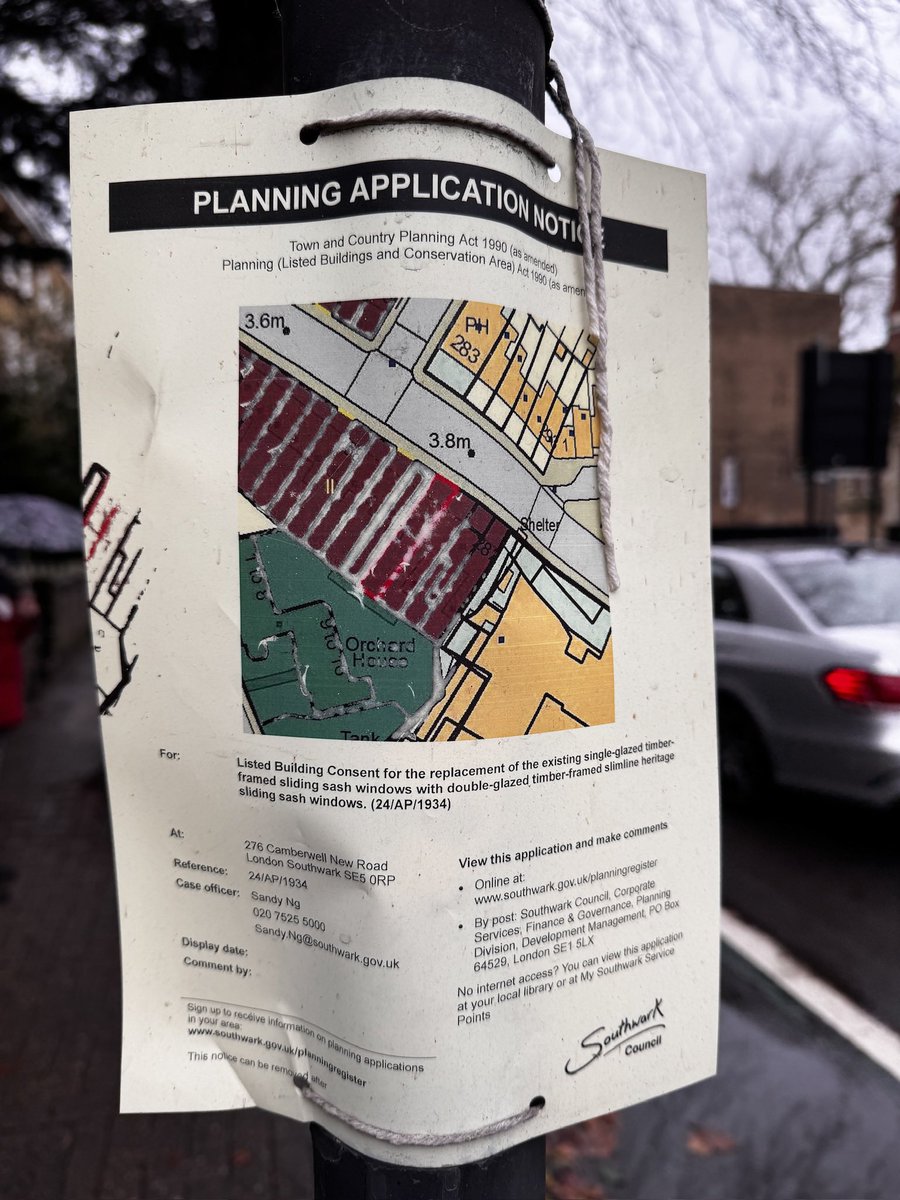
I think an easy planning and environmental ‘win’ would be to stop requiring people to get their neighbours’ permission to install visually near-identical double glazing in listed buildings.
“The highest performing country outside East Asia” in maths @Samfr reports. A huge achievement, which will echo through society for decades as the kids benefiting from it go through life. Hopefully we might see an end to sneering at the idea there have been genuine successes in education policy
if railcard in ["16-25", "26-30"] and cost < 12:
print("Not valid before 10am most weekdays, see Railcard restrictions.")
else:
print("Travel any time of day.")
Happy to licence this code to rail operators for a fee - DM me.
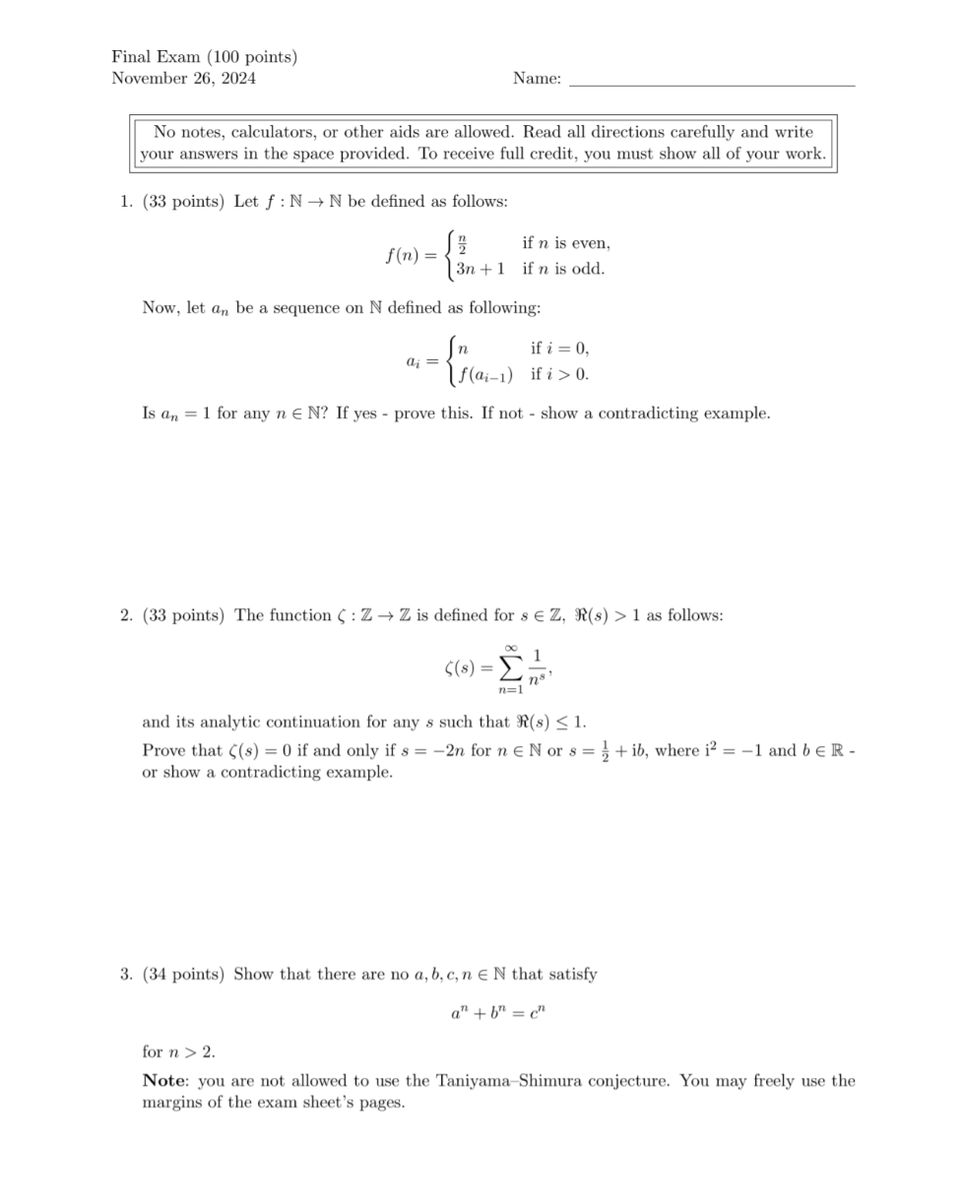
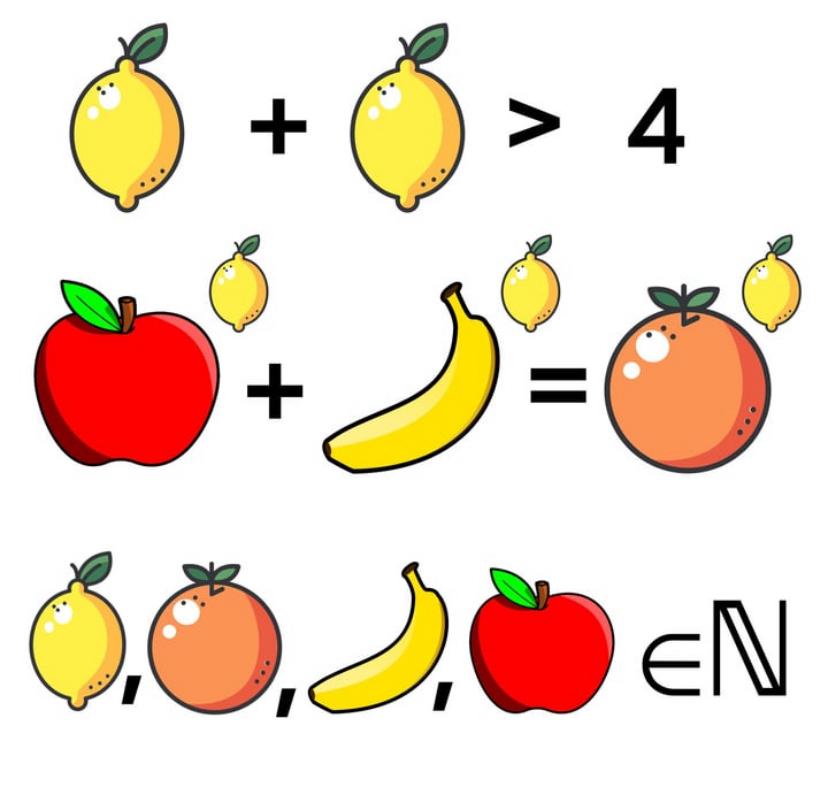
Prove you are smart.
Just 1/(every single person alive since mid XVII C) can solve this. Hint: you may need to make use of the modularity theorem for elliptic curves. 😏
The first point here is much more important than people sometimes want to realise.
Typos on safety critical things evince a risk of general lack of care and attention.
It's why I get animated about code comments with typos in really mission critical paths.