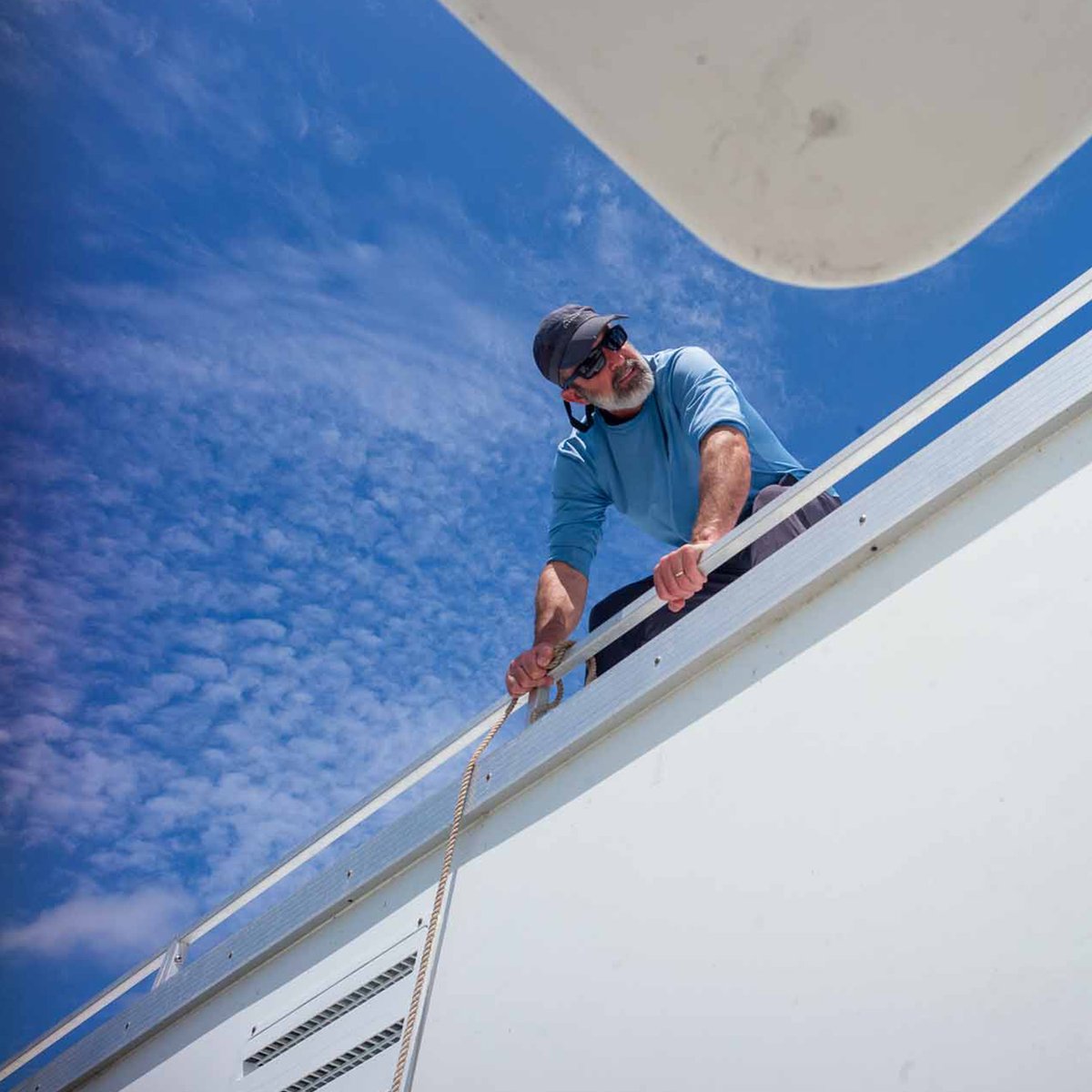
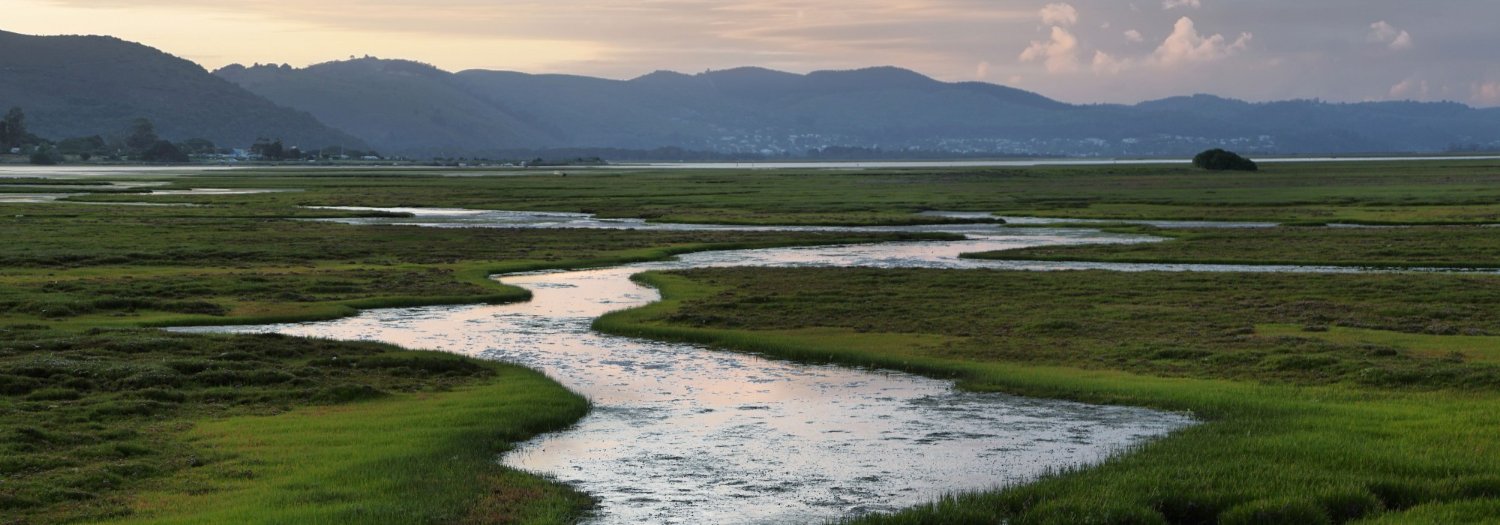
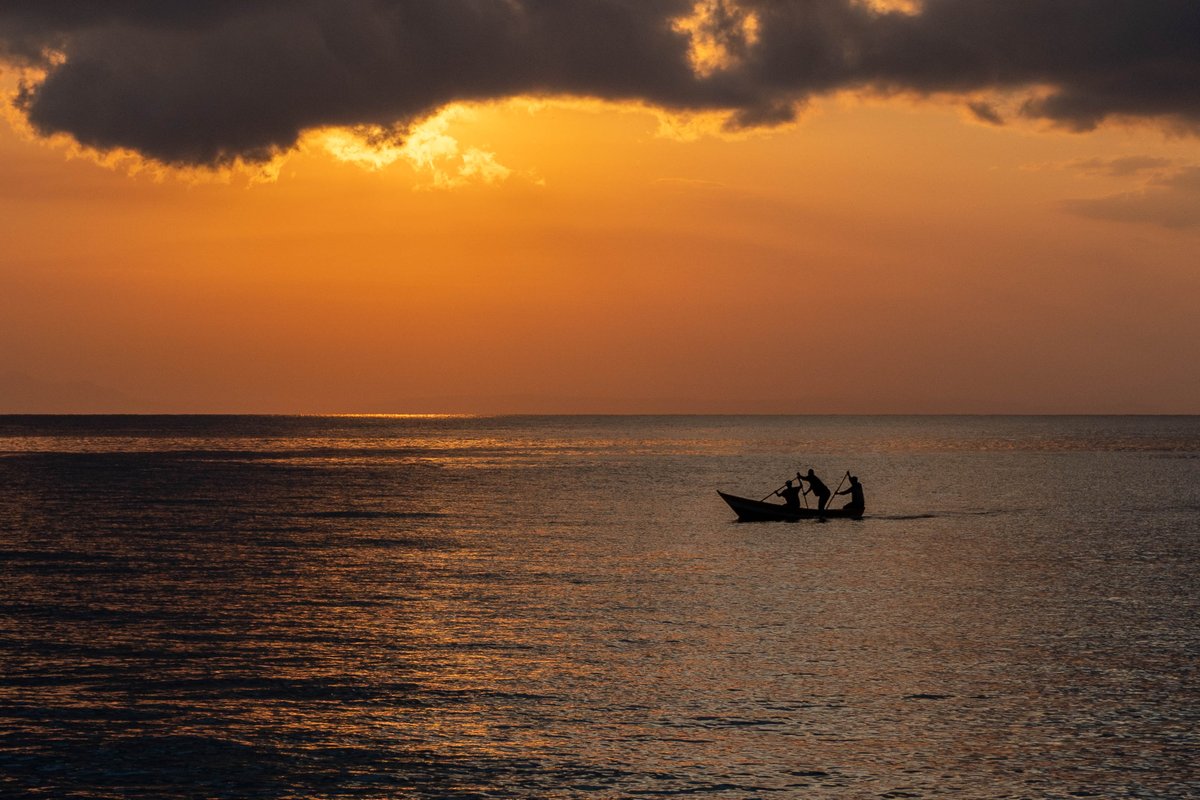
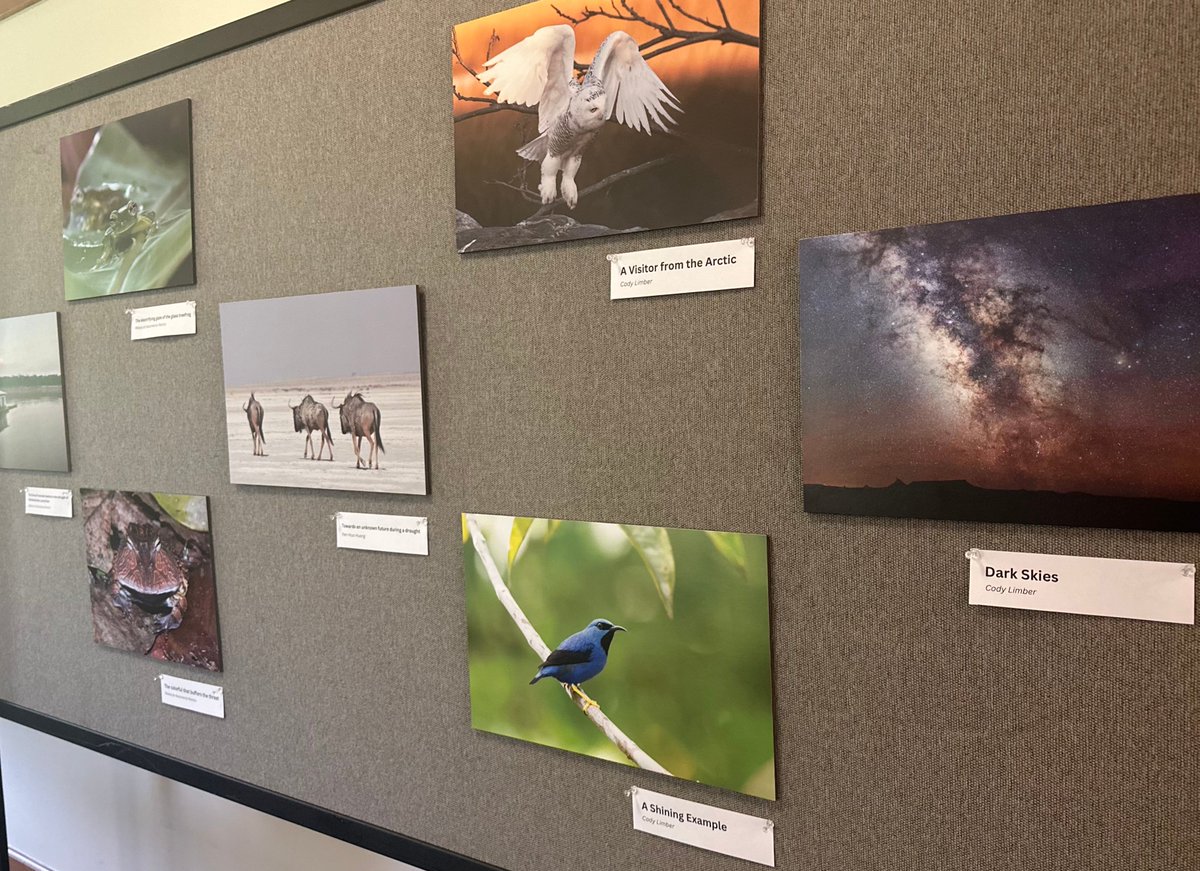
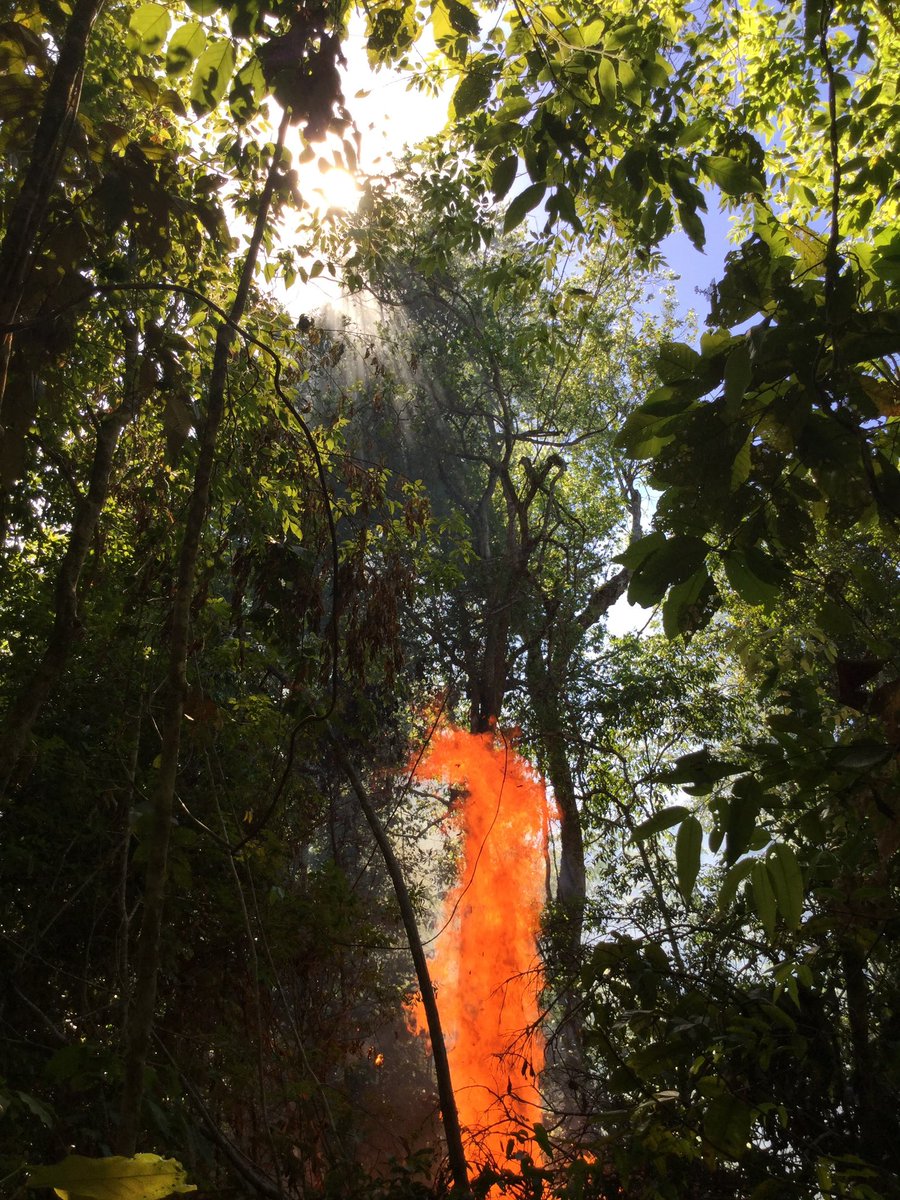
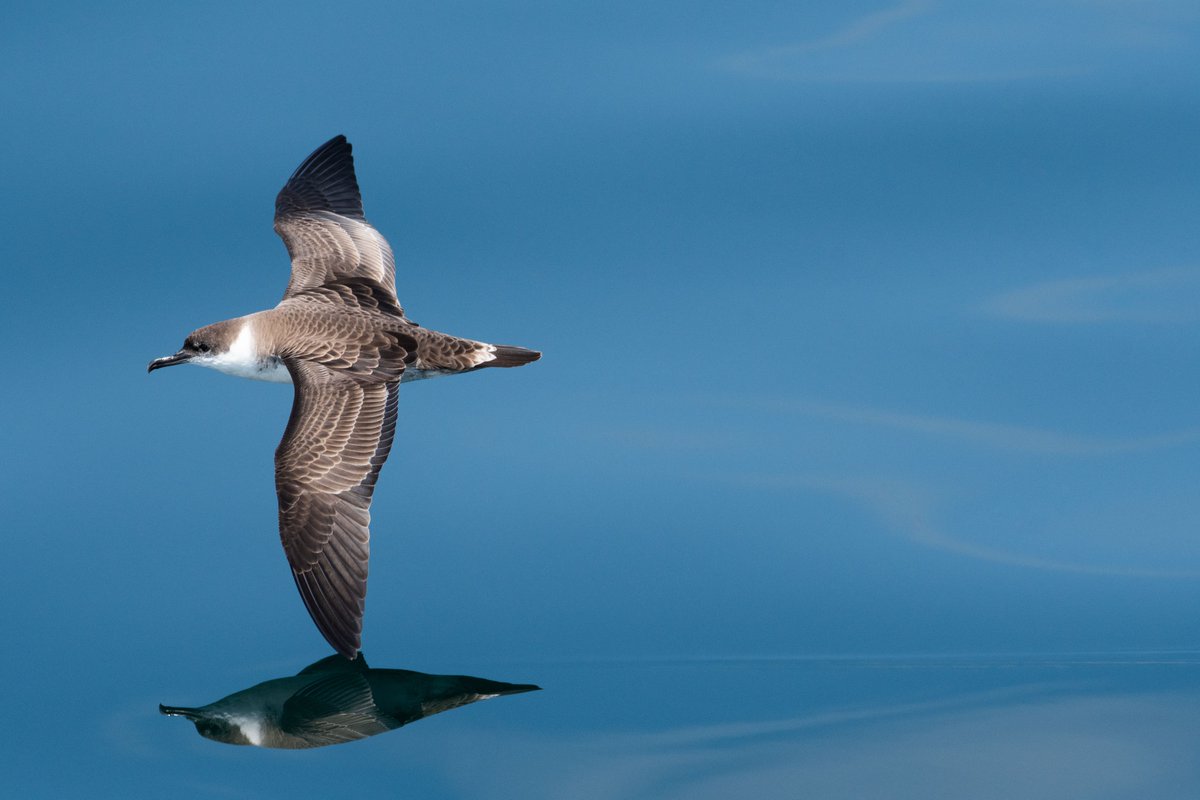
Congrats to the winners of our @YaleClimateComm-sponsored #YaleClimateDay 2024 photo contest! 📸
1st: "The electrifying gaze of the glass treefrog" by Raissa Rainha
2nd: "A Visitor from the Arctic" by Cody Limber
3rd: "Great the Dawn" by Yue Li
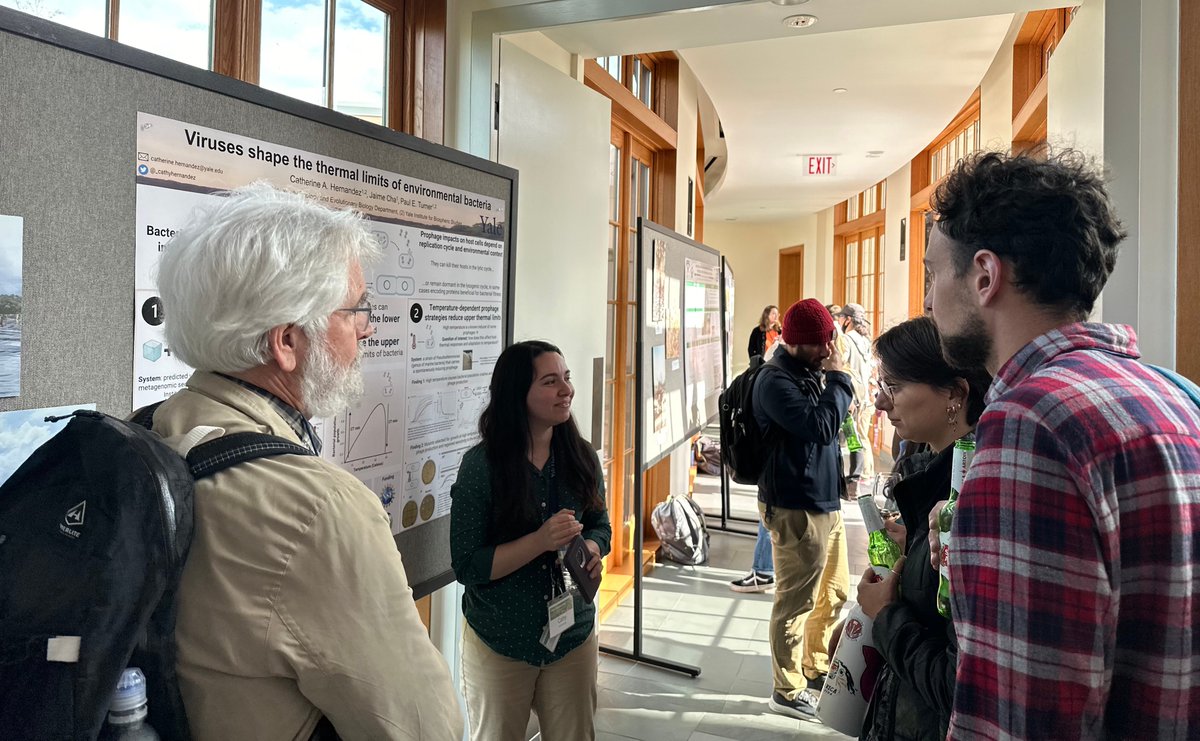
Thank you to all who attended and participated in our annual #YaleClimateDay event last week! We were happy to host six speakers from outside of Yale, as well as a poster session and photo contest with submissions from our graduate students and a few post-doctoral associates.
For centuries, paleontologists have had to rely on intuition re whether reconstructed joint poses "look right." Today in @NatureComms: we created a way to formalize & test that intuition, & discovered that articular surface interactions distinguish locomotor poses in dinosaurs 🧵
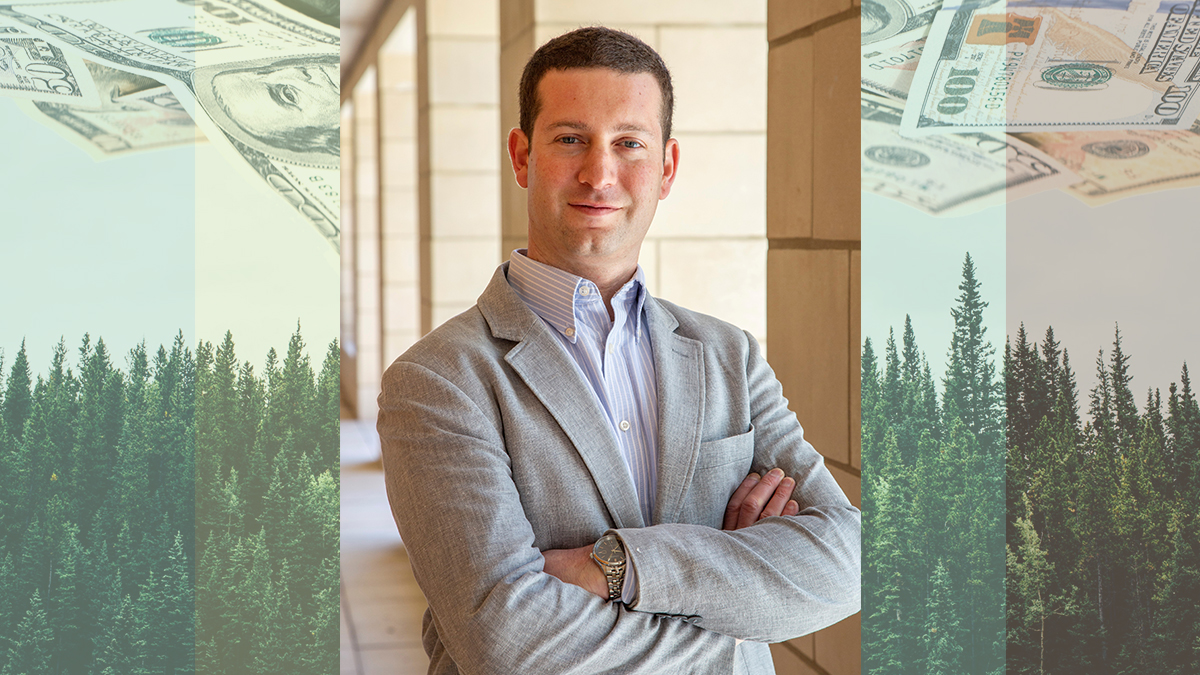
Join us on Wednesday, 11/15 for the Bass Distinguished Lecture--"Connecting Environment and Economy"
https://t.co/CJYBG20r5H
@YaleEnvironment professor @EliFenichel discusses where, why, and how the environment is emerging as a primary driver of economic policy decisions. @Yale
Join @YaleEnvironment as a postdoc to study the causes & consequences of forest degradation in Amazonia.
Let’s work on solutions & tools to prevent future degradation.
Let’s understand how agri intensification is changing the tropics.
@YaleBiosphere
https://t.co/2hxxxecqtT
Using a case study from Kruger and data synthesized across tropical savannas, our new paper presents compelling evidence that soil carbon in tropical savannas is mostly derived from grasses, even under woody encroachment.
https://t.co/cdLSxLK1NO
https://t.co/3RzTOcKmGV
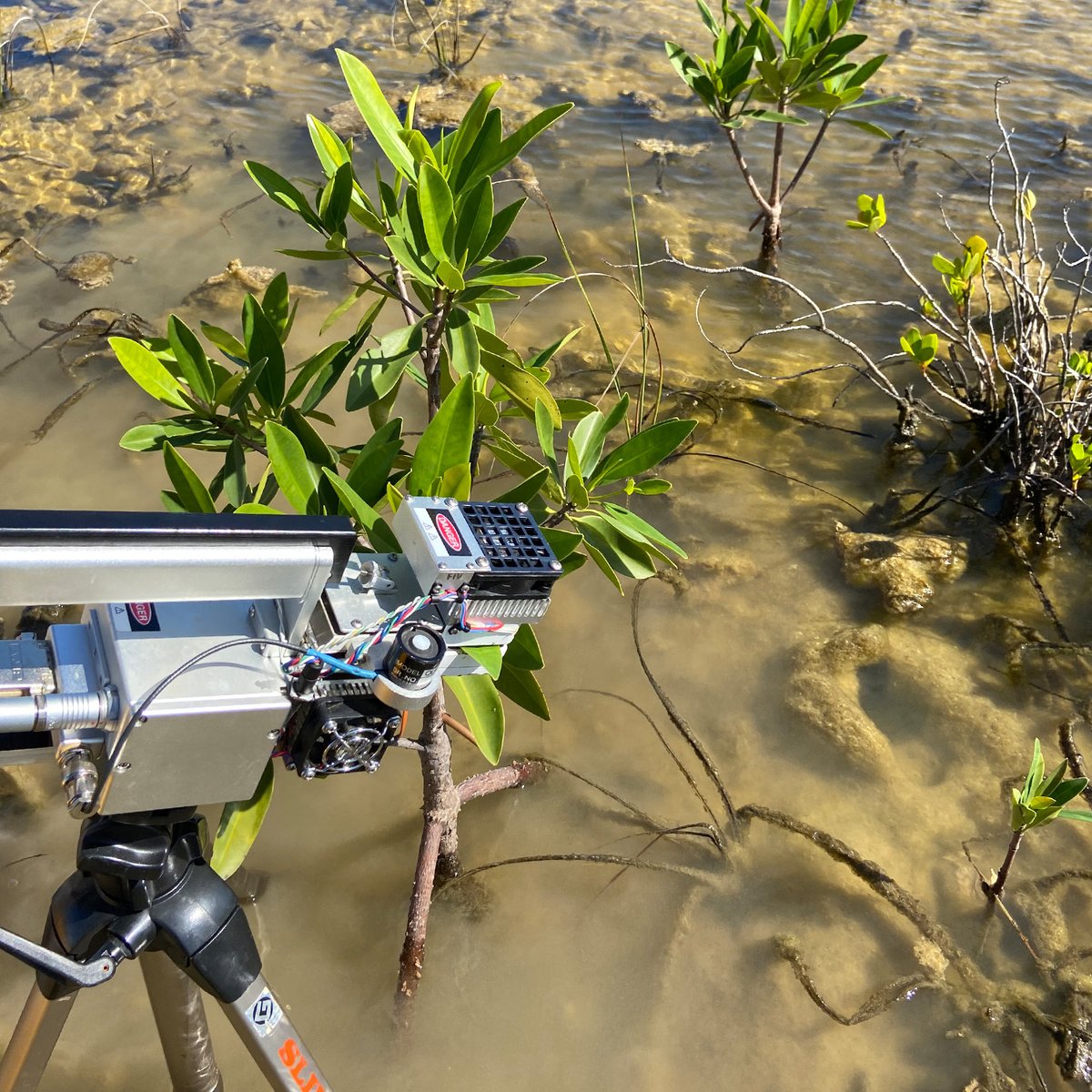
#MangroveDay Professors Peter Raymond and @SparkleLM85 have been researching the effects of climate change in the Florida Everglades, which is home to 1.5 million acres of mangrove forests. #YSE#ClimateChange
A new Yale study examines how some North American birds seek the same weather conditions all year long across migratory routes. #Yale https://t.co/yAwfBTzvT3
Curator Derek Briggs is searching for Earth's first animals.
“What are the chances of finding fossils of the earliest, tiny, decay-prone animals in rocks > 600 MYO? Is [their] absence...simply a case of conditions that did not favor preservation?”
https://t.co/7llNU6iwR9 @Yale
Includes commentary by #YSE Senior Research Scientist Jennifer Marlon: “It’s hard to imagine what summers will be like for our children and grandchildren in the next 20 years. This is exactly what global warming looks like.”
https://t.co/NxyRFhplV8
#Climatecrisis#globalwarming
Curator Martha Muñoz introduced @NatGeo to animal species that have evolved to tolerate extreme heat. Some are adapting more quickly, but few can keep up with climate change.
All are “existing on borrowed time, and time is running out."
https://t.co/6jPS39M5Sh @MunozLabYale
‼️🔥 Smoke from Canadian wildfires has led to unhealthy air quality in much of the Northern U.S. 🔥‼️
Here are 6 steps you can take to stay safe when air quality is unhealthy ⬇️🧵
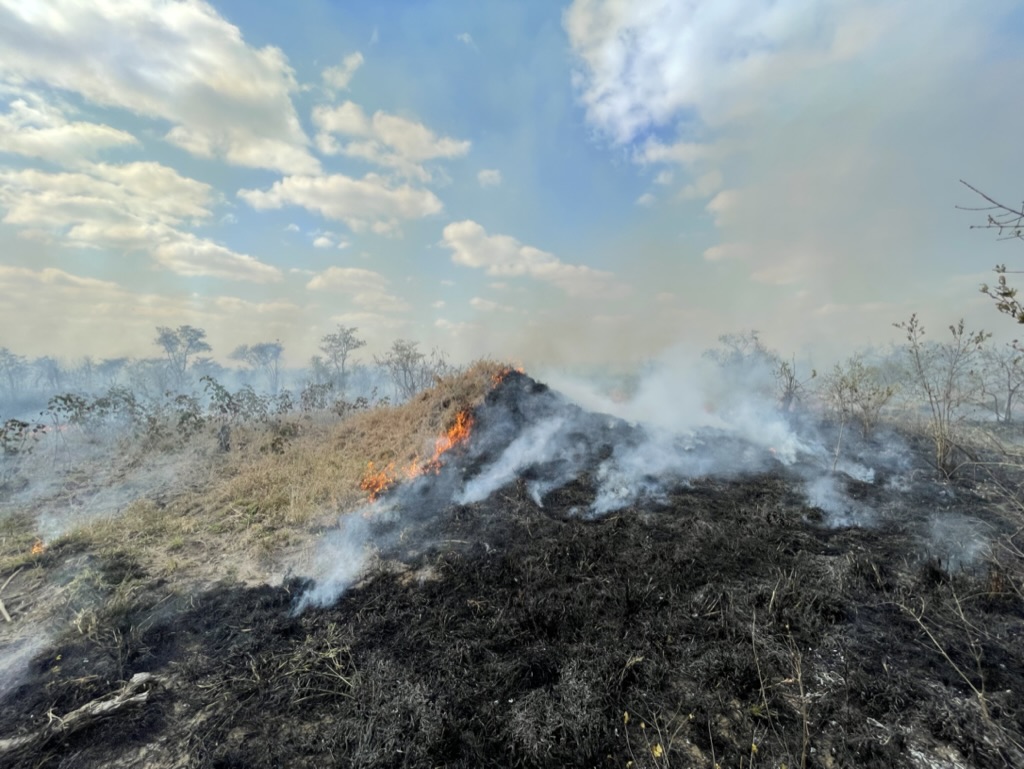
Congrats to the winners of our @YaleClimateComm-sponsored @Yale Climate Day 2023 photo contest! 📸
1st: "Sunrise over Southern Kruger National Park though smoke from controlled burns" by Will Rogers
2nd: "Shearing Water" by Cody Limber
3rd: "Savanna grass fire" by Riley Wadehra
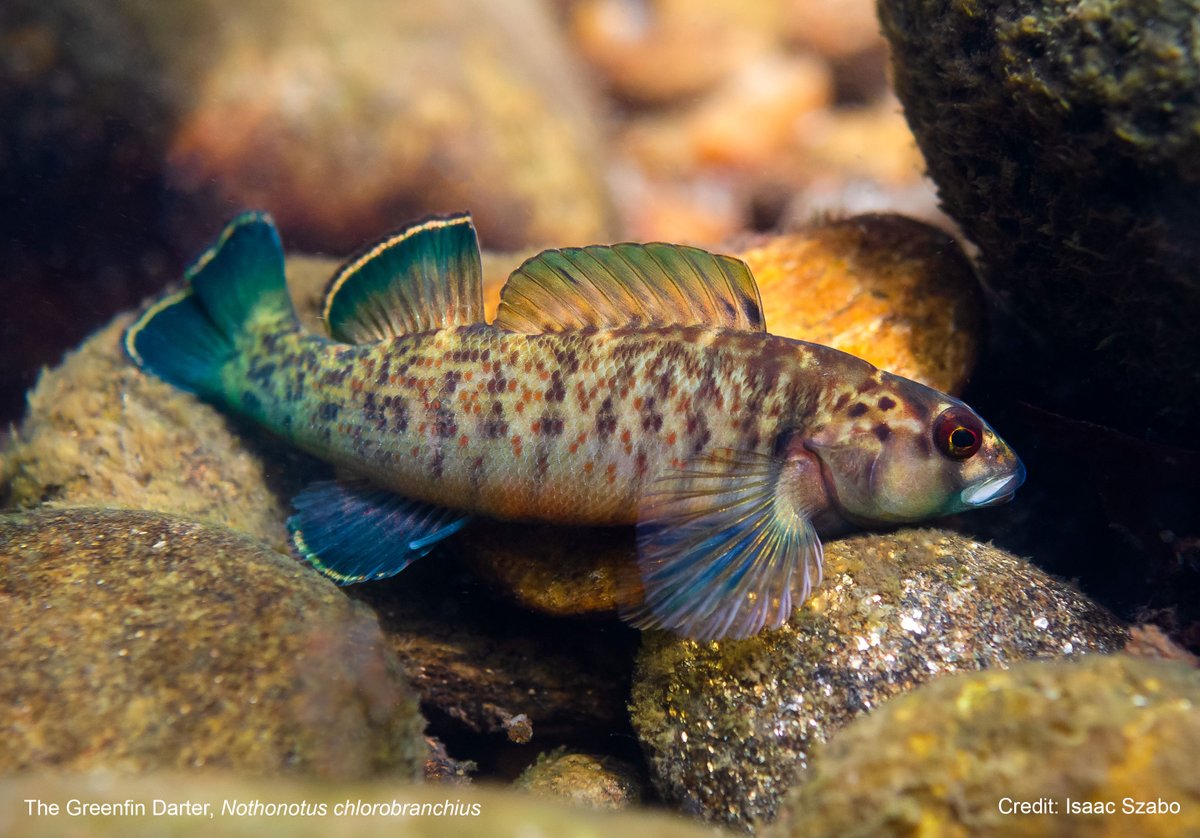
The erosion of the Appalachians could be driving fish biodiversity in the species-rich American SE.
Research from Maya Stokes and curator @TJNear sequenced the DNA of greenfin darter specimens in the collection to uncover this "speciation in action":
https://t.co/Y7kbo7Q1pW
New research suggests that if a major blackout coincided with a #heatwave in #Phoenix, around half of its population (nearly 800,000) would require emergency medical care for heat stroke or other heat-related medical issues: https://t.co/btIdISvtPx via @nytimes
Climate change is not only driving up ocean temperatures, it is also stripping the seas of oxygen.
Fish are already moving to new waters in search of oxygen, and scientists warn that future oxygen loss poses a grave threat to marine life.
https://t.co/V4rY05co69
Cities tend to be both dryer and hotter than surrounding rural areas, which can help or harm urban residents depending on other regional factors. A new Yale study examines what it means for city dwellers in the humid Global South. @YaleEnvironment#Yale https://t.co/XQfH98rkNP
🚨 POST-DOC ALERT 🚨
-Yale Department of Anthropology
-One year, start September 2023
-Experience with: agent based model development and optimal foraging theory
-Aim: model 30,000 years of forager-environment interactions in the Zambezian biome
-DM me for details
-Please share!