For me it works as good as the Studio Display standard glasss model (not the one with XDR), if you turned off HDR.
If you want anti-glossy display I would recommend ROG XG27JCG, same 5K 165HZ 218ppi, which I've tried before Kuycon P27Z. Though for me I want a crisp, glossy display effect so I returned it.
现在几个主流的 AI 厂商在 web 端其实都提供了丰富的 Agent 功能(Claude 迭代最快,很早就把基于云环境的 Claude Code 集成进去了),我看了下自己的使用场景,很多时候之所以选择本地 Agent 而不是 Web UI(如 Claude 和 ChatGPT 官网),大抵还是出于效率考虑。比如我需要对一个 GitHub 代码库做分析,在 web 上问 Claude 或者 ChatGPT 也行,但速度很慢,AI 需要去爬取代码库网页内容,其实还不如我直接把关联的代码库都 clone 到本地,然后交由 AI 去做详细分析和探索,这样反而速度最快。
Obsidian Web Clipper 新推出的 Highlights 功能支持收藏任意网页的高亮内容,感慨 Obsidian 在增强用户的写作和阅读体验这件事情上真的做了很多功夫,而且自始至终一直是 build in public,内容很务实,不做预告和饥饿营销,文案也是朴素的风格,在 AI 热的时代这种产品团队确实不多了。
I am building Obsidian Reader because I wonder how the web would feel if it was designed solely around the reading experience.
There is so much cognitive burden that comes with every site having different layouts, fonts, ads, popups, cookie banners, engagement traps, etc.
最近美图创始人吴欣鸿的内部讲话,表面看是分享 AI 时代的组织进化,实则是一次深刻的自我剖析和对大公司病的宣战。最引人注目的观点,是他毫不避讳地指出了“惯性工作流”的弊病——那些看似规范却严重拖累效率的流程,比如“细节拉满但无人细读的需求文档”和“无休止的会议”。
这背后反映出一种深刻的焦虑:在灵活的 AI 创业团队面前,传统互联网公司的规模和流程正从优势变为沉重的负担。他们提出的解法,是在 RoboNeo 项目中实践的“反惯性工作流”。其中最关键的突破,是借助 AI 工具,实现“一个人就是一支团队”。例如,海外运营仅靠一人完成,设计师 5 分钟就能上线一个新效果,这彻底颠覆了过去依赖多部门协作、排期的工作模式。
这种变革的本质,是从依赖“流程和分工”转向依赖“人和工具”。它挑战了传统组织管理中“分工越细越专业”的共识,预示着未来组织的核心竞争力,将取决于能否将 AI 工具转化为个体战斗力,打造出小而精、高自主性的作战单元。
We are adding support for plugins to ChatGPT — extensions which integrate it with third-party services or allow it to access up-to-date information. We’re starting small to study real-world use, impact, and safety and alignment challenges: https://t.co/A9epaBBBzx
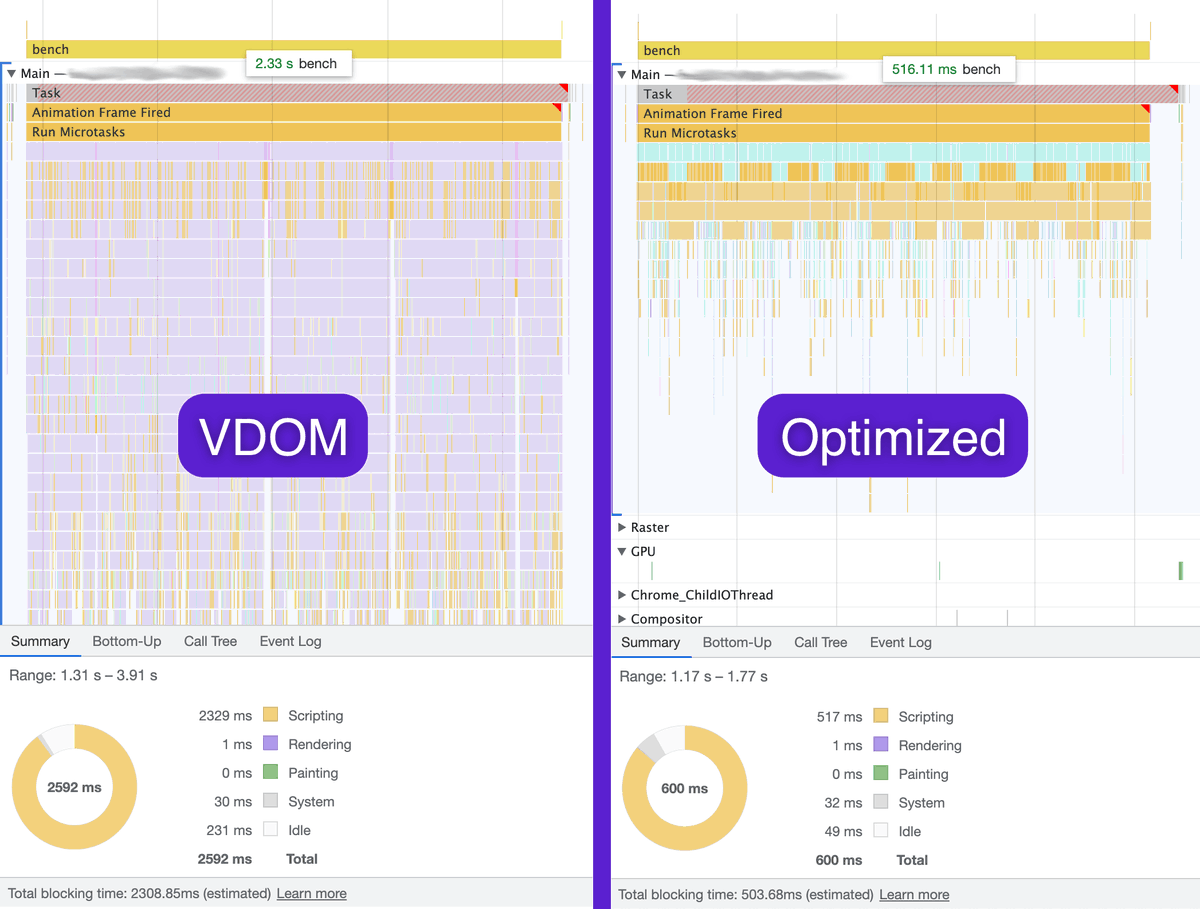
New state model for VDOM dramatically simplifies your code, and is also kinda performance magic.
Left: standard component rendering
Right: same code with optimization enabled
(no compile, just a library and stock @preactjs)