@LaocoonofTroy As someone who went through seven years of graduate training in American history, it was understood that Zinn was something you probably read in high school, and was afforded a comensurate level of respect by academic standards.
A key point @jennfrey makes here is that despite hand-waiving about the student-customer model, the humanities are often cut even when student demand is high. Heard the same from folks at Chicago last year—cuts to the classics despite an explosion in classics interest nationally.
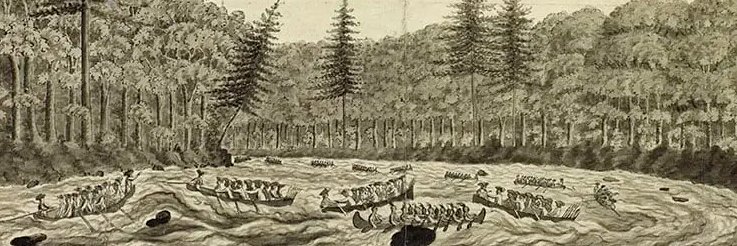
"In this engaging and original new book, Zachary M. Bennett takes readers on a journey through New England’s rivers over centuries of colonization, encouraging us to see the region’s waterways as sites and sources of power. A marvelous achievement." —Andrew Lipman
Great article on America's river restoration revolution:
"Last year, more sections of the country’s rivers were reconnected thanks to dam removals than at any other time in history" https://t.co/Rj6JGBoeqy
@tomagain@CharlesCMann Yes, see Stephen Ambrose and Doris Kearns Goodwin. I think Lepore wouldn’t disagree that she stopped being a serious academic historian a while ago.
If a rehabilitation of Nixon happens, it means Boomer liberalism is truly over
There is no figure Boomer liberals hated more than Nixon & a massive amount of their movement (vaporization if the press, anti-war) all comes from this exp of their formative yrs & endless retelling
A lot to think about here. African slaves raise their hands in supplication to Christ in this mural of the French slave ship Le Saphir (1741) https://t.co/MsbBlAjNHI
“For books are not absolutely dead things, but do contain a potency of life in them to be as active as that soul was whose progeny they are; nay, they do preserve as in a vial the purest efficacy and extraction of that living intellect that bred them.”
― John Milton, Areopagitica
@ShadowbanSlam@GregMooreNH@jeremykauffman as someone from the region, NH is the only of the 3 that is firmly ensconced within Boston's economic orbit. NH might be in the sweet spot of suburbia that avoids the worst aspects of urbanism.
@MichaelRapp I knew one of the 2014 Pulitzer history prize committee members who picked Alan Taylor's Internal Enemy. She told me the book was selected for "highlighting the agency of enslaved people," when that wasn't really what the book was about.
Dostoevsky captures the essence of the modern, downwardly mobile progressive activist, 150 years early. A conviction of higher destiny, no path to reach it, and a misery that converts into hatred of the surrounding world. Politics is downstream of psychology, and this is the psychology.
@NickBurns The Barbarous Years isn't without its problems--it's probably Bailyn's weakest book. Much like scholarship on the origins of African American culture, the places people came from across the ocean are discernable and often mattered.