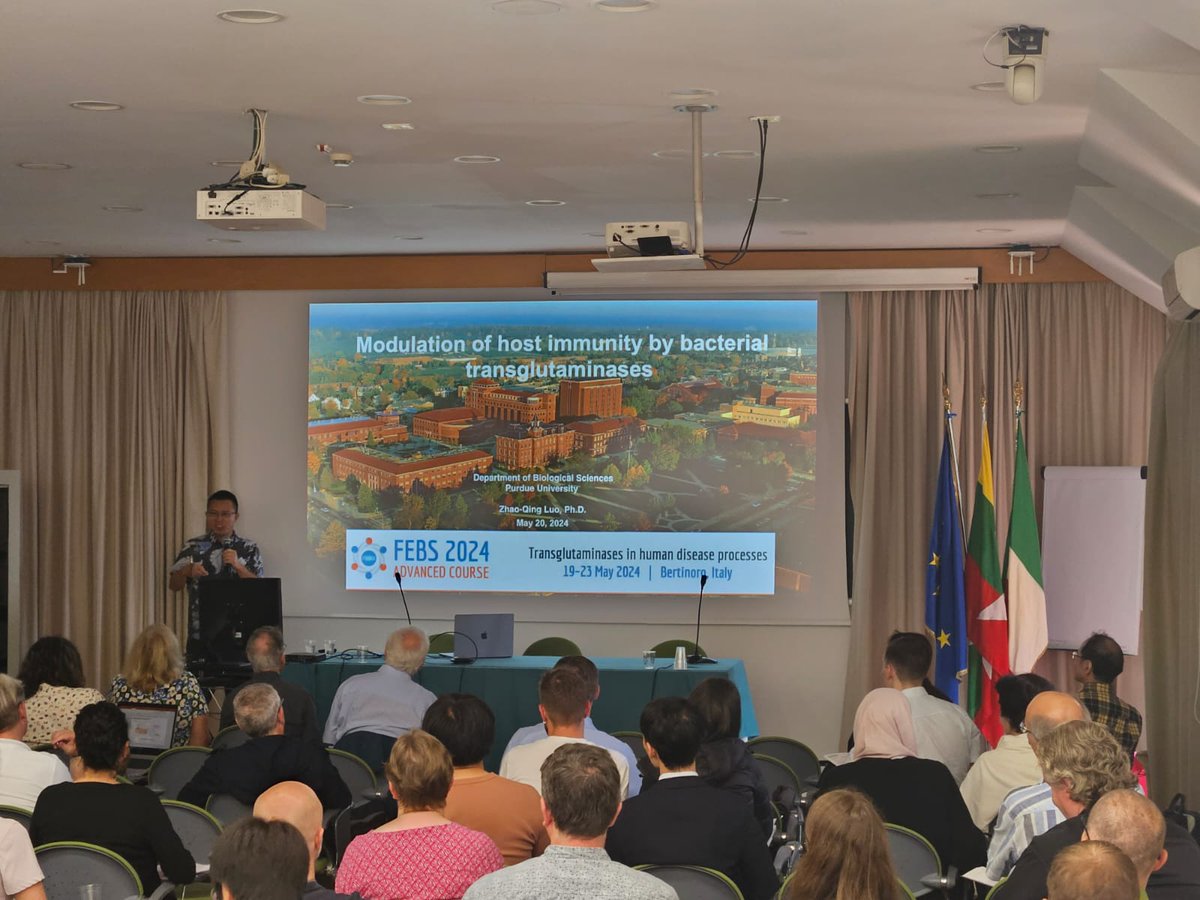
@journal_mlife@WileyLifeSci Nice to be part of the team discovering the enzymatic activity associated with the toxin-antitoxin complex. It will be of interest to see whether other toxin-antitoxin complexes have similar activity.
New in #mLife: How do bacteria reverse toxin-imposed protein modifications?
A new work reveals that the Fic-1–AntF toxin–antitoxin complex from Pseudomonas bijieensis functions as a deAMPylase to regulate DNA gyrase activity. @WileyLifeSci@ZhaoQingLuo
🔗 https://t.co/LCdrXiRIDz
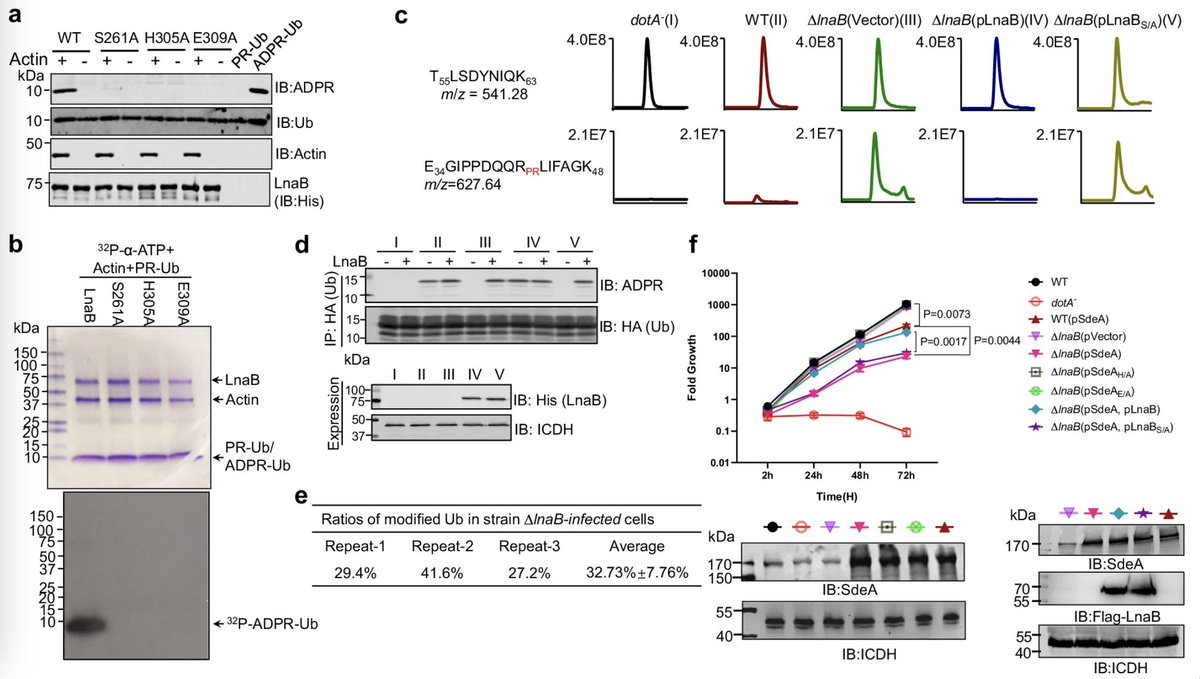
Legionella maintains host cell ubiquitin homeostasis by effectors with unique catalytic mechanisms. https://t.co/eb7RSxBHI4
A study that I considered as the most comprehensive and innovative is finally published. It was grilled for almost two years 🙄a growth defect phenotype?
This is unexpected! A BIG thank you to my lab members, current and former, who have made this possible! to my collaborators and mentors! Thank you to the Biochemical Society for this honor!
The 2025 Biochemical Society Award for Significant Breakthrough or Achievement is presented to Dr @ZhaoQingLuo! This award recognises his outstanding contribution to the field of bacterial pathogenesis by seminal discoveries pertaining to molecular basis of Legionnaires’ disease.
Acinetobacter baumannii coordinates central metabolism, plasmid dissemination, and virulence by sensing nutrient availability | mBio https://t.co/sqIVILo9Dw excited to revisit the field of plasmid biology, more so it has Dot/Icm system that connects to metabolism and virulence.
Legionella pneumophila exploits the endo-lysosomal network for phagosome biogenesis by co-opting SUMOylated Rab7 https://t.co/ZJhE3VE8gL The impact of the RpsLK88R SmR on Lp biology, the lysosomal network is important for the LCV as well, more so for real "wild-type" bacteria.