Introducing Claude Opus 5.5, the first model in our new Claude 5.5 family.
It performs at the level of Claude Fable 5.1 for most tasks, and costs 40% less to run than Opus 5.
Introducing Claude Opus 5.5, the first model in our new Claude 5.5 family.
It performs at the level of Claude Fable 5.1 for most tasks, and costs 40% less to run than Opus 5.
Fine-tuning is about to become one of the most valuable AI engineering skills.
Not because everyone needs a custom model.
But because the people who understand how models learn from data will build things others can’t.
Full guide: https://t.co/oIfvJsZgea
Inference scaling part 1.
Starting with a modded text generation function (temperature scaling, top-p filtering, multinomial sampling) to generate diverse outputs for self-consistency and best-of-N (improving answer accuracy by>2x)
00:00 Introduction and recap
00:31 Training-time and inference-time scaling
07:52 What we'll implement
11:47 Notebook setup and model loading
17:43 Building a flexible text generation function
24:40 Chain-of-thought prompting
28:26 Sampling and output diversity
33:43 Next-token logits and greedy decoding
38:20 Temperature scaling step by step
42:46 Softmax and token probabilities
47:42 Multinomial sampling
54:51 Adding temperature sampling to text generation
59:31 Top-p filtering step by step
1:10:23 Adding top-p filtering to text generation
1:13:43 Sampling and LLM watermarking
1:16:01 Self-consistency and majority voting
1:20:36 Implementing self-consistency
1:29:02 MATH-500 results
1:35:01 Accuracy and compute tradeoffs
1:36:50 Next steps and self-refinement
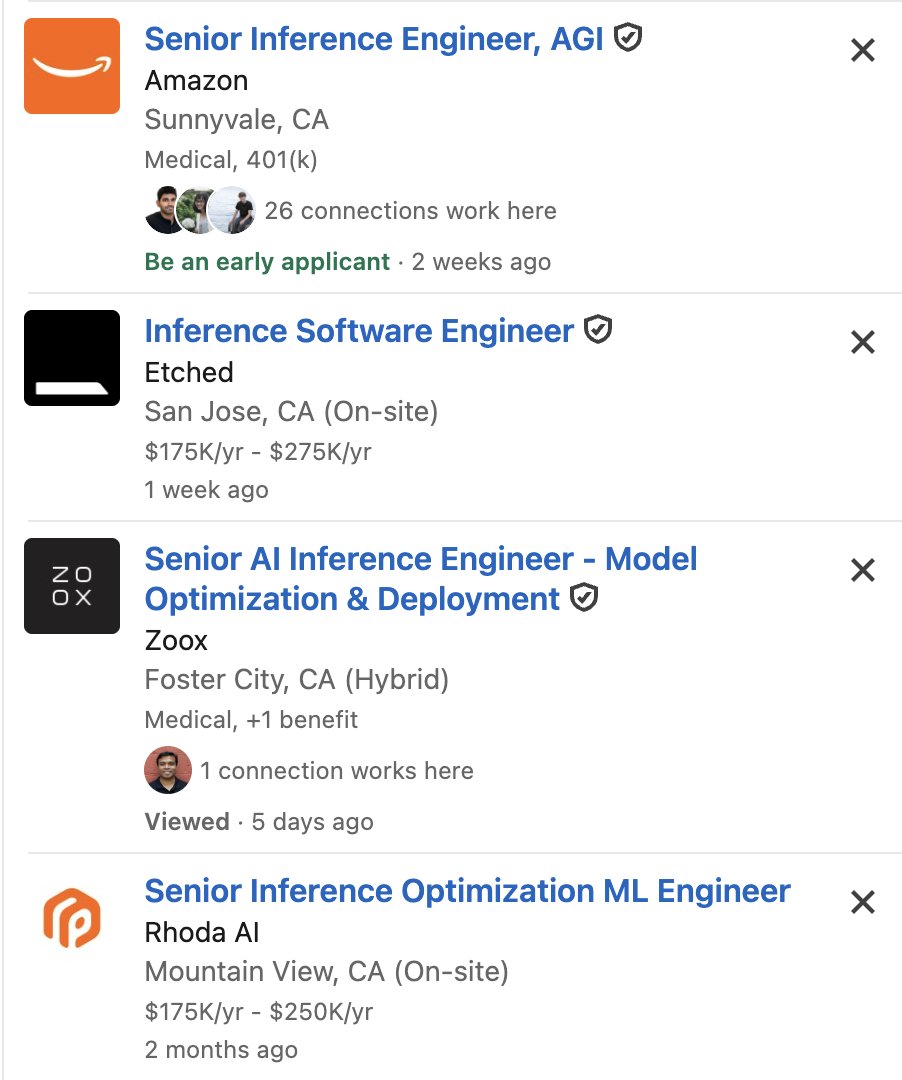
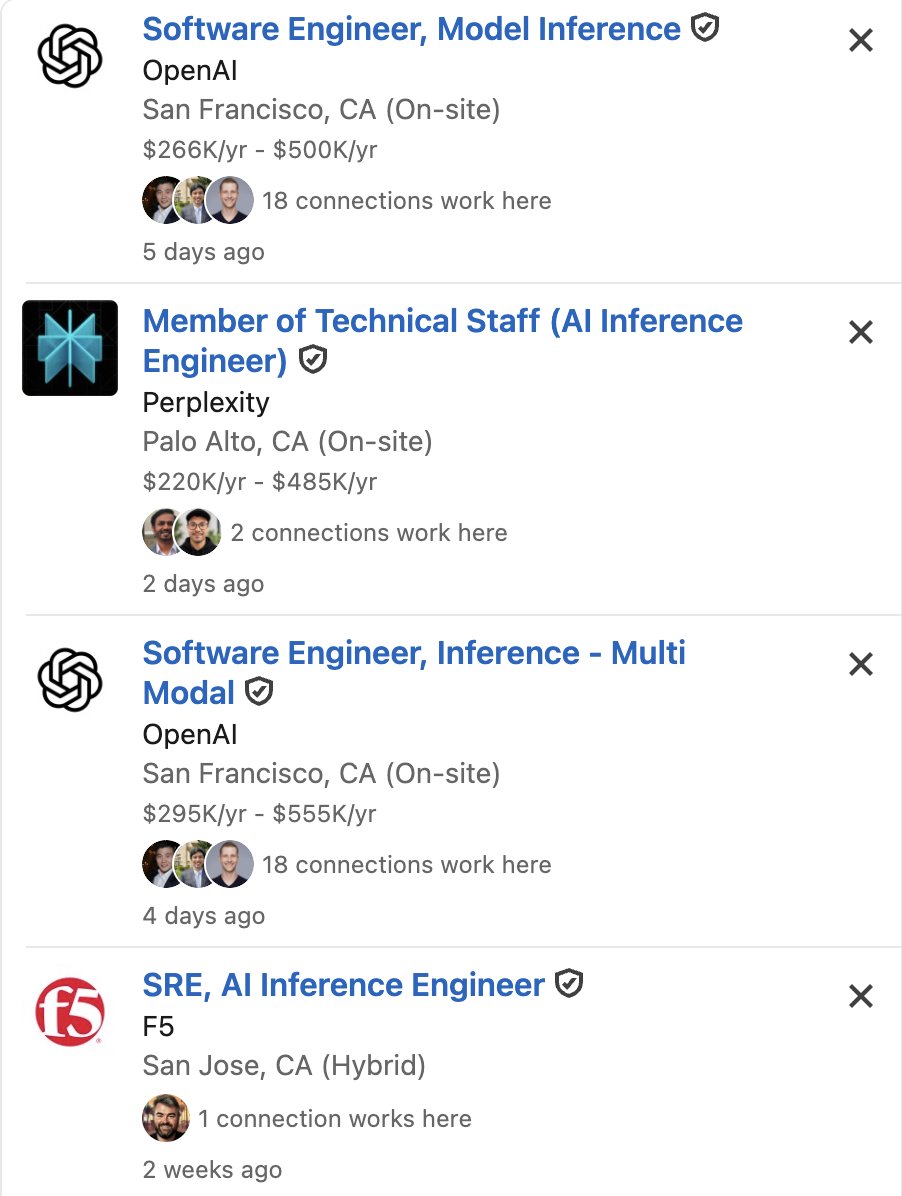
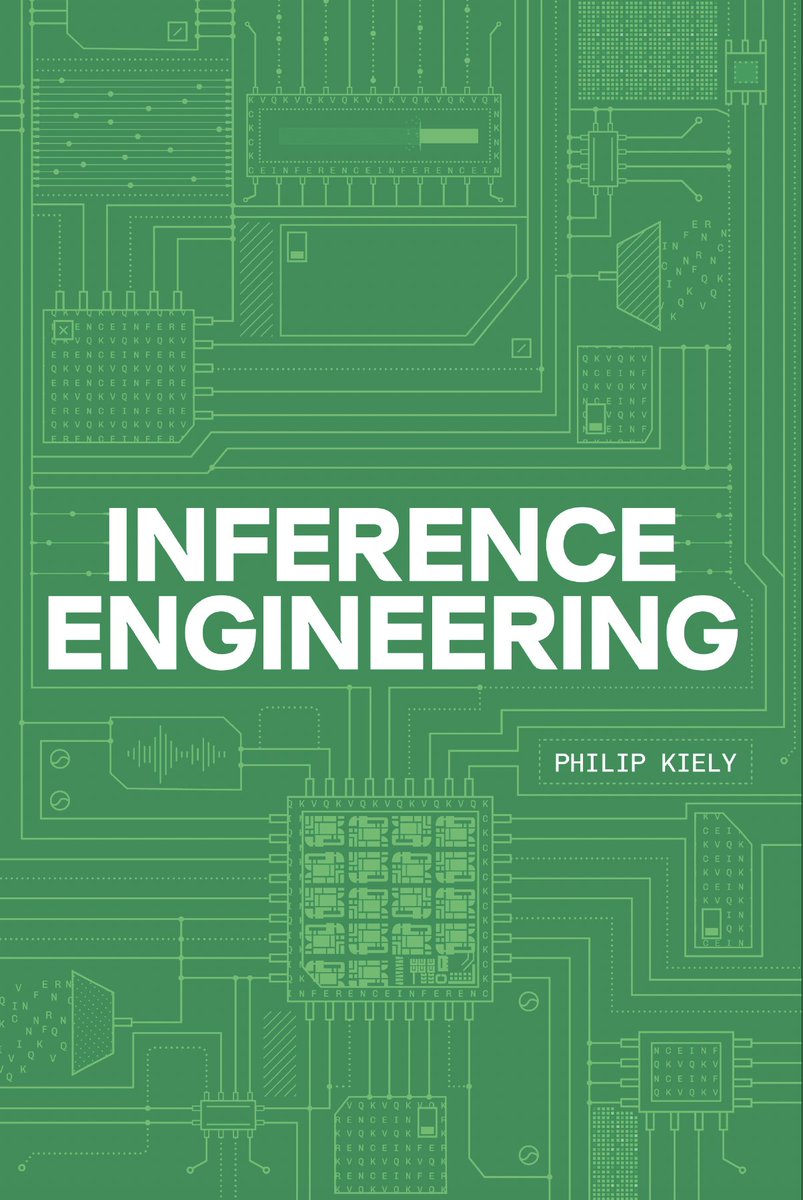
My agent tells me that inference engineering job openings have doubled in the past 6 months.
I think that's an underestimate.
Demand for inference has inflected, again. So too has demand for engineers who can operate AI models in production.