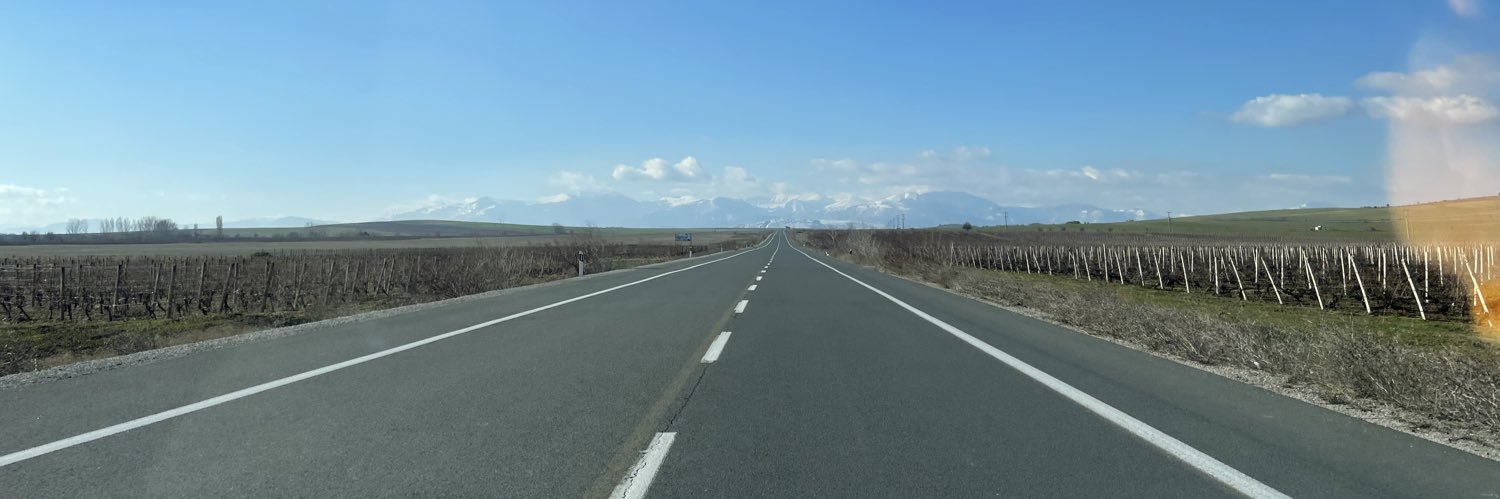
These two photos are the parentheses of a 50 year father-son relationship on this earth... From Skopje, to the USA and back to Bitola, all family, all love, some hardship, all growth and mainly gratitude... Words don't capture it, and neither do pictures... But the heart does.
Simon Sinek offers a counterintuitive take: The moment you step in and fix the problem, you stop being a leader:
You got promoted because you were the best at the job.
And that's precisely what makes leadership so difficult.
The same instinct that made you great at the work, seeing the problem, knowing the answer, fixing it fast, becomes a liability the moment you move into a leadership role.
Simon is direct about this:
"Then you're not leading. You're just doing the work. You just have the leadership position."
The people who now report to you may not be as good as you. They'll move slower. They'll miss things you would have caught immediately.
And in those moments, every instinct will tell you to step in.
But that instinct is exactly what you have to resist.
"You can't just come in and tell them how you would do it. You have to push them to solve the problems the way that they would, just like someone did for you once before."
Someone once gave you the space to figure it out. That patience is what shaped you. Now it's your turn to offer the same to others.
Simon points to Chanel as a company that has built this principle into its culture.
Newly hired senior leaders are not allowed to speak in meetings for their first three months.
"You don't know anything about our company. And you'll learn by listening."
Chanel trusts that their leaders will be around for the long term, so 90 days of silence is a small price to pay for someone who truly understands the business before they start shaping it.
That's institutionalised patience. And it's almost unheard of.
Most organisations reward speed, decisiveness, and output. So the pressure to swoop in and fix things feels justified, even virtuous.
But Simon draws a hard line between having a leadership position and actually leading.
One is a title. The other is a practice.
And that practice demands something most high performers find deeply uncomfortable. Watching someone struggle toward an answer you already have, and choosing to let them find it themselves.
That restraint is the real work of leadership.
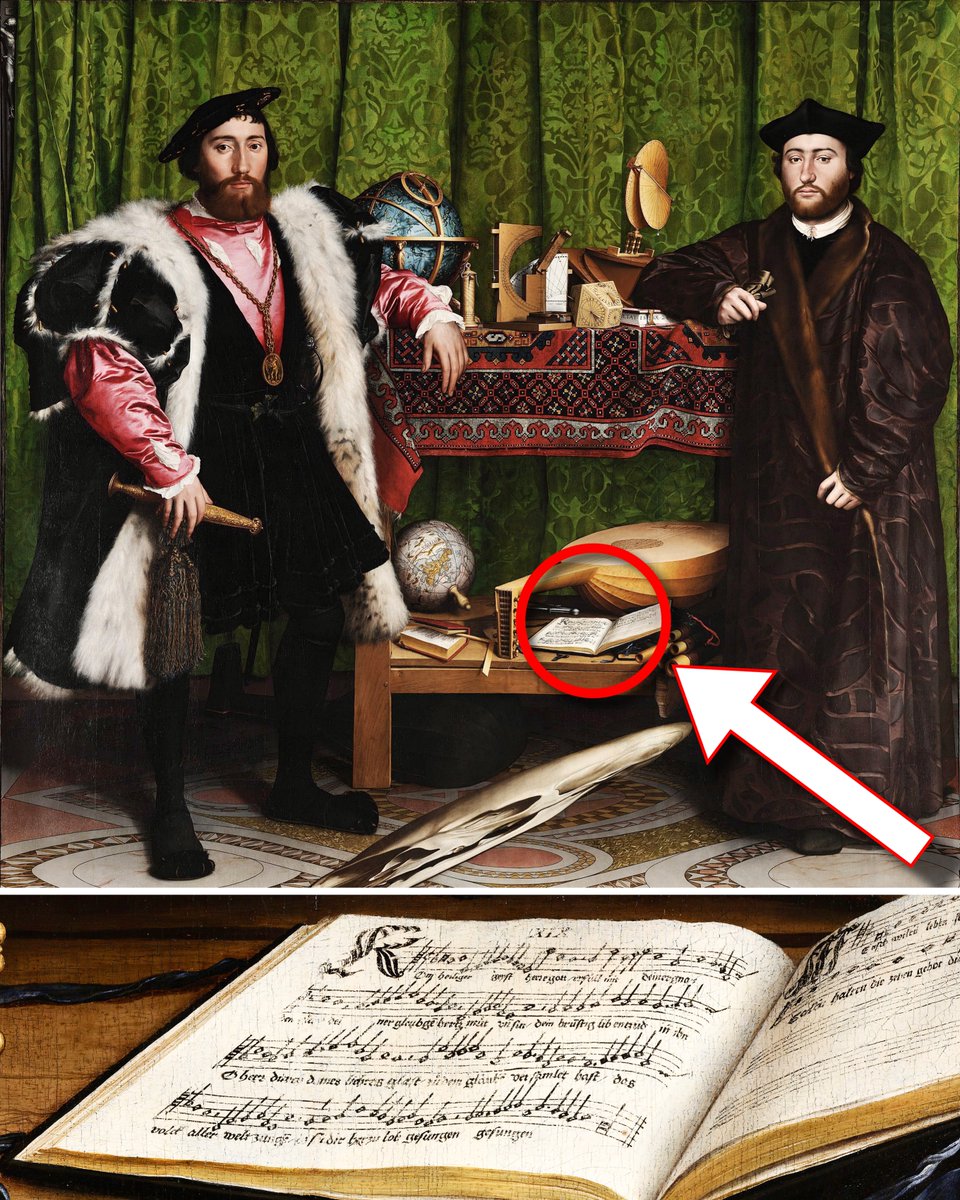
This 500-year-old portrait may seem ordinary, but it's one of the most mysterious in history.
There's so much detail that you can read every musical note on this small page.
But look closer — an unsettling secret is hiding in plain sight... 🧵
Introducing Sora, our text-to-video model.
Sora can create videos of up to 60 seconds featuring highly detailed scenes, complex camera motion, and multiple characters with vibrant emotions.
https://t.co/YYpOAcrXQ3
Prompt: “Beautiful, snowy Tokyo city is bustling. The camera moves through the bustling city street, following several people enjoying the beautiful snowy weather and shopping at nearby stalls. Gorgeous sakura petals are flying through the wind along with snowflakes.”
One of our boys is getting into creating EDM... I like EDM so I like his stuff #noparentalbiasatall https://t.co/U1vNLzlCkO https://t.co/T2qQFiH2cd give it a try/share/like