🧠✨ What is the physical form of a memory?
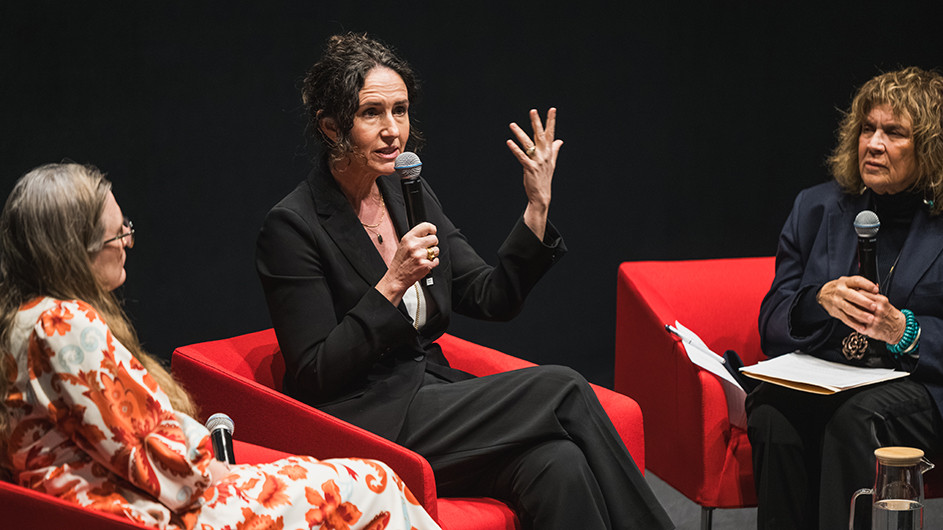
Join us on June 18 for the opening of The Shape of Memory, a new site-specific installation by artist Maya Ciarrocchi, created in collaboration with neuroscientists at Columbia University Zuckerman Institute.
Through a custom woven tapestry and immersive soundscape, the work explores memory, science, and storytelling. The evening will also feature a casual conversation with Maya, Sandra Romero Pinto, and artist Manon Casimir-Sainton.
📅 June 18, 2026 | 5:30–7:30 PM
📍 Education Lab, Jerome L. Greene Science Center
🥂 Free and open to the public.
RSVP: https://t.co/RASFZcyv4M
#zuckermanbrain #ArtInTheEducationLab #ArtAndScience #Neuroscience #NYCArts #ColumbiaUniversity
His story is the latest in The Science Life, an illustrated series that explores the cutting edge of neuroscience and the people helping us better understand our minds, brains and behaviors. Read more about his research, published in the journal Genetics:
https://t.co/8e9gA4zzTa
Tiny changes can have profound effects on life. Lochlan Krupa, an undergraduate working in the lab of Andrés Bendesky, knows this well. He recently discovered that the duplication of a single gene gave fish a new ability to make a vitamin from their food.
Read more: https://t.co/F2uTKWNrFC
Power of massive multidisciplinarity!
"Brain-Controlled Hearing System Proves Itself in First Human Studies
first direct evidence... that brain-controlled hearing technology can help people..."
https://t.co/DwM4ozZA7a
@ZuckermanBrain@APAMMSECU
Bridging the gap between their fields, @ZuckermanBrain Director Daphna Shohamy and playwright Sarah Ruhl find that memory offers a tool to navigate grief and imagine the possibilities of the future: https://t.co/kiaAcRIoi6
This week, IICD and @ZuckermanBrain hosted middle school students from Q StudioLab for a visit focused on science, research, and discovery.
Students had the opportunity to connect with IICD scientists over lunch and learn more about careers in STEM! #CancerResearch#Outreach
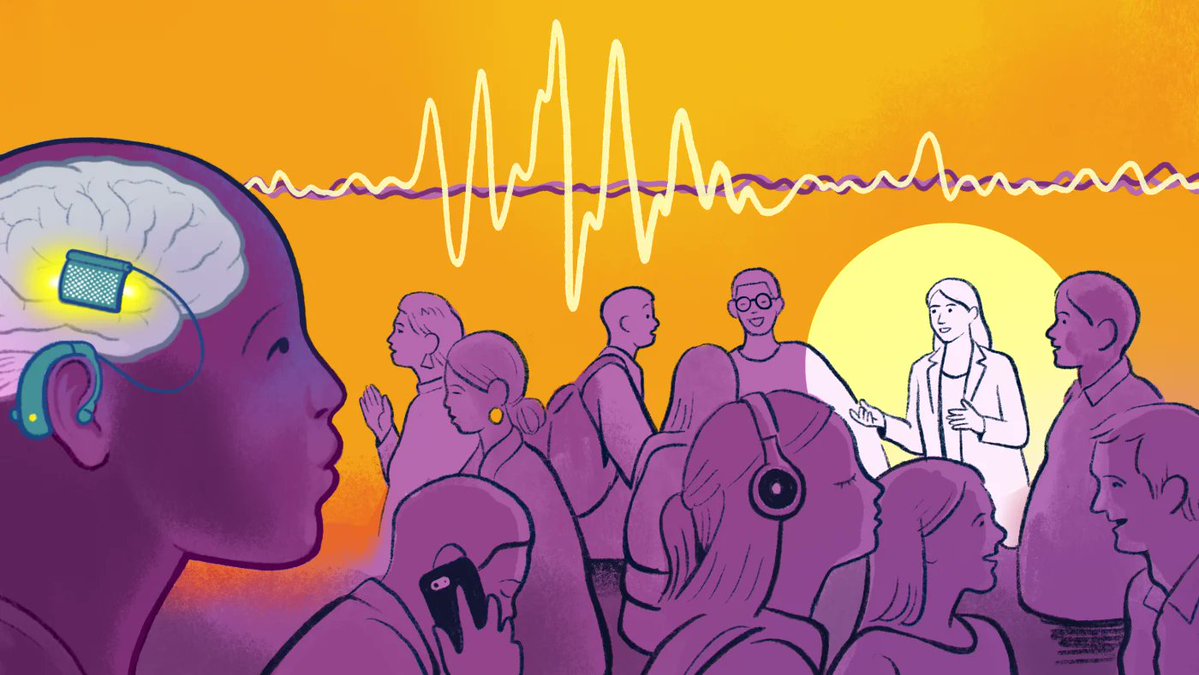
A system using brain signals in real time to identify the voice a listener is focusing on and amplify it among a group of speakers is reported in @NatureNeuro. The brain–computer interface could help improve hearing-aid functionality in noisy environments: https://t.co/7eRcUW77H4
"We have developed a system that acts as a neural extension of the user, leveraging the brain's natural ability to filter through all the sounds in a complex environment to dynamically isolate the specific conversation they wish to hear." https://t.co/2DN7PX2mCl #keeplistening
Hearing aids amplify all incoming sound, and so struggle with noisy surroundings. Brain-controlled hearing tech from @NimaMesgarani, @infinivishal & team could lead to a new generation of hearing systems that help people single out a voice in a crowd.
Read more: https://t.co/6ikORROkSb
Congratulations to Haroon Arain, an alum of our high school BRAINYAC program, who will be starting medical school at @Columbia this fall! Read more about how Haroon is already making (brain) waves: https://t.co/LjzzOW0MEB
What different insights might a playwright and a neuroscientist have about memory? Our own @DShohamy, Alan Kanzer Writer-in-Residence Sarah Ruhl and Carol Becker shared stories from their lives about how memory affects their work:
https://t.co/olLlUpH8u9
Check out the new @PBS South Florida documentary “The Resilient Brain” featuring our own @columbia@neurotheory Ken Miller discussing the mind, brain and behavior.
Discover the incredible resilience of the human mind in The Resilient Brain—a powerful documentary exploring how our brains adapt, heal, and evolve through life’s toughest challenges.
Insights from Dr. Ken Miller of @ZuckermanBrain
Stream now: https://t.co/vPC753WIRt
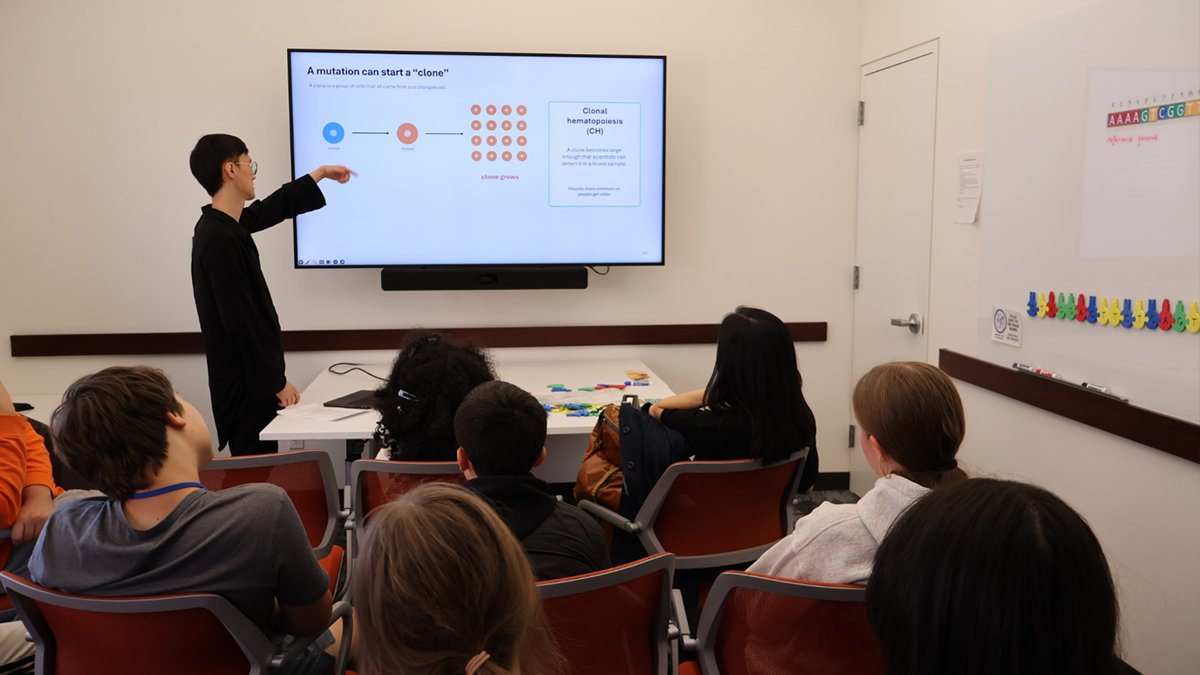
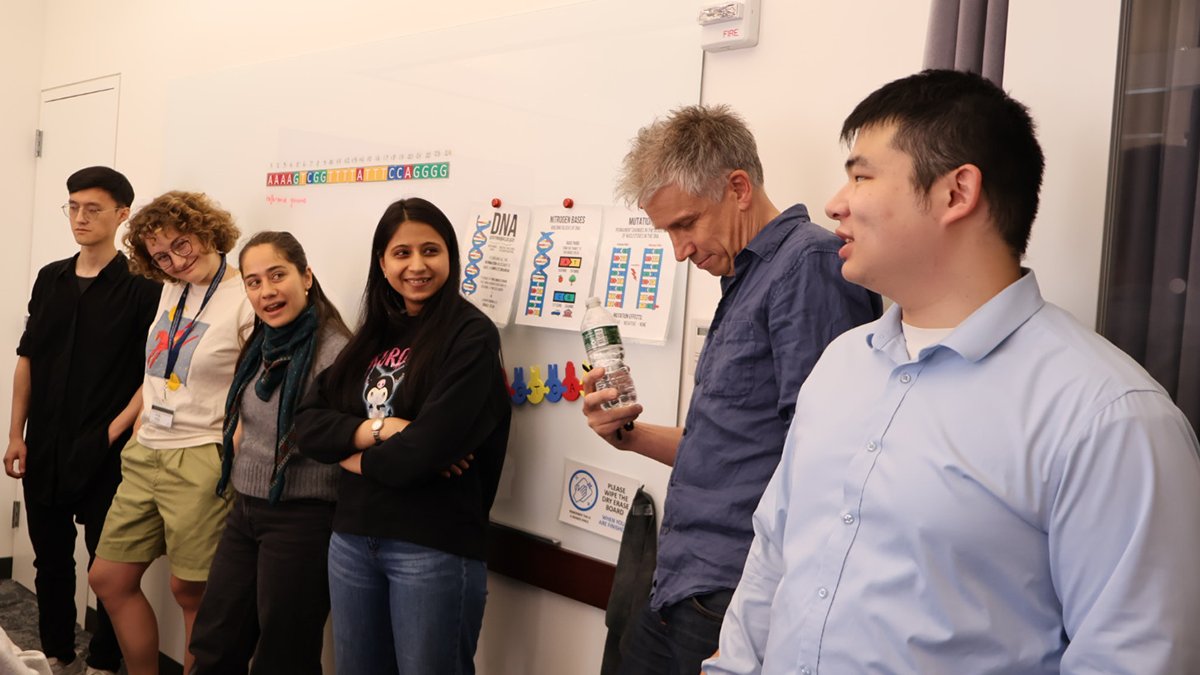
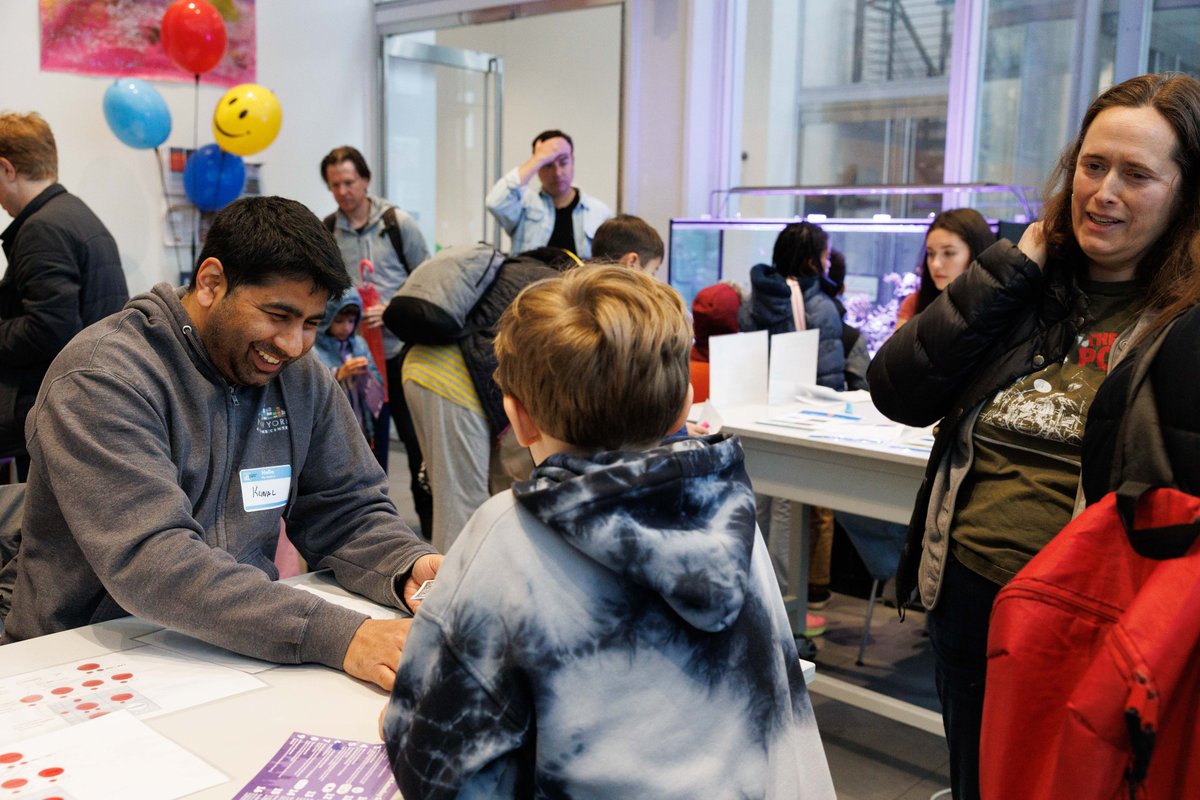
IICD returned to Saturday Science (@zuckermanbrain ) with @BioBus this past weekend! Thanks to @khanh_n_dinh, Marina Milea, Kunal Pandit, and Peter Terranova for helping young learners discover biology and genetics.
#ScienceEducation#Education (Photos credit: Sirin Samman)
What can science teach us about brain health? @Columbia 's @DShohamy and other leading neuroscientists discuss the latest research on memory, the mind and brain health with @PBS South Florida @allhealthgo. Tune in and learn more!
https://t.co/6tUB0BclVB
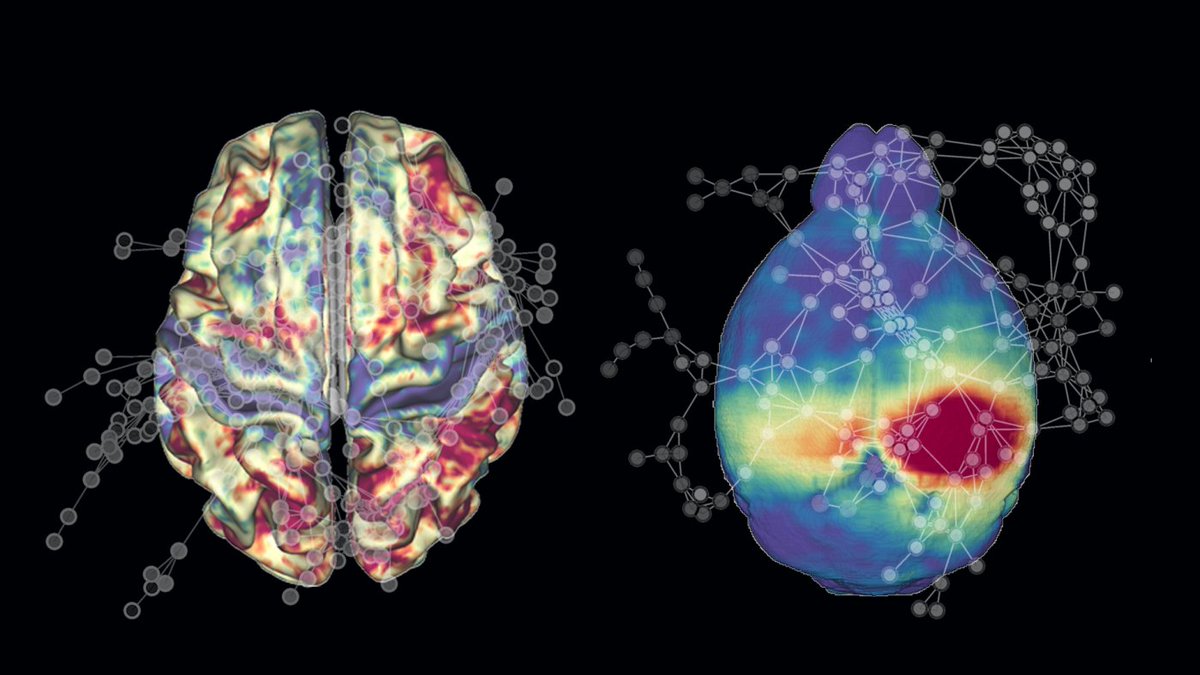
Scientists at @ZuckermanBrain and the University of Texas at Dallas have found that the human brain is not unique in how it changes with age. The discovery may help identify mechanisms that drive vulnerability to, or grant resilience from, age-related cognitive decline and neurological disease.
��� https://t.co/qYXeMXYI7U
Congratulations to our own @shadlen, MD, PhD, who was elected to the @americanacad! This recognition celebrates excellence and leadership in the sciences and across disciplines. Learn more about Shadlen’s research on decision making:
https://t.co/boKDzdEyDR
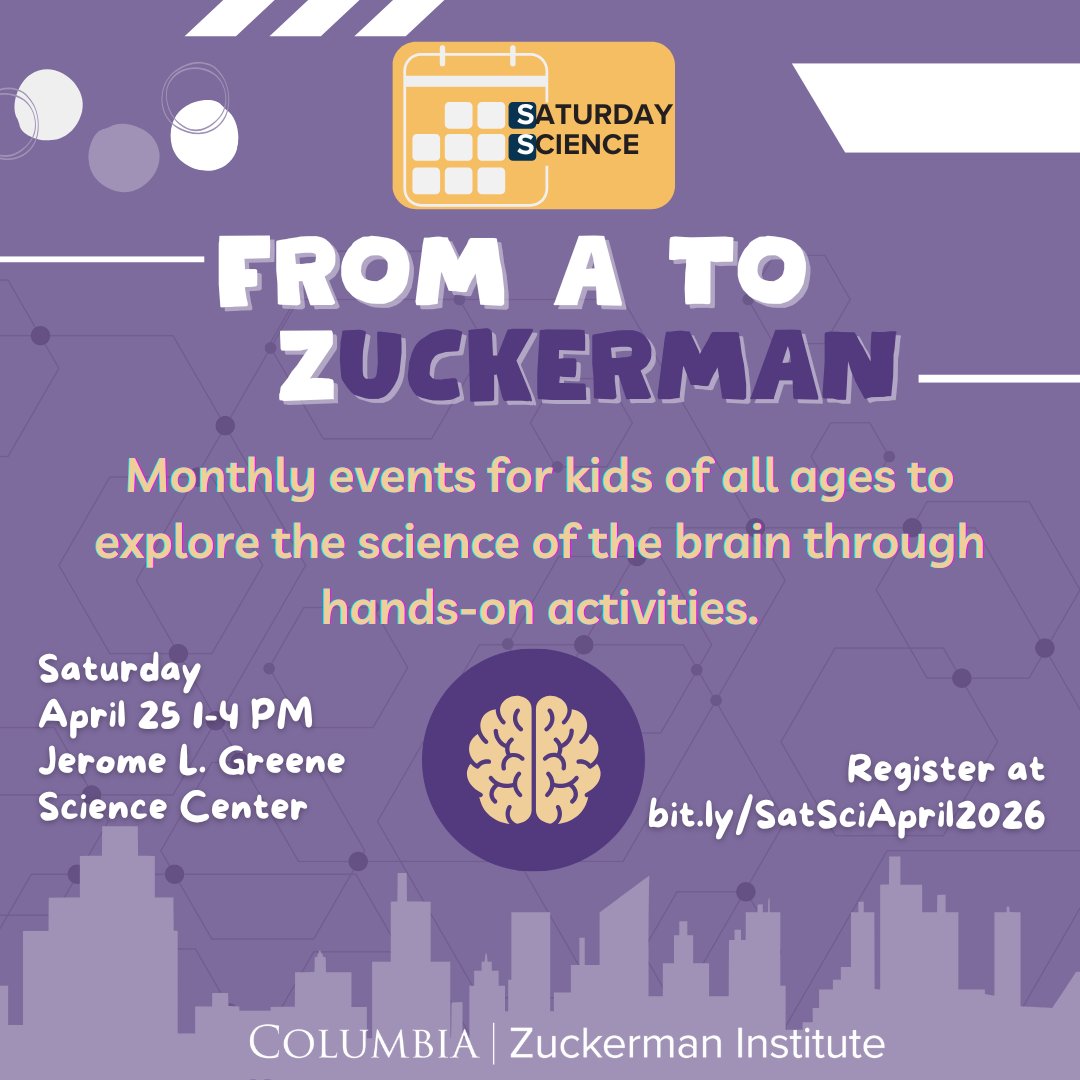
🧠 ✨Join us for Saturday Science at Columbia’s Zuckerman Institute!
On April 25, come spend the afternoon exploring science with us. You’re invited to a behind-the-scenes look at the exciting brain research happening here. Through hands-on activities and interactive demos, explore how the brain gathers information, builds connections and supports learning at every stage of life.
Our programs are open to learners of all ages, children and families!
📍605 W 129th St
🗓️ Saturday, April 25
🕕 Drop in anytime from 1–4 PM
Free and open to the public. Registration is recommended. We’d love to see you there!
https://t.co/29IXAH60se
This lecture series is generously supported by the Stavros Niarchos Foundation, which is celebrating its 30th anniversary this year. Congratulations @SNForg!
#humanityatthecore
Join us for our next @SNForg Brain Insight Lecture: The Brain-Body Connection. Wednesday, April 22, 6:30 PM (EST)
Experts will bring together perspectives from neuroscience, genetics, and physiology to uncover what the fruit fly can tell us about our own brain-body connection.
Learn more and register: https://t.co/G5XsromGaE